Handmade dog clothes are more than just fashion statements—they're expressions of love, creativity, and attention to your pet’s comfort. Whether knitted, sewn, or crocheted, these garments often carry sentimental value and require thoughtful care. Unlike mass-produced apparel, handmade pieces use delicate materials and construction techniques that demand a personalized maintenance approach. With proper care, you can extend their lifespan, preserve their appearance, and ensure your dog stays cozy and stylish for seasons to come.
Understand the Materials You’re Working With
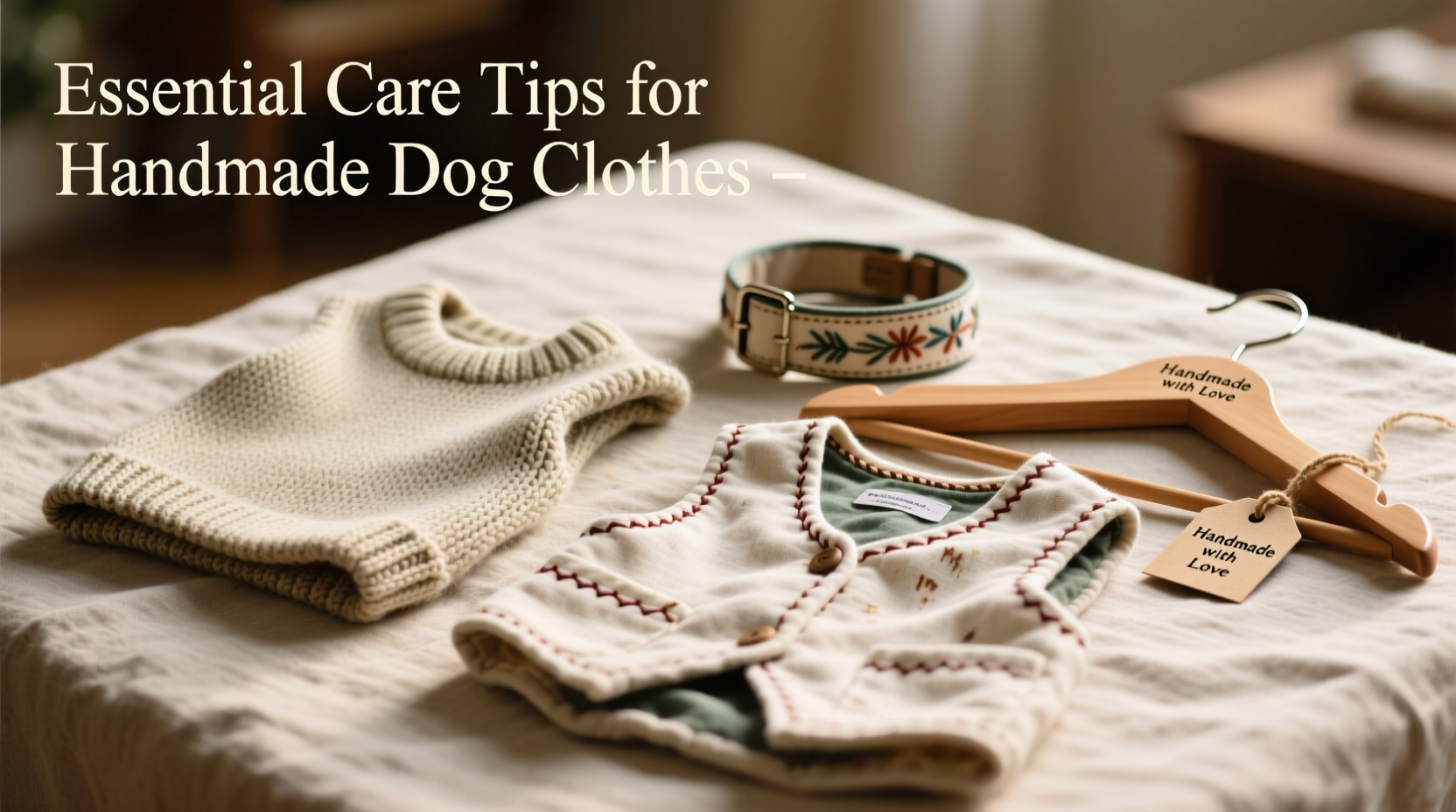
The first step in preserving handmade dog clothes is knowing what they’re made of. Common materials include wool, cotton, acrylic yarn, linen, and blends—each with unique care needs. Wool, for instance, provides excellent insulation but can felt or shrink if washed incorrectly. Cotton is breathable and durable but may lose shape after repeated washing. Synthetic fibers like acrylic resist moisture but can pill over time.
Always check labels or consult the maker for fiber content. If no label exists, perform a simple burn test (with caution) or assess texture and elasticity to make an educated guess. Knowing the material helps determine the safest cleaning method and storage conditions.
“Just like human clothing, the longevity of handmade dog garments depends heavily on fabric awareness and gentle handling.” — Dr. Lena Torres, Textile Care SpecialistTip: Keep a small notebook or digital log tracking each garment’s material, purchase/make date, and care history.
Washing Handmade Dog Clothes: A Step-by-Step Guide
Improper washing is the leading cause of damage to handmade dog apparel. Aggressive cycles, hot water, and harsh detergents can distort shapes, fade colors, and weaken fibers. Follow this timeline to clean garments safely:
- Inspect Before Washing: Check for loose threads, stains, or odors. Address issues early to prevent worsening.
- Spot Clean When Possible: Use a damp cloth with mild soap to treat localized dirt, especially around collars or leg openings.
- Hand Wash Gently: Fill a basin with lukewarm water and a small amount of wool-safe or pH-neutral detergent. Submerge the garment and swirl lightly—never wring or twist.
- Rinse Thoroughly: Replace soapy water with clean, cool water. Repeat until no suds remain.
- Remove Excess Water: Press the garment between two clean towels to absorb moisture. Avoid machine spinning unless the item is explicitly machine-washable.
- Reshape and Dry Flat: Lay the garment on a dry towel in its natural shape. Reshape sleeves, collars, and hems carefully. Keep away from direct sunlight and heat sources.
Drying upright or hanging can stretch knitwear irreversibly. Always lay flat to dry, rotating occasionally for even air circulation.
Storage Solutions That Prevent Damage
Even when not in use, improper storage can degrade handmade dog clothes. Moths, humidity, and creasing are silent enemies of delicate fabrics.
| Material Type | Recommended Storage | Avoid |
|---|---|---|
| Wool & Alpaca | Cotton garment bag with cedar blocks | Plastic bins (trap moisture), mothballs (toxic) |
| Cotton & Linen | Folded in a ventilated drawer | Damp basements, direct sunlight |
| Synthetic Blends | Stacked on shelves with acid-free tissue | Heat sources, rubber bands |
For long-term storage, consider using breathable cotton bags instead of plastic. Cedar blocks naturally repel moths without harmful chemicals. Rotate stored items every few months to prevent permanent creases.
Common Mistakes and How to Avoid Them
Many well-meaning pet owners unintentionally shorten the life of handmade dog clothes. Recognizing these pitfalls can save both garments and money.
- Machine Washing Delicate Knits: Even “gentle” cycles can cause pilling, stretching, or felting. Reserve machines only for sturdy cotton items labeled as machine-safe.
- Using Fabric Softener: It coats fibers, reducing breathability and trapping odors. Opt for white vinegar (1/4 cup in rinse water) to soften naturally.
- Ignoring Loose Threads: A single unraveling stitch can lead to significant damage. Secure loose ends with a needle and matching thread promptly.
- Storing While Damp: Residual moisture invites mold and mildew. Ensure complete dryness before folding or storing.
Real-Life Example: Reviving a Beloved Knit Sweater
Sarah from Portland adopted a rescue dog named Milo and received a hand-knit sweater from her grandmother. After six months of regular use, the sweater began to pill and stretch at the neck. Instead of discarding it, Sarah followed a restoration routine: she gently de-pilled with a fabric shaver, reshaped the neckline while damp, and stored it with a cedar sachet. She now washes it only once every eight weeks and uses a mesh laundry bag for protection during rare machine washes. Two years later, the sweater remains Milo’s favorite winter garment—proof that attentive care pays off.
Maintenance Checklist for Longevity
Use this actionable checklist to keep handmade dog clothes in top condition:
- ✔ Inspect garments weekly for wear, stains, or loose stitching
- ✔ Spot clean minor soiling immediately
- ✔ Hand wash every 3–5 wears or as needed
- ✔ Always dry flat and reshape
- ✔ Store in breathable containers with natural pest deterrents
- ✔ Rotate seasonal items to reduce strain on any single piece
- ✔ Repair small damages before they worsen
Frequently Asked Questions
Can I use baby shampoo to wash handmade dog clothes?
Yes, baby shampoo is a safe alternative to specialty detergents. It’s gentle, fragrance-light, and effective at removing light soil without stripping natural oils from wool or sensitive fibers.
How often should I wash handmade dog sweaters?
Frequency depends on use. For indoor or occasional wear, wash every 4–6 weeks. For daily outdoor use in cold or wet climates, wash every 2–3 weeks. Overwashing accelerates wear, so spot cleaning between full washes is ideal.
What should I do if a knit starts unraveling?
Stop further unraveling by threading the loose end through a darning needle and weaving it back into the adjacent stitches. For larger runs, use a crochet hook to re-loop dropped stitches, or consult a repair specialist.
Conclusion: Care Today, Comfort Tomorrow
Maintaining handmade dog clothes isn’t just about preserving aesthetics—it’s about honoring craftsmanship, ensuring pet comfort, and making sustainable choices. Each gentle wash, careful repair, and mindful storage decision adds months, even years, to a garment’s life. These small acts of care reflect deeper values: responsibility, patience, and love for our pets and the things we create for them.
💬 Have a handmade dog clothing care tip or success story? Share it with our community in the comments below—your experience could inspire others to care better and longer.








