Rabbits are intelligent, curious animals that thrive on mental stimulation and physical activity. Without proper enrichment, they can become bored, stressed, or even develop destructive behaviors. While pet stores offer a wide range of rabbit toys, many of them are overpriced and unnecessary. The truth is, you don’t need to spend money to keep your rabbit happy and engaged. With a little creativity and everyday household items, you can provide endless entertainment that supports their natural instincts and well-being.
The key lies in understanding what rabbits enjoy: chewing, digging, exploring, hiding, and foraging. By focusing on these instinctual behaviors, you can design enriching experiences using materials already at home. This guide walks through practical, budget-friendly strategies that promote mental health, prevent boredom, and strengthen the bond between you and your rabbit—all without buying a single commercial toy.
Create DIY Chew Toys from Safe Household Materials
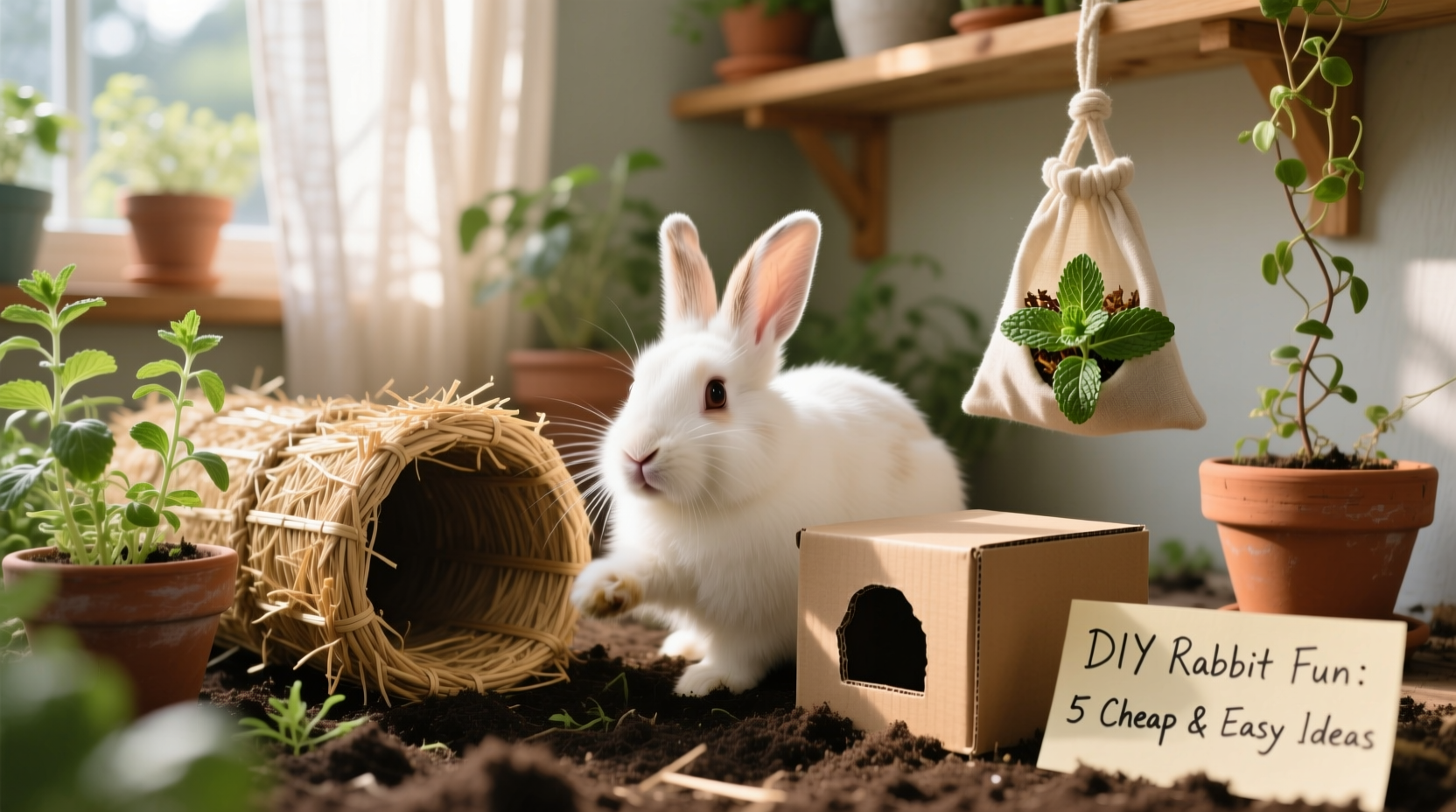
Chewing is a vital behavior for rabbits. Their teeth grow continuously, so they must wear them down through gnawing. Providing safe, fibrous chewables prevents dental issues and satisfies their urge to chew.
Instead of purchasing cardboard chew blocks or willow balls, use clean, chemical-free items from around the house:
- Cardboard tubes from paper towels or toilet paper—flatten them slightly or leave them rolled for variety.
- Untreated cardboard boxes—cut holes for exploration and let your rabbit shred the edges.
- Apple, willow, or aspen wood sticks (never cedar or pine)—collect from pesticide-free areas or purchase untreated dowels from hardware stores.
- Strips of old phone books or plain paper—ensure no glossy pages or toxic ink.
Always supervise your rabbit during initial play sessions with new materials to ensure they aren't ingesting anything harmful. Replace any item once it becomes soggy or excessively worn.
Build a Foraging System with Everyday Objects
In the wild, rabbits spend much of their day searching for food. Replicating this behavior at home keeps them mentally active and reduces anxiety.
You can create foraging games using kitchen supplies:
- Scatter hay mixed with herbs or chopped vegetables across the floor or in a litter box filled with shredded paper.
- Use muffin tins with treats hidden under crumpled paper or upside-down cups.
- Fill empty egg cartons with timothy hay and tuck small pieces of carrot or apple inside.
- Wrap leafy greens in strips of romaine lettuce and tie loosely with cotton string for your rabbit to untangle.
These activities encourage problem-solving and mimic natural feeding patterns. Start simple and gradually increase difficulty as your rabbit learns.
“Rabbits are natural foragers. Enrichment that engages their search instincts significantly improves emotional well-being.” — Dr. Laura Brown, Veterinary Ethologist
Design a Play Area Using Recycled Containers and Tunnels
Tunnels and hideaways are essential for a rabbit’s sense of security. Commercial tunnels can be costly, but common recyclables work just as well—and often better.
Consider these options:
- Plastic storage bins: Cut entry holes in the sides to create enclosed shelters.
- PVC pipes (6–8 inches in diameter): Connect multiple sections to form maze-like structures. Ensure smooth edges and secure placement.
- Cardboard boxes with multiple openings: Stack and tape them together to build a multi-room habitat.
- Washable fabric tunnels: Use old sweatshirts or long-sleeved shirts stuffed with soft fleece.
Place these elements in your rabbit’s living space to encourage movement, exploration, and hiding. Rearranging the layout every few days simulates environmental changes and maintains interest.
| Item | Benefit | Safety Check |
|---|---|---|
| Cardboard box | Hiding, chewing, climbing | No staples, tape, or ink ingestion risk |
| PVC pipe | Tunneling, exercise | Smooth interior, stable position |
| Cloth tunnel | Comfort, warmth, exploration | Wash regularly; no loose threads |
| Muffin tin | Foraging challenge | No sharp edges; cleaned after use |
Introduce Rotational Enrichment to Prevent Boredom
Just like humans, rabbits get used to their surroundings. Even the most stimulating setup loses appeal if unchanged. Implementing a rotational enrichment system ensures ongoing engagement.
Follow this weekly rotation plan:
- Day 1–2: Introduce a cardboard maze with hidden treats.
- Day 3–4: Swap in a PVC tunnel connected to a fabric hideout.
- Day 5–6: Set up a foraging tray with hay and scattered herbs.
- Day 7: Remove all toys and allow free roam time with supervised interaction.
This schedule mimics environmental variability and gives your rabbit something new to explore each phase. Store retired items out of sight to preserve novelty when reintroduced later.
Tip: Label storage bins by toy type (e.g., “Tunnels,” “Chewables”) to simplify rotation.Include interactive elements during rotation: hand-feed veggies through tunnel openings or gently roll a crumpled paper ball for your rabbit to chase. These moments build trust and provide social enrichment beyond physical toys.
Real-Life Example: Max the Curious Rex Rabbit
Max, a 2-year-old Rex rabbit living in a small apartment in Portland, began showing signs of boredom—over-grooming, chewing baseboards, and ignoring his store-bought toys. His owner, Sarah, was frustrated until she attended a local rabbit rescue workshop on low-cost enrichment.
She started by repurposing an old laundry basket into a foraging bin, cutting holes in the sides and filling it with hay and parsley. She added a cardboard tube stuffed with dandelion leaves and placed a shallow ceramic dish filled with water-soaked oats (a temporary treat) for texture play.
Within days, Max spent hours investigating the new items. Sarah rotated two additional setups weekly: one involving a stacked box labyrinth, another using a hanging toilet paper roll dispenser (mounted safely) for batting practice. After six weeks, the destructive chewing stopped, and Max became more responsive and playful during handling.
“I realized he wasn’t misbehaving—he was just bored,” Sarah said. “The cheapest solutions made the biggest difference.”
Essential Do’s and Don’ts for Homemade Rabbit Toys
To ensure safety and effectiveness, follow this checklist when creating or selecting items:
| Do’s | Don’ts |
|---|---|
| Use untreated, natural materials like cardboard, paper, and safe wood. | Avoid plastics with small parts or sharp edges. |
| Supervise first interactions with new objects. | Never use painted, varnished, or chemically treated wood. |
| Wash reusable items weekly with mild vinegar solution. | Don’t leave strings or yarn unattended—risk of entanglement or ingestion. |
| Encourage variety through regular rotation. | Avoid scented products, glues, or adhesives near chew zones. |
| Involve your rabbit in daily cleanup by turning tidying into a game. | Don’t rely solely on passive toys—combine with human interaction. |
Step-by-Step Guide: Build a Cardboard Adventure Maze in 30 Minutes
Here’s how to assemble a stimulating play structure using only recycled materials:
- Gather supplies: 3–4 medium cardboard boxes, packing tape (non-toxic), scissors, hole punch, and optional non-toxic markers for decoration.
- Cut entryways: Make 6-inch circular or oval openings on the sides of each box—vary heights and positions.
- Connect boxes: Tape boxes together side-by-side or end-to-end to form an L-shape or straight line. Reinforce joints with extra tape.
- Add features: Insert a cardboard tube as a bridge between levels or hang a toilet paper roll from the ceiling with cotton thread.
- Hide treats: Place small piles of herbs or pellets inside compartments to encourage exploration.
- Test stability: Ensure the structure won’t collapse if nudged. Place on a non-slip mat.
- Introduce slowly: Let your rabbit approach at their own pace. Sit nearby and speak calmly.
This maze provides climbing, hiding, chewing, and foraging—all critical components of rabbit enrichment. Disassemble and recycle after 1–2 weeks, then rebuild with fresh boxes for renewed interest.
Frequently Asked Questions
Can I use toilet paper rolls as toys?
Yes, plain cardboard toilet paper rolls are excellent for rabbits. They enjoy pushing them around, carrying them, and chewing them. Avoid rolls with residue or dyes. Supervise initially to ensure they don’t ingest large pieces.
What if my rabbit ignores the homemade toys?
Rabbits can be cautious with new objects. Try placing familiar-smelling items (like a used blanket) nearby or hand-feeding a treat inside the toy to create positive association. Patience is key—some rabbits take days to engage.
Are paper bags safe for rabbits to play with?
Plain brown paper bags (without handles or ink) can be fun for short-term play. Many rabbits enjoy crawling inside or crinkling the material. Always supervise closely, as loose fibers or folded corners may pose minor ingestion risks. Limit use to 10–15 minutes per session.
Conclusion: Enrichment Is About Creativity, Not Cost
Keeping your rabbit entertained doesn’t require a shopping trip or a big budget. What matters most is understanding their natural behaviors and providing opportunities to express them safely. From cardboard mazes to foraging trays, the simplest items often bring the greatest joy.
Enrichment strengthens your rabbit’s mind, supports dental health, prevents stress-related habits, and deepens your connection. Every crumpled paper ball chased, every tunnel explored, and every treat unearthed contributes to a fuller, happier life.
💬 Start today: Look around your home and pick one item to turn into a rabbit toy. Share your creation in the comments—your idea might inspire another caring owner!








