
For cat owners, maintaining a clean and odor-free litter room is essential—not just for comfort, but for the well-being of both pets and people. Despite regular scooping, many households struggle with lingering ammonia smells, musty air, or sudden odor spikes. The truth is, effective odor control goes beyond daily cleanup. It requires a strategic combination of proper ventilation, smart litter selection, routine deep cleaning, and proactive environmental management. With the right approach, you can transform your litter area from a source of embarrassment into a neutral, even pleasant, part of your home.
Choose the Right Litter for Maximum Odor Control
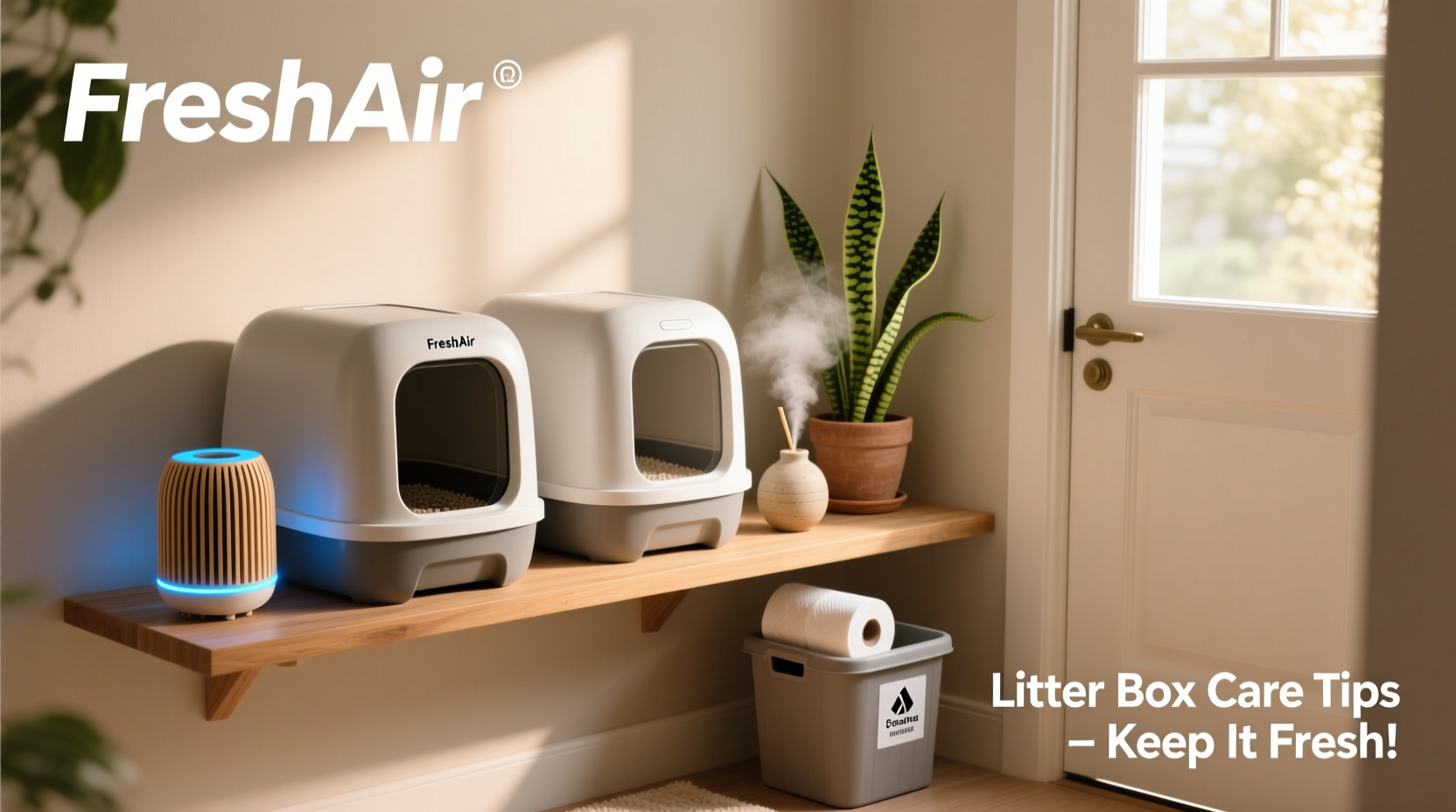
The foundation of a fresh-smelling litter room starts with the litter itself. Not all litters are created equal when it comes to trapping and neutralizing odors. Clumping clay, silica gel crystals, natural plant-based, and recycled paper litters each have different absorption capacities and chemical properties that affect how they handle waste byproducts.
Silica gel crystals, for example, are highly porous and excel at absorbing moisture and locking in ammonia vapors. Many brands infuse them with activated charcoal or baking soda for enhanced deodorizing. Clay litters often contain odor-controlling additives, but their performance varies widely between budget and premium options. Natural litters made from corn, wheat, or pine offer biodegradability and low dust, with pine having natural aromatic properties that help mask odors without artificial fragrances.
Tip: Avoid heavily scented litters—while they may seem appealing, strong perfumes can irritate your cat’s sensitive respiratory system and lead to avoidance behaviors.| Litter Type | Odor Control Level | Dust Level | Best For |
|---|---|---|---|
| Silica Gel Crystals | Excellent | Very Low | Multicat homes, small rooms |
| Clumping Clay | Good (varies by brand) | Medium to High | Single-cat households |
| Pine Pellets | Good (natural scent) | Low | Eco-conscious owners |
| Recycled Paper | Fair to Good | Low | Cats with allergies |
Optimize Ventilation and Airflow
A stagnant, poorly ventilated space traps ammonia and bacterial gases close to the ground—exactly where your cat eliminates. Proper airflow is one of the most overlooked yet effective tools in odor prevention. Even a small improvement in circulation can dramatically reduce lingering smells.
If your litter room has a window, open it daily—even for 10–15 minutes—to allow fresh air exchange. In windowless spaces like closets or basements, install a quiet bathroom exhaust fan on a timer to run for 20 minutes every few hours. Alternatively, use a small air purifier equipped with a HEPA filter and activated carbon layer. These units capture airborne particles and absorb volatile organic compounds released by decomposing urine.
“Ammonia buildup isn’t just unpleasant—it can be harmful to both feline and human respiratory health over time. Consistent air exchange is non-negotiable in enclosed litter areas.” — Dr. Lena Torres, DVM, Feline Environmental Specialist
Establish a Cleaning Routine That Works
Scooping once a day is the bare minimum. For optimal freshness, scoop waste at least twice daily—morning and evening. This prevents urine-soaked clumps from breaking down and releasing concentrated odors. But surface cleaning isn’t enough. Deep maintenance is required weekly or biweekly, depending on usage.
Step-by-Step Litter Box Deep Clean
- Remove all litter and dispose of it in a sealed bag.
- Wash the box with warm water and mild, unscented dish soap. Avoid harsh chemicals like bleach unless absolutely necessary (and only if rinsed thoroughly).
- For stubborn odor stains, use a vinegar-water solution (1:1 ratio) and let it sit for 10 minutes before scrubbing.
- Rinse completely and dry with a lint-free towel—moisture breeds bacteria.
- Replace with fresh litter, ideally adding a thin layer of baking soda beneath the litter to absorb residual odors.
Control the Environment: Flooring, Surfaces, and Accessories
The area around the litter box matters just as much as the box itself. Spray and tracking spread microscopic waste particles across floors, baseboards, and nearby surfaces. Over time, these residues break down and emit persistent odors that standard mopping won’t eliminate.
Use a washable, non-porous mat under the litter box to catch debris. Choose one with raised edges to contain spills. Wash this mat weekly with enzyme cleaner to destroy organic matter. If your flooring is carpeted, consider switching to vinyl, tile, or laminate in the litter zone—these materials resist odor absorption and are easier to sanitize.
Store supplies like litter bags, scoops, and cleaning cloths in a sealed container outside the room to prevent cross-contamination. Also, avoid placing food bowls or bedding nearby; cats instinctively separate elimination and eating zones, and mixing them can increase anxiety and inappropriate elimination.
Do’s and Don’ts for Litter Room Maintenance
| Do | Don't |
|---|---|
| Use enzyme cleaners for organic residue | Use ammonia-based cleaners (they mimic urine scent) |
| Provide multiple boxes in multi-cat homes | Overcrowd the space with unnecessary items |
| Wash hands after handling litter | Let children or other pets play near the area unsupervised |
| Replace litter completely every 2–4 weeks | Ignore changes in your cat’s litter habits (could signal health issues) |
Real-World Example: Transforming a Basement Litter Nook
Sarah, a cat owner in Portland, used her basement utility room as a litter area for three cats. Despite daily scooping, guests often commented on a “bathroom smell” upon entering. After consulting a feline behaviorist, she implemented several changes: she replaced her clay litter with silica crystals, installed a wall-mounted exhaust fan on a timer, laid down a large washable mat, and began using an air purifier with a carbon filter.
Within two weeks, the odor was undetectable. She also added a half-inch layer of baking soda beneath the new litter and started rotating two larger boxes to allow thorough drying between cleanings. Her cats showed no signs of stress and continued using the boxes consistently. The transformation cost under $150 but significantly improved both air quality and household comfort.
Essential Checklist for Long-Term Odor Prevention
- ☑ Scoop litter at least twice daily
- ☑ Perform full box cleaning every 7–14 days
- ☑ Use an air purifier with activated carbon
- ☑ Install ventilation in enclosed spaces
- ☑ Place odor-absorbing mats under litter boxes
- ☑ Switch to low-dust, high-absorption litter
- ☑ Wash surrounding surfaces weekly with enzyme cleaner
- ☑ Monitor your cat’s usage patterns for health clues
Frequently Asked Questions
How often should I change all the litter completely?
Even with daily scooping, replace all litter and clean the box thoroughly every 2 to 4 weeks, depending on the number of cats and litter type. Over time, micro-residues accumulate and degrade performance.
Can baking soda harm my cat?
No, pure baking soda is safe when used correctly. Sprinkle a thin layer at the bottom of the box before adding litter. Avoid inhaling the powder during application, and ensure your cat isn’t excessively ingesting it—though incidental intake is generally harmless.
Why does my litter box still smell bad even after cleaning?
Residual urine may have seeped into porous flooring or baseboards. Use an enzyme-based cleaner on surrounding surfaces to break down organic compounds. Also, check if the litter box itself has become scratched or pitted—microscopic grooves harbor bacteria and odors. Replace plastic boxes every 6–12 months.
Take Action Today for a Fresher, Healthier Home
Keeping your cat’s litter room smelling fresh isn’t about masking odors with sprays or candles—it’s about understanding the science of waste breakdown and creating an environment that prevents smells before they start. From selecting intelligent litter types to improving airflow and committing to a rigorous cleaning schedule, each step builds toward a more hygienic and harmonious living space.
💬 Have a tip that transformed your litter area? Share your experience below and help fellow cat owners breathe easier!








