
Bringing a second dog into a home where a resident dog already lives can be one of the most rewarding decisions for a pet-loving family. But it’s also one of the most delicate. Dogs are creatures of habit, and even the most sociable pup can react with jealousy, anxiety, or territorial behavior when faced with a new canine companion. Without careful planning, introductions can escalate into stress, aggression, or long-term behavioral issues. The key isn’t just patience—it’s strategy. With the right approach, you can foster harmony, reduce tension, and help both dogs form a lasting bond.
Understanding Canine Jealousy: Why It Happens
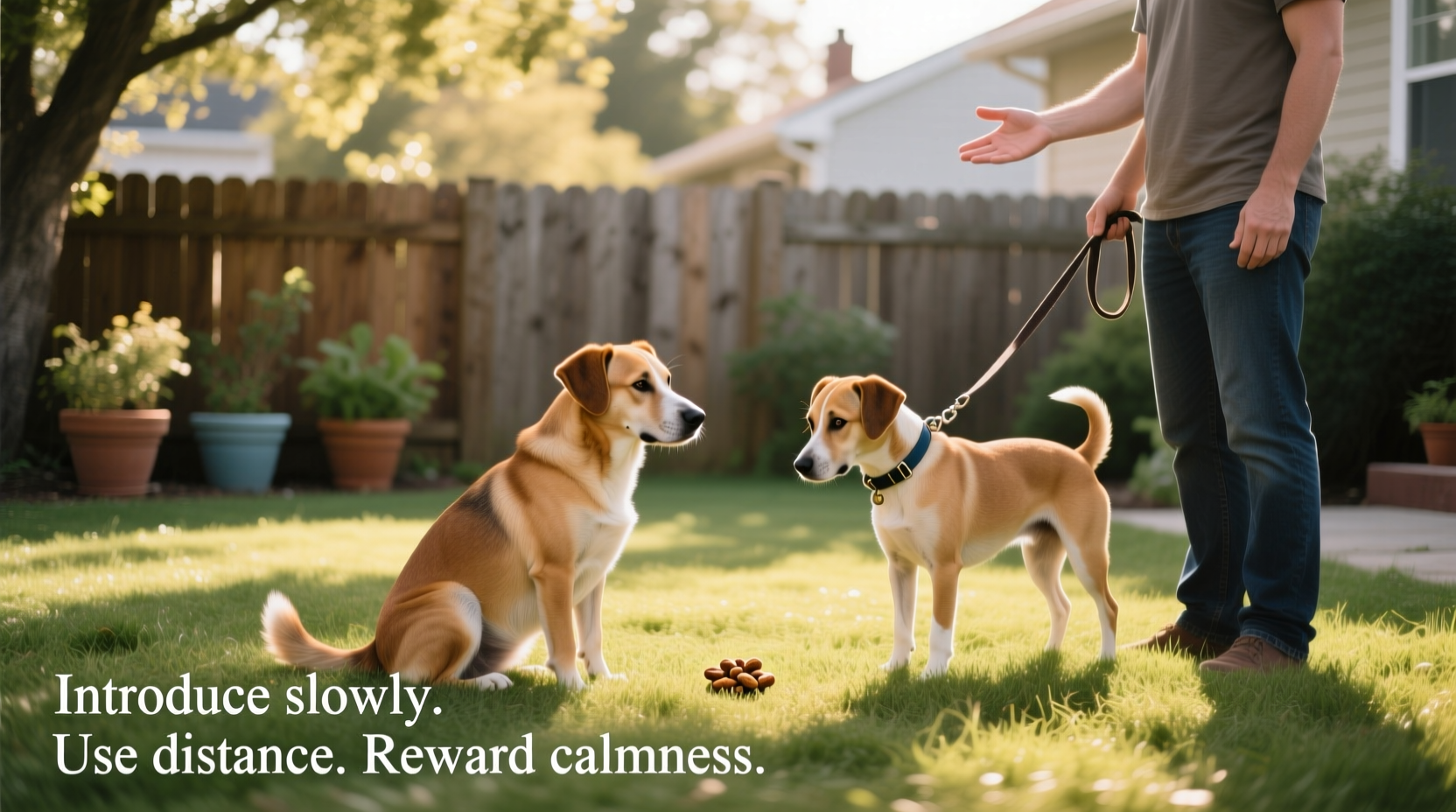
Dog jealousy isn’t imagined; it’s well-documented in animal behavior studies. Research from the University of California, San Diego has shown that dogs exhibit behaviors consistent with jealousy—such as snapping, whining, or pushing between owners and others—when they perceive a threat to their social bond. For your resident dog, the arrival of a second dog represents a potential loss of attention, resources, and status.
This emotional response is rooted in survival instincts. In the wild, dogs live in hierarchical packs, and any shift in dynamics can trigger defensive reactions. Even domesticated dogs retain these instincts. Signs of jealousy include:
- Increased clinginess or following you from room to room
- Growling, barking, or snapping at the new dog
- Refusing to obey commands when the other dog is present
- Marking territory indoors
- Withdrawing or sulking
Recognizing these signals early allows you to intervene before minor discomfort turns into serious conflict.
Tip: Never punish your resident dog for showing jealousy. This only increases anxiety and damages trust. Instead, redirect the behavior with positive reinforcement.Step-by-Step Guide to a Safe Introduction
A successful introduction doesn’t happen in a single meeting. It’s a phased process that can take days or even weeks. Rushing this timeline risks overwhelming both dogs and undermining future cohabitation. Follow this structured timeline for best results.
- Preparation Phase (Days 1–3): Prepare your home by separating sleeping areas, food zones, and toys. Each dog should have their own bed, crate, feeding station, and chew items to prevent resource guarding.
- Scent Exchange (Days 4–5): Swap bedding or towels between dogs so they become familiar with each other’s scent. Rub a cloth on one dog and place it near the other’s resting area. Do not allow direct contact yet.
- Controlled Neutral Meeting (Day 6): Choose a neutral outdoor location—like a park or quiet sidewalk—where neither dog feels territorial. Keep both dogs on leashes, walk parallel to each other at a distance, and gradually decrease space as they remain calm. Limit the first meeting to 10–15 minutes.
- Supervised Indoor Meetings (Days 7–10): Bring the dogs together inside your home, but keep them leashed and under close supervision. Use baby gates or exercise pens to create visual barriers while allowing interaction. Watch closely for signs of tension.
- Gradual Coexistence (Weeks 2–4): Slowly increase shared time. Feed them on opposite sides of a room, play separately but in the same space, and reward calm behavior. Only remove leashes when both dogs show consistent relaxation.
The goal isn’t immediate friendship, but steady desensitization and association of the new dog with positive experiences.
Do’s and Don’ts During the Introduction Process
| Do’s | Don’ts |
|---|---|
| Maintain your resident dog’s routine as much as possible | Allow off-leash interactions too soon |
| Give equal attention—but not at the expense of your current dog | Punish growling or warning signals without understanding the cause |
| Use high-value treats to reward calm behavior around the new dog | Force physical interaction or cuddling |
| Exercise both dogs before meetings to reduce energy and tension | Leave them unsupervised until fully bonded |
| Consult a professional trainer if aggression persists | Ignore signs of stress like lip licking, yawning, or stiff posture |
Consistency in boundaries helps both dogs feel secure. Your resident pup needs to know their place in the household hasn’t changed, while the newcomer learns the rules of their new environment.
Real-Life Example: Introducing Luna to Max
When Sarah adopted Luna, a three-year-old terrier mix, she hoped her eight-year-old Labrador, Max, would welcome a playmate. Instead, Max began pacing whenever Luna approached, refused to eat with her in the room, and once snapped when Luna sniffed his toy.
Sarah paused all direct contact and started over using the phased approach. She walked them separately in different parts of the neighborhood, swapped blankets nightly, and used training sessions to reward Max for calm glances at Luna through a baby gate. Over two weeks, she increased exposure during mealtime by feeding Max first, then Luna, always praising him for staying relaxed.
By week four, Max allowed Luna to sit beside him on the couch. Six weeks in, they were playing fetch together in the yard. “It wasn’t about making them best friends overnight,” Sarah said. “It was about showing Max he was still loved, and Luna had a place too.”
“Dogs don’t compete for love—they fear losing it. When owners maintain consistency and fairness, jealousy often fades naturally.” — Dr. Karen Becker, DVM, Certified Animal Behaviorist
Essential Checklist for a Smooth Transition
Before bringing a second dog home, ensure you’ve completed the following steps:
- ✅ Assess your resident dog’s temperament and past reactions to other dogs
- ✅ Choose a second dog with a compatible energy level and size
- ✅ Prepare separate spaces for sleeping, eating, and downtime
- ✅ Stock up on duplicate supplies: bowls, beds, leashes, and toys
- ✅ Schedule a vet check for the new dog to rule out illness or parasites
- ✅ Plan at least two weeks of flexible time for the introduction process
- ✅ Identify a qualified trainer or behaviorist as a backup resource
- ✅ Practice basic obedience with your resident dog to reinforce leadership
This checklist minimizes chaos and sets clear expectations for both dogs from day one.
Tip: Use calming aids like Adaptil diffusers or anxiety wraps during early meetings if your resident dog shows extreme stress.Managing Long-Term Harmony
Even after successful integration, ongoing management is essential. Jealousy can resurface during life changes—like a new baby, illness, or travel. To maintain balance:
- Rotate attention deliberately: Alternate who gets petted first, walked first, or fed first. Avoid always favoring the newer dog to “help them adjust.”
- Train together—and separately: Group training builds cohesion, but individual sessions preserve each dog’s confidence and bond with you.
- Monitor resource guarding: If one dog becomes possessive over toys, food, or furniture, address it immediately with redirection and positive reinforcement.
- Provide mental stimulation: Puzzle feeders, scent games, and solo playtime reduce competition and boredom-related aggression.
Remember, harmony doesn’t mean constant play. Many successfully bonded dogs prefer to nap near each other rather than wrestle. Respect their unique relationship dynamic.
Frequently Asked Questions
How long does it take for dogs to get along?
There’s no fixed timeline. Some dogs tolerate each other within days; others take months to build trust. Most experts agree that 4–8 weeks of structured introduction is typical. Full bonding may take up to six months, especially with older or shy dogs.
Should I adopt a dog of the same sex or opposite sex?
Opposite-sex pairs tend to have fewer dominance conflicts, though temperament matters more than gender. Two confident dogs of the same sex may clash more readily, but many same-sex pairs live peacefully. Focus on personality compatibility—calm with calm, playful with playful—rather than assuming gender determines success.
What if my resident dog continues to growl or snap?
Occasional low-level warnings are normal during adjustment. However, frequent aggression, lunging, or biting requires professional intervention. A certified dog behaviorist can assess triggers and design a customized modification plan. Never ignore escalating behavior—it can become habitual.
Final Thoughts: Patience, Planning, and Positive Reinforcement
Introducing a second dog to a jealous resident pup is less about managing animals and more about guiding emotions. Dogs thrive on predictability, fairness, and affection. When those elements are consistently provided, even the most reluctant resident can learn to accept—or even enjoy—the company of a new companion.
The process demands time, vigilance, and emotional intelligence. There will be setbacks: a missed cue, a moment of poor judgment, a sudden regression. But every small victory—your older dog choosing to lie down near the newcomer, sharing a water bowl, or initiating play—signals progress.
💬 Have you introduced a second dog to a jealous pup? Share your story or questions in the comments—your experience could help another pet parent navigate this journey with confidence.








