
Bringing a new puppy into a home with an older dog is both exciting and delicate. While many dogs adapt well to new companions, the introduction process can easily go wrong if not handled carefully. Sudden changes in routine, territory, or social hierarchy often trigger stress, fear, or defensive aggression—especially in senior dogs who may have established routines and lower tolerance for disruption. The key to a peaceful coexistence lies not in hoping for the best, but in planning, patience, and understanding canine behavior. With the right approach, most dogs can form strong bonds over time, but the first few meetings set the tone for their entire relationship.
Understanding Canine Social Dynamics
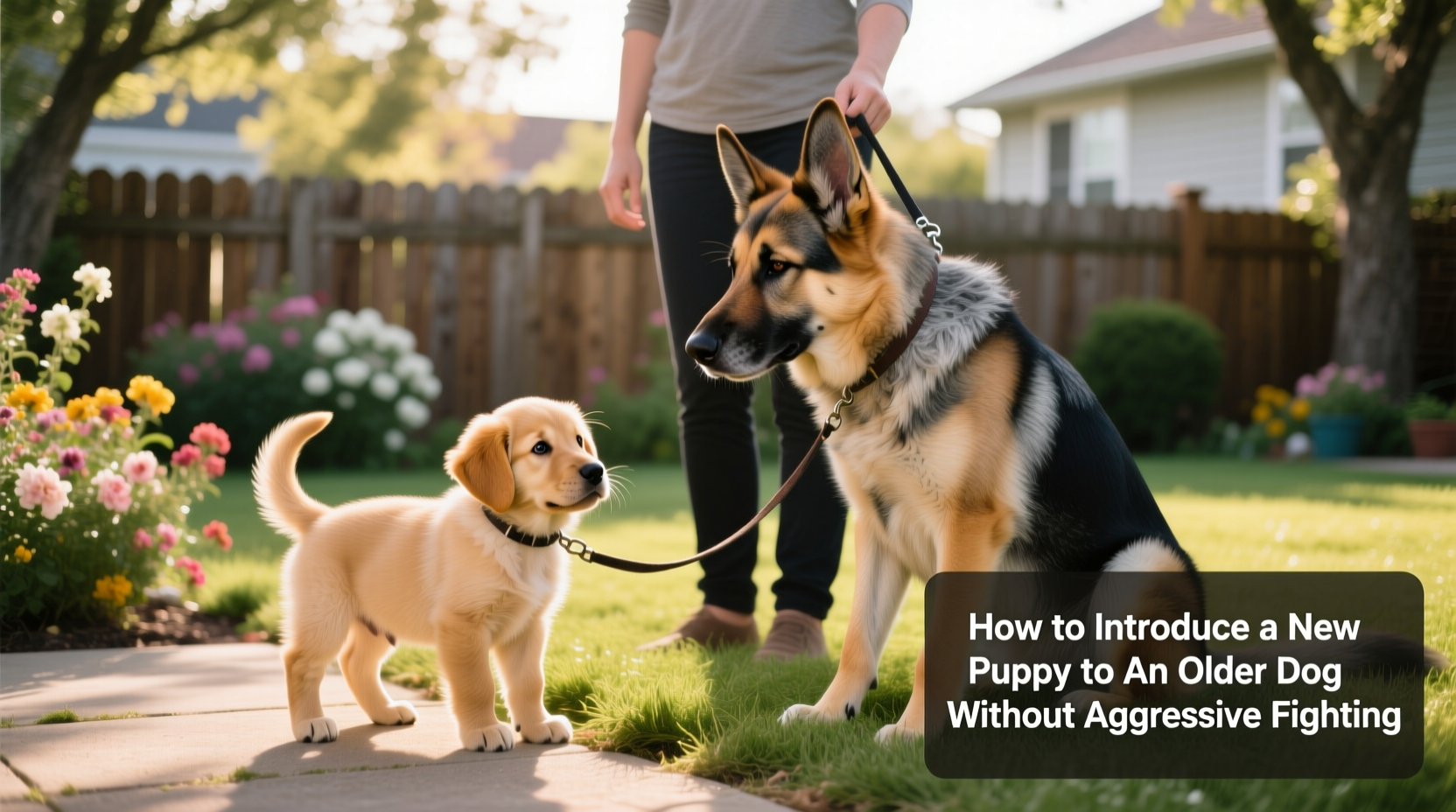
Dogs are social animals, but their interactions are governed by complex communication cues, body language, and social hierarchies. An older dog may perceive a boisterous puppy as intrusive or disrespectful, especially if the younger dog invades personal space, steals toys, or demands attention. Conversely, puppies often lack awareness of boundaries and may misinterpret growls or stiff postures as play invitations rather than warnings.
Stress and anxiety are common triggers for aggression during introductions. An older dog may feel threatened by the loss of attention, scent displacement, or physical challenges from a high-energy newcomer. Recognizing early signs of discomfort—such as lip licking, yawning, turning away, raised hackles, or a stiff tail—is essential for preventing escalation.
“Dogs don’t naturally understand human concepts like ‘this is your new sibling.’ They respond to energy, environment, and experience. A rushed introduction can create lasting tension.” — Dr. Karen Becker, Integrative Veterinarian and Animal Behavior Specialist
Step-by-Step Guide: Introducing Puppy and Senior Dog Safely
A successful introduction isn’t a single event—it’s a structured process that unfolds over days or even weeks. Rushing this phase increases the risk of conflict. Follow this timeline to build trust gradually and minimize stress.
- Prepare the Environment (Days 1–3)
Before the puppy arrives, establish separate spaces for each dog. This includes individual crates, feeding areas, and sleeping zones. Use baby gates or closed doors to allow visual and olfactory exposure without direct contact. Swap bedding or toys between dogs so they become familiar with each other’s scent. - First Meeting: Neutral Territory (Day 4)
Choose a neutral outdoor location—like a quiet park or sidewalk—where neither dog claims ownership. Keep both dogs on loose leashes, allowing them to observe and sniff from a distance. Avoid forcing interaction. Let them circle, investigate, or ignore each other as they choose. Keep the session under 10 minutes and end on a calm note. - Repeat Controlled Outdoor Meetings (Days 5–7)
Repeat short, positive walks together. Reward calm behavior with treats and praise. If either dog shows tension (e.g., stiff posture, low growling), increase distance and redirect attention. Consistency builds predictability, reducing anxiety. - Indoor Introduction with Barriers (Day 8)
Bring the puppy home, but keep the older dog separated initially. Allow supervised visual contact through a baby gate or crate. Feed them on opposite sides of the barrier with high-value treats to create positive associations. Monitor body language closely. - Supervised Interaction Inside (Day 9 onward)
Once both dogs remain relaxed near each other, begin brief, leashed indoor meetings. Keep sessions short (5–10 minutes) and interrupt any chasing, mouthing, or resource guarding. Use commands like “leave it” or “go to mat” to manage impulses. Always supervise until you’re confident in their compatibility.
Do’s and Don’ts During the Introduction Phase
Mistakes during early interactions can undermine progress. Refer to this table to avoid common pitfalls and reinforce effective strategies.
| Do’s | Don’ts |
|---|---|
| Use high-value treats to reward calm behavior | Force interaction or hold dogs close against their will |
| Keep initial meetings short and positive | Allow the puppy to chase or pester the older dog |
| Provide separate food bowls, beds, and toys | Punish growling—this suppresses warning signals and may lead to biting |
| Monitor body language constantly | Leave them alone together too soon |
| Give the older dog extra attention and quiet time | Rush the process to achieve “instant friendship” |
Real-Life Example: Bella and Max’s Successful Integration
Sarah adopted a 10-week-old Labrador mix named Max while living with Bella, her 8-year-old Sheltie. Bella had never lived with another dog and was initially wary. Sarah followed a strict introduction protocol: she began with scent-swapping using blankets, then arranged three off-leash walks in a quiet park where a trainer helped monitor body language.
During the first indoor meeting, Max bounded toward Bella, but Sarah gently redirected him with a treat. Bella remained behind a baby gate, eating dinner while Max played nearby. Over the next two weeks, Sarah increased their shared time in short bursts, always ending before tension arose. She ensured Bella still received morning walks alone and maintained her usual napping spots.
By week four, Max had learned to respect Bella’s space, and Bella began tolerating his playful bows. Six months later, they nap side by side and greet each other with relaxed tail wags. Sarah credits the success to patience, consistency, and refusing to rush the bonding process.
Essential Checklist for a Smooth Transition
Use this checklist to ensure no critical step is overlooked when introducing your new puppy to an older dog:
- ✅ Assess your older dog’s temperament and health—senior dogs with arthritis or hearing loss may need extra accommodations
- ✅ Prepare separate feeding, sleeping, and resting areas
- ✅ Gather supplies: extra leashes, baby gates, crates, and high-value treats (e.g., boiled chicken, freeze-dried liver)
- ✅ Schedule initial meetings in neutral outdoor locations
- ✅ Observe and interpret body language—don’t assume playfulness means acceptance
- ✅ Gradually increase interaction time only when both dogs remain relaxed
- ✅ Maintain your older dog’s routine to reduce stress
- ✅ Consult a certified dog behaviorist if signs of aggression persist beyond two weeks
When Aggression Occurs: Responding Calmly and Effectively
Minor squabbles—such as a quick snap or low growl—are normal during adjustment. These are often corrective behaviors, not true aggression. However, prolonged staring, raised fur, lunging, or sustained snarling indicate serious conflict. In such cases:
- Stay calm—your panic can escalate tension.
- Interrupt without intervening directly. Use a loud noise (a clap or air horn), toss a blanket, or spray water to break focus.
- Separate the dogs immediately and give them time to cool down.
- Reassess your introduction pace. You may need to return to neutral territory meetings or extend separation periods.
If fights become frequent or severe, consult a professional animal behaviorist. Underlying issues such as fear, pain, or past trauma may require targeted intervention. Never attempt to “let them work it out”—dog fights can result in serious injury, especially when size or age differences exist.
Frequently Asked Questions
How long does it take for an older dog to accept a puppy?
Most dogs adjust within two to six weeks with proper management. Some may take several months, especially if the older dog is territorial or has limited social experience. Full acceptance is marked by relaxed body language, mutual grooming, and voluntary proximity.
Should I punish my puppy for pestering the older dog?
No. Punishment can create fear and confusion. Instead, redirect the puppy’s energy with toys or training exercises. Teach commands like “settle” or “go to your mat” to encourage self-control. Prevention and positive reinforcement are far more effective than correction.
Can two dogs of the same sex live together peacefully?
Yes, but same-sex pairs, especially unneutered males or females, may be more prone to dominance conflicts. Spaying or neutering can reduce hormone-driven competition. Regardless of gender, compatibility depends more on temperament, upbringing, and introduction quality than sex alone.
Final Thoughts: Building a Harmonious Multi-Dog Household
Introducing a new puppy to an older dog is less about forcing friendship and more about fostering mutual respect. Success doesn���t mean constant play—it means coexistence without tension, fear, or aggression. The older dog deserves protection from harassment, and the puppy needs guidance in learning social rules. Your role is not to referee every interaction but to create conditions where both dogs feel safe, valued, and understood.
Patience is non-negotiable. There will be setbacks—moments when the puppy ignores boundaries or the older dog seems irritable. These are not failures but opportunities to reinforce structure and empathy. Celebrate small victories: a shared nap, a polite sniff, a moment of calm coexistence.
💬 Have you successfully introduced a puppy to an older dog? Share your story or tips in the comments—your experience could help others navigate this challenging but rewarding journey.








