Bringing a new kitten into a home with an older dog can be both exciting and nerve-wracking. While dogs and cats can form deep, affectionate bonds, the introduction process requires patience, planning, and careful observation. Rushing the process or ignoring behavioral cues can lead to fear, aggression, or long-term tension between pets. The goal is not just coexistence but harmony—where both animals feel safe, respected, and even companionship.
This guide walks through a structured, step-by-step approach to ensure a smooth and stress-free transition. Whether your dog is playful or reserved, and regardless of the kitten’s age or temperament, these methods are designed to minimize anxiety and build positive associations from the start.
Understanding the Dynamics Between Dogs and Kittens
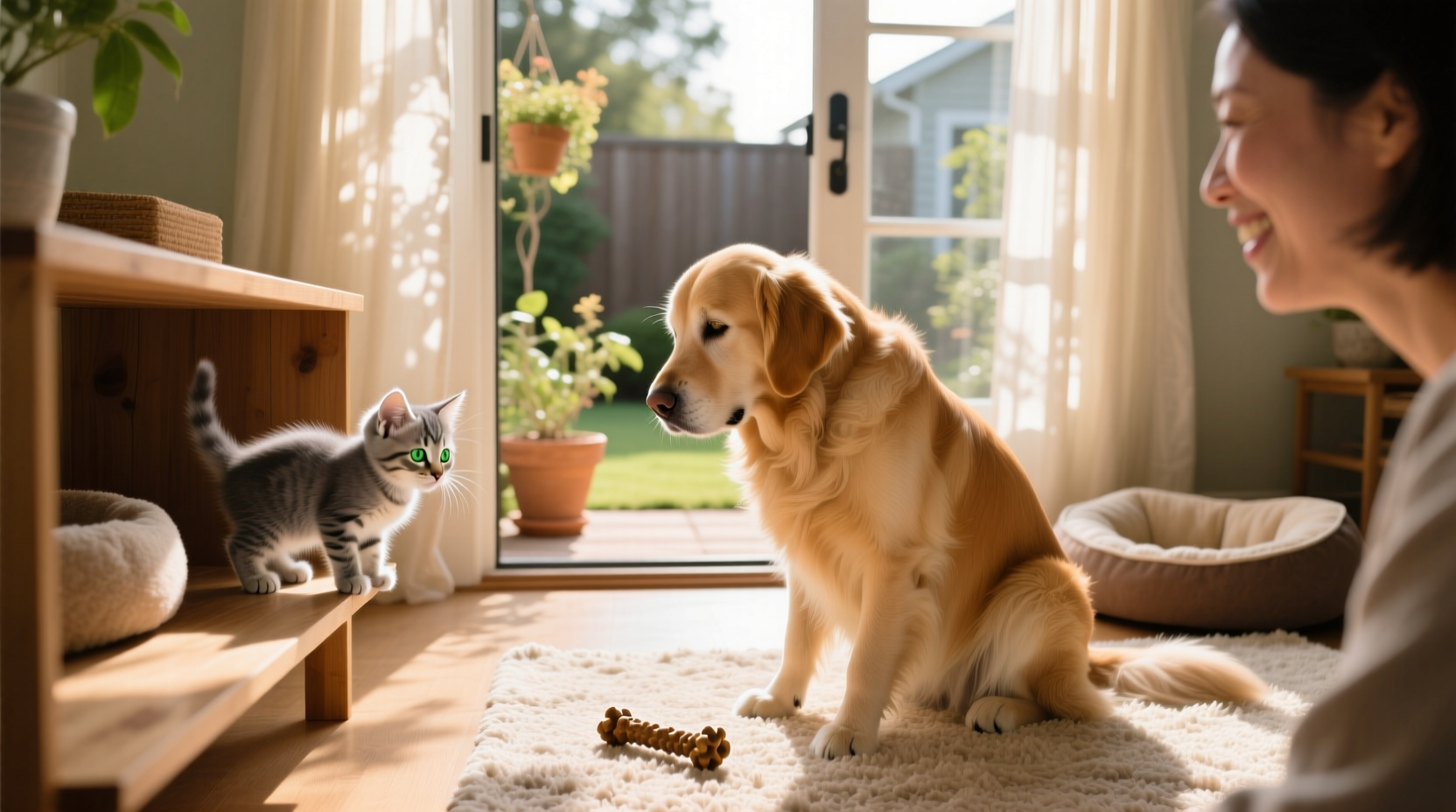
Dogs and cats communicate differently. A wagging tail in a dog often signals excitement or friendliness, while in a cat, it may indicate irritation or agitation. Similarly, a dog’s direct approach might seem threatening to a small, skittish kitten. Older dogs may have established routines and territorial instincts, making them less adaptable to sudden changes.
The key to success lies in recognizing that this isn’t about forcing interaction—it’s about creating an environment where both animals can adjust at their own pace. Stress manifests differently: a dog might become hyper-vigilant or overly excited, while a kitten may hide, hiss, or refuse to eat. Monitoring body language is essential during every phase of introduction.
“Successful pet introductions are built on controlled exposure, positive reinforcement, and time. It’s not about speed—it’s about safety.” — Dr. Rachel Nguyen, Veterinary Behaviorist
Step-by-Step Guide to a Stress-Free Introduction
Follow this timeline-based method over 7–14 days (or longer if needed). Each stage builds trust gradually and reduces the risk of negative associations.
- Preparation Phase (Days 1–2): Separate but Connected
Keep the kitten in a separate room with its own litter box, food, water, bed, and toys. This space becomes their sanctuary. Allow the dog to sniff items that carry the kitten’s scent—blankets, towels, or worn clothing—without seeing the kitten. Swap bedding between rooms so each animal gets used to the other’s smell. - Controlled Scent Exchange (Days 3–4): Building Familiarity
Use a soft brush to gently groom the kitten, then use the same brush on the dog (or vice versa) to transfer scents. Play recordings of kitten sounds near the dog’s feeding area to create positive auditory associations. Feed both animals on opposite sides of a closed door—this pairs the presence of the other with something pleasant like mealtime. - Visual Introduction (Days 5–6): Barriers First
Use a baby gate or mesh screen to allow visual contact without physical access. Keep sessions short—5 to 10 minutes—and monitor closely. If the dog remains calm and the kitten shows curiosity rather than fear, extend the duration slightly. Always end on a positive note before either animal becomes overwhelmed. - Supervised Interaction (Days 7–10): Leashed and Controlled
Place the dog on a loose leash held by a second person. Let the kitten roam freely (it should feel able to retreat). Keep the dog seated or standing calmly. Reward the dog with treats for ignoring or calmly observing the kitten. Never force proximity. If the dog lunges or barks, calmly redirect and end the session. - Gradual Freedom (Days 11+): Increasing Coexistence
As both animals remain relaxed, allow brief off-leash interactions in a confined space. Continue supervision. Provide vertical spaces (cat trees, shelves) so the kitten can escape if needed. Over time, increase shared time while maintaining separate resources (food bowls, beds, litter boxes).
Essential Checklist for a Smooth Transition
- Prepare a separate, quiet room for the kitten with all essentials
- Swap scented bedding between pets before any visual contact
- Use barriers (baby gates, screens) for first visual meetings
- Keep the dog leashed during initial face-to-face interactions
- Provide escape routes and high perches for the kitten
- Maintain separate food, water, and litter areas initially
- Monitor body language closely: flattened ears, growling, or stiff posture signal distress
- Proceed slowly—even if one animal seems eager, respect the more cautious one
- Consult a veterinarian or animal behaviorist if aggression persists
Do’s and Don’ts During Introductions
| Category | Do’s | Don’ts |
|---|---|---|
| Safety | Use baby gates or exercise pens for controlled viewing | Leave them unsupervised until fully acclimated |
| Reinforcement | Reward calm behavior with treats and soft praise | Yell or punish either animal for natural reactions |
| Environment | Offer vertical spaces for the kitten to retreat | Force the kitten to interact or handle it in front of the dog |
| Timing | Start introductions when both animals are calm and well-fed | Introduce them during high-energy times (e.g., after walks) |
| Health | Ensure both pets are healthy and up-to-date on vaccinations | Introduce a sick or stressed animal to the household |
Real-Life Example: Introducing Luna the Kitten to Max the Senior Dog
When Sarah adopted Luna, a 10-week-old tabby, she was concerned about introducing her to Max, her 9-year-old Labrador mix. Max had never lived with cats and tended to chase squirrels in the yard. Rather than assuming he’d accept the kitten, Sarah followed a strict 10-day protocol.
She set up a guest bedroom for Luna with a litter box, cozy bed, and window perch. For two days, she swapped blankets between the rooms and fed Max near the closed door while Luna ate on the other side. By day four, Max showed curiosity but no agitation when hearing Luna’s meows.
On day five, Sarah used a baby gate in the living room. Max sat calmly beside her, receiving treats for looking away. Luna cautiously approached, sniffed, then retreated—perfectly normal. After three short sessions, Sarah moved to leashed interactions. She noticed Max would stare intently, so she redirected his attention with commands like “sit” and rewarded compliance.
By day ten, Luna began grooming near Max while he dozed on the couch. Within three weeks, they were napping in the same room—Luna on the armrest, Max on the floor. Today, they share space daily, and Max even lets Luna bat at his tail without reacting.
Sarah’s success came from patience, consistency, and respecting both animals’ boundaries. “I didn’t rush,” she said. “I let them set the pace. Now they’re not just tolerant—they’re companions.”
Signs of Success and Warning Signals
Positive signs include mutual indifference, relaxed body posture, and parallel sleeping. A dog lying down instead of staring, or a kitten grooming nearby, indicates growing comfort. Over time, you may see playful bowing, gentle sniffing, or even allogrooming—though this is rare.
Warning signs require immediate intervention:
- Dog fixating, stiffening, or lunging toward the kitten
- Kitten hiding for extended periods or refusing to eat
- Hissing, growling, or swatting that escalates over time
- Excessive panting, drooling, or trembling in either animal
If aggressive behaviors persist beyond two weeks of structured introduction, consult a certified animal behaviorist. Some dogs have high prey drives that cannot be safely managed around small kittens, especially if the dog has no prior exposure to cats.
Frequently Asked Questions
How long does it take for a dog and kitten to get along?
There’s no fixed timeline. Some pairs adjust within a week; others take several months. Most reach peaceful coexistence within 3–6 weeks if introductions are handled properly. The older the dog and the younger the kitten, the longer the adjustment may take due to energy differences and territorial habits.
Can I leave my dog and kitten alone together after a few good sessions?
No. Never leave them unsupervised until they consistently show relaxed, friendly behavior over multiple days. Even seemingly calm interactions can escalate if one animal feels trapped or startled. Gradually increase supervised time and test short separations only after weeks of harmony.
My dog is scared of the kitten—what should I do?
Some older dogs are intimidated by fast-moving kittens. If your dog cowers or avoids the kitten, don’t force interaction. Let the kitten move freely while rewarding the dog for calmness. Over time, the dog will realize the kitten poses no threat. Avoid comforting a fearful dog excessively, as this can reinforce anxiety.
Final Tips for Long-Term Harmony
Even after successful integration, maintain individual spaces and resources. Cats need privacy, and dogs benefit from routine. Rotate toys to keep both engaged and prevent resource guarding. Continue positive reinforcement when they behave calmly around each other.
As the kitten grows, its playfulness may trigger the dog’s chase instinct. Redirect with toys or commands. Neutering or spaying both animals can also reduce territorial and aggressive tendencies.
Tip: Record short video clips during each introduction phase. Reviewing them helps you spot subtle stress signals you might miss in real time.Conclusion: Patience Builds Peace
Introducing a new kitten to an older dog isn’t a one-day event—it’s a relationship-building process. Every sniff, glance, and cautious step forward matters. By following structured steps, reading body language, and prioritizing safety over speed, you create the foundation for a lifelong bond.
Remember, success isn’t measured by how quickly they cuddle, but by how securely they coexist. Start today with a single step: prepare a safe room, swap a blanket, or simply observe your dog’s reaction to a new scent. Small actions lead to big changes.
💬 Have experience introducing pets? Share your story or tips in the comments—your insight could help another family achieve peace at home.








