
Bringing a new kitten into a home with an older cat can be both exciting and nerve-wracking. While kittens often appear playful and adaptable, older cats may view the newcomer as a threat to their territory, routine, or sense of security. Rushing the introduction can lead to fear, aggression, or long-term tension between pets. However, with patience, structure, and careful planning, it’s entirely possible to foster a peaceful coexistence—and even friendship—between feline housemates.
The key lies in understanding cat behavior: cats are territorial by nature, rely heavily on scent, and respond poorly to sudden changes. A successful introduction respects these instincts and progresses at a pace that minimizes stress for both animals. This guide outlines a proven, humane process that prioritizes emotional safety and builds trust gradually.
Understanding Feline Social Dynamics
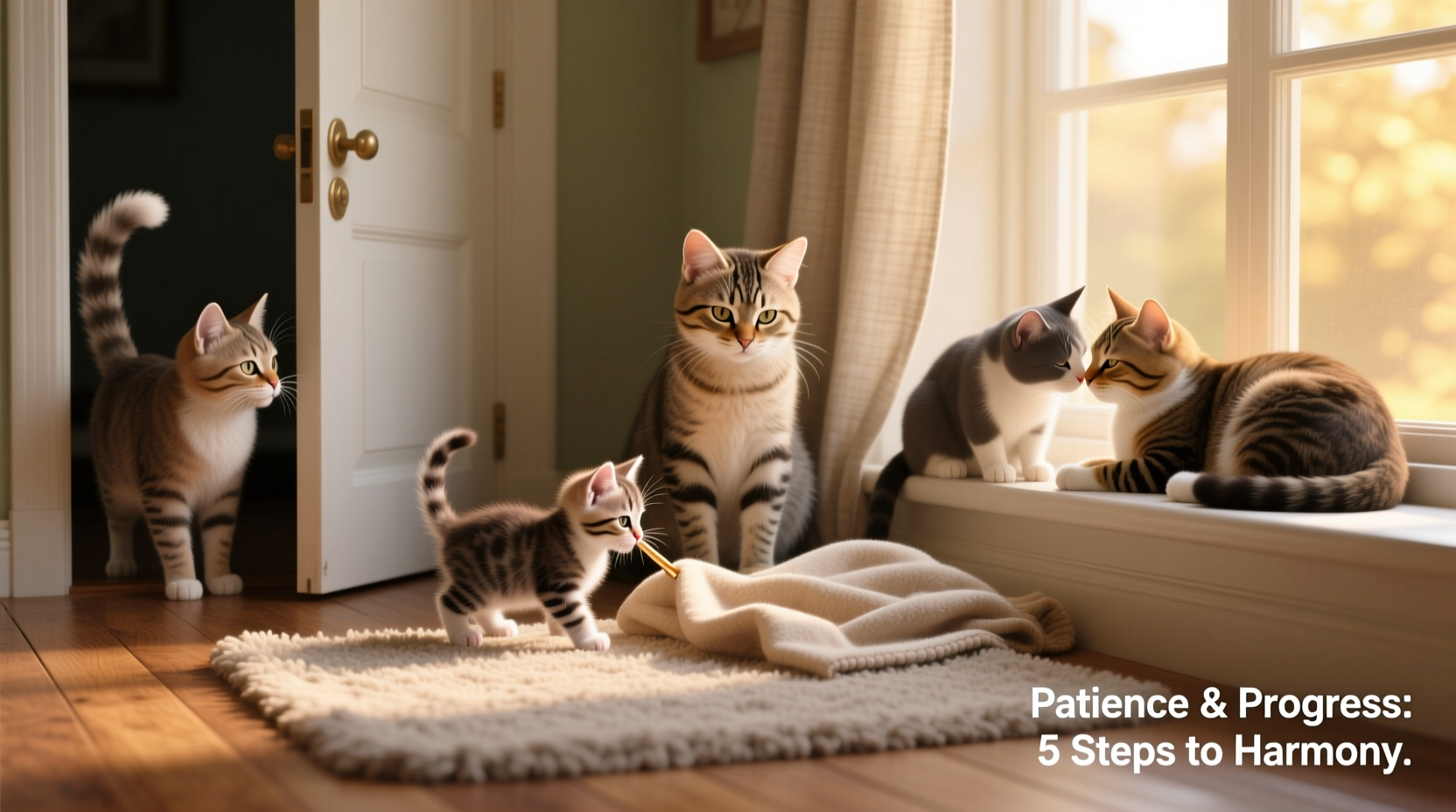
Cats are not inherently social like dogs. In the wild, they tend to live solitary lives or in loose colonies with minimal interaction. Domestication hasn’t erased this instinctual independence. When a new cat enters a household, the resident cat perceives it as an intruder invading its established environment—even if the newcomer is just a tiny, fluffy ball of energy.
Stress from improper introductions can manifest in various ways: hiding, over-grooming, litter box avoidance, hissing, swatting, or even illness due to suppressed immune function. Conversely, a well-managed transition supports emotional stability and can result in mutual grooming, shared resting spots, and playful interactions over time.
“Cats don’t generalize safety. Just because they’ve met one friendly kitten doesn’t mean they’ll accept another. Each introduction must be handled individually and respectfully.” — Dr. Sarah Ellis, Feline Behavior Scientist, University of Bristol
Step-by-Step Introduction Timeline
A structured timeline prevents overwhelm and allows both cats to acclimate emotionally and physically. The full process typically takes **7 to 14 days**, though some pairs may need longer. Never rush ahead based on impatience or optimism—progress should be guided by the older cat’s comfort level.
- Preparation Phase (Day 1): Set up a separate room for the kitten with food, water, litter box, toys, and bedding. This becomes their safe zone.
- Scent Swapping (Days 2–3): Exchange bedding or gently wipe each cat with a soft cloth, then place the scented item near the other’s resting area. Do this daily.
- Controlled Visual Contact (Days 4–5): Use a baby gate or cracked door so they can see but not touch each other. Monitor body language closely.
- Supervised Face-to-Face Meetings (Days 6–8): Allow short, leashed or barrier-separated interactions. End before any signs of tension arise.
- Gradual Freedom (Days 9+): If all goes well, allow brief off-leash time together under close supervision. Increase duration slowly.
Essential Preparation Checklist
Before the kitten arrives, ensure your home is ready to support a smooth integration. Use this checklist to prepare effectively:
- Designate a quiet room for the kitten (e.g., spare bedroom or office)
- Stock two sets of food and water bowls, litter boxes, scratching posts, and toys
- Install a baby gate or use a mesh screen door for controlled viewing
- Have pheromone diffusers (like Feliway) ready to reduce anxiety
- Prepare separate carriers for future vet visits to avoid cross-scenting issues
- Trim both cats’ claws slightly to minimize injury during potential skirmishes
- Update your older cat’s health records and schedule a wellness check
Reading Cat Body Language: What to Watch For
Successful introductions depend on interpreting subtle cues. Knowing what each posture means helps you intervene before conflict escalates.
| Body Language | Meaning | Action to Take |
|---|---|---|
| Tail held high, ears forward | Curious, calm, confident | Allow continued observation |
| Piloerection (fur standing up), arched back | Fear or defensive aggression | Separate immediately; extend scent-swapping phase |
| Hissing or growling | Threat display; feeling threatened | End session; return to previous stage |
| Slow blinking or licking lips | Relaxation or appeasement gesture | Positive sign—may proceed cautiously |
| Playful pouncing (on people/objects) | High energy, not necessarily aggressive | Redirect with wand toys; monitor around other cat |
Remember: kittens often play roughly, which can alarm older cats. What seems like aggression may simply be exuberant youth. Supervise all interactions and redirect inappropriate play with interactive toys rather than hands or feet.
Real-Life Example: Bella and Milo’s Integration
Milo, a 7-year-old tabby, had lived alone with his owner Lisa for five years. When she adopted 10-week-old Bella, he hid under the bed for two days. Instead of forcing interaction, Lisa followed a strict separation protocol. She placed Milo’s blanket in Bella’s room and rotated toys daily. By day four, Milo sniffed the blanket without retreating.
They began visual contact through a baby gate. At first, Milo stared intensely, but after being fed tuna on opposite sides of the gate, he started eating calmly while watching her. By day ten, they sat three feet apart during meals. Within three weeks, they were napping in the same room—with space between them, but no tension.
Lisa emphasized consistency: “I didn’t push them. I let Milo set the pace. Now they groom each other sometimes. It was worth every minute of waiting.”
Tip: Use interactive toys like feather wands during supervised meetings to keep both cats engaged positively and redirect excess energy.Common Mistakes to Avoid
Even well-meaning owners make errors that delay harmony. Steering clear of these pitfalls increases the chances of a smooth transition:
- Releasing the kitten too soon: Free roaming before scent acceptance leads to chasing and fear-based aggression.
- Punishing the older cat: Yelling or spraying water when hissing teaches distrust, not tolerance.
- Ignoring resource competition: Not having enough litter boxes (minimum one per cat plus one extra) causes stress and marking.
- Over-handling the kitten near the older cat: Cuddling the kitten in front of the resident cat can trigger jealousy or territorial displays.
- Assuming young = adaptable: While kittens adjust faster, they can become fearful if overwhelmed early on.
“The most successful multi-cat homes aren’t those without conflict, but those where owners recognize stress signals early and respond with empathy.” — Jackson Galaxy, Cat Behaviorist and Host of *My Cat from Hell*
Frequently Asked Questions
How long does it take for cats to get along?
There is no fixed timeline. Some cats tolerate each other within a week; others take months to form bonds. Full acceptance—such as grooming or sleeping together—can take six months or more. Focus on gradual progress, not speed.
Should I intervene if they fight?
Yes, but safely. Never use your hands. Clap loudly, toss a blanket, or use a spray bottle to break up a fight. Afterward, separate them and return to earlier introduction stages. Persistent fighting may require veterinary consultation to rule out pain or anxiety disorders.
Can I skip the separate room phase if my cats seem curious?
No. Even if curiosity is present, skipping isolation risks overwhelming the older cat and creating lasting negative associations. The separate room protects both animals and builds foundation for trust.
Support Tools and Environmental Adjustments
Your home environment plays a critical role in reducing competition and stress. Consider these enhancements:
- Feliway Diffusers: Release synthetic facial pheromones that signal safety and reduce anxiety.
- Vertical Space: Install cat shelves or tall trees so cats can observe each other from a distance while feeling secure.
- Multiple Litter Boxes: Place them in different locations to prevent guarding and ensure easy access.
- Feeding Stations: Serve meals on opposite sides of a room or on different floors to discourage competition.
- White Noise or Calming Music: Soft background sound can soothe nervous cats during initial meetings.
Additionally, maintain your older cat’s routine as much as possible. Changes in feeding times, sleeping spots, or attention levels amplify insecurity. If you’re spending extra time with the kitten, schedule dedicated play or petting sessions with the older cat to reinforce their bond with you.
When to Seek Professional Help
Most introductions succeed with time and consistency. However, professional intervention may be necessary if:
- Aggression persists beyond several weeks despite proper protocol
- The older cat stops eating, hides constantly, or develops medical issues (e.g., urinary tract infections)
- Either cat shows signs of chronic fear, such as trembling or excessive vocalization
A certified cat behaviorist or veterinary ethologist can assess the situation and recommend tailored strategies, including environmental modifications or, in rare cases, anti-anxiety medication.
Conclusion: Patience Builds Lasting Harmony
Introducing a new kitten to an older cat isn’t about forcing friendship—it’s about creating conditions where peace can grow naturally. Every sniff, glance, and relaxed moment near each other is a victory. Rushing leads to setbacks; respecting boundaries leads to trust.
By following a structured approach, reading body language carefully, and maintaining a stable environment, you give both cats the best chance to coexist comfortably. Whether they become cuddle buddies or simply tolerant roommates, your thoughtful effort lays the foundation for a harmonious home.
💬 Have you introduced a kitten to an older cat? Share your story or questions in the comments—your experience could help another cat owner navigate this journey with confidence.








