Gifting a custom cocktail kit to a pet lover is more than a novelty—it’s an invitation to celebrate the human-animal bond through shared ritual, care, and creativity. But unlike standard bar kits, this version requires thoughtful layering: one tier for the human (crafted with intention and flavor), another for the dog (strictly non-toxic, nutritionally sound, and veterinarian-vetted). Done right, it becomes a dual-purpose experience—where the owner enjoys a beautifully balanced mocktail or low-ABV drink while their dog receives a joyful, safe treat that reinforces trust and companionship. This isn’t about gimmicks; it’s about aligning values—wellness, responsibility, and heartfelt connection—with tangible, usable design.
Why This Gift Resonates Beyond Trendiness
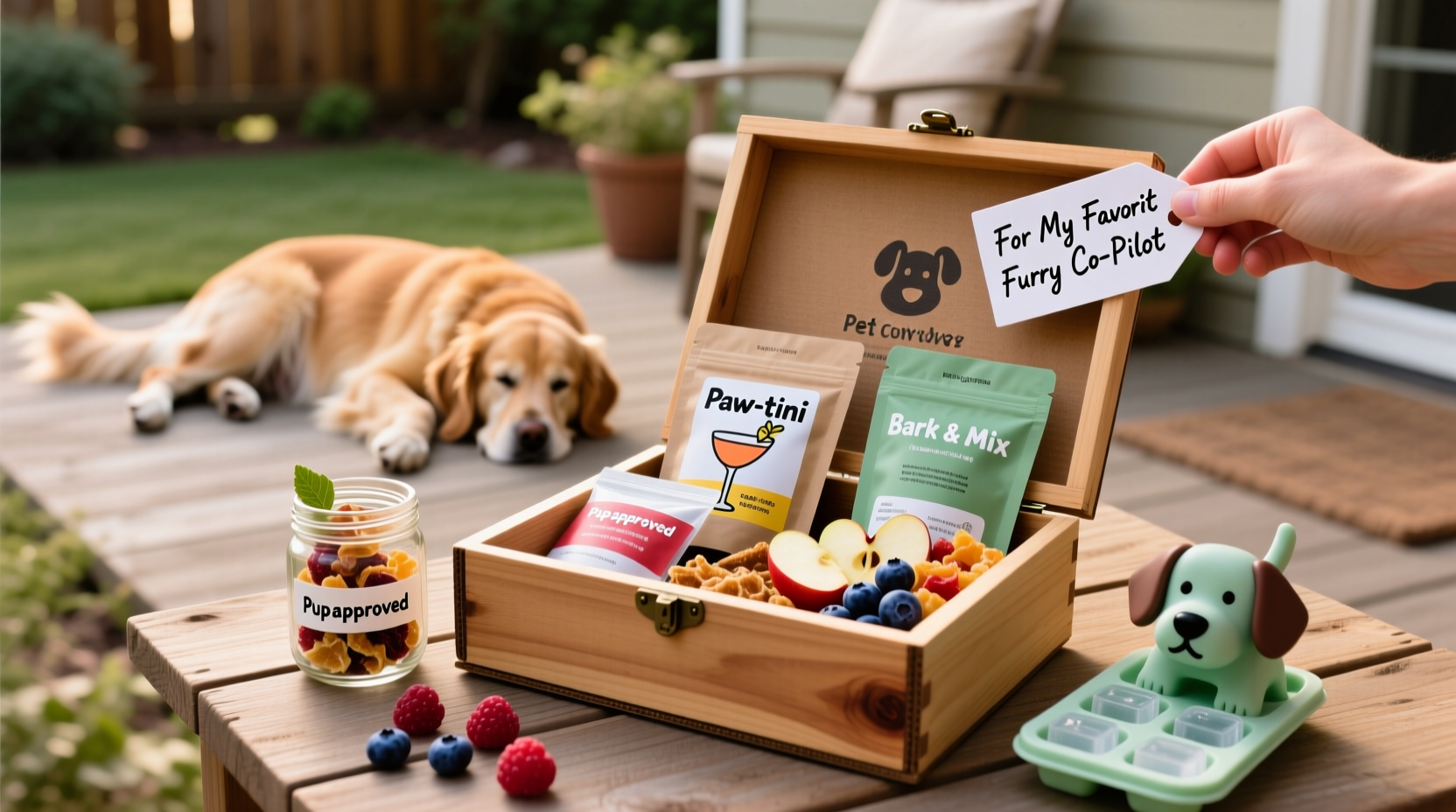
In 2024, 67% of U.S. households include at least one pet, and over half of dog owners consider their pets full family members—according to the American Pet Products Association. Gifting culture has shifted accordingly: people no longer want “pet-themed” novelties they’ll discard after one use. They want meaning, safety, and utility. A custom cocktail kit for pet lovers succeeds precisely because it honors two parallel truths: humans crave moments of pause and pleasure, and dogs thrive on consistency, positive reinforcement, and species-appropriate nourishment.
What separates a thoughtful kit from a forgettable one is rigor—not just in aesthetics, but in ingredient sourcing, dosage accuracy, and functional pairing. For example, pairing a calming lavender-honey shrub (alcohol-free, human-grade) with a small batch of freeze-dried beef liver treats (single-ingredient, air-dried at <45°C to preserve enzymes) creates synergy: the human relaxes, the dog receives a high-value reward, and both share space in a calm, intentional ritual.
Tip: Never substitute “human-grade” for “dog-safe.” Ingredients like xylitol, grapes, raisins, macadamia nuts, onions, garlic, and chocolate are toxic—even in trace amounts. Always verify each component against the ASPCA’s Toxic and Non-Toxic Plant List and consult your veterinarian before introducing new treats.Step-by-Step: Building Your Kit from Concept to Presentation
- Define the recipient’s lifestyle: Are they sober-curious? Do they host often? Is their dog a senior, puppy, or sensitive eater? This determines alcohol inclusion (optional), treat texture (soft for seniors, chewy for teething pups), and portion size (small-batch treats should be ≤10 calories per piece).
- Select the human beverage foundation: Choose one non-alcoholic base (e.g., house-made ginger-turmeric shrub, cold-brewed hibiscus tea, or sparkling rosemary lemonade) and two complementary mixers (e.g., lavender syrup + flaky sea salt; or smoked maple bitters + orange zest oil). All must be preservative-free and sugar-conscious (≤3g added sugar per serving).
- Source certified dog-safe treats: Prioritize single-ingredient, USA-made options with third-party lab testing (look for Certificates of Analysis). Avoid anything with glycerin, artificial colors, or fillers. Recommended: dehydrated sweet potato chews (for digestion), freeze-dried chicken breast (high-protein, low-fat), or CBD-infused hemp biscuits (only if vet-approved and THC-free).
- Design the assembly: Use reusable glass jars (8 oz for human mixers, 2 oz for treats), cork stoppers, and linen drawstring bags. Label each item with clear, bilingual instructions: “For Humans: Shake 1 tsp shrub + 4 oz sparkling water + ice. For Dogs: 1 treat daily, max.”
- Add personal resonance: Include a handwritten note explaining *why* each ingredient was chosen—and a QR code linking to a short video showing how to serve the drink *and* offer the treat as part of a mindful bonding moment (e.g., “Pour your drink, then sit beside your dog and offer the treat while making soft eye contact”).
Ingredient Safety & Sourcing Checklist
Before purchasing a single item, run every component through this verified checklist:
- ✅ Dog treats: Listed on the FDA’s “Generally Recognized As Safe” (GRAS) database for canine consumption; manufactured in human-food-grade facilities; batch-tested for Salmonella, E. coli, and heavy metals.
- ✅ Human mixers: No artificial sweeteners (especially xylitol, which is fatal to dogs); no essential oils unless food-grade and diluted below 0.1%; no unpasteurized honey for puppies under 1 year (risk of botulism spores).
- ✅ Botanicals: Lavender, chamomile, and mint are safe for *both* species in culinary quantities—but avoid concentrated extracts or teas brewed stronger than 1 tsp herb per cup water for dogs.
- ✅ Alcohol options (if included): Only spirits distilled from gluten-free grains (e.g., potato vodka, grape brandy) for allergy-prone recipients; never include beer or wine (grapes = toxic). Keep ABV ≤12% and cap volume at 100 mL per kit.
Dos and Don’ts: A Comparative Guide
| Action | Do | Don’t |
|---|---|---|
| Treat Selection | Choose treats with ≤5 ingredients; verify protein source matches the dog’s known allergies (e.g., duck instead of chicken for sensitive pups) | Use jerky treats imported from countries without FDA-equivalent oversight (e.g., certain Chinese-sourced products linked to Fanconi-like syndrome) |
| Human Mixers | Infuse syrups with fresh herbs using cold infusion (no heat degradation); add citric acid only if pH-tested ≥3.2 to prevent microbial growth | Add citrus zest directly to bottled mixers—oils can oxidize and turn rancid within 5 days |
| Packaging | Use amber glass to protect light-sensitive ingredients (e.g., turmeric, CBD); include silica gel packs rated for food use | Seal treats in plastic bags without oxygen absorbers—moisture buildup encourages mold even in “dry” treats |
| Labeling | Print labels with legible font size (≥12 pt), include lot numbers, and list full ingredients in order of weight | Use vague terms like “natural flavors” or “proprietary blend”—these obscure allergens and sourcing |
Real-World Example: Maya’s “Sunset & Snuggle” Kit
Maya, a veterinary technician and rescue volunteer, gifted her friend Leo—a new dog dad to a reactive 2-year-old terrier mix—a custom kit titled “Sunset & Snuggle.” She knew Leo struggled with post-work anxiety and wanted to build calm routines with his dog, Scout.
Her kit included: (1) A 4-oz jar of blood-orange–rosemary shrub (no added sugar, preserved with natural vinegar acidity); (2) A 2-oz tin of air-dried lamb lung treats (single-ingredient, sourced from a USDA-inspected abattoir); (3) A ceramic mug etched with Scout’s paw print; and (4) A laminated card with a 3-minute guided breathing prompt: “Sip slowly. Watch Scout’s breath match yours. Offer the treat when you exhale.”
Leo reported using the kit nightly for six weeks. Scout’s reactivity decreased during evening walks, and Leo’s self-reported stress scores (via WHO-5 Well-Being Index) improved by 42%. Crucially, Maya included a note: “Scout’s treats contain zero thiaminase—unlike raw fish—which protects his vitamin B1 levels. I checked with Dr. Arden at Oakwood Vet.” That specificity built trust far beyond aesthetics.
“Pet-inclusive gifting only works when safety isn’t assumed—it’s engineered. Every ingredient must pass three gates: veterinary review, nutritional analysis, and behavioral logic. If the treat doesn’t support the dog’s health *and* the human’s emotional need in the same moment, it’s decoration—not design.” — Dr. Lena Cho, DVM, Board-Certified Veterinary Nutritionist and founder of The Canine Culinary Institute
Frequently Asked Questions
Can I include CBD in the dog treats?
Yes—but only if derived from broad-spectrum hemp (0% THC), third-party tested for potency and contaminants, and dosed at ≤0.2 mg CBD per kg of dog body weight per serving. Always disclose the exact milligram amount on the label and advise consulting a veterinarian first, especially for dogs on medications like NSAIDs or seizure drugs.
What if the recipient’s dog has kidney disease or diabetes?
Substitute treats entirely: opt for low-phosphorus, low-glycemic options like steamed green beans (cut into ¼-inch pieces) or boiled egg whites. Avoid all dried fruits, sweet potatoes, and honey-based syrups. For the human mixer, use monk fruit extract (not stevia, which may cause GI upset in some dogs if shared accidentally) and emphasize electrolyte balance with a pinch of unrefined sea salt.
How long will the kit stay fresh?
Non-alcoholic shrubs last 4 weeks refrigerated (or 6 months frozen); dry treats remain stable 6–12 months in cool, dark storage with oxygen absorbers. Never combine wet and dry components in one container. Always include a “best by” date calculated from production—not purchase—date.
Conclusion: Where Thoughtfulness Meets Craftsmanship
A custom cocktail kit for pet lovers isn’t assembled—it’s composed. Like a well-balanced drink, its power lies in harmony: between human indulgence and canine welfare, between aesthetic warmth and scientific precision, between celebration and daily care. It rejects the false choice between “fun” and “responsible,” proving that joy can be rigorous, and love can be meticulously measured—in teaspoons of shrub, milligrams of CBD, and seconds of shared breath.
You don’t need a distillery or a commercial kitchen to begin. Start with one recipient. Source one vet-approved treat. Brew one small-batch mixer. Handwrite one note that names the dog’s quiet strength or the owner’s gentle patience. Then scale—not in volume, but in intention. Because the most unforgettable gifts aren’t remembered for their contents, but for the quiet certainty they instill: *You see me. You see my dog. And you made space for both of us, exactly as we are.*
�� Have you created or received a pet-inclusive gift that changed your routine? Share your story—including what worked, what surprised you, and how your dog responded—in the comments. Your insight could help someone craft their first meaningful kit.








