
A full, well-groomed beard is often seen as a symbol of masculinity, maturity, and personal style. But for many men, achieving that ideal look comes with challenges—especially when patchy beard growth stands in the way. Whether you're dealing with sparse areas on your cheeks, weak chin coverage, or uneven density, you're not alone. Genetics, hormones, lifestyle habits, and skincare routines all play a role in how your facial hair develops.
The good news? You don’t need invasive procedures or expensive serums to make meaningful improvements. With consistent effort and the right natural strategies, it’s possible to encourage thicker, more even beard growth. This guide dives into science-backed methods, daily grooming practices, and holistic lifestyle adjustments that support healthy follicle development and optimal beard appearance.
Understanding Why Beards Grow Patchy
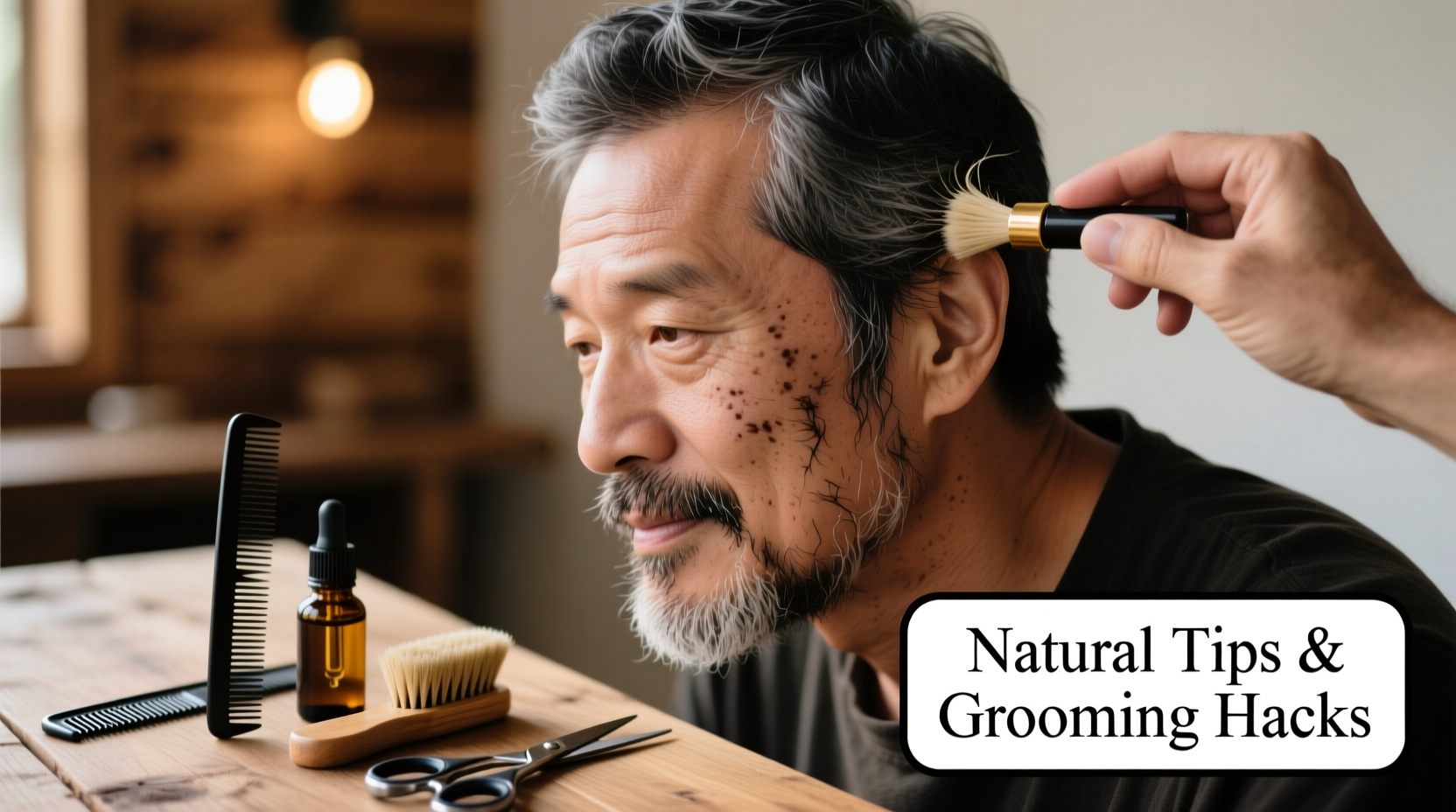
Patchiness isn’t always a sign of poor health—it can be completely normal. Facial hair distribution varies widely among individuals due to several key factors:
- Genetics: Your DNA largely determines where and how thickly facial hair grows. Some ethnic backgrounds naturally have sparser beards.
- Hormonal Levels: Testosterone and its derivative dihydrotestosterone (DHT) stimulate beard growth. Low levels or reduced sensitivity to these hormones may slow growth.
- Age: Many men under 30 haven’t reached their full beard potential. Growth often improves into the mid-30s.
- Skin Health: Clogged pores, inflammation, or scarring from acne can inhibit hair follicles.
- Nutrition & Lifestyle: Deficiencies in key nutrients like biotin, zinc, and vitamin D can impair hair development.
“Beard growth is highly individual. What looks like a ‘problem’ at 25 might resolve naturally by 35 with no intervention.” — Dr. Rajiv Mehta, Dermatologist & Hair Specialist
Before seeking drastic solutions, give your body time. Most men see significant improvement in beard density between ages 25 and 35. However, proactive care can accelerate progress and maximize your genetic potential.
Natural Tips to Encourage Thicker Beard Growth
While you can't change your genes, you can influence your environment—both internal and external—to support better hair growth. These natural methods focus on nourishing follicles, increasing circulation, and optimizing hormone balance.
1. Improve Your Diet for Hair Health
Facial hair is made of keratin, a protein that requires specific nutrients to grow strong and resilient. Prioritize foods rich in:
- Protein: Eggs, lean meats, legumes, and Greek yogurt provide building blocks for hair.
- Zinc: Found in oysters, pumpkin seeds, and beef; supports cell reproduction and hormone production.
- Biotin (Vitamin B7): Eggs, nuts, sweet potatoes—linked to improved hair strength and growth.
- Vitamin D: Sunlight exposure, fatty fish, fortified dairy—plays a role in follicle cycling.
- Omega-3 Fatty Acids: Salmon, flaxseeds, chia seeds—reduce inflammation and moisturize skin beneath the beard.
2. Massage Your Face Daily
Gentle facial massage increases blood flow to hair follicles, delivering oxygen and nutrients essential for growth. It also helps break down micro-scarring from past acne, which can block hair emergence.
Use fingertips or a jade roller for 3–5 minutes daily, focusing on thin areas. Apply light pressure in circular motions along the jawline, cheeks, and mustache zone.
3. Use Natural Oils That Support Growth
Certain carrier and essential oils have been studied for their ability to improve hair health:
- Castor Oil: High in ricinoleic acid, known for anti-inflammatory properties and stimulating circulation.
- Jojoba Oil: Mimics skin’s natural sebum, preventing dryness and clogged pores.
- Rosemary Oil: A 2015 study found it performed comparably to minoxidil in promoting hair growth, without the side effects.
- Peppermint Oil: Shown in animal studies to increase dermal thickness and follicle depth.
Mix 2–3 drops of rosemary or peppermint oil with a tablespoon of jojoba or castor oil. Apply every other night, massaging into problem areas.
Grooming Hacks to Minimize the Look of Patchiness
Even if your beard doesn’t grow evenly yet, smart grooming can create the illusion of fullness and keep your facial hair looking intentional and stylish.
Keep a Consistent Trim
Regular shaping prevents split ends and maintains clean lines, making sparse spots less noticeable. Use sharp trimmers and follow the direction of hair growth to avoid irritation.
Grow It Out Strategically
Sometimes, short beards highlight patchiness. Letting your beard grow slightly longer (½ inch to 1 inch) can help bridge gaps visually. Once you reach this length, shape it into a defined goatee or extended mustache to draw attention away from weak zones.
Style with Beard Balm or Wax
These products add texture and hold, allowing you to train hairs to lie flat and fill in spaces. For example, brushing cheek hairs downward can cover a patch near the jawline.
| Hack | How It Helps | Frequency |
|---|---|---|
| Daily brushing with boar bristle brush | Distributes oils, trains hair direction, exfoliates skin | Once or twice daily |
| Nightly oil treatment | Nourishes follicles, reduces itch, improves shine | Every evening |
| Weekly deep exfoliation | Removes dead skin, prevents ingrown hairs | 1–2 times per week |
| Trim every 2–3 weeks | Maintains shape, removes damage, encourages even growth | Biweekly |
Step-by-Step Routine to Fix Patchy Beard Growth (8-Week Plan)
Consistency is key. Follow this structured plan to build healthy habits that support visible improvement over two months.
- Week 1–2: Reset & Assess
- Stop shaving and let your beard grow out completely.
- Take a clear photo in good lighting to document current coverage.
- Begin daily facial massage and start using jojoba oil nightly.
- Evaluate your diet—add one new hair-supportive food each day.
- Week 3–4: Activate Follicles
- Incorporate rosemary essential oil into your oil blend (2 drops per tsp carrier oil).
- Start gentle exfoliation with a soft scrub or washcloth 2x/week.
- Brush beard upward first, then downward to lift flat hairs and create volume.
- Ensure 7–8 hours of sleep nightly—growth hormone peaks during deep rest.
- Week 5–6: Optimize Lifestyle
- Add strength training 3x/week—resistance exercise boosts testosterone.
- Reduce alcohol and sugar intake, both linked to hormonal imbalance.
- Stay hydrated—dry skin hinders hair emergence.
- Continue massaging and oiling; assess early changes in texture or density.
- Week 7–8: Refine & Style
- Trim stray or overly long hairs to create a balanced shape.
- Introduce beard balm for control and added shine.
- Re-take your progress photo under the same conditions.
- Compare results and adjust routine based on what’s working.
Mini Case Study: From Patchy to Proud
James, a 28-year-old graphic designer, struggled with a patchy beard for years. His cheeks had barely any growth, and he avoided growing facial hair because it looked uneven. After researching natural methods, he committed to an 8-week plan similar to the one above.
He started with dietary changes—adding eggs, nuts, and salmon to his meals—and began nightly applications of a rosemary-jajoba oil blend. He massaged his face daily and brushed his beard twice a day with a boar bristle brush.
By week six, he noticed darker, coarser hairs emerging in previously bare spots. At eight weeks, after shaping his beard into a short boxed style, friends commented on how “full” his beard looked. While not 100% uniform, the overall appearance was dramatically improved. James continues the routine today, now at nine months of consistent care, and has achieved near-complete coverage.
Common Mistakes That Worsen Patchiness
Avoid these pitfalls that can sabotage your progress:
- Over-washing: Stripping natural oils leads to dry skin and brittle hair.
- Pulling or Twisting Hairs: Can damage follicles and cause temporary loss.
- Using Harsh Chemicals: Alcohol-based gels or cheap dyes irritate sensitive facial skin.
- Impatience: Giving up too soon—most regimens take 8–12 weeks to show results.
- Ignoring Skin Health: Treating acne improperly can leave scars that block future growth.
“Many men come to me frustrated with their beards, only to realize they’re accidentally harming their follicles with aggressive grooming.” — Dr. Lena Torres, Trichology Consultant
FAQ: Your Patchy Beard Questions Answered
Can I grow beard in completely bald spots?
If the area has never grown hair and isn’t scarred, there’s a chance it will fill in with age or improved health. However, truly inactive follicles due to genetics may not respond. In such cases, styling around the patch or considering micropigmentation (tattooing) are alternatives.
Does minoxidil work for beards?
Some men use topical minoxidil (Rogaine) off-label for beard growth. Studies show mixed results, with modest improvements possible after 16–24 weeks. However, side effects like scalp shedding, facial swelling, or dependency (hair loss upon stopping) are concerns. Natural methods are safer for most.
How long should I wait before deciding my beard won’t fill in?
Most dermatologists recommend waiting until age 30 before concluding your beard has plateaued. Significant changes can occur between 25 and 30 due to hormonal maturation.
Final Checklist: Are You Doing Everything Right?
Use this quick checklist to evaluate your current routine:
- ☑ Eat protein-rich, nutrient-dense meals daily
- ☑ Massage face for 3–5 minutes each day
- ☑ Apply natural oils (jojoba + rosemary) every night
- ☑ Exfoliate beard area 1–2 times per week
- ☑ Brush beard with proper technique (up, then down)
- ☑ Trim every 2–3 weeks for neatness
- ☑ Get 7+ hours of quality sleep nightly
- ☑ Exercise regularly, especially weight training
- ☑ Avoid touching or pulling at facial hair
- ☑ Track progress with monthly photos
Conclusion: Patience and Care Build the Best Beards
A patchy beard doesn’t define your potential. With informed care, consistency, and realistic expectations, most men can significantly improve their facial hair’s thickness and appearance. The journey isn’t about perfection—it’s about progress. Small daily actions compound into visible transformation over time.
💬 Ready to transform your beard? Start tonight: pick one tip from this guide—whether it’s a facial massage, a new oil, or a diet tweak—and commit to it for 30 days. Share your goals or experiences in the comments below and join others on the path to a healthier, fuller beard.








