
Military dog tags are more than just pieces of metal—they carry critical identification information for service members in the field, during emergencies, or in medical situations. Whether you're an active-duty personnel, a veteran, or a family member helping a loved one manage their gear, losing track of dog tags can be stressful. Unlike standard accessories, these tags serve a vital function beyond symbolism. Fortunately, locating them doesn’t have to be complicated. With a methodical approach and awareness of common storage patterns, you can recover misplaced dog tags efficiently.
Understanding the Importance of Military Dog Tags
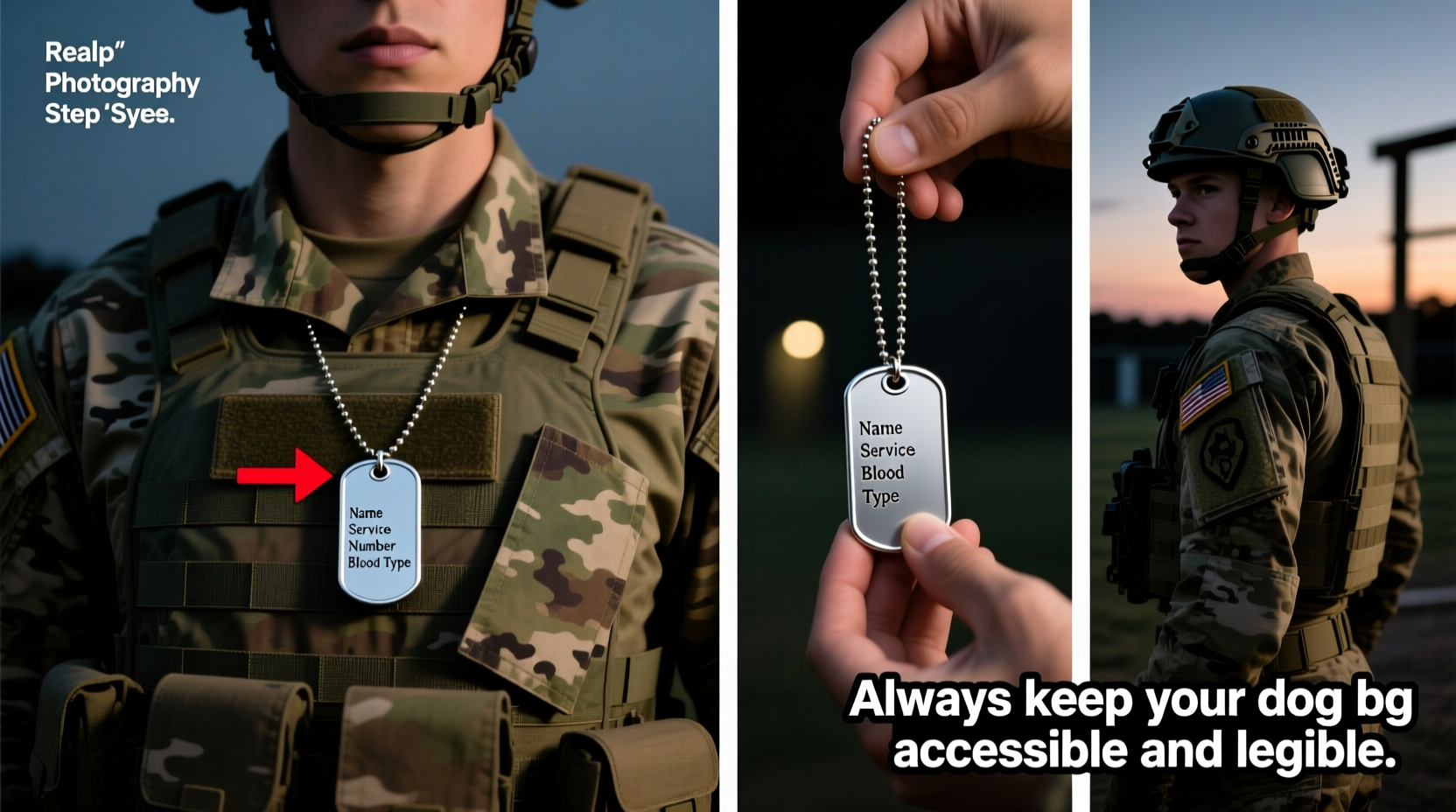
Military dog tags were first standardized during World War I to ensure rapid identification of injured or fallen soldiers. Today, they remain essential for emergency responders, medics, and base personnel. Each tag typically includes the wearer’s name, blood type, Social Security number (or DoD ID), and religious preference. In high-pressure environments, these details can save lives.
Losing your dog tags doesn’t just mean misplacing a keepsake—it could compromise your ability to receive proper medical care or delay administrative processes. That’s why swift recovery is crucial. The good news is that most lost dog tags aren’t truly “lost” in the permanent sense; they’re usually misplaced in predictable locations tied to daily routines.
“Dog tags are part of a soldier’s identity kit. Their absence on base can trigger protocol checks, but off-base losses are often recoverable with systematic searching.” — Master Sergeant Daniel Reeves, U.S. Army Retired
Step-by-Step Guide to Locating Your Military Dog Tags
Finding your dog tags requires patience and logic. Follow this timeline-based process to increase your chances of recovery:
- Recall the Last Known Location
Start by mentally retracing your steps from the past 24–72 hours. When did you last wear or handle the tags? Were you changing clothes, exercising, or unpacking gear? Pinpointing the last confirmed moment helps narrow the search area. - Check Immediate Personal Spaces
Inspect areas where you typically remove personal items:- Pockets of recently worn uniforms or civilian clothing
- Bathroom counters or nightstands
- Gear bags, footlockers, or wall organizers
- Under mattresses or between couch cushions
- Expand to High-Traffic Zones
Move outward from your personal space to shared or transitional areas:- Gyms or fitness centers (check benches, lockers, showers)
- Vehicles (under seats, in cup holders, glove compartments)
- Workstations or desks at base facilities
- Laundry rooms or washers/dryers
- Contact Facilities and Personnel
If you suspect loss in a public or military facility:- Visit the lost-and-found office at your base
- Notify gym staff, medics, or unit supply sergeants
- Ask roommates or squad members if they’ve seen them
- Re-evaluate Storage Habits
If the tags remain missing, consider whether they were stored in an unusual place—such as a safe deposit box, memorial display, or with another family member. Misfiling during cleaning or relocation is common.
Common Mistakes That Delay Recovery
Many service members unknowingly hinder their search due to habits or assumptions. Avoid these pitfalls:
| Mistake | Why It’s Problematic | What to Do Instead |
|---|---|---|
| Assuming they’re stolen | Leads to panic and skips basic checks | Begin with a calm, thorough physical search |
| Waiting too long to act | Tags may be moved or discarded | Start searching within 24 hours |
| Not asking for help | Others may have seen or picked up the tags | Inform close contacts and file a report if on base |
| Overlooking small spaces | Dog tags are compact and can slip into tight gaps | Use a flashlight to inspect under furniture and inside drawers |
Real Example: Recovering Dog Tags After Field Training
Sergeant Elena Torres returned from a weekend field exercise only to realize her dog tags were missing. She remembered wearing them during live-fire drills but couldn’t recall removing them. Initially worried they’d been lost in the training woods, she followed a structured approach.
She began by checking her duffel bag and found one tag tucked in a side pocket. For the second, she contacted the range safety officer, who checked the equipment return station. Within two days, a junior private turned in a single dog tag found near the hydration station. The tags had detached when Torres adjusted her helmet strap and fell unnoticed.
This case highlights how procedural follow-up—not just memory—leads to success. No advanced tools were needed, just persistence and communication.
Prevention Checklist: Keep Your Dog Tags Secure
Once recovered, prevent future loss with these proactive measures:
- ✅ Designate a consistent storage spot (e.g., bedside tray or uniform hanger)
- ✅ Attach tags to a secure chain or breakaway cord when worn
- ✅ Register with your unit’s gear accountability system
- ✅ Take a photo of your tags for digital backup and verification
- ✅ Inform a trusted contact of your storage location
Frequently Asked Questions
Can I request replacement dog tags if mine are lost?
Yes. Active-duty personnel can obtain replacements through their unit’s admin office or Personnel Support Detachment (PSD). You’ll need to provide your DoD ID and complete a DD Form 2145-1. Veterans can request duplicates via the National Archives or VA services, though availability depends on status and documentation.
Are digital copies of dog tags acceptable?
No. While smartphones and digital IDs are convenient, official military operations still require physical tags in combat or emergency settings. Digital photos should only serve as backups for reordering, not substitutes.
What if my dog tags were lost during deployment?
If lost overseas or in a combat zone, report the incident immediately to your chain of command. A temporary replacement will be issued, and the loss documented for security review. Units often conduct sweep searches in shared areas like barracks or transport vehicles.
Final Steps and Moving Forward
Finding your military dog tags is often a matter of retracing habits and leveraging support systems. Most disappearances result from routine oversights, not theft or destruction. By acting quickly, staying organized, and using both personal and institutional resources, recovery is highly likely.
Remember, these tags represent more than identification—they symbolize duty, service, and personal history. Treat them with the care they deserve. If you’ve recently lost yours, begin your search today using the steps outlined here. And if you succeed, take a moment to establish a reliable storage habit to prevent future issues.
💬 Have a story about recovering your dog tags or a tip others should know? Share your experience in the comments to help fellow service members stay prepared.








