Losing a pet is one of the most distressing experiences a pet owner can face. Yet, many lost dogs are never reunited with their families—not because they weren’t found, but because there was no way to identify them. A simple dog tag with a visible, legible number can make all the difference. While microchips are valuable, they require a scanner and a trip to a vet or shelter. A collar tag, on the other hand, provides instant access to critical information. Knowing how to find your dog’s tag number—and ensuring it’s always accessible—can mean the difference between a joyful reunion and a heartbreaking loss.
Why Your Dog’s Tag Number Matters
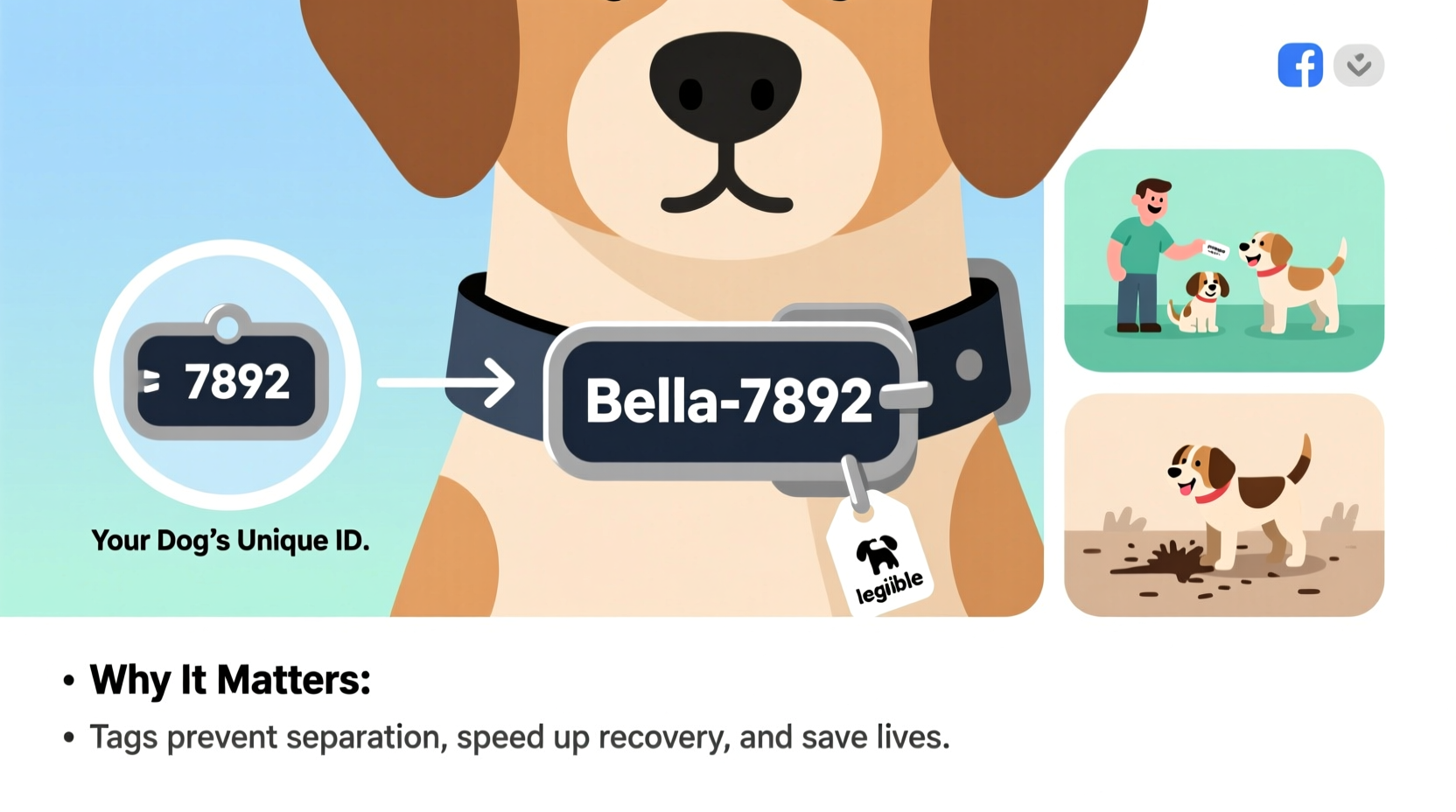
Dog tags serve as the first line of defense in reuniting lost pets with their owners. Unlike microchips, which are internal and invisible, tags are external and immediately readable by anyone who finds your dog—whether it’s a neighbor, postal worker, or passerby. A well-maintained tag includes essential contact details, often a phone number or registration ID linked to an online database.
The tag number may be a direct phone number, a unique ID from a pet recovery service, or even a QR code that links to your pet’s profile. When someone finds your dog, they don’t need special tools or training—they just read the tag and call you. This immediacy drastically increases the chances of a quick return.
“Over 70% of lost dogs without identification never make it back home. A simple tag can change that statistic overnight.” — Dr. Laura Simmons, Veterinary Behaviorist and Animal Welfare Advocate
How to Locate Your Dog’s Tag Number: A Step-by-Step Guide
Finding your dog’s tag number should be a straightforward process. However, if you’ve recently adopted a dog, received a new tag, or simply haven’t checked in a while, here’s how to locate it quickly and accurately:
- Check Your Dog’s Collar: Gently lift your dog’s collar and inspect both sides of the tag. Most tags are double-sided, with owner information on one side and medical notes (like “rabies vaccinated”) or a registry ID on the other.
- Read All Text Clearly: Look for numbers, especially sequences that resemble phone numbers, license IDs, or alphanumeric codes. These are typically your primary tag identifiers.
- Look for QR Codes or URLs: Some modern tags include scannable QR codes or web addresses (e.g., “findmydog.pet/ABC123”). The unique string at the end is your dog’s digital tag number.
- Check Registration Documents: If the tag is missing or worn out, refer to any paperwork from your local animal control, vet, or pet recovery service. These documents usually list the official tag number.
- Contact Your Microchip Provider: Even if your dog has a microchip, the registration often includes a physical tag number. Call the company or log into your account to verify.
Common Challenges and How to Overcome Them
Even with a tag, problems arise when the number isn’t legible or up to date. Here are frequent issues and practical solutions:
- Faded or Worn Engraving: Over time, tags get scratched, rusted, or corroded. Replace them every 1–2 years or sooner if text becomes hard to read.
- Incorrect or Outdated Information: Moving? Changed your phone number? Update your tag immediately. Many registries allow instant updates online.
- Tags That Fall Off : Use secure, split-ring attachments or opt for tags with built-in locking mechanisms. Consider engraving contact info directly onto the collar if your dog frequently loses tags.
- Silent Tags: Some tags only display a registration ID without a phone number. Ensure the public can easily look up the number through a free online portal or toll-free hotline.
Best Practices for Maintaining Effective Dog Tags
A tag is only useful if it’s readable, current, and attached. Follow these best practices to ensure your dog’s identification stays effective:
| Practice | Why It Matters | Action Step |
|---|---|---|
| Use durable metal tags | Resists wear, weather, and chewing | Choose stainless steel or aluminum over plastic |
| Include at least one phone number | Enables immediate contact | Use a mobile number you always carry |
| Add a secondary contact | Backup if you’re unreachable | Engrave a trusted friend or family member’s number |
| Update info within 48 hours of changes | Prevents delays in reunions | Set calendar reminders after moving or changing numbers |
| Pair with a microchip | Provides permanent ID if collar comes off | Register chip and keep details current |
Real-Life Example: How a Tag Number Saved a Lost Dog
In 2022, a three-year-old Labrador named Max wandered out of his yard during a thunderstorm in rural Ohio. He was found two miles away by a farmer who noticed the dog had a bright red tag glinting in the morning sun. Though the phone number was partially scratched, the tag displayed a unique ID: “PETNET-7X9M2”. The farmer typed the ID into a pet recovery website and found Max’s owner, Sarah, within minutes. She updated her contact info just two weeks prior—something she did routinely after reading about pet safety online. Max was home by lunchtime.
This case underscores two key points: even partial tag information can lead to recovery, and consistent maintenance of details saves lives.
Essential Checklist: Keeping Your Dog’s Tag Number Accessible
Use this checklist monthly to ensure your dog’s identification is always ready:
- ✅ Inspect the tag for readability and damage
- ✅ Verify that phone numbers and IDs are current
- ✅ Confirm your registration with the tag provider is active
- ✅ Test QR codes or URLs to ensure they redirect correctly
- ✅ Check that the collar and ring are secure and not rusted
- ✅ Store a digital copy of the tag image in your phone or email
Frequently Asked Questions
Can I use my dog’s microchip number as the tag number?
Yes, and it’s highly recommended. You can have your dog’s microchip number engraved on their tag. Just ensure the microchip registry is up to date so anyone who calls the number can reach you.
What if my dog loses their tag?
Act immediately. File a report with your local shelters and the tag provider, update your pet’s status online if applicable, and replace the tag within 24 hours. In the meantime, keep your dog indoors or on a leash until re-identified.
Do all dog tags need to have a number?
Legally, requirements vary by location. Some cities mandate licensing tags with official numbers. Regardless of law, any identifying number—especially a contact number—greatly improves recovery odds.
Final Thoughts: A Small Tag, A Lifesaving Tool
Your dog’s tag number might seem like a minor detail, but it carries immense weight when your pet goes missing. It transforms a stray dog into someone’s beloved companion in the eyes of a stranger. The effort required to maintain it is minimal—just a few minutes every few months—but the payoff can be immeasurable.
Don’t wait until your dog is lost to check their tag. Make it part of your routine, like refilling food bowls or scheduling vet visits. A clear, accurate, and visible tag number isn’t just responsible ownership—it’s an act of love and preparedness.
🚀 Take action today: Go outside, call your dog, and check their tag. If it’s faded, outdated, or missing, order a new one now. Your future self—and your dog—will be grateful.








