Birdwatching is a peaceful pastime that brings joy to millions. But when squirrels turn your carefully stocked bird feeder into an all-you-can-eat buffet, the experience quickly sours. The good news: you don’t need to harm or trap these clever rodents to protect your birds’ food. With thoughtful planning, strategic design choices, and a few clever tricks, you can keep squirrels at bay while still welcoming feathered visitors. This guide outlines proven, humane methods that respect wildlife and preserve the balance of your backyard ecosystem.
Why Squirrels Target Bird Feeders
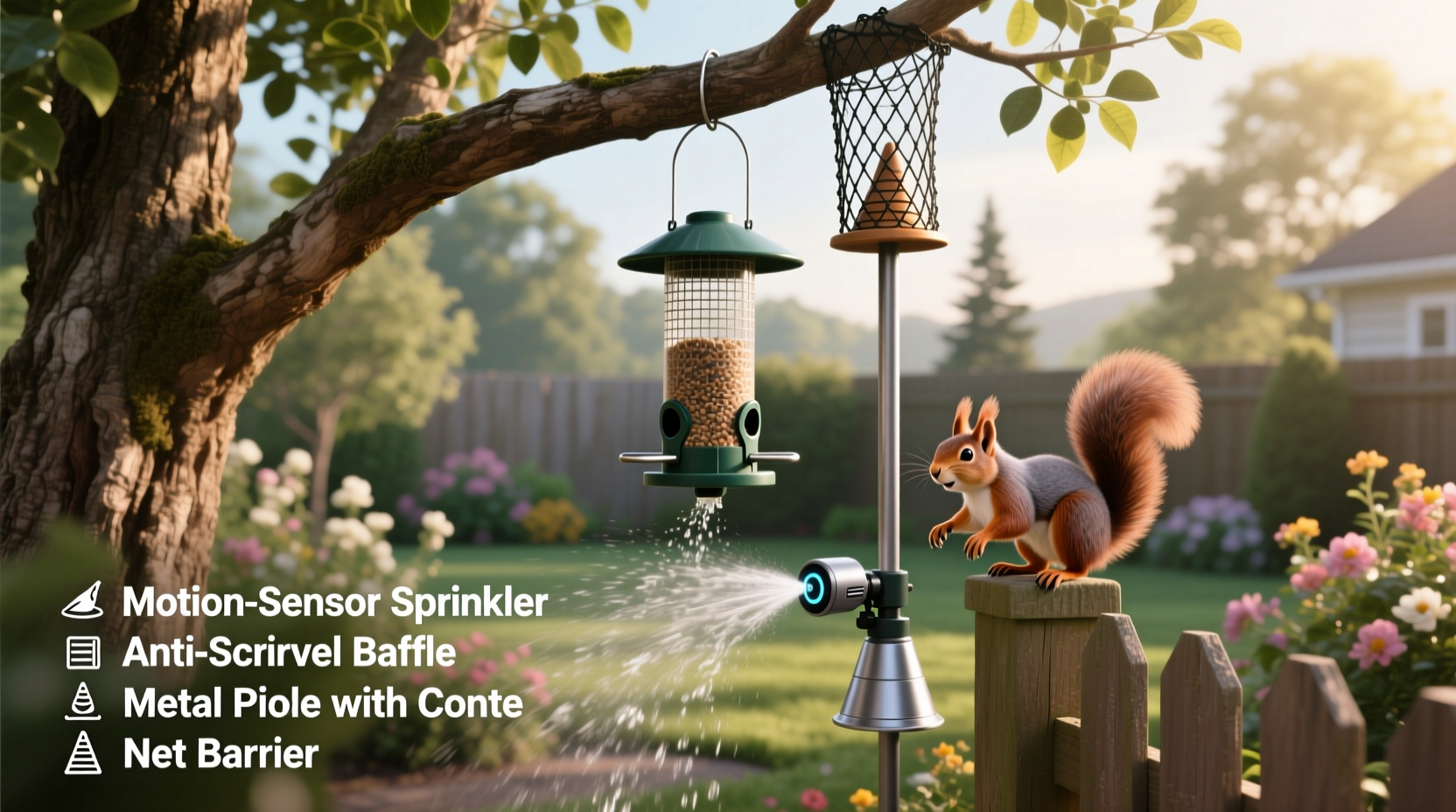
Squirrels are intelligent, agile foragers with excellent memories. They remember where food sources are located and return reliably—especially in winter when natural foods like nuts and seeds become scarce. Birdseed, particularly sunflower and safflower varieties, is rich in fats and proteins, making it highly attractive to squirrels. Once one discovers a feeder, others often follow through scent trails and observation.
While their persistence can be frustrating, it’s important to recognize that squirrels aren’t acting maliciously. They’re simply surviving. The goal isn’t to eliminate them but to redirect their behavior using non-lethal, environmentally responsible strategies.
“Squirrels are problem-solving animals. If you give them a challenge, they’ll find a way around it—so your solution needs to be smarter, not harsher.” — Dr. Laura Simmons, Urban Wildlife Biologist
Strategic Feeder Placement and Height
Location is one of the most overlooked yet powerful tools in squirrel deterrence. A poorly placed feeder invites acrobatic raids. A well-placed one can discourage access altogether.
Begin by assessing your yard’s layout. Squirrels leap up to 5 feet vertically and 10 feet horizontally. They also climb trees, fences, and downspouts to reach feeders. To disrupt this, position your feeder with the following guidelines:
- At least 10 feet away from any structure or tree trunk.
- Mounted on a freestanding pole rather than hanging from a branch or porch.
- At least 5 feet off the ground—but not more than 6 feet, as higher mounts can encourage longer jumps.
A metal pole with a smooth surface (such as galvanized steel) is ideal. Avoid wooden posts, which are easier to climb. For extra protection, install a baffle—a dome-shaped or cylindrical shield—on the pole below the feeder.
Tip: Use a shepherd’s hook pole with a built-in baffle system. These are widely available and easy to assemble.The Role of Baffles: How They Work
Baffles are physical barriers that block climbing animals. There are two main types:
- Dome baffles: Placed above or below the feeder, they prevent access from above or below. Dome baffles under the feeder are especially effective when mounted on poles.
- Cylindrical baffles: Tubular shields that encircle the pole. When properly sized and installed, squirrels slide off when trying to climb past.
For maximum effectiveness, ensure the baffle is installed at least 4 feet off the ground and extends 18 inches beyond the feeder in all directions if used overhead.
Choosing the Right Feeder Design
Not all bird feeders are created equal when it comes to squirrel resistance. Some are designed specifically to close under weight, while others use materials or mechanisms that thwart rodent access.
Weight-sensitive feeders shut access ports when heavier animals (like squirrels) land on perches. Most birds weigh less than 3–4 ounces, while gray squirrels average 12–20 ounces. Look for models with adjustable tension settings so you can fine-tune sensitivity.
Cage-style feeders surround the seed compartment with metal mesh. The openings are large enough for birds to reach through but too small for squirrels’ paws. These work exceptionally well with finches, chickadees, and nuthatches.
| Feeder Type | Squirrel Resistance | Best For | Limits |
|---|---|---|---|
| Weight-activated dome | High | Cardinals, jays, doves | May exclude larger birds if set too sensitive |
| Cage feeder (½” mesh) | High | Small songbirds | Not suitable for larger species |
| Hopper with roof guard | Moderate | General use | Squirrels may chew through plastic |
| Tube feeder (no cage) | Low | Birds only in squirrel-free zones | Easily raided |
Investing in a high-quality, durable feeder made of metal or heavy-duty polycarbonate pays off over time. While plastic models are cheaper, squirrels can chew through them within days.
Natural Deterrents and Seed Selection
What you put in your feeder matters. Certain seeds are less appealing to squirrels, giving you another layer of defense.
Safflower seed is a top choice. It has a bitter taste that squirrels dislike, but cardinals, chickadees, and grosbeaks love it. While some squirrels may eventually sample it, they typically move on after a few tries. Nyjer (thistle) seed is another option favored by finches but rarely touched by squirrels due to its small size and low fat content.
Avoid corn, peanuts in shells, and mixed seed blends containing milo or wheat—these are squirrel favorites. Even “squirrel-resistant” blends often include ingredients that attract them.
Tip: Mix cayenne pepper with birdseed to repel squirrels. Birds lack capsaicin receptors, so they won’t feel the heat, but mammals will avoid it.This method is safe and temporary. Reapply after rain or every few days as the scent fades. Note: Do not use chili oil or wax, as these can irritate animals’ eyes and noses.
Using Scent and Taste Repellents
Commercial repellents often contain natural oils like peppermint, garlic, or predator urine (e.g., coyote). While results vary, some users report success when applied around feeder bases or poles.
However, these require frequent reapplication and may affect nearby plants or pets. Always read labels carefully and choose products labeled safe for use around wildlife and domestic animals.
“We tested several scent-based deterrents in suburban backyards. Peppermint oil reduced visits by about 40%, but only when reapplied every 3 days.” — Urban Wildlife Research Group, University of Vermont, 2022 Field Study
Step-by-Step Guide to Squirrel-Proofing Your Feeder
Follow this timeline to implement a comprehensive, humane strategy over one week:
- Day 1: Audit Your Yard
Walk around your property. Identify trees, fences, and structures within 10 feet of your current feeder. Mark potential launch points. - Day 2: Choose a New Location
Select a central area at least 10 feet from trees and buildings. Ensure open sightlines for bird safety. - Day 3: Install a Pole and Baffle System
Set up a metal pole with a dome or cylinder baffle. Make sure it’s level and stable. - Day 4: Select and Mount a Squirrel-Resistant Feeder
Install a cage or weight-activated model. Fill temporarily with inexpensive seed to test stability. - Day 5: Transition to Squirrel-Unfriendly Seed
Switch to safflower or Nyjer. Monitor bird activity and adjust if necessary. - Day 6: Apply Natural Deterrents (Optional)
Spray diluted peppermint oil around the base or mix cayenne into seed. - Day 7: Observe and Adjust
Watch for 2–3 hours during peak feeding times. Note squirrel attempts and bird usage. Tweak tension, height, or placement as needed.
Consistency is key. It may take a few weeks for squirrels to stop visiting regularly. During this period, avoid feeding them elsewhere, as this reinforces the behavior.
Real Example: A Suburban Success Story
In Maple Grove, Minnesota, homeowner Diane Carter struggled for years with a persistent red squirrel who dismantled three feeders in one season. She tried hanging feeders from long wires, adding hot pepper flakes, and even relocating twice—nothing worked.
After consulting a local Audubon chapter, she adopted a layered approach: she installed a 5-foot steel pole in the center of her lawn, added a wide dome baffle beneath a cage-style tube feeder, and switched entirely to safflower seed.
Within ten days, squirrel visits dropped by 90%. Cardinals and chickadees returned in greater numbers, and the squirrel began foraging in neighboring yards instead. “I didn’t want to hurt him,” she said. “I just wanted my birds to eat in peace. Now they do—and so does he, just somewhere else.”
Checklist: Humane Squirrel Deterrence Plan
✅ Complete Your Squirrel-Deterrent Setup:
- Choose a feeder location 10+ feet from trees and structures
- Use a smooth metal pole (not wood or rope)
- Install a dome or cylinder baffle below or above the feeder
- Select a squirrel-resistant feeder (cage or weight-activated)
- Fill with safflower, Nyjer, or other unappealing seed
- Avoid corn, peanuts, and cheap seed mixes
- Apply cayenne pepper or peppermint oil if needed
- Monitor daily for the first week and adjust as necessary
Frequently Asked Questions
Will cayenne pepper hurt birds or squirrels?
No. Birds lack the receptors that detect capsaicin (the compound that makes peppers hot), so they are unaffected. Squirrels feel the irritation but suffer no lasting harm. It simply discourages them from returning. Use sparingly and reapply after rain.
Can I feed squirrels elsewhere to keep them away from feeders?
It’s not recommended. Providing an alternate food source may attract more squirrels—and other wildlife like raccoons or mice—increasing overall yard traffic. Instead, let natural foraging prevail. Your yard likely already offers acorns, berries, and insects.
Are ultrasonic devices effective?
Most experts agree that ultrasonic repellents have little to no effect on squirrels in outdoor settings. Sound dissipates quickly, and squirrels habituate to noises. These devices are better suited for enclosed spaces like attics, not open yards.
Conclusion: Coexistence Is Possible
Keeping squirrels away from bird feeders doesn’t require cruelty or extreme measures. By combining smart placement, the right equipment, and a bit of ecological awareness, you can protect your birds’ meals while allowing squirrels to thrive elsewhere in the landscape. The goal isn’t total exclusion—it’s balance.
Every backyard is different, so expect some trial and error. What works in one yard may need adjustment in another. Stay patient, stay observant, and remember that both birds and squirrels play vital roles in nature. With thoughtful action, you can enjoy the best of both worlds.
💬 Have a squirrel story or a DIY solution that works? Share your experience in the comments—your tip could help another nature lover find peace in their backyard.








