
Dressing your dog in clothing might seem like a fashion statement, but it’s often rooted in function—especially in extreme weather or for dogs with medical conditions. However, not all pet apparel is created equal. Ill-fitting, poorly designed, or unsafe garments can lead to discomfort, restricted movement, skin irritation, or even injury. Choosing the right clothing requires more than just matching colors; it demands attention to fit, fabric, purpose, and your dog’s individual needs. This guide breaks down the essentials of selecting pet clothing that prioritizes comfort, safety, and usability.
Understand Your Dog’s Needs Before Buying
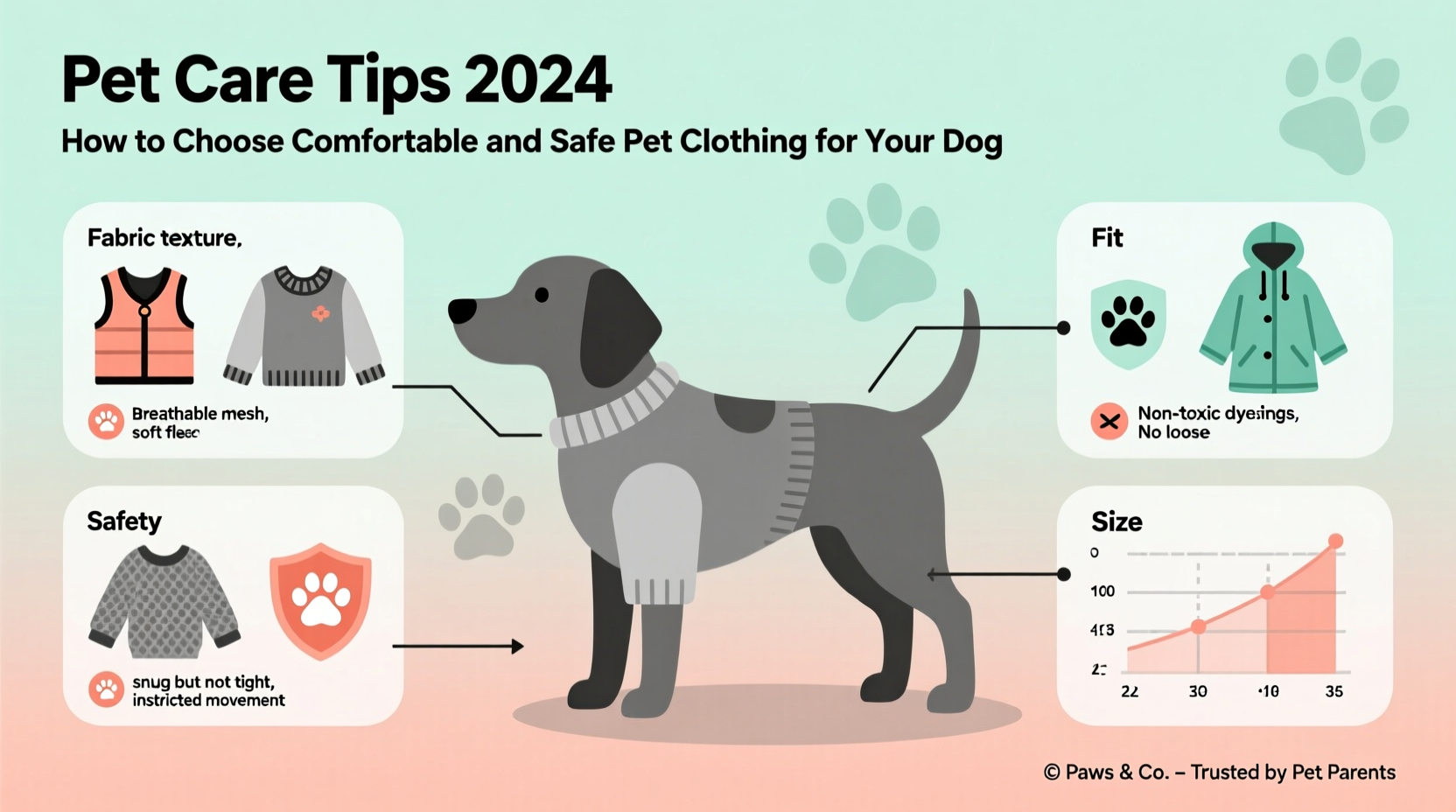
The first step in choosing appropriate clothing isn’t shopping—it’s assessing why your dog needs clothes at all. While some breeds naturally require extra protection, others may benefit only in specific conditions.
- Short-haired breeds (e.g., Chihuahuas, Greyhounds) lose body heat quickly and often need coats in cold climates.
- Senior dogs or those with arthritis may struggle with temperature regulation and benefit from insulated garments.
- Dogs with allergies or recovering from surgery might wear shirts or onesies to prevent licking or scratching.
- Active outdoor dogs may need reflective vests or water-resistant jackets during walks.
Ask yourself: Is the clothing functional or purely decorative? If it doesn’t serve a clear purpose—like warmth, protection, or recovery—it may be best left unused. Dogs don’t need fashion; they need comfort and freedom of movement.
“Clothing should never compromise a dog’s ability to move, eliminate, or regulate body temperature.” — Dr. Lena Patel, Veterinary Behaviorist
Measure Correctly: Fit Is Everything
A poorly fitting garment is the most common cause of discomfort and safety issues. Unlike humans, dogs vary widely in proportions even within the same breed. Relying on breed averages or guessing sizes leads to frustration—for both you and your pet.
To measure your dog accurately:
- Neck circumference: Measure where the collar sits, ensuring two fingers fit between the tape and skin.
- Chest girth: Wrap the tape around the widest part of the chest, behind the front legs.
- Back length: From the base of the neck (where the collar meets the shoulders) to the base of the tail.
Always refer to the brand’s size chart—never assume “medium” means the same across brands. Many manufacturers provide detailed measurement guides online.
Tip: Measure your dog after a walk when muscles are relaxed, not right after eating.Choose Safe, Breathable Materials
The fabric matters as much as the fit. Synthetic, non-breathable materials can trap moisture, leading to chafing, rashes, or overheating—even in cool weather.
| Material | Pros | Cons | Best For |
|---|---|---|---|
| Cotton | Breathable, soft, hypoallergenic | Not water-resistant, can shrink | Indoor wear, recovery shirts |
| Fleece | Warm, lightweight, moisture-wicking | Can pill, static-prone | Cold-weather coats |
| Nylon/Polyester Blends | Durable, water-resistant, easy to clean | Less breathable, may irritate sensitive skin | Raincoats, outdoor vests |
| Wool | Naturally insulating, odor-resistant | Expensive, requires special care | Winter gear for active dogs |
Avoid materials with strong chemical odors, which may indicate harsh dyes or finishes. Opt for garments labeled “non-toxic dyes” or “pet-safe fabrics,” especially for dogs with skin sensitivities.
Design Features That Enhance Safety and Comfort
Even with the right size and fabric, poor design can make clothing hazardous. Look for these key features:
- Adjustable straps or Velcro closures: Allow for fine-tuning fit without constriction.
- Flat seams and tagless labels: Prevent rubbing and irritation.
- Openings for waste elimination: Essential for longer wear, especially in full-body suits.
- Reflective strips: Improve visibility during evening walks.
- No small detachable parts: Buttons, bows, or dangling accessories can be chewed off and swallowed.
Avoid tight elastic bands around legs or necks. These can restrict circulation and cause sores over time. Instead, look for stretch panels or wide, soft bindings.
Mini Case Study: The Overheated Pug
Sarah adopted a pug named Milo who shivered in winter. She bought him a trendy sweater online based on breed size. Within minutes of wearing it, Milo began panting excessively, refused to walk, and tried to scratch the garment off. Concerned, Sarah took him to the vet. The diagnosis? Overheating due to a thick, non-breathable acrylic blend and a snug chest fit that restricted his breathing—a serious risk for brachycephalic breeds. After switching to a lightweight, ventilated fleece vest measured to his exact dimensions, Milo stayed warm without distress. The lesson: Function must override fashion.
Step-by-Step Guide to Introducing Clothing Safely
Even the best-designed garment can stress a dog if introduced too quickly. Follow this timeline to build positive associations:
- Day 1: Let your dog sniff and explore the clothing. Reward curiosity with treats.
- Day 2: Drape the item over their back for 30 seconds. Remove and reward.
- Day 3–5: Fasten loosely for increasing durations (1–5 minutes), monitoring for signs of stress.
- Day 6: Take a short indoor walk while clothed. Watch for limping or scratching.
- Day 7: Try a brief outdoor test in mild weather. Never force prolonged use.
If your dog shows signs of anxiety—whining, hiding, excessive licking—stop and reassess. Some dogs simply don’t tolerate clothing, and that’s okay.
Tip: Pair clothing introduction with high-value treats or playtime to create positive reinforcement.Checklist: What to Verify Before Every Wear
Before putting any garment on your dog, run through this quick safety checklist:
- ✅ No loose threads, broken zippers, or sharp edges
- ✅ Proper fit—two fingers should fit under neck and chest openings
- ✅ Free movement of legs, head, and tail
- ✅ Ability to sit, lie down, and eliminate comfortably
- ✅ No signs of prior chewing or damage
- ✅ Clean and dry—never put a damp garment on your dog
Frequently Asked Questions
Can dogs overheat in clothing during mild weather?
Yes. Even light sweaters can cause overheating, especially in double-coated breeds or dogs with respiratory issues. Monitor for excessive panting, lethargy, or drooling. When in doubt, opt for partial coverage like a vest instead of a full coat.
How often should I wash my dog’s clothing?
Wash after every 2–3 wears, or immediately if soiled. Use fragrance-free, hypoallergenic detergent and avoid fabric softeners, which can irritate skin and reduce fabric breathability.
Are there situations when dogs shouldn’t wear clothing at all?
Absolutely. Avoid clothing during intense exercise, hot weather, unsupervised time, or if your dog shows consistent resistance. Puppies and senior dogs may also have lower tolerance due to mobility or sensitivity issues.
Conclusion: Prioritize Well-Being Over Style
Choosing comfortable and safe pet clothing isn’t about following trends—it’s about understanding your dog’s physiology, behavior, and environment. A well-fitted, thoughtfully designed garment can enhance their quality of life in challenging conditions. But when in doubt, less is more. If your dog seems stressed, restricted, or overheated, remove the clothing immediately. Your dog’s comfort and safety should always come before aesthetics.
💬 Have a tip or story about pet clothing that worked (or didn’t)? Share your experience below to help fellow dog owners make smarter, safer choices.








