Rabbits are prey animals with finely tuned survival instincts. The sudden booms of thunder, flashes of lightning, and changes in atmospheric pressure during a storm can trigger intense fear responses. Unlike dogs or cats, rabbits don’t vocalize distress in obvious ways—they may freeze, thump their hind legs, or dart erratically. Left unmanaged, chronic stress from storms can lead to health issues such as gastrointestinal stasis, weakened immunity, or even heart failure. Fortunately, with thoughtful preparation and gentle interventions, you can help your rabbit feel secure when the skies turn dark.
Understanding Rabbit Fear Triggers During Storms
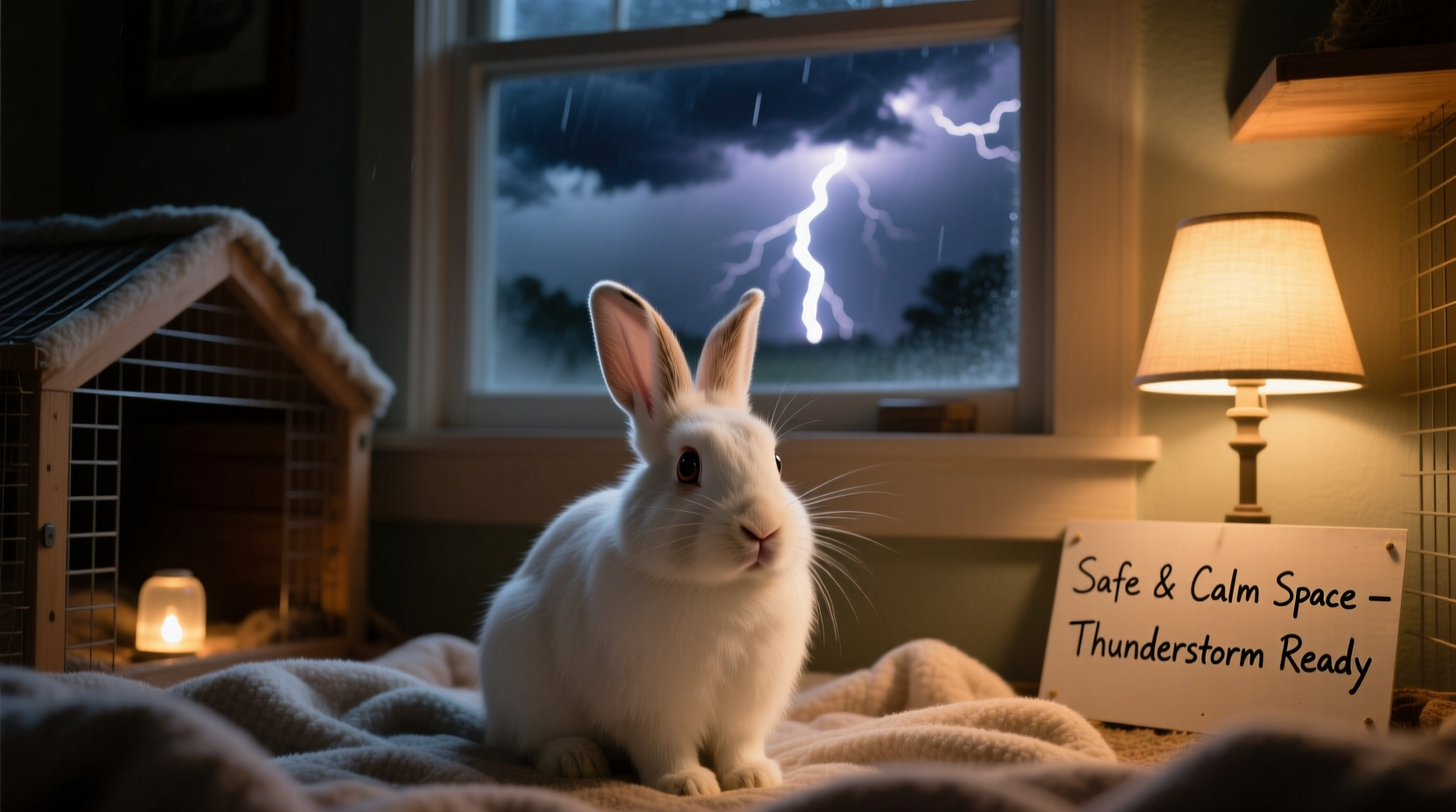
Rabbits rely heavily on their hearing and sensitivity to vibrations. Thunder is not only loud but unpredictable in timing and direction, making it especially frightening. Lightning adds visual chaos, while shifts in barometric pressure may be detectable to rabbits before humans even notice a storm approaching. Their natural instinct is to flee or hide—yet indoor rabbits often lack escape routes, which increases anxiety.
Signs of storm-related stress include:
- Heavy breathing or rapid heartbeat
- Refusal to eat or drink
- Excessive grooming or fur-pulling
- Thumping one hind leg repeatedly
- Hiding in corners or under furniture
- Darting around the enclosure
Recognizing these early signals allows for timely intervention. The goal isn’t to eliminate fear entirely—since that’s biologically ingrained—but to minimize its impact through safety, predictability, and comfort.
Tip: Monitor weather forecasts daily during storm season. Knowing a storm is coming lets you prepare your rabbit’s environment in advance.Creating a Safe Indoor Environment Before the Storm
Preparation is the most effective tool in managing rabbit anxiety. A well-designed space reduces exposure to triggers and provides multiple options for security.
Choose a quiet interior room away from windows and exterior walls. Basements or interior bathrooms often work well because they muffle sound and block lightning flashes. Avoid garages or sunrooms where noise and light penetrate more easily.
Use sound-dampening materials: Close curtains or blinds, play soft background noise (like classical music or white noise), and consider placing rugs or blankets on hard floors to reduce echo and vibration transmission.
Provide layered hiding spots: Rabbits feel safest when they have multiple enclosed retreats. Use cardboard boxes with cut-out entrances, covered tunnels, or commercial hideouts placed at different heights. Fill them with soft bedding like hay or fleece liners. Having several options allows your rabbit to choose based on their mood.
“Rabbits need control over their environment to feel safe. Offering multiple hiding places gives them agency, which reduces helplessness during stressful events.” — Dr. Hannah Reeves, DVM, Exotic Animal Behavior Specialist
Essential Pre-Storm Checklist
✅ Storm-Proof Your Rabbit’s Space:- Move enclosure to a quiet, windowless room if possible
- Close blinds and curtains tightly
- Place thick towels or rugs under the cage to dampen vibrations
- Set up at least two covered hiding places
- Fill food bowls and water bottles in advance
- Turn on a low-volume fan, radio, or white noise machine
- Remove noisy appliances or electronics nearby
Safe Calming Techniques During the Storm
Once the storm begins, your role shifts from preparation to reassurance. Never force interaction. Some rabbits seek closeness; others need solitude. Respect their boundaries while maintaining a calm presence.
Stay calm yourself. Rabbits read human energy. If you’re tense or moving quickly, they’ll mirror that anxiety. Speak softly, move slowly, and avoid sudden gestures. Sit quietly near their enclosure without staring directly at them.
Offer familiar scents and textures. Place a piece of your worn clothing (like a t-shirt) near their hideout. The scent of a trusted human can be comforting. Similarly, adding extra hay encourages natural foraging behavior, which has a grounding effect.
Use background noise strategically. Low-frequency sounds mask thunder better than silence. Classical music, nature sounds, or audiobooks at moderate volume help buffer auditory shocks. Avoid high-pitched or erratic music.
Tip: Test calming audio playlists during calm weather to see what your rabbit responds to best. Some prefer piano; others respond to steady rain sounds.If your rabbit normally enjoys handling and approaches you during the storm, offer gentle petting around the forehead or behind the ears—areas they typically tolerate touch. Do not pick them up unless absolutely necessary, as elevated positions increase vulnerability.
Do’s and Don’ts During a Thunderstorm
| Action | Do | Don't |
|---|---|---|
| Handling | Allow contact only if initiated by the rabbit | Force cuddling or restraint |
| Noises | Play soft music or white noise | Yell, clap, or make loud movements |
| Lighting | Keep lights dim or normal | Flashlights or strobe effects |
| Environment | Maintain access to hides and food | Change layout during the storm |
| Response to Thumping | Acknowledge calmly, then ignore | Punish or overreact |
Long-Term Behavioral Support and Desensitization
For rabbits with recurring storm anxiety, long-term strategies can reduce reactivity. One proven method is **gradual desensitization** using recorded storm sounds at low volumes.
Begin by playing a thunderstorm audio track at a level so faint it’s barely audible—below the threshold that causes fear. Pair this with positive experiences: fresh vegetables, gentle brushing, or quiet companionship. Repeat daily for 5–10 minutes, gradually increasing volume over weeks only if no signs of stress appear.
This process works because it decouples the sound of thunder from danger through associative learning. Over time, the rabbit learns that the noise doesn’t predict harm.
Important caveats:
- Never proceed if the rabbit thumps, freezes, or flees.
- Always end sessions on a positive note—even if shortened.
- Pause training during actual storm season to avoid confusion.
In severe cases, consult a veterinarian experienced in exotic pets. While there are no FDA-approved anti-anxiety medications specifically for rabbits, some vets may recommend short-term use of off-label drugs like fluoxetine (under strict supervision) for extreme phobias.
Mini Case Study: Luna, the Storm-Sensitive Lop
Luna, a 3-year-old Holland Lop, began showing panic during summer thunderstorms—refusing food, thumping constantly, and hiding under the couch for hours. Her owner, Maria, initially tried holding her, which only increased struggling.
After consulting a rabbit-savvy vet, Maria implemented a new protocol:
- She moved Luna’s pen to a carpeted interior bedroom.
- Added a covered igloo filled with timothy hay and a fleece blanket.
- Placed a small fan near the door to create consistent background noise.
- Began playing soft jazz during calm evenings to acclimate Luna to ambient sound.
Within three weeks, Luna started entering her hideout voluntarily before storms. During the next thunderstorm, she ate hay throughout the night and did not thump once. Maria continues monthly check-ins with her vet and avoids forced interaction during weather events.
Frequently Asked Questions
Can I give my rabbit medication for storm anxiety?
Only under veterinary guidance. Some rabbits may benefit from short-term sedatives or anti-anxiety medications during extreme weather, but these carry risks including suppressed appetite and reduced gut motility. Never administer human medications—many are toxic to rabbits.
Is it okay to cover the cage with a blanket during a storm?
Covering part of the cage can help block light and sound, but ensure adequate ventilation and leave one side open for escape. Use lightweight fabric and never fully enclose the space. Monitor your rabbit closely—some may feel trapped and become more stressed.
Why does my rabbit thump during storms?
Thumping is a natural alarm behavior. In the wild, rabbits warn their warren of danger by stomping their hind legs. Indoors, it signals fear. Respond by acknowledging the behavior calmly (“I hear you”) and continuing your soothing routine—don’t punish or ignore completely.
Conclusion: Building Resilience Through Compassionate Care
Helping a rabbit through a thunderstorm isn’t about stopping their fear—it’s about meeting them where they are with empathy and practical support. By modifying their environment, respecting their instincts, and offering consistent reassurance, you create a sanctuary that fosters trust and resilience.
Every rabbit is different. What soothes one may unsettle another. The key lies in observation, patience, and incremental improvements. Start with one change—like adding a second hideout or testing a white noise playlist—and build from there.
💬 Your experience matters. Have a tip for calming storm-stressed rabbits? Share your story in the comments to help fellow caregivers navigate fearful nights with compassion and confidence.