
Determining whether your dog is receiving the correct amount of food isn’t just about following a bag’s feeding chart. Every dog is unique—shaped by breed, age, activity level, metabolism, and health status. Overfeeding leads to obesity, which increases the risk of diabetes, joint problems, and heart disease. Underfeeding can result in poor energy, dull coat, and muscle loss. The key lies in observation, consistency, and adjustment. This guide offers actionable strategies to help you confidently assess your dog’s nutritional balance.
Understand Your Dog’s Nutritional Needs
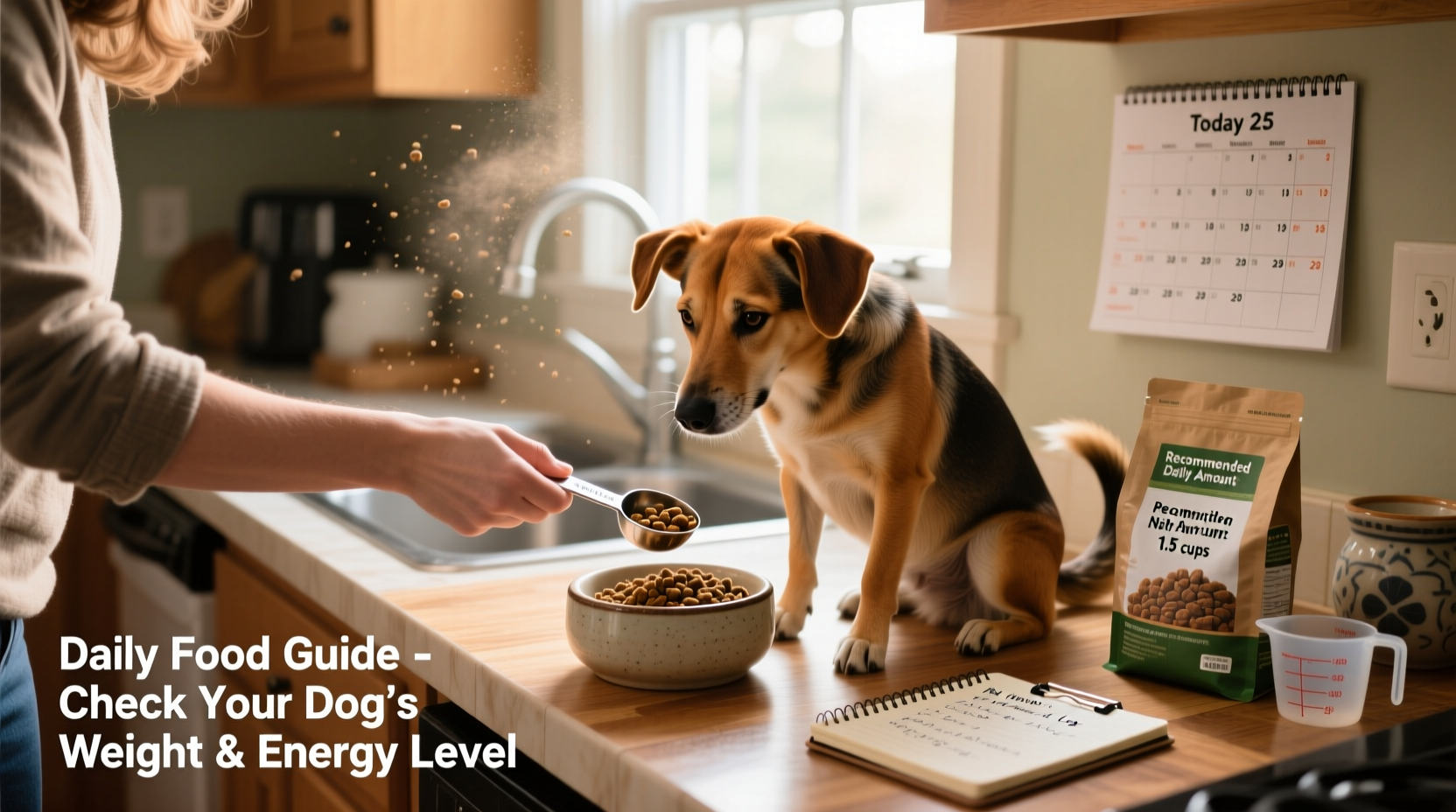
Dogs require a balanced intake of protein, fats, carbohydrates, vitamins, and minerals. But caloric needs vary significantly. A working border collie needs more fuel than a senior pug lounging on the couch. Commercial dog food labels provide general guidelines based on weight, but these are starting points—not rigid rules.
The Association of American Feed Control Officials (AAFCO) sets baseline nutrient profiles, but individual requirements depend on life stage. Puppies need more calories per pound for growth. Senior dogs often need fewer due to reduced activity. Spayed or neutered dogs typically have slower metabolisms and may require 20–30% fewer calories than intact animals.
“Feeding charts are useful, but they don’t account for individual variation. Owners should monitor body condition and adjust accordingly.” — Dr. Linda Chen, DVM, Board-Certified Veterinary Nutritionist
Use the Body Condition Score System
The most reliable way to assess if your dog is at a healthy weight is through visual and tactile evaluation using the Body Condition Score (BCS). Veterinarians use a 9-point scale, where 4–5 is ideal. Here’s how to apply it at home:
- Rib Check: You should be able to feel your dog’s ribs with light pressure, like touching the back of your hand. If you must press hard, they’re likely underweight. If you can’t feel them at all, they may be overweight.
- Waist View: From above, your dog should have a visible waistline—tucked behind the ribs, not barrel-shaped.
- Silhouette from the Side: The abdomen should tuck upward behind the ribcage, not hang level or sag.
Monitor Daily Behavior and Physical Signs
Beyond weight, your dog’s behavior and physical condition offer clues about their nutrition. A well-fed dog has steady energy, a shiny coat, firm stools, and healthy skin. Watch for red flags:
| Sign | Possible Cause |
|---|---|
| Constant begging or hunger | Underfeeding, low-quality food, medical issue (e.g., parasites, diabetes) |
| Dull coat, dry skin | Nutrient deficiency, especially fatty acids or protein |
| Loose stools or excessive gas | Overfeeding, poor digestion, food intolerance |
| Lethargy or weakness | Calorie deficit, nutrient imbalance, illness |
| Excessive weight gain despite small portions | Low activity, metabolic slowdown, treats adding up |
Remember: treats should never exceed 10% of daily calories. That includes chews, table scraps, and training rewards. A single spoon of peanut butter might seem harmless but can add hundreds of extra calories weekly.
Step-by-Step Guide to Adjusting Your Dog’s Food Intake
If you suspect your dog isn’t eating the right amount, follow this structured approach:
- Weigh your dog accurately. Use a pet scale or visit your vet. Record the number monthly.
- Check the feeding chart on the food bag, then calculate current daily intake in cups or grams.
- Evaluate BCS and behavior using the criteria above.
- Adjust portion size by 10% increments. Increase slightly if underweight; reduce if overweight. Wait 2–3 weeks before making another change.
- Track results: Note energy levels, stool quality, and weight trends.
- Consult your vet if no improvement occurs after 4–6 weeks, or if you notice concerning symptoms.
Real-Life Example: Max the Labrador
Max, a 5-year-old neutered Labrador, was fed two cups of adult formula daily, as recommended for his 70-pound frame. His owner noticed he was gaining weight, had less energy, and no longer played fetch. A BCS assessment revealed a score of 7/9—overweight. After switching to measured portions (1.75 cups), eliminating table scraps, and increasing walks, Max lost 8 pounds over three months. His energy returned, and his BCS improved to 5/9. The change wasn’t drastic—just consistent, mindful adjustments.
Common Feeding Mistakes and How to Avoid Them
Even well-intentioned owners make errors. Awareness prevents long-term issues.
- Free-feeding: Leaving food out all day makes portion control impossible and encourages overeating.
- Ignoring life stage changes: Continuing puppy food into adulthood adds unnecessary calories.
- Misjudging treat calories: One beef liver treat can equal 15% of a small dog’s daily needs.
- Assuming “premium” means better: High price doesn’t guarantee appropriate calorie density or balance.
- Following outdated advice: Some older guides recommend feeding based on breed alone—ignoring individual metabolism.
Essential Checklist for Balanced Dog Feeding
Use this checklist monthly to stay on track:
- ✅ Weigh your dog and record the number.
- ✅ Perform a body condition score (ribs, waist, silhouette).
- ✅ Review total daily food intake (including treats and chews).
- ✅ Assess energy levels and behavior (lethargic? overly hungry?)
- ✅ Check stool quality (firm, well-formed, no mucus or blood).
- ✅ Evaluate coat and skin (shiny, no flaking or bald patches).
- ✅ Confirm feeding aligns with current life stage and activity level.
- ✅ Schedule annual vet checkup with weight and nutrition discussion.
Frequently Asked Questions
How do I know if my dog’s food is high quality?
Look for an AAFCO statement confirming the food is complete and balanced for your dog’s life stage. Ingredients should list a named animal protein first (e.g., “chicken,” not “meat meal”). Avoid excessive fillers like corn or soy. Higher digestibility means better nutrient absorption and less waste.
Should I feed my dog once or twice a day?
Most adult dogs do well with two meals 8–12 hours apart. Puppies need three to four smaller meals. Large, deep-chested breeds benefit from multiple meals to reduce bloat risk. Consistency in timing supports digestion and energy stability.
My dog finishes food fast and acts hungry—am I underfeeding?
Not necessarily. Many dogs are food-motivated regardless of satiety. If BCS is normal and weight stable, your dog is likely fine. Try slow-feed bowls or puzzle feeders to extend mealtime and increase satisfaction without extra calories.
Conclusion: Take Control of Your Dog’s Health Through Smart Feeding
Assessing your dog’s food intake isn’t a one-time task—it’s an ongoing practice of observation, measurement, and adjustment. Relying solely on packaging guidelines or assumptions puts your dog at risk. By mastering the body condition score, tracking behavior, and avoiding common pitfalls, you become an active participant in your dog’s long-term wellness. Nutrition is foundational to health, and your attention today can prevent chronic issues tomorrow.
💬 Start tonight: Weigh your dog, perform a BCS check, and review what’s in their bowl. Small changes now lead to a healthier, happier companion for years to come.








