Hydration is as essential for dogs as it is for humans. Yet, many pet owners overlook one critical factor: the size of their dog’s water cup. Too small, and your dog may not get enough water throughout the day. Too large, and it could be impractical or even intimidating for smaller breeds. Choosing the right water cup isn’t just about convenience—it directly impacts your dog’s health, comfort, and daily routine. This guide breaks down the science and practical considerations behind selecting the ideal water cup size based on breed, activity level, age, and environment.
Understanding Your Dog’s Daily Water Needs
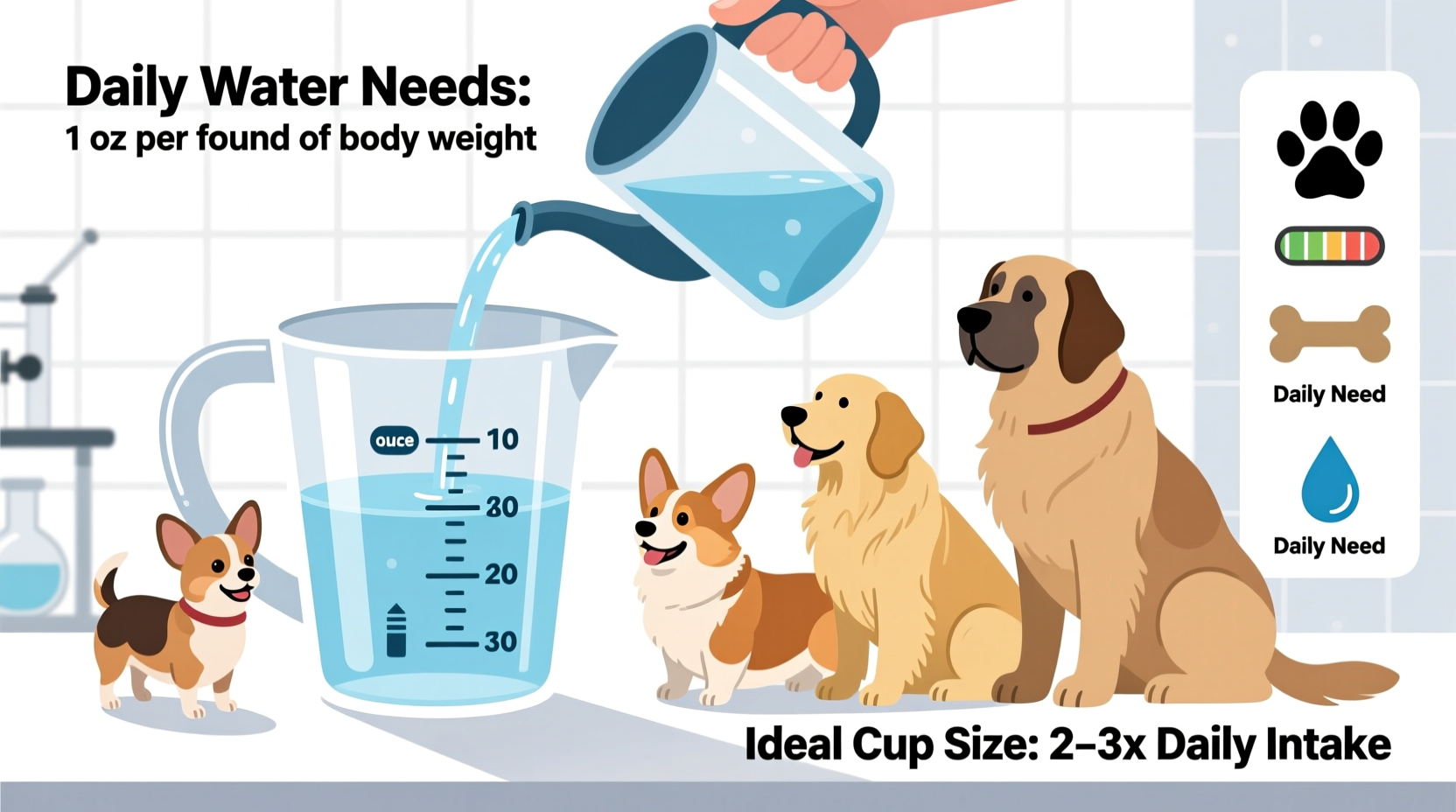
The foundation of choosing the right cup size begins with understanding how much water your dog actually needs. On average, a healthy adult dog requires approximately 0.5 to 1 ounce of water per pound of body weight each day. For example, a 30-pound dog should consume between 15 and 30 ounces of water daily. However, this amount fluctuates depending on several factors:
- Diet: Dogs eating dry kibble need more water than those on wet food diets.
- Activity Level: Active dogs lose more fluids through panting and require increased intake.
- Weather: Hot temperatures increase water loss and demand higher consumption.
- Health Conditions: Illnesses like kidney disease or diabetes can alter hydration needs.
To determine baseline requirements, track your dog’s current water intake over three days using a measuring cup. Average the total to establish a reliable daily benchmark.
Tip: Always provide fresh water at least twice a day and refill more frequently during exercise or hot weather.How Cup Size Impacts Hydration Behavior
The physical dimensions of a water bowl influence how often—and how comfortably—a dog drinks. A study published in the *Journal of Veterinary Behavior* found that dogs presented with appropriately sized bowls showed a 23% increase in voluntary water intake compared to those using undersized containers.
Cup height matters too. Tall cups can cause discomfort for short-nosed breeds like Pugs or Bulldogs, leading them to drink less. Conversely, shallow dishes may spill easily and fail to hold enough volume for larger dogs. The ideal cup allows the dog to lower its head naturally without straining the neck or whiskers.
Volume consistency also plays a role. If a dog finishes its water within a few hours, frequent refills may disrupt routines and lead to inconsistent hydration. A properly sized cup reduces refill frequency while ensuring continuous access.
Step-by-Step Guide to Measuring the Ideal Cup Size
- Calculate daily water requirement: Multiply your dog’s weight (in pounds) by 0.75 oz (midpoint of 0.5–1 oz range). Example: 40 lbs × 0.75 = 30 oz/day.
- Assess drinking frequency: Observe how many times your dog drinks per day. Most dogs drink 3–5 times daily.
- Divide total intake by frequency: 30 oz ÷ 4 times = 7.5 oz per session. Round up to 8–10 oz per serving.
- Select a cup with 1.5x capacity: To prevent mid-session depletion, choose a cup holding at least 12–15 oz.
- Test ergonomics: Place the cup on the floor and watch your dog drink. Ensure no neck strain or spillage occurs.
This method ensures both sufficient volume and behavioral compatibility.
Choosing the Right Material and Design
Beyond size, material affects hygiene, durability, and safety. Common options include stainless steel, ceramic, and BPA-free plastic.
| Material | Pros | Cons |
|---|---|---|
| Stainless Steel | Durable, non-porous, easy to clean, resistant to bacteria | Can be noisy; may dent if dropped |
| Ceramic | Heavy (less likely to tip), aesthetically pleasing | Potential for chipping; heavier for travel |
| Plastic | Lightweight, affordable, portable | Scratches easily, harbors bacteria, potential chemical leaching |
For home use, stainless steel is widely recommended by veterinarians due to its longevity and sanitation benefits. For travel, collapsible silicone cups offer portability without sacrificing safety.
“Dogs are creatures of habit—once they find a comfortable drinking vessel, they’ll return to it consistently. That’s why fit and function matter as much as capacity.” — Dr. Lena Torres, DVM, Canine Nutrition Specialist
Mini Case Study: Solving Dehydration in a Senior Labrador
Max, a 10-year-old Labrador Retriever, began showing signs of lethargy and mild constipation. His owner, Sarah, assumed it was age-related until her vet suggested evaluating Max’s hydration setup. She discovered Max’s current bowl held only 8 ounces—barely enough for one sitting.
After switching to a 20-ounce stainless steel bowl placed at hip level, Max’s drinking frequency increased from twice to four times daily. Within a week, his energy improved and bowel movements normalized. The change wasn’t in quantity alone, but in accessibility and consistency.
This case illustrates how an undersized cup can silently contribute to chronic under-hydration, especially in older dogs who may already have reduced thirst signals.
Checklist: Selecting the Perfect Water Cup
- ✅ Calculated my dog’s daily water needs based on weight and diet
- ✅ Observed drinking habits (frequency, posture, spillage)
- ✅ Chose a cup with 1.5x the average per-session volume
- ✅ Selected a safe, durable material (preferably stainless steel)
- ✅ Ensured the rim height allows natural head positioning
- ✅ Tested stability—does it slide or tip when used?
- ✅ Confirmed ease of cleaning (no crevices or hard-to-reach areas)
Frequently Asked Questions
How do I know if my dog’s cup is too small?
If your dog empties the cup multiple times a day, seems to gulp quickly, or avoids drinking despite heat or activity, the cup may be too small. Frequent refills are a clear sign.
Should puppies have different cup sizes than adult dogs?
Yes. Puppies need proportionally smaller cups due to lower body weight and developing coordination. Start with 4–6 oz capacity and scale up every few months as they grow.
Is it okay to use human cups for dogs?
Occasionally, yes—but most human cups lack stability and are prone to tipping. Dedicated dog cups are designed for floor use, durability, and ergonomic access.
Final Recommendations and Action Steps
Choosing the right water cup size is a simple yet powerful way to support your dog’s long-term health. Begin by calculating your dog’s daily water needs, then match that to a cup offering consistent, accessible hydration. Prioritize materials that resist bacteria and designs that suit your dog’s anatomy. Remember, the goal isn’t just to provide water—it’s to encourage regular, stress-free drinking throughout the day.
Whether you have a tiny Chihuahua or a massive Great Dane, the principles remain the same: measure thoughtfully, observe behavior, and adjust accordingly. Small changes in hydration tools can yield big improvements in vitality and wellness.
💬 Have you noticed a difference after changing your dog’s water cup? Share your experience in the comments—your insight could help another pet parent make a better choice today.








