Knowing your dog’s true size is more than a matter of curiosity—it impacts nutrition, exercise, medical care, and even travel options. Whether you’re raising a puppy, managing an adult dog, or supporting a senior, accurate size assessment ensures appropriate health decisions and lifestyle planning. Yet many owners rely on guesswork or breed averages, which can lead to misjudgments. This guide delivers actionable methods to measure your dog’s size precisely at every life stage, using simple tools and expert-backed techniques.
Why Accurate Size Measurement Matters
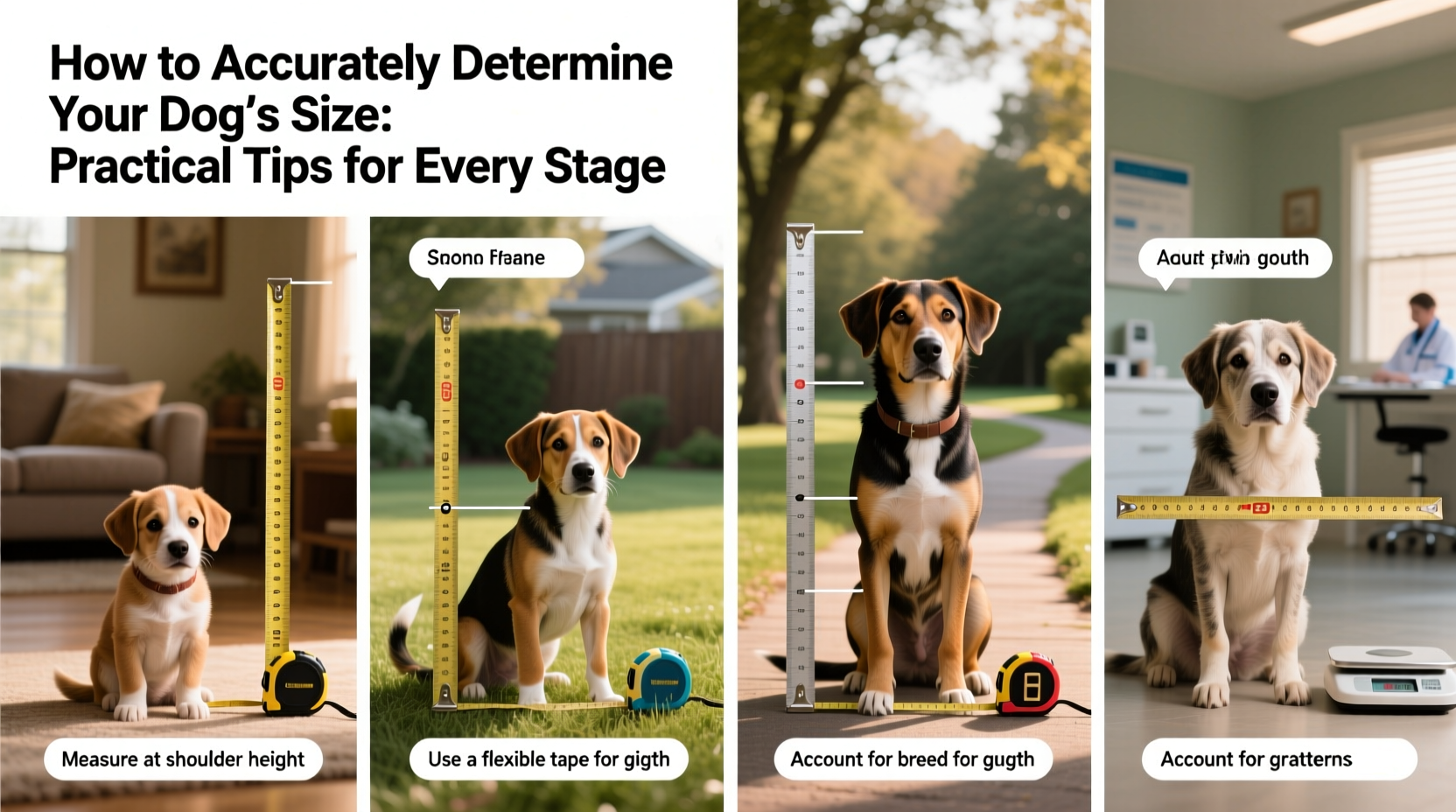
Determining your dog’s size isn’t just about fitting collars or choosing crates. It influences dosage calculations for medication, joint supplement recommendations, and even surgical planning. Overestimating or underestimating size can result in improper feeding—leading to obesity or malnutrition—or inappropriate activity levels that strain developing joints.
Veterinarians use standardized metrics such as weight, height at the withers, body condition score (BCS), and chest girth to evaluate canine health. Owners who track these consistently contribute valuable data for early detection of conditions like arthritis, heart disease, or endocrine imbalances.
“Regular monitoring of a dog’s physical dimensions allows us to catch subtle changes before they become serious problems.” — Dr. Lena Torres, DVM, Canine Health Specialist
Step-by-Step: How to Measure Your Dog Correctly
Accurate measurement requires consistency in method and timing. Follow this timeline-based approach to ensure reliable results across your dog’s life.
- Choose the Right Tools: Use a digital scale for weight, a flexible tape measure for girth, and a carpenter’s square or ruler for height.
- Weigh at Consistent Times: Early morning, before feeding, provides the most stable reading.
- Measure Height at the Withers: Place your dog on a flat surface. The withers—the highest point of the shoulder blades—is the standard reference. Hold a ruler vertically from the ground up, then use a straight edge (like a book) horizontally from the withers to the ruler to read the height.
- Record Chest Girth: Wrap the tape around the widest part of the chest, just behind the front legs. This helps determine harness fit and correlates with heart health.
- Assess Body Condition Score (BCS): Use a 9-point scale: ribs should be easily felt but not visible; waist visible from above; abdominal tuck when viewed from the side.
- Log Measurements Monthly: Create a chart or use a pet tracking app to monitor trends over time.
Size Expectations by Life Stage
Dogs grow rapidly in their first year, stabilize in adulthood, and may lose muscle mass in old age. Understanding typical growth patterns helps distinguish normal development from potential issues.
Puppy Stage (0–12 Months)
Growth is exponential in the first six months, especially for large and giant breeds. Small breeds often reach adult size by 8–10 months; larger breeds may continue growing until 18–24 months. Use parental size as a predictor—if known—but remember mixed breeds can vary widely.
Adult Stage (1–7 Years)
Your dog should maintain a consistent weight and structure. Sudden changes—especially unexplained weight gain or loss—warrant veterinary evaluation. This is the ideal time to establish baseline measurements for long-term comparison.
Senior Stage (7+ Years)
Muscle atrophy and joint stiffness may alter posture, making dogs appear smaller. Weight distribution shifts are common. Focus on maintaining lean body mass through diet and low-impact exercise rather than chasing a number on the scale.
Practical Tips for Every Owner
- Use breed-specific growth charts as guidelines, not absolutes—individual variation is normal.
- For mixed-breed dogs, DNA tests can offer clues about potential adult size based on genetic markers.
- When adopting from shelters, ask staff for estimated adult weight based on current growth trajectory.
- Track body condition alongside weight—muscle weighs more than fat, so a fit dog may weigh more than expected.
Comparison Table: Measuring Methods & Their Uses
| Measurement | Best For | Frequency | Tools Needed |
|---|---|---|---|
| Weight | Dosing meds, detecting illness, nutritional planning | Monthly (bi-weekly for puppies) | Digital scale (pet or bathroom) |
| Height at Withers | Breed classification, harness/crate sizing | Every 3 months until maturity, then annually | Ruler, straight edge |
| Chest Girth | Harness fit, cardiac screening | Every 3 months | Fabric tape measure |
| Body Condition Score (BCS) | Assessing fitness, preventing obesity | Monthly | Visual/touch assessment guide |
Real Example: Tracking a Labrador Retriever’s Growth
Sarah adopted a male Labrador puppy named Max at eight weeks old. At adoption, he weighed 5.2 lbs. Using a puppy growth chart and bi-weekly weigh-ins, she recorded his progress: 12 lbs at 8 weeks, 28 lbs at 16 weeks, 55 lbs at 6 months. By consulting her vet and comparing against standard breed curves, she anticipated Max would reach 70–75 lbs. At 14 months, he stabilized at 73 lbs with a BCS of 5/9—ideal. Her consistent logging helped her adjust food portions appropriately and avoid overfeeding during rapid growth phases, reducing risk of hip dysplasia.
Essential Checklist: What to Track Monthly
- Current weight (morning, fasted if possible)
- Height at the withers
- Chest girth measurement
- Body Condition Score (use visual guide)
- Photos from front, side, and above
- Notable behaviors (limping, reluctance to jump, increased thirst)
Frequently Asked Questions
How do I know if my dog is underweight or overweight?
You should be able to feel the ribs without pressing hard, see a waistline from above, and notice an upward tuck of the abdomen from the side. If ribs are visible, your dog may be underweight. If you can’t feel them at all, it may indicate excess weight. Consult a veterinarian for a formal BCS evaluation.
My dog stopped growing—did something go wrong?
Most small breeds stop growing by 10–12 months; larger breeds may grow until 18–24 months. If your dog appears stunted or shows signs of poor coat, lethargy, or digestive issues, consult your vet. Otherwise, reaching full size is normal.
Can neutering affect my dog’s size?
Yes. Early neutering (before 6 months) can delay closure of growth plates, potentially leading to taller, leaner builds—especially in large breeds. Discuss timing with your veterinarian based on breed and health goals.
Final Thoughts: Make Size Monitoring a Habit
Accurately determining your dog’s size is not a one-time task but an ongoing practice that supports lifelong wellness. From selecting the right-sized bed to catching metabolic changes early, consistent measurement empowers informed decisions. You don’t need advanced tools—just attention, patience, and a routine. Start today by taking your dog’s basic measurements and recording them. Over time, this data becomes an invaluable part of their health history.
💬 Have you noticed changes in your dog’s size over time? Share your experience or tips in the comments—your insight could help another pet owner stay ahead of their dog’s health needs.








