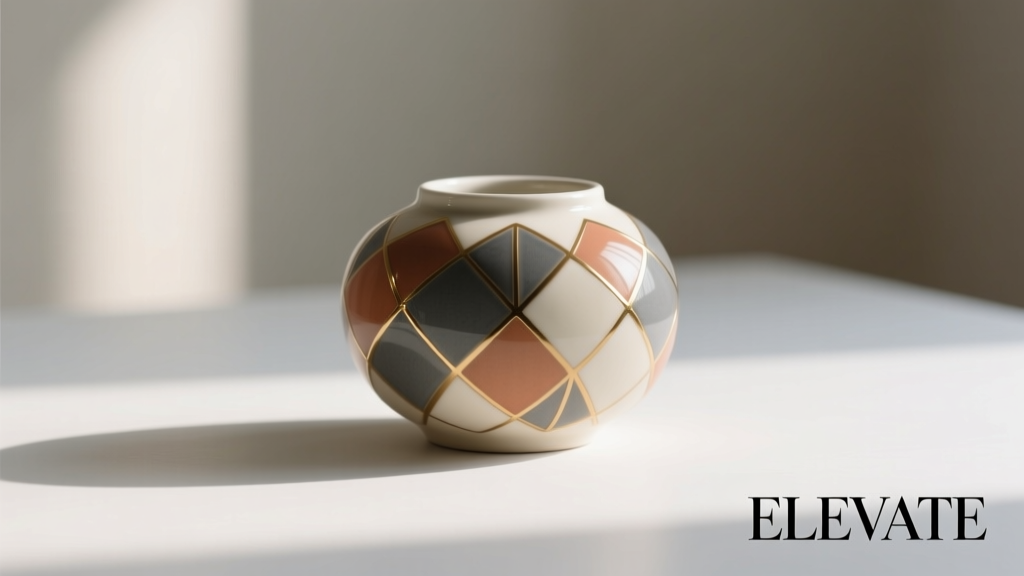
Types of Hotel Silver Bowls
A hotel silver bowl is more than just a serving dish—it's a symbol of elegance, sophistication, and attention to detail in the hospitality industry. Crafted from high-quality silver or silver-plated materials, these bowls serve both functional and decorative purposes across various hotel settings. From lobbies to fine dining rooms, each type of silver bowl is designed to enhance guest experience while maintaining durability for commercial use.
The following are the most common types of silver bowls used in hotels, each tailored to specific functions and aesthetic goals:
Candy Silver Bowl
Ideal for creating a warm, welcoming atmosphere in lobbies, lounges, or guest rooms.
Advantages
- Enhances guest experience with complimentary treats
- Premium appearance with polished silver finish
- Dust-resistant when equipped with a lid
- Durable and easy to clean for daily use
Considerations
- Lids may be lost or damaged over time
- Requires frequent refilling and sanitization
- Potential for tarnishing without proper care
Best for: Hotel lobbies, conference centers, VIP suites, welcome amenities
Fruit Silver Bowl
Used to display fresh, healthy fruit with a luxurious presentation.
Advantages
- Promotes wellness and healthy eating
- Wide opening allows for attractive fruit arrangements
- Adds vibrant color and freshness to dining spaces
- Suitable for buffets, breakfast areas, and room service
Considerations
- Requires daily cleaning due to food residue
- Larger size may need dedicated display space
- Fruit juices can accelerate tarnishing if not cleaned promptly
Best for: Breakfast buffets, executive lounges, health-conscious resorts
Silver Soup Bowl
Designed for elegant soup service in fine dining and formal events.
Advantages
- Excellent heat retention for warm soups
- Often includes matching ladle and base plate for presentation
- Ornate designs (engravings, gilding) elevate dining ambiance
- Durable enough for high-volume restaurant use
Considerations
- Heavier than standard bowls—requires careful handling
- More expensive due to craftsmanship and materials
- Needs professional polishing to maintain luster
Best for: Fine dining restaurants, banquets, wedding receptions, luxury hotels
Hotel Silver Bowl (Multi-Purpose)
A versatile serving solution for salads, pastas, sides, and more.
Advantages
- Highly versatile—ideal for hot and cold dishes
- Even heat distribution ensures consistent food temperature
- Often features hotel branding (logos, emblems)
- Modular design integrates with other silverware sets
Considerations
- May lack specialized features for specific foods
- Requires regular maintenance to prevent tarnish
- Higher initial investment compared to stainless steel
Best for: Buffet stations, room service, banquet halls, all-purpose serving
| Type | Primary Use | Design Features | Durability | Ideal Setting |
|---|---|---|---|---|
| Candy Silver Bowl | Serving mints, chocolates, candies | Lid included, polished finish, decorative engravings | High (daily use) | Lobbies, guest rooms, conference areas |
| Fruit Silver Bowl | Displaying fresh fruits | Wide opening, deep basin, elegant rim | High (with proper care) | Breakfast areas, health lounges, dining rooms |
| Silver Soup Bowl | Serving soups and broths | Heat-retaining, ornate patterns, ladle & base included | Very High (commercial-grade) | Formal dining, banquets, luxury restaurants |
| Hotel Silver Bowl (General) | Multipurpose serving (salads, sides, pasta) | Modular, branded, even heat distribution | Very High | Buffets, room service, catering events |
Expert Tip: To maintain the shine and longevity of silver bowls, clean them promptly after use with a non-abrasive silver polish. Store in anti-tarnish cloth bags when not in use, especially in high-humidity environments common in kitchens and dining areas.
Choosing the Right Silver Bowl for Your Hotel
Selecting the appropriate silver bowl depends on your hotel’s service style, guest demographics, and branding goals. Luxury properties often invest in ornate, handcrafted pieces for formal dining, while boutique hotels may prefer sleek, minimalist designs for modern lobbies. Consider the frequency of use, ease of maintenance, and alignment with your overall aesthetic when making your selection.
Additionally, many suppliers offer customization options such as engraved logos, monograms, or unique patterns—perfect for reinforcing brand identity and creating a memorable guest experience.
Design of Hotel Silver Bowls: Elegance, Functionality, and Cultural Significance
The design of a hotel silver bowl transcends mere utility—it embodies elegance, craftsmanship, and cultural heritage. These vessels are more than serving dishes; they are curated elements of luxury dining experiences, often enhancing the ambiance of fine restaurants, banquet halls, and royal events. From material selection to symbolic ornamentation, every aspect of a silver bowl’s design contributes to its aesthetic appeal, durability, and ceremonial value.
Key Design Elements of Hotel Silver Bowls
Materials Used
The choice of material defines both the quality and longevity of a silver bowl. Most hotel-grade silver bowls are crafted from high-polish stainless steel, offering a brilliant silvery sheen with excellent resistance to tarnish and corrosion—ideal for high-volume service environments.
Premium establishments often opt for **sterling silver**, composed of 92.5% pure silver and 7.5% alloy (typically copper), which enhances strength while maintaining luster. These pieces are prized for their weight, authenticity, and heirloom potential.
For cost-effective elegance, many bowls use silver-plated metals over brass or copper cores. Alternatives include aluminum or even glass and ceramic bases coated with a thin layer of real silver through electroplating, providing a luxurious appearance without the full expense of solid silver.
Shape and Size Variations
Shape is closely tied to function. **Round bowls** are versatile and commonly used for serving salads, fruits, or desserts at buffets and formal tables. **Oval and rectangular designs** are preferred for centerpiece displays, allowing for artistic arrangement of food or decorative elements like flowers and candles.
Traditional bowls often feature **footed bases** for stability and visual elevation, while ornate rims with scalloped or fluted edges add sophistication. Contemporary designs favor minimalist silhouettes—smooth curves, geometric forms, and mirror-polished finishes that align with modern luxury aesthetics.
Sizes range from small individual-serving bowls (around 6–8 inches) to grand banquet pieces exceeding **18 inches in diameter**, capable of serving 30 or more guests. Larger bowls serve both practical and theatrical purposes, becoming focal points in high-end dining settings.
Ornamentation and Artistic Detailing
Ornamentation transforms a functional item into a work of art. Common decorative techniques include **hand engraving**, **etching**, and **repoussé** (a method of shaping metal from the reverse side to create raised designs).
Patterns may feature floral motifs, classical scrollwork, or cultural symbols reflecting regional heritage. Many luxury hotels commission custom designs incorporating their **logo**, crest, or brand motif into the bowl’s surface, reinforcing identity and exclusivity.
**Gilded accents**—where gold leaf or plating is applied to rims, handles, or decorative elements—add contrast and opulence. In royal or ceremonial contexts, some silver bowls are adorned with **semi-precious stones**, intricate filigree, or even embedded gemstones, making them museum-worthy artifacts.
Functionality and Practical Design
Despite their ornate appearance, hotel silver bowls are engineered for real-world performance. They are built to endure frequent use, cleaning, and handling in fast-paced hospitality environments.
Many include **removable lids** to preserve food freshness, regulate temperature (especially for soups or chilled dishes), and protect against dust or contamination. Lids may be domed or flat, sometimes featuring finials or handles for ease of use.
Bowls are designed with **balanced weight distribution** for safe handling, and non-slip bases prevent tipping. Some models come with matching stands or trays for elevated presentation. The materials used ensure compatibility with cold and room-temperature foods, though direct heat exposure is generally avoided to prevent damage.
Cultural and Symbolic Significance
Silver has long been associated with purity, prosperity, and nobility across civilizations. In many cultures, silver bowls are **symbols of honor and hospitality**, often presented as gifts during weddings, coronations, or diplomatic events.
In **India**, silver bowls are integral to religious rituals and temple offerings. Their intricate craftsmanship reflects centuries-old metalworking traditions, with designs inspired by mythology and nature. During festivals like Diwali or weddings, silverware is displayed prominently as a sign of affluence and divine blessing.
In **European royal courts**, monumental silver bowls were commissioned for state banquets and royal christenings, serving both practical and symbolic roles. Today, luxury hotels draw on this legacy to evoke grandeur and tradition, using silver bowls to elevate guest experiences and convey timeless elegance.
Versatility in Use
Hotel silver bowls are remarkably versatile. They are used across multiple service scenarios:
- Breakfast & Buffets: For serving fresh fruit, yogurt, or pastries.
- Formal Dining: Presenting soups, salads, or appetizers with refinement.
- Event Decor: As centerpieces filled with flowers, candles, or decorative orbs.
- Ceremonial Functions: Holding ceremonial offerings or symbolic items during cultural events.
- Gifts & Keepsakes: Custom-engraved bowls given to VIP guests or used in luxury packaging.
This adaptability makes them indispensable in upscale hospitality design, where aesthetics and utility must coexist seamlessly.
| Design Feature | Common Options | Recommended Use Cases |
|---|---|---|
| Material | Stainless steel, sterling silver, silver-plated metal, glass/ceramic with silver coating | Daily service (stainless), luxury events (sterling), budget elegance (plated) |
| Shape | Round, oval, rectangular, footed, flat-based | Round for general use; oval/rectangular for displays; footed for formal dining |
| Size (Diameter) | 6–8" (small), 10–14" (medium), 16–24" (large) | Small for individual use; large for banquet centerpieces |
| Ornamentation | Engraving, etching, gilding, gemstone inlays, logo branding | Custom branding for hotels; cultural motifs for themed events |
| Special Features | Lids, stands, removable inserts, nesting sets | Lidded bowls for temperature control; stands for visual impact |
Care and Maintenance Tips
Important: While silver bowls enhance the prestige of hotel service, improper care can lead to tarnishing, pitting, or loss of plating. Always follow manufacturer guidelines for cleaning and storage. Sterling silver requires more attention than stainless steel alternatives. Investing in quality craftsmanship and proper maintenance ensures these pieces remain functional and beautiful for generations.
Scenarios of Hotel Silver Bowls
Hotel silver bowls are more than just serving vessels—they are symbols of elegance, sophistication, and attention to detail in the hospitality industry. Crafted from high-quality materials, often sterling silver or silver-plated metal, these bowls serve both functional and aesthetic purposes across various hotel environments. Their reflective finish enhances food presentation, maintains temperature, and contributes to a premium guest experience. Below is a detailed exploration of the most common and impactful scenarios where silver bowls elevate service and ambiance.
High-End Dining EstablishmentsIn luxury hotels, fine dining restaurants frequently incorporate silver bowls into their table settings and service protocols. These elegant vessels are ideal for serving soups, salads, side dishes, and specialty entrées, combining practicality with visual appeal.
The thermal conductivity of silver helps retain heat in hot dishes—such as consommé or bisque—ensuring guests enjoy their meals at optimal temperatures. For cold presentations, silver bowls provide a striking contrast that enhances the vibrancy of fresh ingredients like seasonal salads or chilled seafood.
- Temperature Retention: Silver’s natural properties help maintain food temperature, improving dining satisfaction.
- Presentation Enhancement: The polished surface reflects ambient lighting, adding brilliance to plated dishes.
- Operational Efficiency: Designed to be stackable and durable, these bowls are practical for high-volume service and easy to clean in commercial kitchen environments.
- Brand Alignment: Consistent use of silverware reinforces a hotel’s image of luxury and refinement.
Pro Tip: Pair silver bowls with minimalist dishware to let the metal’s luster stand out without overwhelming the table setting.
Breakfast BuffetsBreakfast buffets in upscale hotels often feature silver bowls as centerpieces for fruit displays, pastries, and side items. Their polished finish creates an inviting, appetizing presentation that encourages guests to indulge.
A bowl of mixed berries, tropical fruits, or melon balls glistens under dining room lights when served in a silver container, making the spread appear fresher and more luxurious. The non-porous, smooth surface of silver-plated bowls also resists staining and is easy to sanitize—critical for food safety in self-service environments.
- Visual Appeal: Shiny silver enhances the color and texture of fresh produce, increasing perceived freshness.
- Versatility: Used for fruits, yogurt parfaits, granola, or even chilled desserts during brunch service.
- Design Harmony: Complements classic, vintage, or art deco interior themes commonly found in heritage hotels.
- Hygiene & Maintenance: Smooth surfaces allow for quick cleaning and reduce bacterial retention when properly maintained.
Design Insight: Group silver bowls in odd numbers (3 or 5) at varying heights for a dynamic, professional buffet layout.
Room ServiceIn luxury accommodations, room service is an extension of the hotel’s brand promise—and silver bowls play a key role in delivering that experience. Whether serving a gourmet soup, a composed salad, or a fruit platter, the use of silver instantly communicates exclusivity and care.
Guests receiving a silver bowl in their room feel pampered and valued. The reflective surface catches the eye, transforming even a simple meal into a memorable occasion. Silver-plated options offer the look of luxury at a more manageable cost and weight for in-room delivery.
- Emotional Impact: The presence of silverware elevates perceived service quality and guest satisfaction.
- Functional Design: Lightweight silver-plated bowls are easier to transport and less prone to damage than solid silver.
- Consistency: Aligns room service presentation with the standards of the hotel’s main dining venues.
- Photo-Worthy Moments: Guests are more likely to share their experience on social media when meals look luxurious.
Best Practice: Include a small napkin liner or decorative base to prevent scratching and enhance presentation.
Events and ConferencesHotels hosting weddings, corporate events, and galas rely on silver bowls to support large-scale food service while maintaining an elegant atmosphere. These bowls are frequently used in buffet arrangements, cocktail receptions, and seated dinners.
From pasta stations to curated salad bars and hors d'oeuvres displays, silver bowls add a polished, upscale touch. Their durability ensures they can withstand repeated use during multi-day conferences or high-traffic wedding receptions without losing their luster.
- Event Aesthetics: Reflective surfaces enhance lighting effects and contribute to a refined, cohesive décor theme.
- High-Capacity Use: Available in various sizes (6", 8", 12") to accommodate different food volumes and serving needs.
- Durability: Resistant to dents and tarnishing when properly cared for, making them ideal for rental or in-house event inventories.
- Branding Opportunity: Custom-engraved silver bowls can serve as keepsakes for VIP guests or event sponsors.
Event Tip: Use LED lighting beneath or inside transparent liners to create a glowing effect with silver bowls on display tables.
Lounge and Common AreasMany hotels place small silver bowls in lobbies, executive lounges, and waiting areas as part of their guest hospitality strategy. Filled with mints, chocolates, nuts, or branded treats, these bowls serve as a subtle yet effective luxury touchpoint.
Their presence signals attention to detail and creates a welcoming atmosphere. Regular replenishment and polishing ensure the bowls remain pristine, reinforcing the hotel’s commitment to cleanliness and excellence.
- Guest Experience: Offers a sensory welcome—visual elegance paired with a sweet or refreshing treat.
- Branding Element: Custom bowls with hotel logos or monograms enhance brand identity.
- Low-Cost, High-Impact: Inexpensive to maintain but significantly boost perceived service quality.
- Versatility: Can be rotated seasonally—candies during holidays, citrus in summer, or spiced nuts in winter.
Hospitality Hack: Use bowls with dividers to offer multiple treat options in a single, organized display.
Professional Recommendation: Invest in a curated collection of silver and silver-plated bowls in various sizes and styles to suit different service contexts. Prioritize pieces with reinforced rims and tarnish-resistant coatings for longevity. Train staff on proper handling, polishing, and storage techniques to maintain their luster. When budgeting, consider that silver bowls are not just consumables—they are long-term assets that contribute directly to guest satisfaction, repeat business, and online reviews.
| Usage Scenario | Common Contents | Recommended Material | Key Benefit |
|---|---|---|---|
| High-End Dining | Soups, salads, side dishes | Sterling silver or heavy silver plate | Temperature retention & premium presentation |
| Breakfast Buffet | Fruit, pastries, yogurt | Silver-plated stainless steel | Durability & visual appeal |
| Room Service | Meals, desserts, fruit | Lightweight silver plate | Elevated guest experience |
| Events & Conferences | Buffet items, hors d'oeuvres | Commercial-grade silver plate | High-capacity & elegant display |
| Lounge Areas | Mints, chocolates, snacks | Decorative silver-plated bowls | Guest delight & brand reinforcement |
Additional Considerations for Hoteliers
- Care & Maintenance: Regular polishing and proper storage prevent tarnishing. Use non-abrasive cloths and approved silver cleaners.
- Sustainability: Long-lasting silver bowls reduce single-use waste compared to disposable servingware.
- Security: In high-theft-risk areas, consider engraved inventory tracking or use silver-plated alternatives.
- Allergen Awareness: Clearly label contents in lounge bowls to accommodate dietary restrictions.
- Staff Training: Ensure servers understand the value and handling protocols for silver service items.
Specification & Maintenance of Hotel Silver Bowls
Hotel silver bowls are more than just serving vessels—they are symbols of elegance, luxury, and attention to detail. Whether used in fine dining, buffets, or decorative displays, these bowls enhance the visual appeal of any hospitality setting. Understanding their specifications and implementing proper maintenance practices is essential to preserve their luster, functionality, and longevity for years to come.
Important Note: Improper care can lead to irreversible damage such as scratches, tarnishing, or plating erosion. Always follow manufacturer guidelines and use appropriate cleaning agents based on the bowl’s material composition.
Specifications of Hotel Silver Bowls
The choice of silver bowl in a hotel setting depends on aesthetics, durability, budget, and intended use. Below is a detailed breakdown of key specifications that influence selection and performance.
- Material
Hotels typically choose from three primary materials, each offering unique benefits:
- Sterling Silver (92.5% Silver, 7.5% Alloy): The premium choice for high-end establishments. Sterling silver offers a rich, luxurious sheen and excellent durability. Its natural antibacterial properties make it ideal for food service, though it requires regular polishing to prevent tarnish.
- Silver-Plated Base Metals (Brass or Copper Core): A cost-effective alternative that mimics the appearance of sterling silver. These bowls feature a thin layer of pure silver over a durable base metal. While visually similar, the plating can wear down over time with frequent use or improper cleaning.
- Stainless Steel with Silver Finish: Increasingly popular due to its resilience and low maintenance. Modern finishes can closely resemble real silver while being resistant to corrosion, heat, and scratches. Ideal for high-traffic areas where durability outweighs the need for authentic silver aesthetics.
- Size and Capacity
Silver bowls come in a wide range of sizes to suit various functions across hotel operations:
- Small Bowls (6–8 inches): Perfect for individual servings of desserts, condiments, caviar, or garnishes. Often used in formal dining or VIP lounges.
- Medium Bowls (9–12 inches): Suitable for salads, fruit platters, or appetizers at buffets and banquets.
- Large Bowls (13–18+ inches): Designed for centerpiece displays, ice sculptures, seafood towers, or large fruit arrangements. These serve both functional and decorative purposes in grand lobbies or event spaces.
Capacity typically ranges from 1 to 5 liters, depending on depth and diameter.
- Design Features
Design plays a crucial role in both aesthetics and usability:
- Finish: Most hotel bowls feature a high-polish mirror finish for maximum reflectivity and sophistication. Matte or brushed finishes are occasionally used for a contemporary look.
- Ornamentation: Traditional designs may include hand-engraved patterns, repoussé detailing, or floral motifs, often seen in heritage or luxury properties. Modern bowls favor clean, minimalist lines.
- Structural Elements: Many bowls include elegant pedestal bases for elevated presentation or dual handles for easy handling during service. A wide rim enhances structural integrity and makes cleaning easier.
- Ergonomics: Rounded interiors and smooth transitions prevent food from sticking and allow for effortless serving and cleaning.
Hotel Silver Bowl Maintenance and Care
To maintain the pristine condition of silver bowls—especially in high-turnover environments—hotels must implement a consistent care regimen. Below are best practices categorized by maintenance type.
- Regular Cleaning
Daily cleaning prevents residue buildup and maintains hygiene standards:
- Wash immediately after use with warm water and mild, non-abrasive dish soap.
- Use soft sponges, microfiber cloths, or non-scratch brushes to avoid surface damage.
- Rinse thoroughly and dry with a lint-free cloth to prevent water spots.
- For stainless steel: Use a dedicated stainless steel cleaner to remove fingerprints and restore shine.
- Never use: Steel wool, scouring pads, bleach, ammonia, or abrasive powders, as these can scratch or corrode surfaces.
- Polishing
Regular polishing preserves the reflective quality and prevents early tarnishing:
- Sterling Silver: Polish every 2–4 weeks using a high-quality silver polish applied with a soft cloth in circular motions. Buff to a high shine.
- Silver-Plated: Limit polishing to once a month to avoid wearing down the silver layer. Use gentle polishes specifically designed for plated items.
- Stainless Steel: Apply stainless steel polish monthly to maintain luster and resist smudges.
- Always follow product instructions and avoid over-polishing, which can thin plating or create uneven wear.
- Storage
Proper storage is critical to preventing scratches, dents, and tarnish:
- Store in a cool, dry, low-humidity environment away from direct sunlight.
- Wrap each bowl individually in acid-free tissue paper or anti-tarnish cloth.
- Place in felt-lined cabinets, wooden boxes, or padded storage trays to prevent contact with other metal objects.
- Avoid stacking bowls unless separated by protective padding.
- Tarnish Prevention
Silver tarnishes when exposed to sulfur compounds in air, food, and certain materials:
- Use cotton or flannel cloths to cover bowls during storage.
- Never leave acidic or sulfur-rich foods (e.g., eggs, onions, citrus, vinegar-based dishes) in silver bowls for extended periods.
- Store with anti-tarnish strips or silica gel packets to absorb moisture and pollutants.
- For long-term storage, consider vacuum-sealed bags with tarnish inhibitors.
- Dealing with Heavy Use
In busy hotels, silverware faces constant handling and washing. To extend lifespan:
- Rotate between multiple sets to reduce wear on individual pieces.
- Reserve sterling silver for special events and use silver-plated or stainless steel for daily service.
- Schedule professional re-plating or restoration every 1–2 years for high-value items.
- Train staff on proper handling, cleaning, and storage procedures to minimize human error.
| Maintenance Task | Sterling Silver | Silver-Plated | Stainless Steel |
|---|---|---|---|
| Cleaning Frequency | Daily | Daily | Daily |
| Polishing Frequency | Every 2–4 weeks | Monthly (minimal) | Monthly |
| Tarnish Risk | High | Moderate | Very Low |
| Dishwasher Safe? | No | No (unless labeled) | Yes (most) |
| Recommended Storage | Anti-tarnish cloth + sealed container | Soft-lined box with padding | Dry cabinet or tray |
Expert Tip: After polishing, apply a thin layer of museum-grade microcrystalline wax to sterling silver bowls to create a protective barrier against tarnish. Reapply every few months for extended protection.
FAQs: Common Questions About Hotel Silver Bowls
Q1. Why do hotels use silver bowls?
Silver bowls elevate the guest experience by adding a sense of opulence and refinement. They enhance food presentation, reflect light beautifully, and signal a commitment to quality and attention to detail—key elements in luxury hospitality branding.
Q2. Are silver bowls suitable for serving both hot and cold foods?
Yes, silver is an excellent conductor of temperature, making it ideal for both chilled desserts and warm dishes. However, avoid sudden thermal shocks (e.g., placing a cold bowl directly on a hot surface), as this can cause warping or cracking, especially in plated or thin-walled pieces.
Q3. What makes sterling silver an ideal choice for hotel bowls?
Sterling silver combines durability, aesthetic appeal, and hygienic properties. It resists bacterial growth, develops a graceful patina over time, and retains value. Its timeless elegance aligns perfectly with the image of upscale hotels and fine dining establishments.
Q4. How can I maintain the silver bowl's shine?
Regular hand washing with mild soap, immediate drying, and periodic polishing with appropriate products are essential. Avoid abrasive tools and store properly to minimize exposure to tarnish-causing elements. For best results, establish a scheduled maintenance calendar.
Q5. Do all hotels exclusively use sterling silver bowls?
No. While many luxury hotels feature sterling silver in formal settings, most properties use a mix of materials. Silver-plated and stainless steel bowls are common due to their affordability, durability, and ease of maintenance—especially in high-volume areas like buffets and banquet halls.
Final Recommendations
- Invest in a mix of materials to balance cost, durability, and elegance.
- Label and organize silverware sets to streamline inventory and maintenance.
- Train housekeeping and catering staff on proper handling techniques.
- Keep a log of polishing and servicing dates for valuable pieces.
- Partner with a reputable silver restoration service for deep cleaning and repair.
By understanding the specifications and committing to a structured care routine, hotels can ensure their silver bowls remain stunning centerpieces that reflect the highest standards of service and sophistication.









