Horse flies don’t belong indoors. Their loud buzzing, aggressive flight patterns, and painful bites make them one of the most unwelcome insects to find inside a home. While they typically thrive outdoors near water and livestock, it’s not uncommon for these pests to slip into houses—especially during warm months. Understanding why they enter, how to remove them safely, and what steps to take to prevent future invasions is essential for maintaining comfort and hygiene in your living space.
Why Are Horse Flies in the House?
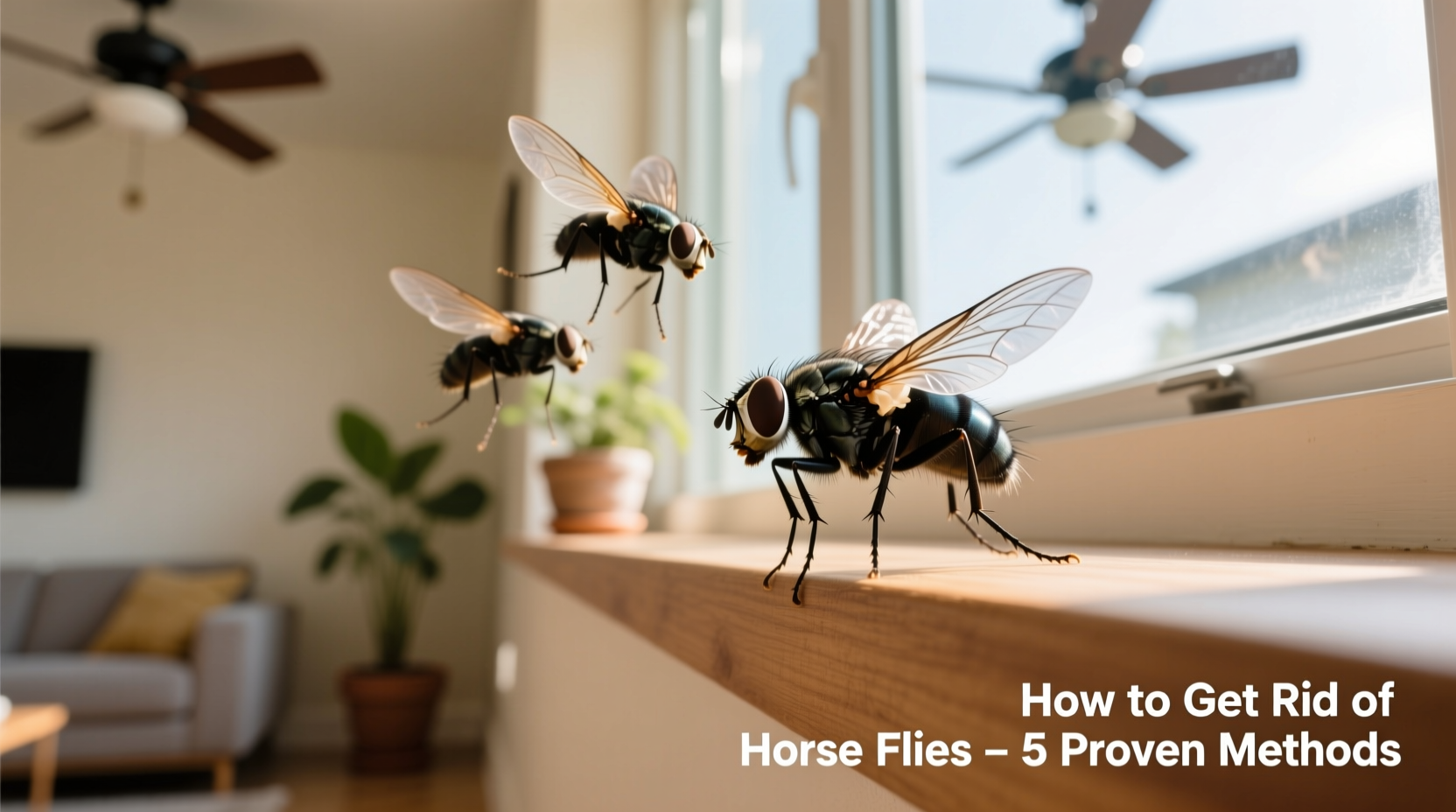
Horse flies (family Tabanidae) are large, robust flies known for their sharp mouthparts and blood-feeding habits��females require blood meals to reproduce. They’re commonly found in damp rural or semi-rural areas, especially near ponds, marshes, or pastures where animals attract them. But when they appear indoors, it usually comes down to accidental entry or environmental cues.
These insects are attracted to movement, dark colors, carbon dioxide, and body heat—all signals emitted by humans and pets. During daylight hours, particularly in summer, they may follow people toward homes and sneak in through open doors, torn screens, attic vents, or gaps around windows. Once inside, they often become disoriented, drawn to light sources like windows and lamps, making them seem relentless in their pursuit of escape—or annoyance.
Tip: Keep exterior lights off at night or switch to yellow bug-resistant bulbs to reduce attraction from outside.The Risks of Having Horse Flies Indoors
Beyond the obvious irritation of their loud flight and biting behavior, horse flies present real health concerns. A female horse fly bite can be extremely painful due to her scissor-like mouthparts that slice skin to feed on blood. Unlike mosquitoes, which inject an anticoagulant, horse flies chew tissue, increasing the risk of infection and prolonged bleeding.
- Painful bites: Immediate sharp pain followed by swelling, redness, and itching.
- Allergic reactions: Some individuals experience severe localized swelling or hives.
- Disease transmission: Though rare in residential settings, horse flies can carry pathogens such as tularemia or equine infectious anemia in animal populations.
- Stress and sleep disruption: Persistent buzzing near bedrooms or living areas affects concentration and rest.
“Horse flies are more than just a nuisance—they're capable vectors and should be taken seriously when encountered frequently indoors.” — Dr. Laura Simmons, Entomologist, University of Illinois Extension
How to Get Rid of Horse Flies in the House: Step-by-Step Guide
If you’ve spotted one or more horse flies inside, immediate action helps prevent recurrence and discomfort. Follow this practical sequence to eliminate current intruders and reduce future entries.
- Stay calm and isolate the area. Avoid swatting aggressively, which may cause injury or spread bacteria if the fly has been feeding. Close off rooms to limit movement.
- Catch or kill the fly humanely. Use a glass jar and piece of cardboard to trap it against a wall or window, then release it outside. Alternatively, use a vacuum with a hose attachment to suck it up without contact.
- Inspect entry points. Check all windows, doors, vents, and utility penetrations for damaged screens or gaps. Pay special attention to garages, basements, and sunrooms where seals may be compromised.
- Turn off interior lights and open external windows. At dusk, turn off indoor lights and open screened windows on the opposite side of the house to encourage the fly to exit toward natural light.
- Use targeted traps near problem zones. Place non-toxic sticky traps or DIY bottle traps near entryways or sunny rooms where flies congregate.
DIY Horse Fly Trap Recipe
Create an effective, low-cost trap using household items:
- 1 two-liter plastic bottle
- 1/4 cup sugar or molasses
- 1 cup water
- 1 gram of dry yeast (optional)
Cut the top third off the bottle, invert it into the base to form a funnel. Mix sugar and warm water until dissolved, add yeast, and pour into the bottom. Set near windows or doors—the scent attracts flies, but they can't escape once inside.
Prevention Checklist: Stop Horse Flies Before They Enter
Eliminating existing flies is only half the battle. Long-term control requires proactive prevention. Use this checklist weekly during peak season (late spring to early fall).
Checklist: Preventing Indoor Horse Fly Infestations- ✅ Inspect and repair window and door screens monthly
- ✅ Seal cracks around foundations, pipes, and vents with caulk
- ✅ Install tight-fitting door sweeps on exterior doors
- ✅ Trim overgrown vegetation near the house
- ✅ Eliminate standing water in gutters, buckets, or plant saucers
- ✅ Use fans indoors—horse flies struggle to fly in strong airflow
- ✅ Avoid wearing dark clothing near open doors during daytime
- ✅ Maintain clean outdoor trash bins away from entrances
Do’s and Don’ts When Dealing With Horse Flies
| Do’s | Don’ts |
|---|---|
| Use fine mesh screens (18x18 mesh or finer) | Leave doors open during daylight hours |
| Vacuum or trap flies instead of crushing them | Swat at flies with bare hands—this spreads germs |
| Wear light-colored clothing outdoors | Apply sweet-scented perfumes or lotions before going outside |
| Treat bites with antiseptic and cold compress | Scratch bites excessively—increases infection risk |
| Monitor pets for signs of fly harassment | Ignore recurring indoor sightings—could indicate nesting nearby |
Real Example: How One Family Reduced Indoor Horse Fly Sightings
The Thompson family, living on a five-acre property near a wooded creek in central Virginia, reported frequent horse fly invasions every July. Despite using bug spray and closing doors quickly, several flies entered daily, biting both children and dogs. After consulting a local pest control advisor, they discovered two key issues: a gap under their back porch door and tall grass within three feet of the foundation.
They installed a rubber door sweep, repaired a torn screen on the garage window, and began mowing the perimeter weekly. They also set up two homemade traps on the deck and switched to LED yellow lights outdoors. Within three weeks, indoor sightings dropped from 5–7 per week to zero. The changes were simple but highly effective because they addressed access and attraction simultaneously.
Frequently Asked Questions
Can horse flies lay eggs in my house?
No, horse flies do not lay eggs indoors. Females deposit eggs in moist soil near water sources, marshy areas, or decaying organic matter—typically far from human dwellings. If you see larvae inside, it’s likely another type of fly species.
Are horse flies dangerous inside the home?
While not typically dangerous, their bites can cause significant pain, allergic reactions, or secondary infections from scratching. For individuals with sensitivities, medical attention may be needed. Their presence indoors also indicates possible structural vulnerabilities.
How long do horse flies live inside a house?
Most horse flies survive only 1–3 days indoors without access to food, moisture, or escape. However, they remain active and bothersome during that time, especially in warm, sunny rooms.
Final Steps Toward a Fly-Free Home
Dealing with horse flies in the house doesn’t have to be a recurring summer frustration. By understanding how and why they get inside, responding swiftly with humane removal techniques, and implementing consistent preventive measures, you can significantly reduce—or even eliminate—their presence. It’s not about perfection; it’s about awareness and small, sustainable actions that add up over time.
Start today by walking around your home’s perimeter and inspecting every potential entry point. Repair what needs fixing, set up a simple trap, and stay vigilant during peak seasons. Your comfort, health, and peace of mind are worth the effort.
💬 Have a tip that worked for you? Share your experience in the comments below and help others keep their homes free of horse flies!








