
Pregnancy brings profound changes to a woman’s body, many of which are essential for supporting fetal development and preparing for childbirth. Among the most common discomforts reported is hip pain—a condition that affects a significant number of expectant mothers, particularly in the second and third trimesters. While often not dangerous, persistent or severe hip pain can interfere with daily activities, sleep, and overall well-being. Understanding the root causes, recognizing when intervention is needed, and applying safe, evidence-based relief methods can make a meaningful difference in quality of life during this transformative period.
Why Hip Pain Occurs During Pregnancy
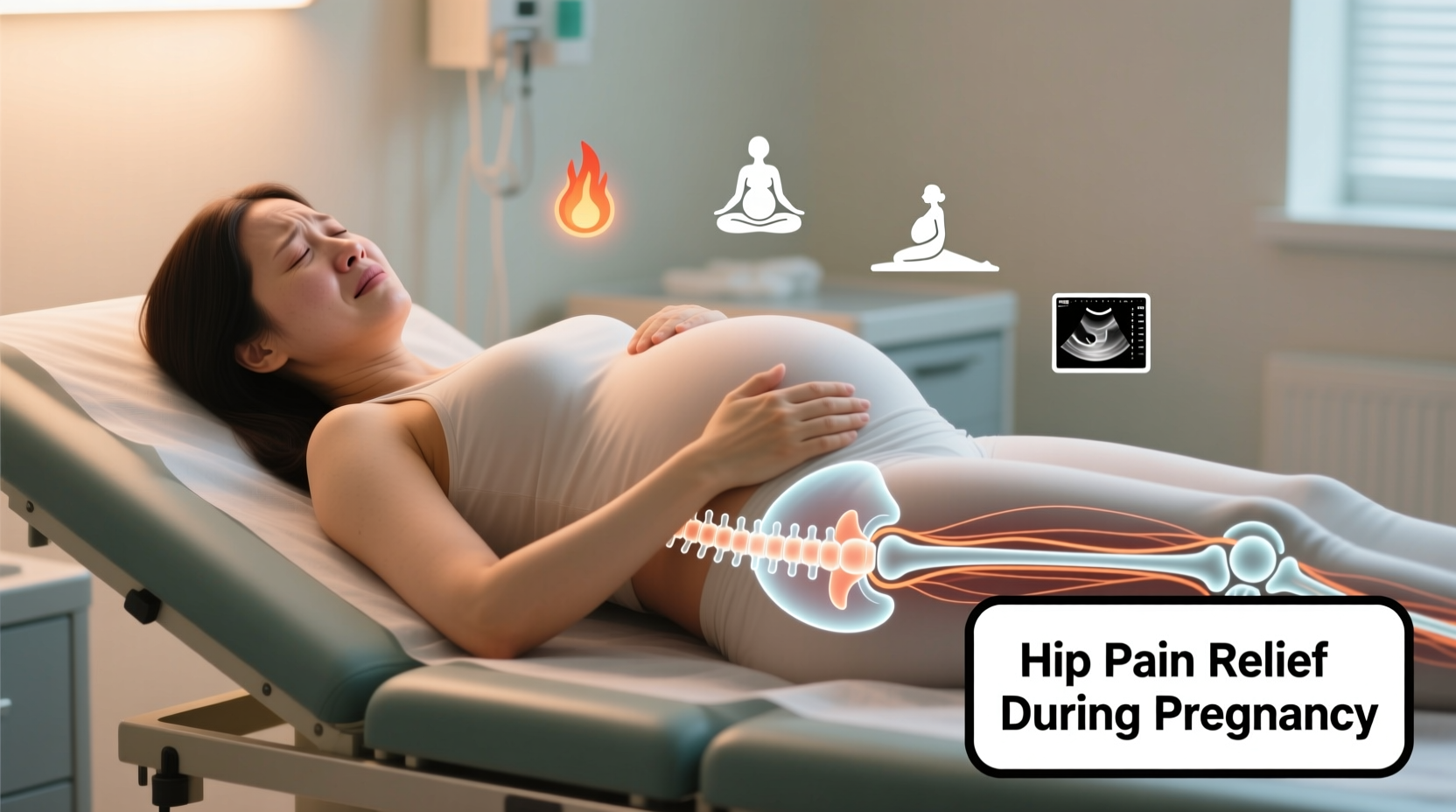
Hip pain in pregnancy is rarely due to injury or pre-existing joint disease. Instead, it arises from a combination of hormonal, biomechanical, and postural shifts. The body undergoes dramatic adaptations to accommodate a growing fetus, and these changes place new stresses on the pelvis and surrounding structures.
The primary hormone responsible for joint laxity during pregnancy is relaxin. Released by the corpus luteum and later the placenta, relaxin softens ligaments and cartilage in the pelvis to allow expansion during delivery. While beneficial for childbirth, this increased flexibility can destabilize the sacroiliac (SI) joints—where the spine meets the pelvis—and lead to misalignment and inflammation.
In addition to hormonal effects, weight gain and an altered center of gravity shift posture forward, increasing pressure on the lower back and hips. As the uterus expands, muscles such as the piriformis, gluteals, and hip flexors may become overworked or imbalanced, contributing to referred pain in the hip region.
Tip: Practice mindful posture throughout the day—avoid standing on one leg or locking your knees.Common Causes of Hip Pain in Expectant Mothers
- Sacroiliac Joint Dysfunction: Inflammation or misalignment of the SI joints due to ligamentous laxity and mechanical stress.
- Piriformis Syndrome: Tightness or spasms in the piriformis muscle, which can compress the sciatic nerve and mimic hip pain.
- Round Ligament Pain: Though typically felt in the groin, this sharp pain can radiate to the hip area, especially with sudden movements.
- Postural Imbalance: Anterior pelvic tilt from abdominal protrusion strains hip flexors and gluteal muscles.
- Gait Changes: A wider stance and waddling gait increase friction and load on hip joints.
It's important to distinguish between normal musculoskeletal discomfort and conditions requiring medical attention, such as symphysis pubis dysfunction (SPD) or sciatica. SPD involves excessive movement or separation at the pubic symphysis, causing sharp, debilitating pain with walking or leg movement.
“Up to 20% of pregnant women experience some degree of pelvic girdle pain, often centered around the hips and lower back. Early intervention improves outcomes significantly.” — Dr. Lena Torres, Maternal Physical Therapist
Safe and Effective Treatment Options
Treatment for hip pain during pregnancy emphasizes non-invasive, conservative approaches that prioritize both maternal and fetal safety. Pharmacological options are limited, making physical strategies the cornerstone of management.
Physical Therapy and Targeted Exercises
A licensed physical therapist specializing in prenatal care can design a personalized program focusing on core stability, pelvic alignment, and muscle balance. Commonly recommended exercises include:
- Bridges to strengthen glutes and support the pelvis.
- Clamshells using resistance bands to activate hip abductors.
- Pelvic tilts to improve lumbar-pelvic control.
- Standing hip abductions for gentle strengthening.
Low-impact aerobic activities like swimming or stationary cycling can also maintain fitness without aggravating hip strain.
Supportive Devices
Pregnancy belts or sacroiliac supports provide external compression around the pelvis, stabilizing loose joints and reducing pain during activity. These are especially helpful for women who spend long hours on their feet or experience pain with transitions like standing up or climbing stairs.
| Treatment Method | Benefits | When to Use |
|---|---|---|
| Prenatal Massage | Reduces muscle tension, improves circulation | Weekly or bi-weekly sessions; avoid deep tissue on abdomen |
| Heat Therapy | Eases stiffness and soothes sore muscles | 15–20 minutes before bed or after activity |
| Chiropractic Care (Webster-certified) | Aligns pelvis, reduces nerve interference | With provider trained in prenatal adjustments |
| Acupuncture | Modulates pain signals, promotes relaxation | By licensed practitioner familiar with pregnancy points |
Practical Relief Strategies for Daily Comfort
While formal treatments help, integrating small adjustments into daily routines can yield consistent relief.
Tip: Sleep on your side with a pillow between your knees to maintain hip alignment and reduce nocturnal pain.Step-by-Step Guide to Pain-Reducing Habits
- Morning Movement Routine: Begin the day with gentle stretches—cat-cow, seated forward bends, and ankle circles—to warm up stiff joints.
- Sitting Posture Check: Sit with feet flat, back supported, and hips slightly higher than knees using a small cushion if needed.
- Lifting Technique: Avoid lifting heavy objects. If necessary, squat with bent knees rather than bending at the waist.
- Footwear Choice: Wear supportive, low-heeled shoes to minimize pelvic tilt and gait instability.
- Nighttime Support: Use a full-body pillow to maintain spinal alignment while sleeping.
Mini Case Study: Sarah’s Experience with Hip Pain Relief
Sarah, a 32-year-old first-time mother at 28 weeks, began experiencing sharp pain in her right hip when climbing stairs or rolling over in bed. Initially dismissing it as normal pregnancy discomfort, she found it increasingly difficult to walk without limping. After consulting her OB-GYN, she was referred to a prenatal physical therapist. Over six weekly sessions, Sarah learned targeted stabilization exercises and started wearing a maternity support belt during work hours. She also adjusted her workstation to reduce prolonged sitting. Within four weeks, her pain decreased from a 7/10 to a manageable 2/10, and she regained confidence in her mobility.
FAQ: Common Questions About Hip Pain in Pregnancy
Is hip pain during pregnancy a sign of labor?
Not necessarily. While increased pelvic pressure and hip discomfort can occur in late pregnancy as the baby descends, isolated hip pain earlier in gestation is usually due to musculoskeletal changes. True labor signs include regular contractions, cervical dilation, and possibly fluid leakage.
Can I take pain relievers for hip pain while pregnant?
Acetaminophen (Tylenol) is generally considered safe for occasional use during pregnancy with doctor approval. NSAIDs like ibuprofen are discouraged, especially in the third trimester, due to potential risks to fetal development.
Will hip pain go away after giving birth?
For most women, hip pain resolves within weeks to months postpartum as hormone levels normalize and the body regains stability. However, lingering discomfort may require continued physical therapy or evaluation for unresolved joint dysfunction.
Checklist: Managing Hip Pain During Pregnancy
- ✅ Consult your healthcare provider to rule out serious conditions
- ✅ Schedule an appointment with a prenatal physical therapist
- ✅ Incorporate daily stretching and strengthening exercises
- ✅ Use a pregnancy support belt during active periods
- ✅ Adjust sleep position with supportive pillows
- ✅ Wear supportive, flat footwear
- ✅ Avoid prolonged sitting or standing without breaks
- ✅ Consider safe complementary therapies like prenatal massage or acupuncture
Conclusion: Prioritize Comfort and Confidence
Hip pain during pregnancy, though common, doesn’t have to be endured in silence. With a proactive approach combining professional guidance, targeted movement, and smart lifestyle adjustments, most women can find meaningful relief. Listening to your body, seeking timely care, and implementing sustainable habits not only ease current discomfort but also support a smoother recovery after delivery. Don’t hesitate to advocate for your comfort—your well-being is foundational to a healthy pregnancy journey.
💬 Have you experienced hip pain during pregnancy? Share your tips or questions below to connect with other expectant mothers and build a supportive community.








