
For dog owners dealing with escape artists—those clever canines who chew, dig, climb, or disassemble their way out of confinement—choosing the right containment system isn’t just about convenience. It’s about safety, peace of mind, and preventing destructive behavior born from anxiety or boredom. While standard wire crates are common and affordable, they often fall short when faced with determined dogs. Heavy-duty dog crates, built for strength and durability, present a more robust alternative. This guide breaks down the differences, strengths, and limitations of each option, offering practical solutions for pet parents facing daily breakout attempts.
The Escape Artist Problem: Why Standard Crates Fail
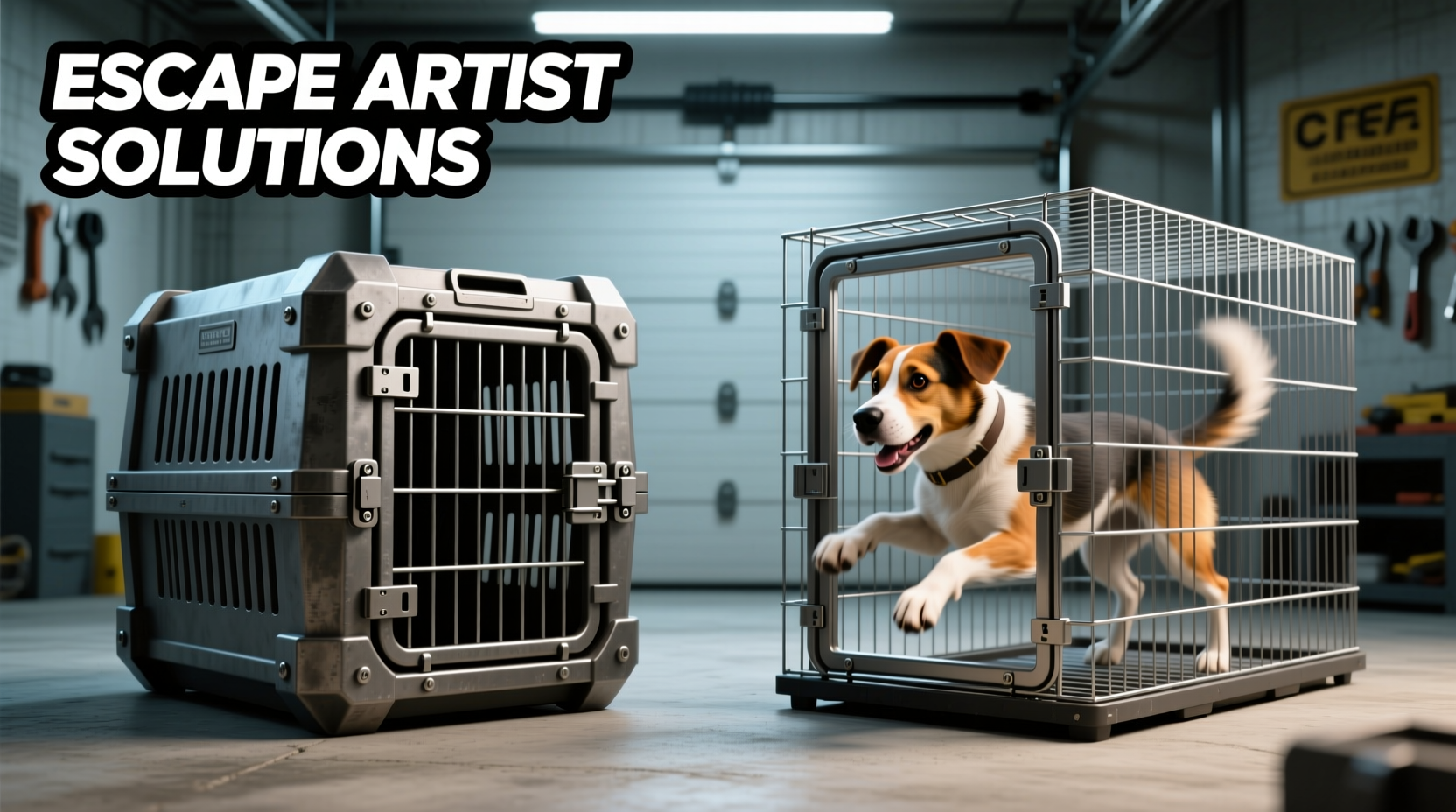
Dogs escape crates for various reasons: separation anxiety, overstimulation, boredom, or instinctual digging and chewing behaviors. Breeds like Huskies, German Shepherds, Border Collies, and Terriers are particularly prone to testing boundaries. A typical wire crate, while ventilated and foldable, is constructed from thin-gauge metal with plastic pan inserts and latches that can be pried open by persistent paws or teeth.
Many owners report finding bent bars, chewed tray edges, or even fully dismantled doors after leaving their dog unattended. In some cases, dogs injure themselves trying to escape—cutting paws on bent metal or ingesting plastic fragments. The structural integrity of standard crates simply isn’t designed for high-force interactions.
Tip: If your dog has escaped once, assume they’ll try again—and plan for a stronger, more secure solution.Heavy Duty Dog Crate: Built for Strength
Heavy-duty dog crates are engineered for maximum security. Typically made from thick-gauge steel or reinforced aluminum, these units feature welded joints instead of rivets, industrial-grade latches, and non-removable trays. Some models are used in police K-9 units, transport services, or by breeders managing large, powerful dogs.
These crates often come with double-door systems (front and side access), airflow vents without weak points, and powder-coated finishes to resist rust and chewing. Their weight makes them nearly immovable, which prevents dogs from tipping or sliding them across floors during panic episodes.
While heavier and less portable than wire crates, heavy-duty models excel in durability. They’re ideal for dogs that exert significant force, have a history of escaping, or need long-term confinement due to training or recovery from surgery.
“Dogs don’t test crates out of defiance—they do it because they’re stressed or under-stimulated. But when they do, only a structurally sound enclosure can keep them safe.” — Dr. Lena Patel, Veterinary Behavior Specialist
Wire Cage: Pros, Cons, and Common Weaknesses
Wire cages remain popular due to affordability, visibility, and ease of assembly. Most fold flat for storage and allow good air circulation. However, their design introduces multiple vulnerabilities for escape-prone dogs:
- Thin metal bars: Can be bent or spread apart with sustained pressure.
- Plastic corners and trays: Easily chewed, cracked, or removed—providing footholds or exit points.
- Spring-loaded latches: Often manipulated by paws or noses; some dogs learn to lift them within days.
- Floor gaps: Allow digging at underlying surfaces, potentially destabilizing the crate.
Despite these flaws, wire crates work well for calm dogs, short-term use, or travel when monitored. For escape artists, however, they often become tools for self-reinforced destruction—each failed escape attempt making the next one more likely as the dog learns what works.
Comparative Analysis: Heavy Duty Crate vs Wire Cage
| Feature | Heavy Duty Crate | Wire Cage |
|---|---|---|
| Material | Thick steel or reinforced aluminum | Thin-gauge wire mesh |
| Construction | Welded joints, no removable parts | Riveted or bolted, often with detachable trays |
| Latch Security | Double-locking, recessed mechanisms | Surface-mounted spring latches |
| Portability | Low – very heavy, often permanent placement | High – foldable, lightweight |
| Ventilation | Good, but limited by solid panels | Excellent – full visibility and airflow |
| Escape Resistance | Very High – withstands chewing, pushing, climbing | Low to Moderate – vulnerable to manipulation |
| Price Range | $150–$400+ | $50–$120 |
| Best For | Powerful breeds, escape artists, long-term use | Calm dogs, temporary housing, travel |
Real-World Case: Max the Siberian Husky
Max, a 3-year-old Siberian Husky from Colorado, had escaped three different wire crates within six months. His owner, Sarah, returned home to find bent bars, chewed plastic trays, and once, a missing door panel he’d somehow loosened and pushed aside. Fearing injury or him running into traffic, she consulted a certified dog trainer who recommended switching to a heavy-duty welded steel crate.
Sarah invested in a model with a double-bolt latch and fixed floor. She anchored it to the wall using manufacturer-supplied brackets. Within days, escape attempts ceased. Max still vocalized briefly when crated, but no longer injured himself or damaged property. The trainer noted that while behavioral training was ongoing, the secure environment reduced Max’s anxiety—knowing escape wasn’t an option helped him settle faster.
This case illustrates a key principle: sometimes, environmental management must precede behavioral change. A secure crate doesn’t replace training—it enables it.
Step-by-Step: Securing Any Crate Against Escapes
Even the strongest crate can fail if improperly set up. Follow this sequence to maximize effectiveness:
- Assess your dog’s escape method: Does he chew the tray? Push the door? Tip the crate? Observe or use a camera to identify weak points.
- Choose the right size: Too large, and the dog has room to build momentum; too small, and stress increases. Aim for just enough space to stand, turn, and lie down comfortably.
- Anchor the crate: Use wall anchors or anti-tip straps to prevent sliding or flipping. This is critical for both heavy-duty and wire models on slick floors.
- Reinforce latches: Add a secondary lock (e.g., carabiner or padlock) on wire crates. For heavy-duty models, ensure locking pins are fully engaged.
- Remove chewable components: Replace plastic trays with rubber mats or custom-cut plywood covered in non-toxic sealant. Avoid adding toys with soft parts.
- Desensitize gradually: Never force immediate acceptance. Use treats, meals, and short sessions to build positive associations.
- Monitor and adjust: Check for wear weekly. If signs of stress persist, consult a behaviorist before increasing confinement time.
When a Crate Isn't Enough: Complementary Solutions
A secure crate is just one part of managing an escape artist. Without addressing root causes—boredom, anxiety, lack of exercise—the dog may continue to exhibit distress even in a foolproof enclosure.
- Exercise: High-energy breeds need 60–90 minutes of vigorous activity daily to reduce pent-up energy that fuels destructive behavior.
- Mental stimulation: Puzzle feeders, obedience drills, and scent games tire the mind as much as physical activity tires the body.
- Behavioral training: Work with a certified professional to address separation anxiety or impulse control issues.
- Alternative spaces: Consider a securely gated room with dog-proofed furniture and flooring if crating all day isn’t feasible.
In some cases, combining a heavy-duty crate with a larger enclosed area provides both structure and freedom. For example, placing the crate inside a secured basement or mudroom allows supervised liberty while maintaining a safe retreat.
Checklist: Choosing the Right Escape-Proof Solution
Before purchasing or modifying a crate, verify the following:
- ☑ Dog has no history of injuring themselves while confined
- ☑ Crate material exceeds standard wire thickness (minimum 14-gauge steel recommended)
- ☑ Latch is recessed and requires two motions to open
- ☑ Floor is solid and non-removable, or securely fastened
- ☑ Crate is anchored to floor or wall
- ☑ No accessible plastic components within bite range
- ☑ Size allows comfort without excess space for running
- ☑ Environment supports gradual acclimation and positive reinforcement
Frequently Asked Questions
Can I modify a wire crate to make it escape-proof?
Yes, to an extent. Reinforce latches with padlocks, cover plastic trays with rubber or metal guards, and anchor the unit securely. However, bent bars cannot be reliably strengthened. For chronic escape artists, upgrading to a heavy-duty model is more effective long-term.
Are plastic crates a better option for escape artists?
Solid plastic (also called “airline-style”) crates are chew-resistant and harder to tip, but they can still be damaged by determined dogs. Ventilation is limited, and they may crack under impact. They work well for medium-sized dogs with moderate escape tendencies but are not ideal for large, powerful breeds.
How long should I crate my dog each day?
Adult dogs should not be crated more than 6–8 hours daily, including overnight. Puppies require bathroom breaks every few hours. Extended crating can increase stress and worsen escape motivation. Use crates for rest and safety, not as full-time housing.
Final Thoughts: Safety First, Training Always
Selecting between a heavy-duty dog crate and a wire cage comes down to matching the enclosure to your dog’s behavior, strength, and needs. For calm, well-trained dogs, a wire cage may suffice. But for escape artists, investing in a heavy-duty crate isn’t an overreaction—it’s a necessary step in ensuring their safety and yours.
No crate eliminates the need for proper training, mental engagement, and emotional support. The most secure enclosure works best when paired with a holistic approach to canine well-being. By combining durable equipment with consistent routines and behavioral guidance, you create an environment where your dog feels safe—even when they can’t break free.
🚀 Take action today: Evaluate your current crate, identify escape risks, and upgrade if needed. Your dog’s safety and your peace of mind depend on it. Share your experience or ask questions in the comments below—let’s help fellow pet owners keep their furry Houdinis safe and sound.








