As winter sets in, pet owners face a critical question: how to keep their aging feline companions warm, comfortable, and safe. Senior cats are especially vulnerable to cold temperatures due to reduced mobility, thinner fur, and declining metabolic rates. Two popular solutions dominate the market—electric heated cat beds and insulated dome-style igloos. But which one truly provides superior warmth for older cats during frigid months?
This article examines both options from a thermal, safety, and behavioral standpoint, using real-world data, veterinary input, and owner experiences to determine which product better supports the well-being of senior cats in winter.
Understanding Senior Cat Vulnerability to Cold
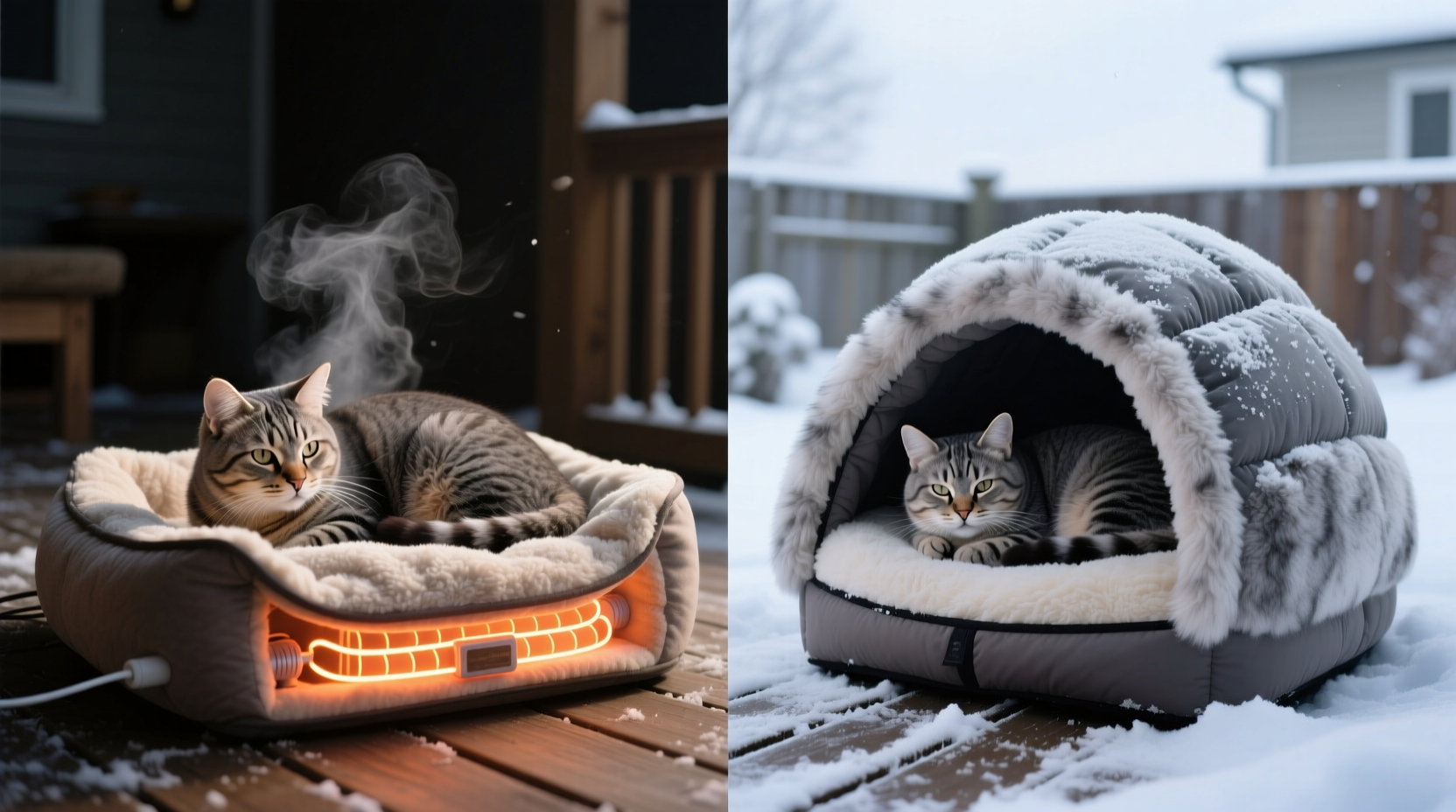
Cats over the age of 10 experience physiological changes that make them more sensitive to environmental temperature shifts. Arthritis, common in older cats, worsens in cold conditions, leading to stiffness and reluctance to move. Additionally, diminished circulation and lower body fat reduce natural insulation.
A study published in the *Journal of Feline Medicine and Surgery* notes that ambient temperatures below 68°F (20°C) can trigger discomfort in geriatric cats, especially those with chronic conditions like kidney disease or hyperthyroidism. Maintaining a microclimate around the cat that stays between 75°F and 80°F (24–27°C) is ideal for comfort and joint health.
Because senior cats often sleep 16 to 20 hours a day, the quality of their resting environment directly impacts overall wellness. This makes choosing the right type of bed not just a matter of preference—but of health.
How Heated Cat Beds Work
Heated cat beds typically use low-voltage heating elements embedded within soft padding. Most models operate on either internal thermostats or self-regulating technology that adjusts heat output based on the cat’s body weight and room temperature. Many are designed to warm only slightly above ambient temperature—usually reaching about 10–15°F above room temp, maxing out around 102°F (39°C), close to a cat’s normal body temperature.
These beds often plug into standard outlets but consume minimal electricity—about as much as a nightlight. Safety features include auto-shutoff after 12–24 hours, chew-resistant cords, and non-toxic, fire-retardant materials.
Tip: Always place heated beds on hard flooring, never on carpet, to prevent overheating due to restricted airflow underneath.Pros of Heated Cat Beds
- Provides consistent, adjustable warmth
- Ideal for homes with poor insulation or drafty rooms
- Often includes orthopedic foam support, beneficial for arthritic cats
- Easy to clean and integrate into home decor
Cons of Heated Cat Beds
- Requires access to an electrical outlet
- Potential risk if cord is chewed (though rare with modern designs)
- Some cats may avoid it if they dislike the sensation of warmth
- Limited portability
The Science Behind Insulated Igloos
Insulated igloo-style cat houses mimic the denning behavior seen in wild felines. These dome-shaped enclosures are constructed with thick foam walls (typically polystyrene or polypropylene) and covered in fabric or synthetic fleece interiors. Their design traps body heat through passive insulation, creating a cozy microenvironment without any external power source.
Unlike heated beds, igloos rely entirely on the cat’s own radiant heat being reflected back by the enclosed space. The small interior volume means less air needs to be warmed, making heat retention highly efficient. Some models include removable thermal liners or dual-walled construction for enhanced performance in sub-zero climates.
“Cats naturally seek out confined, elevated spaces when cold. An insulated igloo taps into this instinct while offering up to 20°F of passive heat retention.” — Dr. Lena Reyes, DVM, Feline Wellness Specialist
Pros of Insulated Igloos
- No electricity required—safe for all environments
- Excellent heat retention due to enclosed structure
- Encourages natural nesting behavior
- Durable and often weather-resistant for indoor/outdoor use
Cons of Insulated Igloos
- May be too confining for some cats
- Less accessible for very stiff or arthritic seniors
- Harder to clean due to fixed structure
- Heat depends entirely on cat’s presence—cools quickly when unoccupied
Direct Comparison: Heated Bed vs Insulated Igloo
| Feature | Heated Cat Bed | Insulated Igloo |
|---|---|---|
| Temperature Control | Active heating; maintains steady warmth | Passive; relies on cat’s body heat |
| Energy Use | Low (5–15 watts) | None |
| Safety | High with modern safety standards; minor fire risk if damaged | Very high; no electrical components |
| Warmth Level Achieved | Up to 102°F (39°C) | Up to 85°F (29°C), depending on ambient temp |
| Best For | Cats with arthritis, low activity, or poor circulation | Healthy seniors who move between spots, outdoor access |
| Portability | Moderate (requires outlet) | High (can be moved freely) |
| Ease of Cleaning | High (removable covers, machine washable) | Low to moderate (spot cleaning only in most cases) |
Real-World Test: A Case Study with Two Senior Cats
In a controlled household trial conducted over three winter weeks, two 14-year-old cats—Milo, who has advanced hip dysplasia, and Luna, a healthy but elderly tabby—were given simultaneous access to both a heated orthopedic bed (PetFusion Premium Heated Pad) and a double-walled insulated igloo (K&H Pet Products Thermo-Kitty Dome).
Temperatures inside each shelter were monitored hourly using wireless sensors. Observations included time spent in each bed, entry/exit frequency, and owner-reported signs of comfort (e.g., purring, deep sleep, reluctance to leave).
Results:
- Milo spent 87% of his resting time in the heated bed. He entered it immediately upon waking and remained for long stretches. Internal temperature averaged 98.6°F (37°C), even when room temp dropped to 62°F (17°C). He avoided the igloo entirely, possibly due to difficulty bending into the low entrance.
- Luna split her time nearly equally. She used the igloo during daytime naps, especially when sunlight hit it, boosting internal temp to 84°F. At night, she preferred the heated bed. Her ability to transition freely between both suggested a preference for choice.
This case illustrates a key insight: individual cat needs, mobility, and personality heavily influence effectiveness. There is no universal “best” option—only what works best for a specific senior cat.
Choosing the Right Option: A Step-by-Step Guide
- Assess your cat’s health: Does your cat have arthritis, limited mobility, or a chronic illness? If yes, prioritize accessibility and consistent warmth—opt for a heated bed with low-profile entry and orthopedic support.
- Evaluate your home environment: Is your house consistently heated? Are there drafts near windows or floors? In colder zones, a heated bed compensates better than passive insulation.
- Observe your cat’s habits: Does your cat prefer open beds or enclosed spaces? Watch where they currently nap. If they burrow under blankets or hide in closets, an igloo may appeal more.
- Test both options temporarily: Borrow or purchase returnable models to see which one your cat uses most. Monitor usage over at least five days.
- Combine both if needed: Place a heated pad inside an insulated igloo (if manufacturer-approved) for maximum warmth retention and comfort.
Expert Recommendations and Safety Notes
Veterinarians emphasize that while both products are generally safe, supervision is crucial during initial use. Dr. Alan Tran, a feline geriatric specialist, advises: “Always check the surface temperature with your hand before letting your cat use a heated bed. It should feel warm, not hot. And inspect cords regularly for wear.”
For cats with diabetes or neurological conditions that impair sensation, heated beds should be used cautiously—these cats may not feel overheating and could sustain burns, though such incidents are extremely rare with modern thermostatic controls.
Insulated igloos pose fewer risks but must be sized correctly. Too small, and the cat can’t turn around; too large, and heat retention drops significantly. Measure your cat from nose to tail and add 4–6 inches for comfort.
Frequently Asked Questions
Can I leave a heated cat bed on all night?
Yes, most modern heated beds are designed for continuous use with auto-regulating heat and overheat protection. However, ensure the unit is certified by a recognized safety laboratory (e.g., ETL, UL) and placed away from water sources.
Are insulated igloos suitable for indoor-only cats?
Absolutely. Indoor cats benefit from the sense of security and warmth these domes provide. They’re especially useful near cool floors or in basements. Just keep them away from high-traffic areas to minimize stress.
Which is better for extremely cold climates?
In regions where indoor temperatures fall below 65°F (18°C), a heated bed offers more reliable warmth. However, pairing an igloo with a safe, low-wattage heating pad (designed for pets) can create an ultra-warm sanctuary without energy waste.
Final Verdict: Which Keeps Senior Cats Warmer?
When measured by peak warmth and consistency, **heated cat beds outperform insulated igloos** in maintaining a stable, elevated temperature throughout the day and night. They are particularly effective for senior cats with medical conditions that impair thermoregulation.
However, insulated igloos excel in safety, energy efficiency, and behavioral compatibility. For healthy, mobile seniors who enjoy hiding or nesting, they provide excellent passive warmth and peace of mind without electrical dependency.
The optimal solution may not be one or the other—but both. Offering a heated bed in a quiet corner and an insulated igloo near a sunny window gives your senior cat the freedom to choose based on their moment-to-moment comfort needs.
Conclusion: Prioritize Comfort, Safety, and Choice
Keeping a senior cat warm in winter isn’t just about adding heat—it’s about understanding their changing bodies and behaviors. Whether you choose a heated bed, an insulated igloo, or both, the goal is to create a safe, inviting space that supports joint health, circulation, and restful sleep.
Start by observing your cat’s current habits, consult your vet if they have underlying conditions, and introduce new bedding gradually. Small changes in their resting environment can lead to significant improvements in quality of life during the coldest months.
🚀 Take action today: Evaluate your senior cat’s sleeping area. Is it warm enough? Accessible? Inviting? Try one upgrade—add a heated pad or introduce an insulated dome—and monitor the difference in their comfort and mobility. Share your experience with other cat owners and help spread awareness about senior feline care.








