For pet owners committed to feeding their dogs clean, nutritious food, store-bought treats often fall short—loaded with preservatives, fillers, and artificial flavors. A better solution lies in the kitchen: homemade sweet potato dog treats. This simple, nutrient-dense recipe delivers chewy, flavorful snacks that support canine digestion, skin health, and energy levels—all without processed ingredients. Sweet potatoes are a vet-recommended carbohydrate source for dogs, offering complex carbs, fiber, and essential vitamins. By baking your own treats, you control every ingredient, ensuring safety for dogs with allergies or sensitivities. This guide provides a complete walkthrough of why sweet potatoes benefit dogs, how to prepare them safely, and a foolproof recipe that yields shelf-stable, tasty results.
Definition & Overview
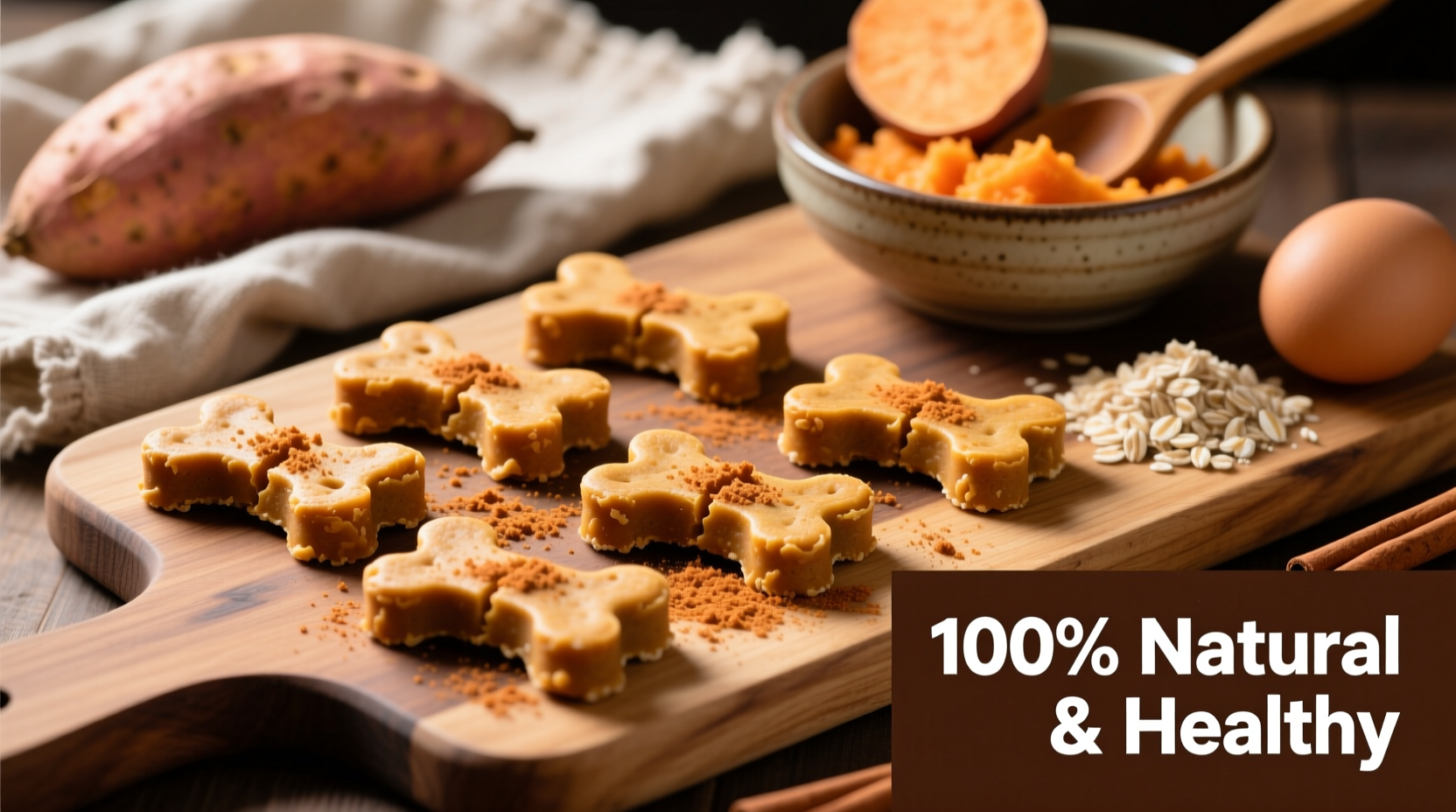
Sweet potato dog treats are baked or dehydrated snacks made primarily from sweet potatoes and minimal supplementary ingredients like flour, egg, or oats. Unlike commercial treats that may contain meat by-products or synthetic additives, this version uses whole-food components ideal for dogs with dietary restrictions. Sweet potatoes (*Ipomoea batatas*) are root vegetables native to Central and South America, now cultivated globally for both human and animal consumption. In canine nutrition, they serve as a digestible source of slow-release energy, making them particularly suitable for active dogs or those managing weight.
The use of sweet potatoes in dog diets surged after widespread recalls of grain-based kibble linked to dilated cardiomyopathy (DCM), prompting pet owners to seek alternative carbohydrates. While the science remains nuanced, many veterinarians acknowledge that properly prepared sweet potatoes offer nutritional advantages when fed in moderation. These treats function not only as rewards during training but also as functional food—supporting gut microbiota through soluble fiber and providing antioxidants such as beta-carotene, which converts to vitamin A in the body.
Key Characteristics
| Attribute | Description |
|---|---|
| Flavor Profile | Naturally sweet, earthy, mildly nutty; appealing to most dogs without added sugars. |
| Aroma | Toasted sweetness when baked; becomes more concentrated during dehydration. |
| Color/Form | Deep orange flesh (most common); can range from pale yellow to purple depending on variety. Final treat form is firm, slightly chewy biscuit. |
| Texture | Crunchy on the outside, tender inside if baked at lower heat; fully dried versions are hard and long-lasting. |
| Culinary Function | Binds dough, adds moisture, contributes nutritional density; acts as base ingredient rather than seasoning. |
| Shelf Life | Up to 3 weeks refrigerated; up to 3 months frozen; 1–2 weeks at room temperature in airtight container. |
| Allergenic Risk | Low—rarely allergenic compared to wheat, soy, dairy, or beef. Suitable for rotational diets. |
Practical Usage: How to Use Sweet Potatoes in Homemade Dog Treats
Incorporating sweet potatoes into dog treats requires careful preparation to ensure digestibility and safety. Dogs cannot efficiently break down raw starches, so cooking is non-negotiable. Boiling, steaming, or baking transforms resistant starch into digestible forms while preserving nutrients. Once cooked, sweet potatoes act as a natural binder in dough, reducing the need for eggs or gums. They also add moisture, preventing treats from becoming overly dry—a common complaint with grain-free recipes.
Begin by selecting firm, unblemished sweet potatoes. Organic options are preferable to minimize pesticide exposure, especially since dogs consume these treats regularly. Peel the skins unless they're certified organic and thoroughly scrubbed, as waxed or chemically treated skins may harbor residues. After peeling, cook until fork-tender using one of three methods:
- Baking (Recommended): Wrap whole sweet potatoes in parchment-lined foil and bake at 400°F (200°C) for 45–60 minutes. This method concentrates flavor and reduces water content, yielding thicker puree ideal for shaping.
- Boiling: Cut into chunks and simmer in unsalted water for 20–25 minutes. Drain well and mash. Faster but may leach some water-soluble nutrients.
- Steaming: Preserves the highest nutrient content. Steam diced pieces for 25–30 minutes until soft. Best for maximizing vitamin retention.
After cooking, blend or mash until smooth. Allow cooling before incorporating into the treat dough. Excess moisture must be managed—too much leads to crumbling or mold during storage. If the puree feels watery, spread it on a baking sheet and dehydrate at 170°F (75°C) for 1–2 hours to thicken.
Pro Tip: Freeze leftover sweet potato puree in ice cube trays for future batches. Thaw as needed—this streamlines weekly treat prep and prevents waste.
Recipe: Healthy Sweet Potato Dog Treats (Yield: ~40 treats)
- Ingredients:
- 1 cup mashed cooked sweet potato (approx. 1 medium potato)
- 2 ½ cups whole wheat flour (or oat flour for gluten-free option)
- 1 large egg
- 2 tablespoons unsweetened applesauce (optional, enhances binding)
- 1 tablespoon coconut oil (melted)
- ½ teaspoon ground cinnamon (optional, aids digestion)
- Instructions:
- Preheat oven to 350°F (175°C). Line a baking sheet with parchment paper.
- In a large bowl, combine mashed sweet potato, egg, applesauce, and coconut oil. Mix until uniform.
- Add flour gradually, stirring until a stiff dough forms. Knead lightly on floured surface if needed.
- Roll out dough to ¼-inch thickness. Use cookie cutters or knife to shape into bones, circles, or squares.
- Place treats on baking sheet, leaving space between each.
- Bake for 20 minutes, then flip and bake another 15–20 minutes until golden and firm.
- Turn off oven and let treats sit inside for 1–2 hours to further dry (improves crunch and shelf life).
- Cool completely before storing.
Treats should be firm but not burnt. For softer chews, reduce second bake time or omit the post-bake oven drying. Adjust flour amount based on sweet potato moisture—some varieties release more water than others.
Variants & Types
Sweet potato treats can be adapted for different textures, dietary needs, and preservation goals. Understanding these variants allows customization based on your dog’s age, health status, and chewing ability.
1. Soft-Baked Treats
Ideal for senior dogs or puppies with developing teeth. Bake only 15–18 minutes total, skipping the extended drying phase. Store in refrigerator and use within 10 days. Can include pumpkin or banana for added moisture and flavor variation.
2. Dehydrated Chews
Slice sweet potatoes into ½-inch rounds or strips and dehydrate at 135°F (57°C) for 6–8 hours until leathery and pliable. No additional ingredients needed. These mimic commercial \"chew sticks\" without preservatives. Excellent for long-duration chewing and dental stimulation.
3. Grain-Free Version
Replace wheat flour with:
- Oat flour (blend rolled oats into fine powder)
- Coconut flour (use ⅓ cup max—highly absorbent)
- Almond flour (not recommended for dogs with nut sensitivities)
4. Protein-Enhanced Treats
Mix in ¼ cup finely ground cooked chicken, turkey, or salmon meal for higher protein content. Ideal for working dogs or those needing muscle support. Ensure meat is fully cooked and cooled before adding.
5. Limited-Ingredient Treats
For allergy testing or elimination diets: use only sweet potato and egg. Roll thin, cut small, and bake until crisp. Introduce one new ingredient at a time to monitor reactions.
Storage Note: Always label containers with date and ingredients. Rotate stock—older treats lose freshness and may develop rancidity, especially if containing oils.
Comparison with Similar Ingredients
Sweet potatoes are often confused with other tubers and starch sources used in pet foods. Understanding differences ensures proper selection and avoids potential health risks.
| Ingredient | Sweet Potato | White Potato | Yam | Pumpkin |
|---|---|---|---|---|
| Scientific Name | Ipomoea batatas | Solanum tuberosum | Dioscorea spp. | Cucurbita pepo |
| Dog-Safe? | Yes (cooked) | Yes (cooked, no green parts) | Yes (true yams rare in U.S.) | Yes (plain, canned or fresh) |
| Glycemic Index | Moderate (~70) | High (~85) | Variable | Low (~50) |
| Fiber Content | High (soluble & insoluble) | Moderate | Moderate | High (especially soluble) |
| Vitamin A | Very high (beta-carotene) | Low | Low | High |
| Common Risks | Overfeeding → loose stools | Raw = toxic (solanine) | Often mislabeled as sweet potato | Too much → diarrhea |
“Sweet potatoes offer a balanced profile of complex carbohydrates and micronutrients unmatched by refined grains. When used appropriately, they’re an excellent tool in holistic canine nutrition.” — Dr. Lena Torres, DVM, Board-Certified Veterinary Nutritionist
Practical Tips & FAQs
Can I feed my dog raw sweet potato?
No. Raw sweet potatoes are difficult to digest and may cause gastrointestinal upset or intestinal blockage, especially in small breeds. Always cook thoroughly before feeding.
How much sweet potato can I give my dog?
Treats should make up no more than 10% of daily caloric intake. For a 30-lb dog, one average-sized treat (1 inch diameter) is sufficient per day. Adjust portion size based on activity level and overall diet.
Are sweet potatoes safe for diabetic dogs?
Use with caution. While rich in fiber, sweet potatoes have a moderate glycemic index. Consult your veterinarian before introducing them to diabetic dogs. Pumpkin or green beans may be safer alternatives.
Why did my treats mold after a week?
Inadequate drying is the most common cause. Moisture encourages bacterial and fungal growth. Ensure treats are baked long enough and stored in airtight containers. Refrigeration extends freshness significantly.
Can I use canned sweet potatoes?
Not recommended. Most canned versions contain syrup, salt, or preservatives harmful to dogs. Fresh or frozen (unsweetened) is best. Canned pumpkin is acceptable if labeled 100% pure pumpkin.
My dog has a sensitive stomach. Is this recipe suitable?
Start with a limited-ingredient test batch (sweet potato + egg only). Monitor for 48 hours. If no vomiting, gas, or diarrhea occurs, gradually increase serving size. Avoid cinnamon and oils initially if sensitivity is severe.
Do I need to peel sweet potatoes?
Yes, unless organically grown and meticulously cleaned. Peels may retain pesticides, waxes, or dirt. Cooking does not eliminate all surface contaminants.
Can I freeze these treats?
Absolutely. Freeze in single-layer sheets, then transfer to sealed bags. Thaw at room temperature for 15–20 minutes before serving. Freezing preserves quality for up to 3 months.
What flour substitute works best?
Oat flour is the top choice—nutritious, gentle on digestion, and binds well. Avoid almond flour due to potential cyanide risk in large amounts and poor digestibility in some dogs.
Can I double the recipe?
Yes, but adjust baking time slightly. Larger batches may require rotating trays halfway through for even browning. Cool completely before stacking to prevent condensation.
Summary & Key Takeaways
Homemade sweet potato dog treats represent a significant upgrade over commercial options—offering transparency, nutrition, and palatability in one simple recipe. Sweet potatoes provide essential vitamins, fiber, and sustained energy, making them a functional ingredient in canine diets when used appropriately. The key to success lies in proper preparation: always cook sweet potatoes thoroughly, manage moisture content, and avoid harmful additives like xylitol, salt, or sugar.
This recipe is adaptable for dogs of all sizes and dietary needs—from grain-free versions for sensitive systems to protein-fortified options for active breeds. Variants like dehydrated chews extend usability beyond training rewards, doubling as dental tools or long-lasting entertainment. Compared to similar starch sources, sweet potatoes stand out for their antioxidant content and lower allergenic potential.
By mastering this foundational recipe, pet owners gain confidence in preparing safe, wholesome food at home. Each batch reinforces the bond between human and dog—not just through taste, but through care, attention, and intentionality.
Next Step: Try a flavor variation next week—add blueberries (antioxidant boost) or parsley (natural breath freshener). Track your dog’s response and refine your recipe for optimal health and enjoyment.









