Dog owners increasingly seek natural, wholesome alternatives to commercial pet treats, many of which contain preservatives, artificial flavors, or fillers. One of the most effective and nutritionally sound solutions is making healthy homemade dried sweet potato treats for dogs. These treats are simple to prepare, cost-effective, and offer a fiber-rich, low-fat snack that supports canine digestion and dental health. Unlike store-bought versions that may include added sugars or unknown ingredients, homemade dried sweet potatoes allow full control over quality and sourcing. This guide provides a comprehensive, science-informed approach to crafting these treats safely and effectively, ensuring they meet both culinary and nutritional standards for dogs at every life stage.
Definition & Overview
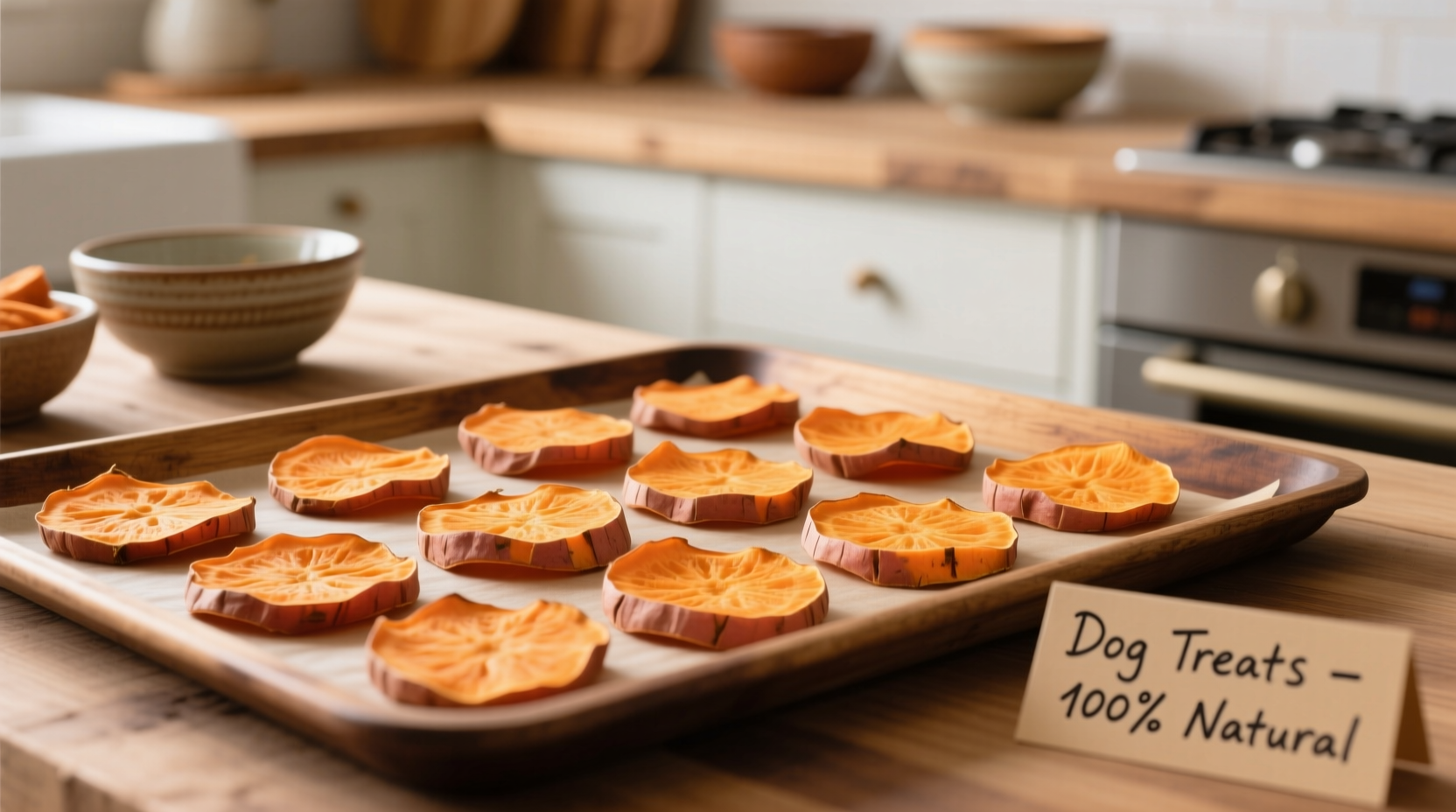
Dried sweet potato treats for dogs are dehydrated slices or cubes of sweet potato (Ipomoea batatas), a root vegetable native to Central and South America. When prepared correctly—without oil, salt, sugar, or spices—they serve as a nutritious, chewy snack suitable for training, rewards, or daily supplementation. The drying process removes moisture, concentrating natural sweetness while preserving key nutrients such as beta-carotene, dietary fiber, and complex carbohydrates. Unlike raw sweet potatoes, which can be difficult for dogs to digest, the cooking and dehydration process breaks down starches, enhancing digestibility. These treats are especially valued in holistic pet care circles for their clean-label appeal and functional benefits.
The rise in popularity of homemade pet treats reflects broader trends in human-grade pet food, where transparency and ingredient integrity are paramount. According to the Association of American Feed Control Officials (AAFCO), sweet potatoes are recognized as a safe and beneficial ingredient in canine diets when properly prepared. Their low fat and moderate glycemic index make them suitable even for dogs managing weight or mild insulin sensitivity—though portion control remains essential.
Key Characteristics
| Characteristic | Description |
|---|---|
| Flavor | Naturally sweet with earthy undertones; becomes more concentrated after drying |
| Aroma | Mildly roasted, slightly caramelized when fully dehydrated |
| Color/Form | Deep orange to golden-brown slices; chewy or crisp depending on dehydration time |
| Heat Level | None – non-spicy and safe for all dogs |
| Culinary Function | Training reward, dental chew, digestive aid, hypoallergenic alternative |
| Shelf Life | Up to 3 months in an airtight container at room temperature; up to 6 months frozen |
| Allergenic Risk | Low; considered hypoallergenic compared to common proteins like chicken or beef |
Practical Usage: How to Make Dried Sweet Potato Treats at Home
Creating high-quality dried sweet potato treats requires minimal equipment and precise technique. The goal is to achieve thorough dehydration without charring, ensuring microbial safety and optimal texture. Two primary methods exist: using a food dehydrator or an oven. Both yield excellent results when executed properly.
Step-by-Step Dehydrator Method
- Select fresh, organic sweet potatoes – Choose firm, unblemished roots without soft spots or green tinges (which may indicate solanine presence).
- Wash and peel thoroughly – Scrub under running water to remove soil and contaminants. Peeling eliminates potential pesticide residues and tough skin that could cause intestinal upset.
- Cut into uniform pieces – Slice into ¼-inch thick rounds or matchsticks. Uniformity ensures even drying. Avoid varying thicknesses, which lead to inconsistent textures.
- Blanch (optional but recommended) – Submerge slices in boiling water for 3 minutes. This step reduces microbial load, preserves color, and softens fibers for better digestibility.
- Arrange on dehydrator trays – Place in a single layer without overlapping. Rotate trays periodically if your model lacks a fan.
- Dehydrate at 135°F (57°C) for 6–8 hours – Check hourly after six hours. Fully dried treats should be leathery or crisp with no moisture when torn.
- Cool completely before storing – Allow to reach room temperature to prevent condensation in storage containers.
Oven-Drying Alternative
For those without a dehydrator, a conventional oven works well with careful monitoring:
- Preheat oven to its lowest setting, ideally between 170°F and 200°F (77°C–93°C). If unavailable, use 225°F (107°C) with the door slightly ajar.
- Place sweet potato slices on wire racks set over baking sheets to promote airflow.
- Dry for 2–4 hours, flipping halfway through. Total time depends on thickness and oven accuracy.
- Test doneness by bending: properly dried pieces will crack slightly but not snap unless very thin.
Pro Tip: For small dogs or puppies, cut treats into bite-sized pieces post-drying. Large chunks pose choking hazards. Always supervise your dog during initial consumption to assess chewing behavior.
Portioning and Feeding Guidelines
Treats should constitute no more than 10% of a dog’s daily caloric intake. For reference:
- A 10 lb (4.5 kg) dog: 1–2 small slices per day
- A 30 lb (13.6 kg) dog: 3–4 medium slices
- A 70 lb (32 kg) dog: Up to 6 slices, split across multiple sessions
Introduce gradually over 3–5 days to monitor for gastrointestinal reactions such as gas or loose stools, particularly in sensitive breeds.
Variants & Types
While plain dried sweet potato is the gold standard, several variations exist—some beneficial, others best avoided.
1. Pure Sweet Potato (Recommended)
Single-ingredient treats offer maximum control and safety. Ideal for dogs with allergies, pancreatitis, or obesity due to absence of fats and additives.
2. Sweet Potato Blends
Some recipes incorporate complementary ingredients:
- Pumpkin + Sweet Potato: Enhanced fiber and vitamin A synergy; supports gut motility.
- Sweet Potato + Apple: Adds natural pectin and tartness; avoid in diabetic dogs due to fructose content.
- Sweet Potato + Cinnamon (trace amounts): Anti-inflammatory properties; use only food-grade cinnamon sparingly (max 1/8 tsp per cup of puree).
3. Commercially Processed Versions
Store-bought “sweet potato” treats often contain:
- Filler grains (wheat, corn)
- Soy protein isolate
- Artificial preservatives (BHA, BHT)
- Added molasses or brown sugar
These undermine the health benefits and may trigger allergies or metabolic issues. Always read labels carefully.
4. Freeze-Dried vs. Air-Dried
| Type | Texture | Nutrient Retention | Best For |
|---|---|---|---|
| Air-Dried (Home Method) | Chewy to crisp | High (especially beta-carotene) | Dental wear, long chew sessions |
| Freeze-Dried (Commercial) | Light, brittle, porous | Very high (preserves enzymes) | Picky eaters, travel snacks |
Home preparation typically yields air-dried treats, which are more accessible and equally effective when made correctly.
Comparison with Similar Ingredients
Sweet potatoes are often confused with other root vegetables used in pet treats. Understanding distinctions ensures proper selection.
| Ingredient | Dog-Safe? | Glycemic Index | Key Difference |
|---|---|---|---|
| Sweet Potato | Yes (when cooked) | Moderate (~63) | Rich in beta-carotene; highly digestible when dried |
| White Potato | Risky (raw contains solanine) | High (~82) | Higher GI; must be fully cooked; less nutrient-dense |
| Yams (True Yams) | Limited data; generally safe cooked | Unknown | Not commonly grown in North America; often mislabeled as sweet potatoes |
| Carrots | Yes (raw or cooked) | Low (~39) | Lower calorie; crunchier; less energy-dense |
\"Sweet potatoes provide a balanced source of complex carbs and antioxidants, making them superior to starchy alternatives like white potatoes for routine canine snacking.\" — Dr. Lena Torres, DVM, Board-Certified Veterinary Nutritionist
Practical Tips & FAQs
Can I use sweet potato skins?
No. While edible for humans, skins may harbor bacteria, pesticides, or mold spores harmful to dogs. They’re also harder to digest and may cause intestinal blockages in small breeds.
Are dried sweet potatoes safe for diabetic dogs?
Cautiously. Though lower on the glycemic index than many treats, sweet potatoes still raise blood glucose. Consult your veterinarian before feeding to diabetic dogs. Limit portions and pair with high-protein meals to slow absorption.
How do I know if my treats are fully dried?
Perform the bend-and-snap test: flexible but dry throughout. Any visible moisture or stickiness indicates incomplete dehydration, increasing risk of mold growth during storage.
Can I speed up drying with higher heat?
No. Excessive temperatures (above 145°F / 63°C) can create a false crust—dry on the outside, moist within—promoting bacterial growth. Slow, consistent drying preserves nutrients and ensures safety.
My dog has pancreatitis. Can he have these treats?
Yes, in moderation. Plain dried sweet potatoes are fat-free and easily tolerated. However, introduce slowly and avoid combining with fatty foods. Monitor stool consistency closely.
Is there a risk of vitamin A toxicity?
Unlikely. Beta-carotene from plant sources is converted to vitamin A on demand, reducing overdose risk compared to preformed vitamin A (retinol) in liver-based products.
Can I freeze dried sweet potato treats?
Yes. Store in vacuum-sealed or zip-top freezer bags for up to 6 months. Freezing halts oxidation and prevents rancidity, especially in humid climates.
Storage Checklist:
- Use glass jars or BPA-free plastic with tight seals
- Include a silica gel packet to absorb residual moisture
- Label with preparation date
- Store in a cool, dark pantry away from appliances
- Discard if any off-odor, discoloration, or fuzz appears
What about recalls related to dilated cardiomyopathy (DCM)?
In recent years, the FDA investigated a potential link between certain grain-free diets containing legumes and potatoes (not sweet potatoes) and DCM in dogs. Current evidence does not implicate plain sweet potatoes as a standalone ingredient. The concern centers on formulated diets with imbalanced amino acid profiles—not occasional treats. As always, balance is key.
Summary & Key Takeaways
Homemade dried sweet potato treats represent one of the safest, most nutritious options for canine snacking. When prepared without additives and fully dehydrated, they deliver sustained energy, support digestive health, and satisfy chewing instincts. Their versatility makes them ideal for training, senior dogs needing soft-textured rewards, or pets with food sensitivities.
Key points to remember:
- Always cook and dehydrate sweet potatoes—never feed raw.
- Peel thoroughly and slice uniformly for even drying.
- Avoid oils, salts, sugars, and spices.
- Limit treats to 10% of daily calories.
- Store in airtight containers; freeze extras.
- Monitor dogs with diabetes or kidney disease before regular use.
Ready to start? Pick up two organic sweet potatoes this week and try the basic dehydrator method. Within hours, you’ll have a batch of wholesome, vet-approved treats your dog will love—and you can feel good about giving.









