Dogs that pull on their leash are a common challenge for pet owners. While it might seem like a simple behavioral issue, the tools used—collars versus harnesses—can have profound effects on a dog’s physical well-being. When a dog pulls while wearing a traditional collar, pressure is applied directly to the neck, risking tracheal damage, spinal strain, and even eye issues over time. This raises a critical question: which option—harness or collar—is better at preventing choking and promoting safe, comfortable walks?
The answer isn't just about comfort—it's about long-term health, training effectiveness, and humane handling. Understanding the mechanics of force distribution, the types of equipment available, and how they interact with canine anatomy is essential for making an informed decision.
Anatomy of Pulling: Why Neck Pressure Is Dangerous
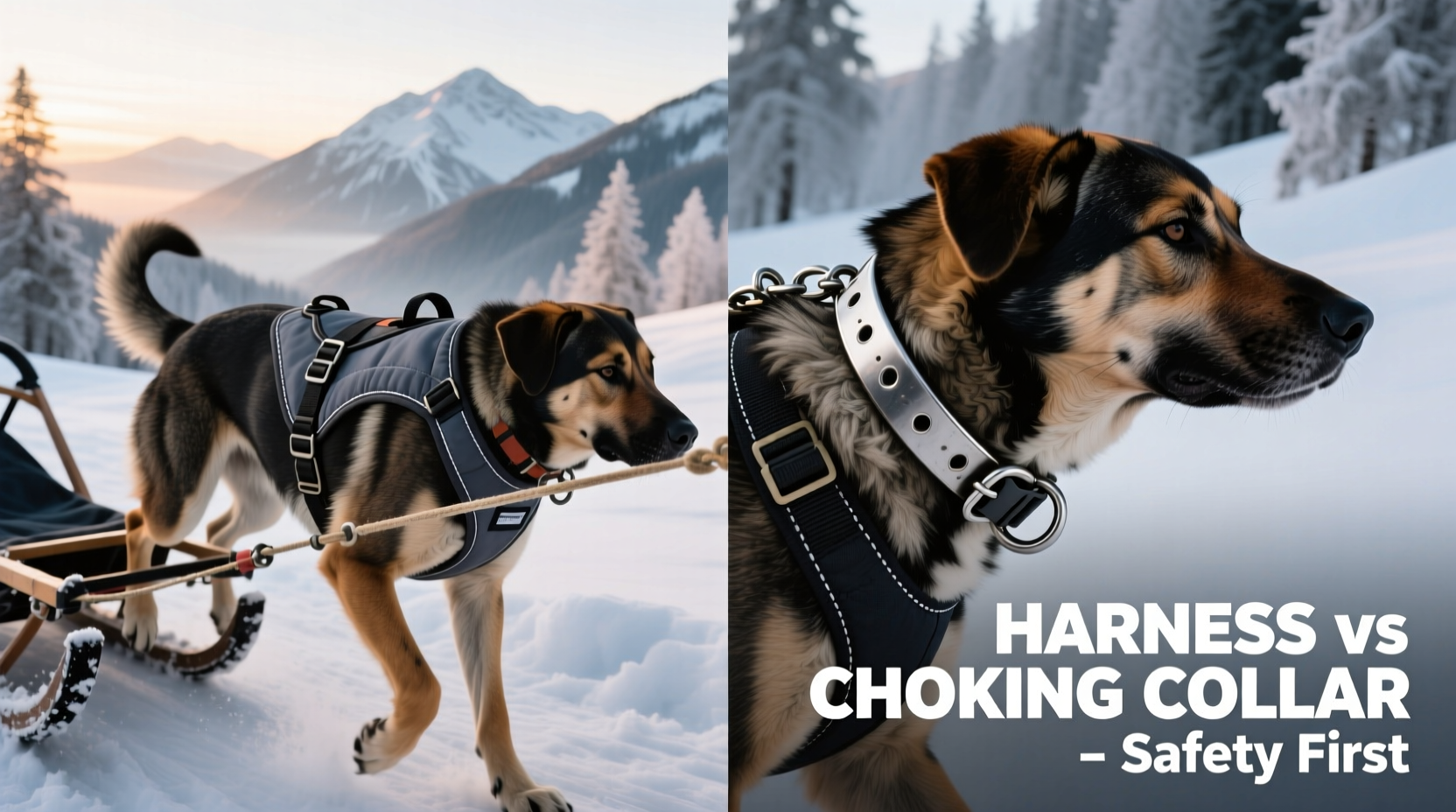
A dog’s neck houses vital structures: the trachea (windpipe), major blood vessels, nerves, and vertebrae. When a dog lunges forward and the leash tightens around a standard flat collar, the force concentrates in this sensitive area. Even moderate pulling can generate enough pressure to collapse the trachea temporarily or cause micro-injuries over time.
Veterinary studies have shown that sustained or repeated pressure on the neck can lead to:
- Tracheal collapse or irritation
- Laryngeal paralysis
- Increased intraocular pressure (a risk for dogs prone to glaucoma)
- Cervical spine misalignment
- Fainting episodes due to restricted blood flow to the brain
Small breeds, brachycephalic dogs (like Pugs or Bulldogs), and older dogs with pre-existing conditions are especially vulnerable. Yet, even large, athletic dogs aren’t immune to cumulative damage from years of collar-based pulling.
“Any time a dog pulls against a neck collar, you’re asking for structural compromise. The safest path is eliminating neck pressure entirely.” — Dr. Lena Reyes, Veterinary Behaviorist
Harness vs Collar: A Functional Comparison
The fundamental difference between a harness and a collar lies in where force is distributed. A collar restricts movement through the neck, while a properly designed harness shifts tension to the torso—the strongest and most resilient part of a dog’s body.
Not all harnesses are created equal, however. Some poorly designed models still allow excessive strain or even encourage pulling. The key is understanding design features and fit.
Types of Harnesses
- Front-Clip Harness: The leash attaches at the chest, redirecting the dog’s momentum sideways when they pull. This naturally discourages forward motion and gives the handler more control.
- Back-Clip Harness: Leash connects between the shoulders. More common and comfortable for casual walking but offers less anti-pull functionality unless combined with training.
- No-Pull Harness: Often combines front-clip design with adjustable straps that gently tighten across the chest when pulling occurs, creating discomfort-free feedback.
Types of Collars
- Flat Collar: Standard everyday collar. Suitable for ID tags and light leashing but unsafe for pulling.
- Choke Chain / Prong Collar: Designed to tighten under force. These deliver aversive corrections and can cause significant injury if misused.
- Martingale Collar: Tightens slightly to prevent escape but not intended for pulling control. Safer than choke chains but still applies neck pressure.
Which Option Stops the Choke? Evidence-Based Analysis
When evaluating whether a harness or collar prevents choking during pulling, the evidence overwhelmingly favors harnesses—specifically front-attaching models.
A 2020 study published in the *Journal of Veterinary Behavior* compared cervical pressure in dogs walking with collars versus front-clip harnesses. Results showed up to 75% less force transmitted to the neck when using a front-clip harness. Additionally, dogs exhibited fewer signs of distress, such as coughing, gagging, or pawing at the neck.
In contrast, even brief episodes of pulling on a flat collar generated peak pressures exceeding 20 pounds per square inch—enough to impair blood flow and damage delicate tissues.
| Feature | Front-Clip Harness | Back-Clip Harness | Flat Collar | Prong Collar |
|---|---|---|---|---|
| Neck Pressure During Pull | Very Low | Moderate | High | Extreme |
| Trachea Protection | Excellent | Good | Poor | Fair (but causes trauma) |
| Pulling Deterrence | High | Low | None | High (aversive method) |
| Suitability for Training | Ideal | Moderate | Poor | Counterproductive |
| Risk of Injury | Minimal | Low | High | Very High |
The data makes one thing clear: only a well-fitted front-clip harness consistently eliminates choking risk while offering humane, effective control.
Real-World Example: Transforming a Strong Puller
Meet Max, a two-year-old Australian Shepherd adopted by Sarah after being surrendered by a previous owner who said he was “too strong to walk.” Max would lunge at squirrels, bark at other dogs, and drag Sarah down sidewalks, often leaving her with sore shoulders and frayed nerves. Initially, she tried a standard collar and later switched to a prong collar on the advice of a trainer. While it reduced pulling, Max began showing signs of anxiety—whining before walks and avoiding the closet where his gear was stored.
Concerned, Sarah consulted a certified positive-reinforcement trainer. They recommended switching to a front-clip harness (specifically the PetSafe Easy Walk model) paired with reward-based training. Within three weeks, Max’s pulling decreased by 80%. The harness redirected his forward momentum, giving Sarah gentle control without pain or fear. Over time, Max learned to walk beside her for treats and praise.
Most importantly, the chronic cough Max had since puppyhood disappeared within a month—likely due to reduced tracheal irritation from the old collar.
This case illustrates how equipment and methodology work together. The harness didn’t “fix” Max overnight, but it created the conditions for successful, low-stress training.
Choosing the Right Harness: A Step-by-Step Guide
Selecting a harness that truly prevents choking requires attention to fit, function, and comfort. Follow this sequence to make the best choice:
- Measure Your Dog: Use a soft tape measure around the deepest part of the chest (behind the front legs) and the neck. Compare these numbers to the manufacturer’s sizing chart.
- Choose Clip Position: For pullers, select a front-clip or dual-clip (front and back) harness. Front attachment provides automatic redirection.
- Check Adjustability: Look for multiple adjustment points—chest, shoulder, and girth straps—to ensure a snug, non-slip fit.
- Test the Fit: Once on, you should be able to fit two fingers comfortably under any strap. The harness shouldn’t ride up over the shoulders or twist during movement.
- Introduce Gradually: Let your dog wear the harness indoors with treats and praise. Avoid attaching the leash on day one to build positive associations.
- Train with It: Pair the harness with consistent cues like “let’s go” or “easy” and reward loose-leash walking. Never yank or jerk—use the harness’s design to guide, not punish.
Common Mistakes to Avoid
Even the best harness can fail if used incorrectly. Steer clear of these frequent errors:
- Using a back-clip harness for a strong puller: This can actually encourage pulling by acting like a sled dog rig.
- Oversizing for growth: A loose harness can slip, rub, or allow escape. Reassess size every few months for puppies.
- Ignoring chafing: Check underarms and behind legs regularly for redness or sores, especially during long walks.
- Skipping training: Equipment supports training—it doesn’t replace it. Dogs need to learn what’s expected.
- Attaching a retractable leash to a front-clip: These leashes encourage pulling and can damage harness stitching or overwhelm the redirection mechanism.
Frequently Asked Questions
Can I still use a collar with a harness?
Yes—and you should. Many owners keep a lightweight collar under the harness for ID tags. Just ensure the leash is always attached to the harness during walks, never the collar, to avoid neck strain.
Will a harness stop my dog from pulling completely?
A harness reduces pulling by changing the physics of resistance, but it’s not a magic fix. Combined with positive reinforcement training, it significantly improves behavior. Expect progress over weeks, not days.
Are there dogs that shouldn’t use a harness?
Dogs with certain medical conditions—such as recent abdominal surgery or respiratory issues—may require veterinary guidance. However, most dogs benefit physically from harness use. Always consult your vet if unsure.
Final Recommendation: Prioritize Safety and Long-Term Health
When it comes to preventing choking in dogs that pull, the verdict is clear: harnesses, particularly front-attaching models, are superior to collars in every measurable way. They eliminate dangerous pressure on the neck, reduce the risk of injury, and support humane training practices.
Collars still have a place—for identification, short indoor leashing, or as backup—but they should never bear the load of a pulling dog. Making the switch to a well-fitted harness is one of the simplest, most impactful changes a dog owner can make for their pet’s long-term well-being.
Start today. Measure your dog, research reputable harness brands, and begin the transition with patience and positivity. Your dog may not walk perfectly at first, but with the right tools and consistency, both of you can enjoy safer, more enjoyable walks—free from choking, strain, and frustration.
💬 Have you made the switch from collar to harness? Share your experience, tips, or questions in the comments below—your story could help another dog owner make a life-changing choice.








