For dog owners with powerful or excitable pets, walking can quickly turn from a relaxing ritual into a physical tug-of-war. Strong-pulling dogs strain against their restraints, risking injury to themselves and their handlers. The debate between using a harness versus a collar isn’t just about comfort—it’s a matter of safety, control, and long-term well-being. While collars have been traditional choices for decades, modern research and veterinary recommendations increasingly favor harnesses—especially for dogs that pull. Understanding the biomechanics, risks, and behavioral implications of each option allows pet owners to make informed decisions that protect both their dog’s health and the quality of their daily walks.
Anatomy of Canine Neck and Chest: Why Fit Matters
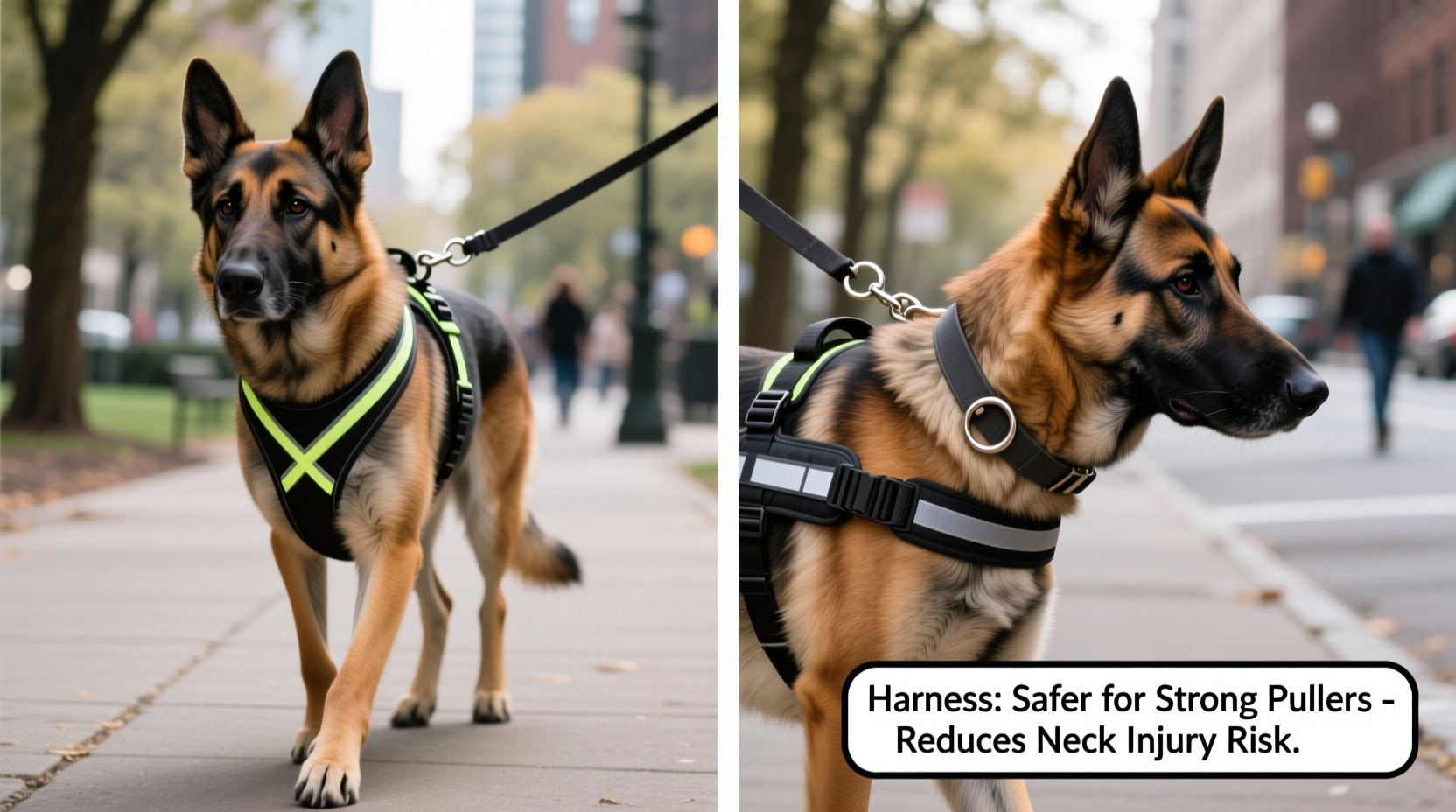
Dogs are not built to withstand sustained pressure on their necks. Unlike humans, whose vertebrae support the weight of the head in an upright position, dogs carry their heads horizontally, making their cervical spine particularly vulnerable to compression and twisting forces. When a dog pulls against a collar, pressure concentrates on the trachea, thyroid, esophagus, and spinal column. Repeated strain can lead to chronic issues such as collapsed trachea, laryngeal paralysis, or even nerve damage.
In contrast, a properly fitted harness distributes force across the chest and shoulders—areas better equipped to handle load. The sternum and ribcage provide structural support, reducing the risk of internal injury. This fundamental difference in load distribution makes harnesses inherently safer for dogs prone to pulling, especially larger breeds like Huskies, German Shepherds, or Boxers, whose strength can easily overpower a handler when directed through a neck-based restraint.
“Chronic pressure on the neck from collars can lead to irreversible damage in dogs, particularly those who pull. A front-clip harness significantly reduces strain on vital structures.” — Dr. Laura Greenspan, DVM, Veterinary Behavior Specialist
Safety Comparison: Collar vs Harness
The primary concern with collars for strong pullers is injury risk. Even standard flat collars, when subjected to sudden jerks or constant tension, can cause microtrauma over time. Choke chains or prong collars, sometimes used to deter pulling, amplify these dangers by delivering painful corrections that may suppress behavior without addressing its root cause—and at the cost of physical harm.
Harnesses come in multiple designs, but not all offer equal protection. Back-clip harnesses (where the leash attaches between the shoulder blades) still allow dogs to leverage their full strength, potentially encouraging pulling due to opposition reflex—the instinctive push forward when pulled back. Front-clip harnesses, however, redirect the dog’s momentum by turning them gently toward the handler when they pull, offering better control without pain.
Tip: Always choose a no-pull harness with a front attachment point for dogs that pull strongly. Combine it with positive reinforcement training for lasting results.Key Safety Risks by Restraint Type
| Type | Safety Risks | Best For | Not Recommended For |
|---|---|---|---|
| Flat Collar | Tracheal damage, eye pressure spikes, spinal stress | Calm dogs, ID tag attachment | Pullers, brachycephalic breeds (e.g., Pugs, Bulldogs) |
| Choke/Prong Collar | Nerve damage, skin abrasions, fear-based aggression | Short-term use under professional guidance | Unsupervised use, fearful or reactive dogs |
| Back-Clip Harness | Encourages pulling, potential shoulder chafing | Small dogs, casual walking | Strong pullers, large breeds |
| Front-Clip Harness | Minimal; possible initial resistance during adjustment | Strong pullers, training-focused walks | Dogs with shoulder injuries (consult vet) |
| Head Halter (e.g., Gentle Leader) | Misuse leading to neck strain, discomfort if improperly fitted | Dogs needing directional control | Dogs with neck or spinal conditions |
Behavioral Impact: How Equipment Influences Training
The tool you choose affects more than physical safety—it shapes your dog’s learning experience. Dogs wearing collars that cause pain when they pull may associate the discomfort not only with pulling but also with external stimuli like other dogs, people, or traffic. This can contribute to reactivity or anxiety over time. In contrast, a well-fitted front-clip harness removes the reward of forward motion when pulling occurs, naturally discouraging the behavior through consequence-free redirection.
When combined with positive reinforcement—such as rewarding loose-leash walking—harnesses create a constructive feedback loop. The dog learns that staying close earns treats and praise, while pulling leads nowhere. This method fosters confidence and cooperation rather than fear or submission.
A common misconception is that harnesses encourage pulling because they’re more comfortable. In reality, comfort alone doesn’t drive behavior; motivation does. A dog pulls because they want to reach something ahead—a squirrel, another dog, a scent. The solution lies in managing that motivation through equipment that limits success when pulling occurs and rewards calm behavior.
Mini Case Study: Transforming a Puller with the Right Harness
Max, a two-year-old Labrador Retriever, would lunge and drag his owner down the street within seconds of leaving the house. His previous trainer recommended a prong collar, which reduced pulling temporarily but made Max tense around other dogs. After switching to a front-clip harness (the Freedom No-Pull model), his owner began pairing walks with high-value treats whenever Max stayed beside her. Within three weeks, Max’s pulling decreased by over 70%. By week six, he walked calmly on a loose leash in low-distraction environments. The combination of humane equipment and consistent training transformed their walks from stressful battles into enjoyable bonding time.
Step-by-Step Guide to Transitioning Your Dog to a Harness
Switching from a collar to a harness requires patience and positive association. Follow this timeline to ensure a smooth transition:
- Week 1: Introduce the harness indoors. Let your dog sniff it, touch it, and receive treats for approaching or interacting with it. Place it near food bowls or toys to build positive associations.
- Day 5–7: Practice short fittings. Put the harness on for brief periods while giving treats or playing. Remove it before any signs of frustration. Goal: 5-minute wear time with calm behavior.
- Week 2: Attach the leash inside. Walk around the house or yard with the leash attached. Reward frequently for walking beside you. Use verbal cues like “let’s go” to signal direction changes.
- Week 3: Begin outdoor walks in low-distraction areas. Choose quiet streets early in the morning. Keep walks short (10–15 minutes). Focus on rewarding attention and loose-leash walking.
- Week 4+: Gradually increase duration and distraction. Visit busier sidewalks, parks, or dog-populated areas. Continue reinforcing desired behavior. If pulling resumes, stop moving until the leash slackens, then reward and proceed.
Common Myths About Harnesses Debunked
- Myth: Harnesses cause shoulder problems. There is no scientific evidence that well-fitted harnesses impair shoulder function. In fact, studies show that poorly fitted collars pose greater musculoskeletal risks.
- Myth: Only small dogs need harnesses. Larger, stronger dogs benefit even more due to their ability to generate greater force on the neck.
- Myth: Harnesses are only for old or injured dogs. Preventative care matters. Using a harness from puppyhood protects developing tissues and sets good walking habits early.
- Myth: Dogs will always pull less on a collar. Some dogs learn to “bull-neck” through collars, applying even more pressure and increasing injury risk.
Checklist: Choosing the Right Harness for a Strong Puller
- ✅ Look for a front leash attachment point (usually on the chest)
- ✅ Ensure adjustability at neck, chest, and girth for a snug, non-restrictive fit
- ✅ Choose padded straps to prevent chafing, especially behind the front legs
- ✅ Verify the harness has a backup leash ring on the back for flexibility
- ✅ Avoid harnesses with excessive fabric that could trap heat or rub sensitive areas
- ✅ Test the harness with a short walk before committing to long outings
- ✅ Confirm easy bathroom access—some harnesses interfere with elimination posture
When a Collar Might Still Be Appropriate
While harnesses are generally safer for walking, collars still serve important roles. Every dog should wear a collar with ID tags for identification purposes—even if they walk in a harness. In controlled environments like obedience classes or quiet backyard play, a flat collar poses minimal risk. However, for actual walking, especially in urban settings or with dogs that pull, the collar should not be the primary attachment point for the leash.
Veterinary professionals increasingly recommend a dual-system approach: a harness for walking and a separate, comfortable collar for ID tags. This ensures safety during movement while maintaining legal compliance and traceability if the dog ever gets lost.
Frequently Asked Questions
Can using a harness make my dog pull more?
Some dogs initially pull harder in a back-clip harness because it functions like a sled—pulling backward causes them to move forward. This is not a flaw of harnesses overall, but of design. Switching to a front-clip harness typically resolves this issue by redirecting the dog’s momentum inward when they surge ahead.
Are there any dogs that shouldn’t use a harness?
Dogs with certain medical conditions—such as recent shoulder surgery, deep chest conformation (like Greyhounds), or respiratory issues—may require specialized fitting or veterinary consultation. However, most dogs, including seniors and puppies, benefit from harness use when properly selected and adjusted.
How tight should a harness be?
A correctly fitted harness allows two fingers to slide comfortably under each strap. It should not shift excessively side-to-side or ride up over the shoulders. Check fit regularly, especially in growing puppies or dogs experiencing weight changes.
Conclusion: Prioritizing Safety and Long-Term Well-Being
When it comes to choosing between a harness and a collar for strong-pulling dogs, the evidence overwhelmingly supports harnesses—particularly front-clip models—as the safer, more humane, and more effective option. They protect delicate neck structures, improve handling, and support positive training outcomes without relying on pain or intimidation. While collars remain useful for identification, they should not bear the mechanical load of restraining a powerful dog during walks.
The shift toward harnesses reflects a broader evolution in canine care—one rooted in empathy, science, and respect for the animal’s physical limits. Making the switch may take time and patience, but the payoff is immense: safer walks, healthier joints, and a stronger bond between dog and owner. If you're still using a collar for walks with a dog that pulls, consider trying a well-designed harness. Your dog’s comfort—and your own peace of mind—will thank you.
💬 Have experience with harnesses or collars for strong pullers? Share your story or tips in the comments below—your insights could help another dog owner make a safer choice today.








