
For many small pet owners, ensuring their hamster gets enough physical and mental stimulation is a top priority. Hamsters are naturally active creatures, especially during the night, and without proper outlets, they can become stressed, lethargic, or develop behavioral issues. Two of the most common tools used to keep hamsters active are exercise wheels and exercise balls. While both promise movement and engagement, they differ significantly in design, safety, and impact on a hamster’s well-being. Choosing between them isn’t just about preference—it’s about understanding how each option affects your pet’s health, comfort, and overall happiness.
Understanding Hamster Behavior and Exercise Needs
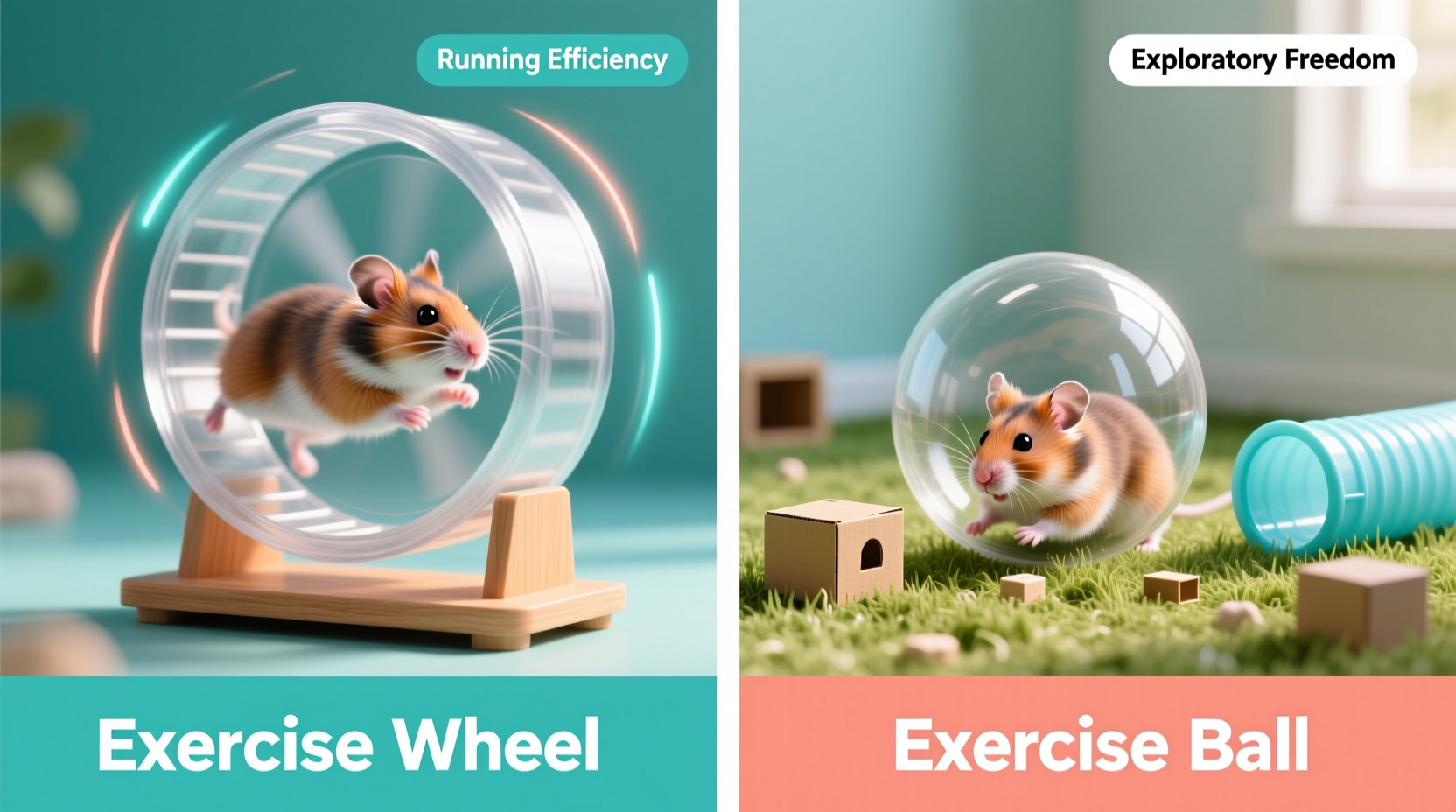
Hamsters are burrowers and explorers by nature. In the wild, they travel miles each night in search of food and safe shelter. Captive hamsters may not need to forage, but their instinct to move remains strong. A lack of adequate exercise can lead to obesity, muscle atrophy, anxiety, and even self-mutilating behaviors like bar chewing. Daily physical activity is essential not only for physical health but also for mental stimulation.
The ideal form of exercise should be safe, accessible, and aligned with natural behaviors. For example, running is instinctive—hamsters love to sprint—and this makes the wheel a popular fixture in cages. On the other hand, exploration satisfies curiosity, which is where the exercise ball comes into play. But while both fulfill aspects of a hamster’s needs, they do so in fundamentally different ways.
Tip: Always supervise your hamster during out-of-cage time, whether using a ball or free-roaming, to prevent escape or injury.How Exercise Wheels Support Natural Movement
A well-designed exercise wheel allows a hamster to run freely in a controlled environment. When sized correctly (typically 8–12 inches in diameter depending on breed), it supports a natural gait, preventing spinal strain. Solid-surface wheels are preferred over wire or mesh models, which can trap feet or cause injuries.
One major advantage of the wheel is its accessibility. It’s always available inside the cage, allowing the hamster to run whenever the urge strikes—especially important since hamsters are nocturnal. This consistent access encourages spontaneous bursts of activity that mirror wild behavior patterns.
Studies have shown that hamsters with continuous access to appropriately sized wheels exhibit lower stress markers and higher levels of dopamine, indicating improved mood and motivation. The repetitive motion may even serve a calming function, similar to pacing in larger animals.
“Exercise wheels, when properly sized and constructed, are one of the most effective tools for meeting a hamster’s innate need for locomotion.” — Dr. Lena Torres, Small Mammal Veterinarian
Exercise Balls: Exploration with Limitations
Exercise balls allow hamsters to leave their enclosure and explore household spaces under supervision. They’re transparent plastic spheres with ventilation holes and a secure latch. Proponents argue that balls offer environmental enrichment through novel sights, sounds, and scents.
However, there are notable drawbacks. Unlike a wheel, a ball restricts natural behaviors: the hamster cannot stop to dig, chew, or investigate smells. It’s essentially trapped in a rolling prison, unable to communicate through scent marking or respond to threats. This sensory deprivation can be stressful, despite appearing “active.”
Additionally, temperature regulation becomes an issue. Hamsters cool themselves through their feet and by digging; in a sealed ball, they can overheat quickly. Most experts recommend limiting ball use to 15–20 minutes at a time and only on cool, smooth surfaces.
There’s also the risk of falls, collisions, and inaccessible areas (under furniture, down stairs). Even careful owners can miss hazards, making unsupervised ball time dangerous.
Comparing Safety, Accessibility, and Mental Stimulation
To determine which option better supports long-term activity and happiness, it helps to compare key factors side by side.
| Feature | Exercise Wheel | Exercise Ball |
|---|---|---|
| Accessibility | Available 24/7 inside the cage | Limited to supervised sessions |
| Natural Behavior Support | Encourages instinctive running | Limits digging, sniffing, marking |
| Safety | Very high when properly sized and solid | Moderate to low; risk of overheating, falls |
| Mental Stimulation | Moderate (repetitive but self-directed) | Potentially high (new environments), but stressful |
| Physical Health Benefit | Excellent for cardiovascular fitness | Good short-term movement, limited endurance |
| Owner Effort | Minimal after installation | Requires constant supervision |
The data suggests that while exercise balls provide novelty, they fall short in consistency, safety, and alignment with natural instincts. Wheels, in contrast, offer a sustainable, low-risk method of daily exercise that respects the hamster’s autonomy.
Mini Case Study: Luna the Syrian Hamster
Luna, a female Syrian hamster, was adopted from a rescue center showing signs of anxiety—bar chewing and excessive grooming. Her new owner introduced a large, silent spinner wheel (12 inches, solid surface) as her primary exercise tool. No exercise ball was used due to concerns about stress.
Within two weeks, Luna began running several kilometers per night, tracked via a non-invasive counter attached to the wheel. Her bar-chewing stopped, and she became more curious during handling. Over time, she developed a routine: run at night, nap during the day, and engage with puzzle feeders during twilight hours.
When tested briefly with an exercise ball, Luna moved cautiously and froze when encountering shadows. After 10 minutes, she was returned to her cage, visibly agitated. Her owner concluded that while exploration has value, Luna thrived best with reliable, cage-based exercise.
Best Practices for Maximizing Activity and Happiness
Instead of viewing the wheel and ball as competing options, consider integrating both thoughtfully—prioritizing the wheel as the foundation of daily fitness, while using the ball sparingly and safely for enrichment.
- Choose the right wheel size: Dwarf hamsters need at least 8 inches; Syrians require 12 inches to avoid back arching.
- Opt for solid construction: Avoid wire rungs. Silent spinner wheels or plastic tunnels with built-in runners reduce noise and injury risk.
- Place the wheel correctly: Mount it on a stable surface or attach it securely to the cage wall to prevent wobbling.
- Limited, monitored ball time: If used, restrict sessions to 15 minutes on carpeted or enclosed floors, away from stairs and pets.
- Enrich beyond exercise: Combine physical activity with mental challenges—tunnels, dig boxes, and foraging toys enhance overall well-being.
Checklist: Creating a Balanced Activity Routine
- ✅ Install a solid, appropriately sized wheel in the cage
- ✅ Monitor your hamster’s running habits for signs of obsession or avoidance
- ✅ Provide alternative enrichment: tunnels, cardboard mazes, chew toys
- ✅ Limit exercise ball use to once a week, max 20 minutes
- ✅ Watch for signs of stress during ball use (freezing, rapid breathing)
- ✅ Keep the cage in a quiet area to support natural nocturnal activity
- ✅ Rotate toys and rearrange layouts weekly to maintain interest
Frequently Asked Questions
Can exercise balls cause brain damage in hamsters?
There is no scientific evidence that exercise balls directly cause brain damage. However, prolonged use can lead to extreme stress, disorientation, and physical exhaustion, which negatively affect neurological function over time. The unnatural confinement and inability to perform basic behaviors make extended ball use inadvisable.
Why does my hamster run all night on the wheel?
This is completely normal. Hamsters are nocturnal, meaning their peak activity occurs at night. Running is both a physical outlet and a way to cope with captivity. As long as the wheel is silent and properly sized, this behavior is healthy. If you're disturbed by noise, consider switching to a magnetic silent wheel.
Is it cruel to put a hamster in an exercise ball?
It’s not inherently cruel, but it can become so if misused. Short, supervised sessions may offer novelty, but treating the ball as a primary exercise tool ignores the hamster’s need for control, scent communication, and environmental security. Many animal welfare organizations recommend replacing ball time with safe, open-floor play in a hamster-proofed room instead.
Conclusion: Prioritize Freedom, Safety, and Natural Instincts
When comparing the hamster wheel and exercise ball, the wheel emerges as the superior choice for promoting consistent, safe, and species-appropriate activity. It aligns with a hamster’s instinct to run, supports long-term physical health, and requires minimal intervention from the owner. The exercise ball, while occasionally useful for brief exploration, poses significant risks and fails to meet core behavioral needs.
Happiness in hamsters isn’t just about movement—it’s about autonomy, predictability, and the ability to express natural behaviors. A well-placed wheel offers all three. Supplement it with mental enrichment and occasional supervised floor time, and you’ll create an environment where your hamster doesn’t just survive, but thrives.
💬 What’s your experience with hamster wheels or balls? Share your story or tips in the comments to help fellow pet owners make informed choices!








