Canaries are small, energetic songbirds known for their bright plumage and melodious voices. To keep them thriving, proper nutrition is non-negotiable. A well-balanced diet doesn’t just support basic survival—it fuels their singing, strengthens immunity, and enhances feather vibrancy. Unfortunately, many owners rely solely on generic seed mixes, unaware that these often lack essential nutrients. Understanding what makes high-quality canary food—and how to tailor it to your bird’s needs—can transform your pet’s quality of life.
Understanding Canary Dietary Needs
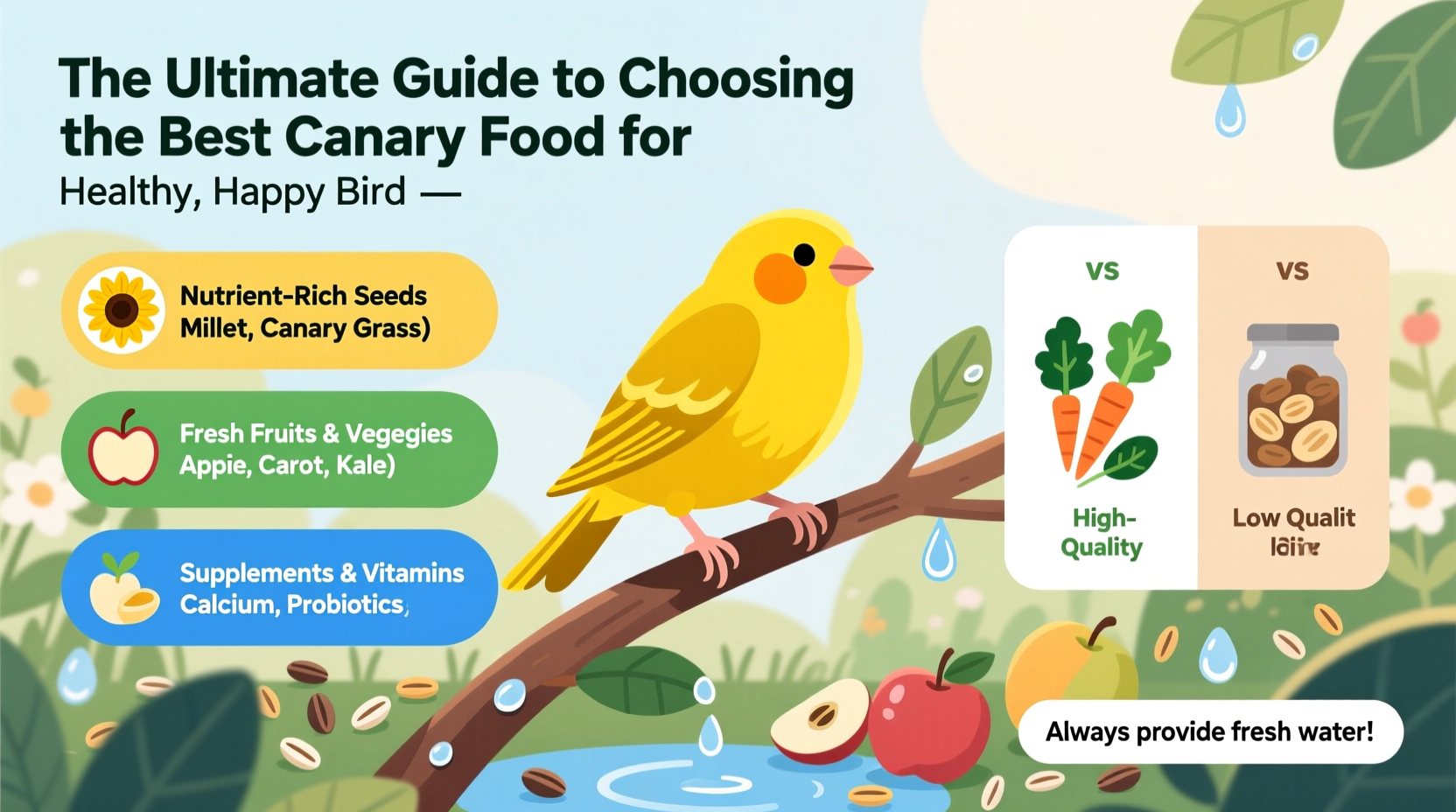
Wild canaries consume a varied diet of seeds, greens, buds, and occasional insects. Captive birds need a similar balance to avoid deficiencies. While seeds are a natural part of their diet, they should not dominate it. Over-reliance on fatty seeds like millet leads to obesity, fatty liver disease, and poor feather condition. A balanced diet includes:
- High-quality seeds – as a base, but not the sole component.
- Fresh vegetables and fruits – rich in vitamins and hydration.
- Pelleted diets – formulated to deliver consistent nutrition.
- Calcium sources – crucial for bone health and egg-laying females.
- Occasional protein – especially during molting or breeding season.
“Many health issues in captive canaries stem from nutritional imbalances. A diverse, controlled diet prevents disease more effectively than any supplement.” — Dr. Laura Simmons, Avian Nutritionist at the National Bird Health Institute
Choosing the Right Canary Food: Key Factors
Not all bird foods are created equal. When selecting a primary diet, consider the following criteria:
Nutritional Balance
Look for foods with a balanced ratio of protein (14–18%), fat (5–10%), and fiber (6–9%). Avoid mixes where sunflower seeds or millet make up more than 40% of the blend—these are calorie-dense and nutrient-poor.
Ingredient Quality
Opt for whole, natural ingredients. Avoid artificial colors, preservatives, and fillers like cracked corn or wheat, which offer little nutritional value. Organic options reduce exposure to pesticides.
Formulation Type
There are three main types of canary food, each with pros and cons:
| Type | Pros | Cons |
|---|---|---|
| Seed Mixes | Natural foraging behavior, palatable | High in fat, selective eating leads to imbalance |
| Pellets/Extruded Diets | Nutritionally complete, consistent intake | Some birds resist switching; less \"natural\" texture |
| Fortified Granular Blends | Balances seeds with added nutrients, easier transition | May still contain filler ingredients |
Essential Supplements and Fresh Foods
No commercial food replaces the benefits of fresh produce. Incorporate daily servings of safe, bird-friendly items:
- Greens: Kale, spinach, romaine lettuce, dandelion leaves
- Veggies: Carrots, bell peppers, zucchini, cucumber
- Fruits: Apple (seedless), melon, berries (in moderation due to sugar)
- Protein Sources: Hard-boiled egg (crushed shell included), mealworms (occasionally), sprouted seeds
Always wash produce thoroughly and remove uneaten portions after 2–3 hours to prevent bacterial growth. Never feed avocado, onion, garlic, or chocolate—these are toxic to birds.
Calcium is particularly vital. Provide a cuttlebone or mineral block in the cage at all times. For breeding females or birds recovering from illness, consider a powdered calcium supplement added to food or water (follow dosage instructions carefully).
Step-by-Step Guide to Transitioning Your Canary’s Diet
Switching your bird to a healthier diet requires patience. Follow this timeline for success:
- Week 1: Offer fresh vegetables and fruits in a separate dish once daily. Observe preferences.
- Week 2: Introduce a small amount (1 tsp) of pelleted food alongside the regular seed mix.
- Week 3–4: Gradually increase pellets while reducing seed volume by 10% every few days.
- Week 5: Offer pellets as the primary food source, with seeds as a treat (no more than 10% of total intake).
- Ongoing: Provide fresh food daily and monitor droppings, energy levels, and feather condition for signs of adjustment issues.
“My male canary stopped singing after six months on an all-seed diet. Within three weeks of adding pellets and greens, his voice returned stronger than before.” — Teresa M., Canary Owner, Portland
Common Feeding Mistakes to Avoid
Even well-meaning owners make errors that compromise their bird’s health. Watch out for these pitfalls:
- Overfeeding seeds – leads to malnutrition despite apparent fullness.
- Ignoring hydration – always provide clean, fresh water; change it daily.
- Offering inconsistent meals – birds thrive on routine; feed at the same times daily.
- Using honey sticks or sugary treats – contribute to obesity and yeast infections.
- Assuming “natural” means “healthy” – some natural foods (e.g., apple seeds) are harmful.
FAQ: Common Questions About Canary Nutrition
How much should I feed my canary each day?
A typical adult canary eats about 1–2 tablespoons of food daily, including seeds, pellets, and fresh items. Monitor weight and adjust portions if the bird gains or loses mass rapidly. Always remove spoiled fresh food within a few hours.
Do canaries need grit?
No. Unlike pigeons or chickens, canaries hull their seeds before eating. Grit can cause impaction and is unnecessary for their digestion.
Why is my canary losing feathers or not singing?
Poor diet is a common culprit. Feather loss outside molting season may indicate protein or vitamin deficiency. Reduced singing can signal low energy or stress, often linked to inadequate nutrition. Evaluate diet first, then consult an avian vet if symptoms persist.
Final Checklist for Optimal Canary Feeding
Use this checklist weekly to ensure your bird receives the best possible care:
- ✅ Primary diet consists of 60–70% pellets or fortified granules
- ✅ Seeds offered only as a treat (max 10–15% of intake)
- ✅ Fresh vegetables provided daily (at least 2 types)
- ✅ Clean water changed every morning
- ✅ Cuttlebone or mineral block available at all times
- ✅ No toxic foods present in the diet
- ✅ Droppings and behavior monitored for changes
Nurturing a Healthy, Joyful Canary Starts at the Bowl
The foundation of a long, vibrant life for your canary lies in thoughtful, informed feeding. Moving beyond outdated seed-only diets allows you to support not just survival, but true vitality—richer plumage, clearer songs, and sustained energy. By combining high-quality commercial food with fresh, safe produce and attentive observation, you create a lifestyle that mirrors the best of nature and modern care. Your canary’s health is in your hands every time you refill the food dish. Make each choice count.
💬 Have a tip or success story about improving your canary’s diet? Share your experience below and help fellow bird lovers raise healthier, happier pets!








