Selecting a search and rescue (SAR) dog is a serious commitment that requires understanding both breed characteristics and individual temperament. These dogs play critical roles in disaster zones, wilderness rescues, and missing persons cases���where performance under pressure can mean the difference between life and death. Equally important is equipping them with the right tools from the start, particularly training toys that reinforce focus, obedience, and scent discipline. This guide breaks down what makes an ideal SAR candidate and highlights the most effective toys to support their development.
Breed Traits That Define an Effective SAR Dog
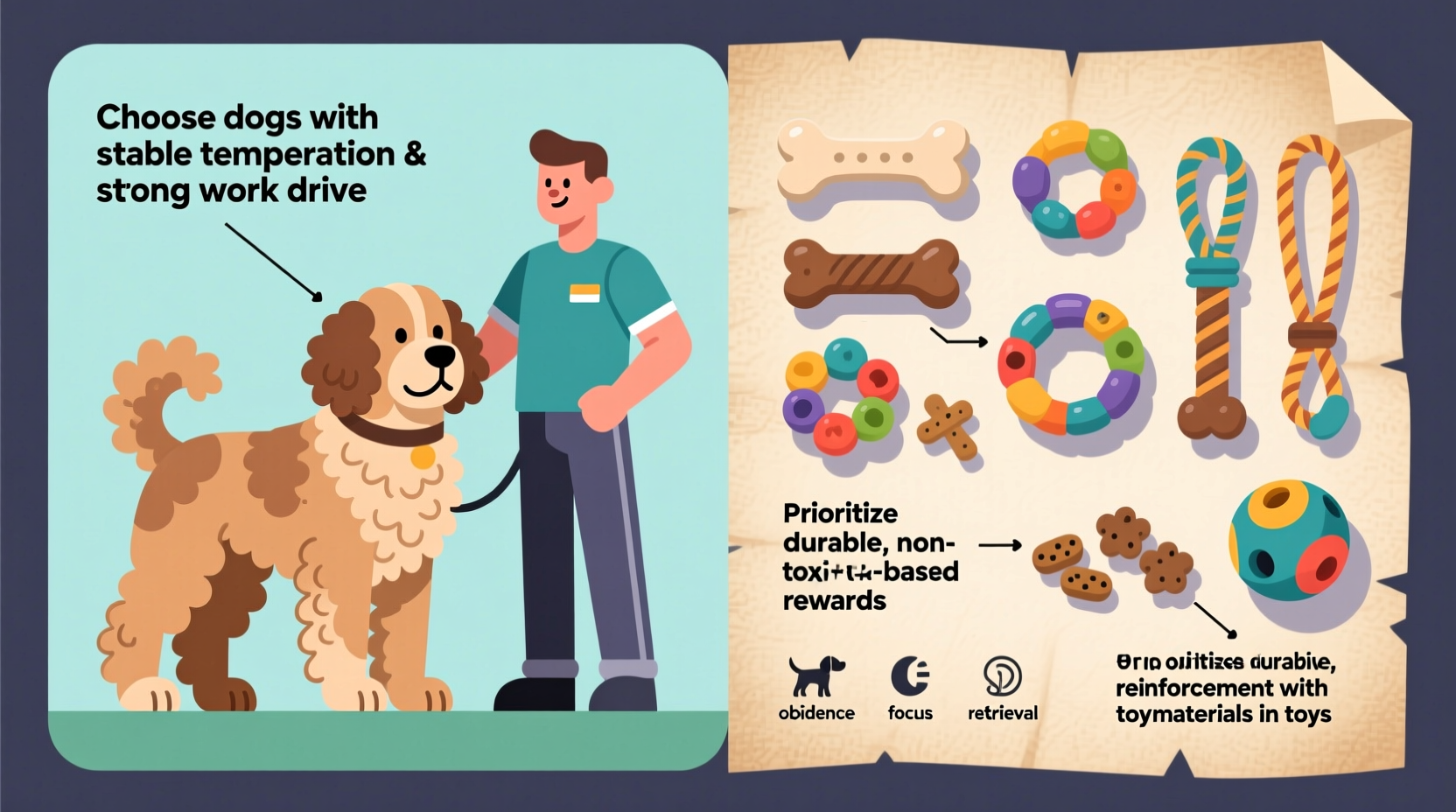
SAR dogs must possess a unique combination of physical stamina, mental resilience, and olfactory precision. While many breeds can be trained for basic obedience, only certain ones consistently excel in high-stress, unpredictable environments.
The most successful SAR dogs typically come from working or herding lineages. German Shepherds, Belgian Malinois, Labrador Retrievers, and Border Collies dominate the field due to their intelligence, drive, and trainability. These breeds share key traits: strong prey or retrieve drives, high energy levels, and an innate desire to work closely with humans.
Tip: Look beyond pedigree—evaluate individual temperament. A confident, curious puppy with moderate reactivity is often more suitable than one bred purely for show.German Shepherds are prized for their strength and versatility in tracking and rubble searches. Malinois offer superior agility and endurance, making them ideal for large-area searches. Labradors, while less intimidating in appearance, have exceptional scent detection abilities and are widely used in cadaver and water recovery operations.
Temperament and Behavioral Screening
Even within suitable breeds, not every dog will thrive as a SAR operative. Early behavioral assessments are crucial. Puppies should demonstrate curiosity without fearfulness when exposed to novel sounds, surfaces, and environments. Signs of excessive shyness or overreaction to stimuli may indicate poor stress tolerance later on.
Reputable trainers use structured evaluation protocols such as the Volhard Puppy Aptitude Test, which measures responses to social attraction, sound sensitivity, and willingness to follow a person. Dogs scoring high in “tracking instinct” and “social attraction” are more likely to succeed in SAR roles.
“Drive matters, but so does emotional balance. The best SAR dogs aren’t just eager—they’re steady under chaos.” — Dr. Lena Torres, Canine Behavior Specialist, National Search Dog Alliance
It’s also essential to assess handler compatibility. Some dogs bond deeply with a single handler, while others adapt well to team rotations. For volunteer-based SAR units, consistency in training partnerships is vital.
Top 5 Dog Toys for SAR Training Development
Training tools shape behavior. In SAR preparation, toys serve dual purposes: reinforcing positive actions and building foundational skills like focus, grip control, and scent association. The right toy turns abstract commands into tangible rewards.
| Toy Type | Best For | Recommended Use |
|---|---|---|
| Fur-scented tug toys | Building bite drive and focus | Use during obedience drills to reward sustained attention |
| Squeaky plush animals | Early retrieval motivation | Introduce during puppy fetch games to stimulate interest |
| Rope knots with scent inserts | Scent discrimination training | Load with target odors (e.g., human skin cells) for detection exercises |
| Hard rubber chew toys | Jaw strength and impulse control | Rotate during downtime to prevent overexcitement |
| Collapsible fabric tunnels | Confidence-building and agility prep | Set up obstacle courses simulating debris navigation |
Avoid using food-based rewards exclusively. SAR dogs must learn to work for play, not just treats. A ball or tug becomes the ultimate prize, strengthening the handler-dog relationship through interactive reinforcement.
Step-by-Step: Building a Foundation with Training Toys
Effective toy integration follows a progressive path. Start early and maintain consistency across sessions.
- Weeks 8–12: Introduce soft plush toys during brief play sessions. Focus on encouraging interaction and retrieving short distances.
- Months 3–6: Transition to durable rope toys. Begin shaping “drop” and “take” commands using positive reinforcement.
- Month 6 onward: Incorporate scent-laden toys. Hide them in simple locations to initiate basic tracking behavior.
- After basic obedience mastery: Use tug toys as rewards during distraction-heavy drills (e.g., loud noises, crowds).
- Ongoing: Rotate toys weekly to prevent habituation and maintain motivation.
Real-World Example: How Max the Malinois Became a Disaster Response Asset
Max, a two-year-old Belgian Malinois, joined a rural SAR unit after failing standard police K9 temperament screening due to his high arousal level. His handlers redirected that intensity through structured play-based training. Using a frayed cotton rope infused with human scent samples, they conditioned Max to locate hidden donors in collapsed structures.
During a mudslide response in Oregon, Max located a trapped hiker buried under six feet of debris—his third live find in twelve months. His success stemmed not from raw instinct alone, but from months of repetitive toy-linked drills that taught him to associate finding scent with intense play reward.
“We didn’t suppress his energy—we channeled it,” said Captain Ray Delgado, Max’s handler. “That rope wasn’t just a toy. It was the language we spoke.”
Common Mistakes to Avoid When Selecting SAR Dogs and Tools
- Choosing a dog based solely on appearance or breed popularity.
- Using low-quality toys that break easily and pose choking hazards.
- Allowing unstructured play that reinforces jumping or mouthing behaviors.
- Neglecting socialization before 16 weeks, leading to environmental fears.
- Skipping veterinary clearance for joint health—critical for dogs expected to run, climb, and dig.
Checklist: Preparing Your SAR Dog Candidate
- ☐ Evaluate breed suitability:
- Confirm lineage includes working lines, not just conformation champions.
- ☐ Conduct temperament testing:
- Assess reaction to noise, touch, and separation by 10 weeks.
- ☐ Schedule vet screening:
- Check hips, elbows, heart, and overall structure for genetic issues.
- ☐ Source durable, non-toxic toys:
- Prioritize natural fibers or medical-grade rubber.
- ☐ Begin scent association early:
- Pair target odor with play reward in controlled settings.
- ☐ Enroll in foundation training:
- Start with basic obedience and leash manners before advanced drills.
FAQ
Can any dog become a SAR dog if trained properly?
No. While training enhances ability, inherent traits like drive, focus, and stress resilience are largely genetic. Dogs lacking natural curiosity or showing extreme fear are unlikely to succeed regardless of effort.
Are squeaky toys good for SAR training?
In moderation, yes—especially in early stages to spark interest. However, avoid overuse, as the unpredictable noise can distract during focused scent work. Phase them out once reliable engagement with quieter toys is established.
How do I know if a toy is safe for intensive training?
Look for commercial-grade materials designed for working dogs. Avoid toys with small parts, toxic dyes, or weak stitching. If a toy shows wear after one session, it’s not robust enough for SAR demands.
Conclusion
Choosing the right SAR dog goes beyond breed—it's about matching temperament, physical capability, and trainability to the rigors of real-world missions. Pairing that selection with purpose-built training toys creates a feedback loop where learning feels like play, and obedience becomes second nature. Whether you're evaluating a puppy at eight weeks or refining a seasoned dog’s detection skills, the principles remain the same: consistency, clarity, and connection. Invest in the right foundation, and you’ll build not just a capable dog, but a lifesaving partner.
💬 Have experience with SAR dogs or training tools? Share your insights below—your story could help shape the next generation of search teams.








