
Grey discoloration in teeth is more than a cosmetic concern—it can signal underlying dental issues that require prompt attention. Unlike yellowing, which often results from surface stains, grey teeth typically point to internal changes within the tooth structure. Understanding the root causes, recognizing early signs, and knowing what treatments are available can make a significant difference in preserving both oral health and confidence.
What Causes Teeth to Turn Grey?
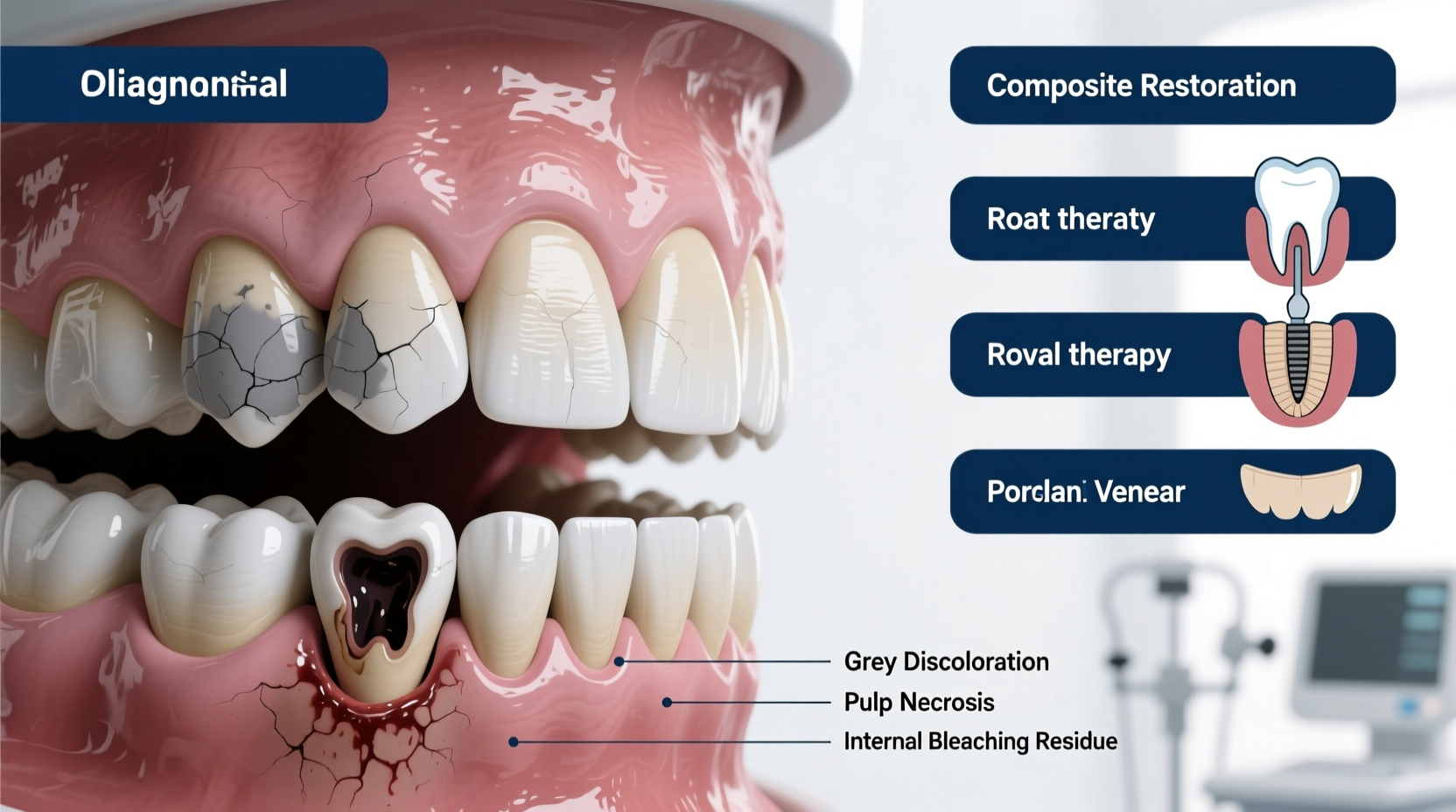
Tooth discoloration that appears grey stems from a range of factors, including trauma, medication use, aging, and systemic conditions. The color change usually reflects damage or alteration inside the dentin or pulp, rather than on the enamel surface.
- Dental Trauma: A common cause of grey teeth is physical injury. When a tooth experiences impact—such as from a fall or sports accident—the blood vessels inside the pulp may rupture. This internal bleeding can lead to hemosiderin deposits, causing a greyish hue over time.
- Tooth Decay or Infection: Advanced cavities or abscesses can compromise the nerve and blood supply, resulting in necrosis (tissue death) and a darkening of the tooth.
- Medications: Certain antibiotics, particularly tetracycline when taken during childhood while teeth are developing, can cause intrinsic staining. Tetracycline binds to calcium in teeth, producing a grey-blue discoloration.
- Aging: As people age, enamel wears down and becomes more translucent, revealing the naturally darker dentin underneath. This process can give teeth a greyish or dull appearance.
- Poor Oral Hygiene: Chronic plaque buildup and lack of professional cleanings can contribute to subgingival tartar and staining that may appear grey along the gumline.
- Dental Restorations: Old silver amalgam fillings can leach metal particles into surrounding tooth structure, leading to a grey tint over time.
How Is Grey Tooth Discoloration Diagnosed?
Diagnosis begins with a comprehensive dental evaluation. Dentists use a combination of clinical observation, patient history, and diagnostic tools to determine the cause.
- Visual Examination: The dentist assesses the extent and pattern of discoloration. A uniformly grey tooth likely indicates internal damage, whereas patchy greyness may suggest surface staining or decay.
- Dental History: Questions about past injuries, medications, or orthodontic treatments help identify potential causes.
- Transillumination Test: Shining a light through the tooth can reveal opacity changes associated with pulp necrosis.
- Radiographs (X-rays): These images detect internal resorption, bone loss, or abscesses that may not be visible externally.
- Pulp Vitality Testing: Using cold or electric stimuli, the dentist checks whether the tooth’s nerve is alive. A non-responsive tooth may be non-vital or necrotic.
“Grey discoloration after trauma is often the first sign of pulp necrosis. Early diagnosis significantly improves outcomes.” — Dr. Alan Reyes, Endodontist
Treatment Options Based on Cause
The appropriate treatment depends entirely on the underlying reason for the grey color. A correct diagnosis ensures effective, long-term results.
| Cause | Treatment Option | Expected Outcome |
|---|---|---|
| Internal Trauma / Necrotic Pulp | Root Canal Therapy + Internal Bleaching | Tooth restored to near-natural color; structural integrity preserved |
| Tetracycline Staining | Porcelain Veneers or Full Coverage Crowns | Complete color correction; durable aesthetic solution |
| Amalgam Staining | Replacement with Composite Fillings + Polishing | Removal of metallic discoloration; improved aesthetics |
| Surface Stains or Tartar | Professional Cleaning (Scaling & Polishing) | Immediate improvement in tooth color and gum health |
| Enamel Erosion with Age | Veneers, Bonding, or Whitening (if viable) | Enhanced brightness and youthful appearance |
Root Canal and Internal Bleaching: A Two-Step Fix
For teeth darkened due to trauma or infection, root canal therapy removes dead or infected pulp tissue. After sealing the canals, internal bleaching can be performed. This involves placing a bleaching agent inside the tooth for several days, then sealing it permanently. Most patients see dramatic improvement after one or two sessions.
Cosmetic Solutions for Persistent Discoloration
When whitening isn’t sufficient—especially with tetracycline stains—veneers or crowns offer predictable results. Porcelain veneers are thin shells bonded to the front surface of teeth, masking deep discoloration while requiring minimal enamel removal. Crowns cover the entire tooth and are ideal for structurally compromised teeth.
Tip: Always consult a prosthodontist or experienced cosmetic dentist when considering veneers or crowns to ensure optimal color matching and fit.Mini Case Study: Recovering From Traumatic Tooth Darkening
Sarah, a 28-year-old graphic designer, noticed her upper front tooth gradually turning grey five months after a minor bike accident. She felt self-conscious smiling but had no pain. Upon visiting her dentist, a radiograph showed no abscess, but pulp testing confirmed the tooth was non-vital. She underwent root canal treatment followed by internal bleaching over three visits. The tooth regained a natural shade, and Sarah avoided more invasive procedures. Her case highlights how timely diagnosis prevents complications like cyst formation or tooth loss.
Prevention and Maintenance Checklist
While some causes of grey teeth are unavoidable, proactive care reduces risk and improves outcomes. Follow this checklist to protect your smile:
- Wear a mouthguard during contact sports or high-risk activities
- Practice consistent oral hygiene: brush twice daily, floss once a day
- Schedule biannual dental cleanings and exams
- Avoid tetracycline antibiotics in children under 8 and during pregnancy
- Replace old amalgam fillings if they cause visible staining or cracks
- Seek immediate dental evaluation after any tooth injury—even without pain
- Monitor changes in tooth color and document them with photos if needed
Frequently Asked Questions
Can grey teeth be whitened with over-the-counter products?
Most OTC whitening strips or gels target surface stains and are ineffective for intrinsic discoloration like grey tones caused by trauma or medication. These cases require professional treatments such as internal bleaching or restorations.
Is a grey tooth always dead?
Not always, but it’s a strong indicator. A grey tooth often means the pulp has died due to trauma or infection. However, only a dentist can confirm vitality through tests like cold sensitivity or electric pulp testing.
Are grey teeth contagious or harmful to other teeth?
No, the discoloration itself isn’t contagious. However, if caused by untreated decay or infection, adjacent teeth and gums may be at risk. Prompt treatment prevents spread and preserves overall oral health.
Conclusion: Take Action Before It Gets Worse
Grey teeth should never be ignored. Whether the cause is injury, medication, or aging, early diagnosis opens the door to less invasive, more effective treatments. Waiting until pain develops often means losing the chance to save the tooth or requiring more extensive work. Your smile is a vital part of your identity and health—don’t let discoloration undermine it.
💬 Have you experienced tooth discoloration? Share your story or questions below. Let’s help others recognize the signs and seek timely care.








