In recent years, grain free dog food has surged in popularity, often marketed as a more natural, ancestral diet for dogs. Inspired by human dietary trends like paleo and keto, many pet owners have turned to grain free formulas believing they offer superior health benefits—especially for dogs with allergies or digestive sensitivities. However, a growing body of evidence from veterinary cardiologists and regulatory agencies suggests a potential link between grain free diets and canine dilated cardiomyopathy (DCM), a serious and sometimes fatal heart condition.
This shift raises an urgent question: Is grain free dog food truly healthier, or could it be putting our dogs at risk? To answer this, we need to examine the science behind grain free formulations, understand what ingredients are commonly used as substitutes, and evaluate the real-world consequences observed in veterinary clinics across the country.
What Is Grain Free Dog Food?
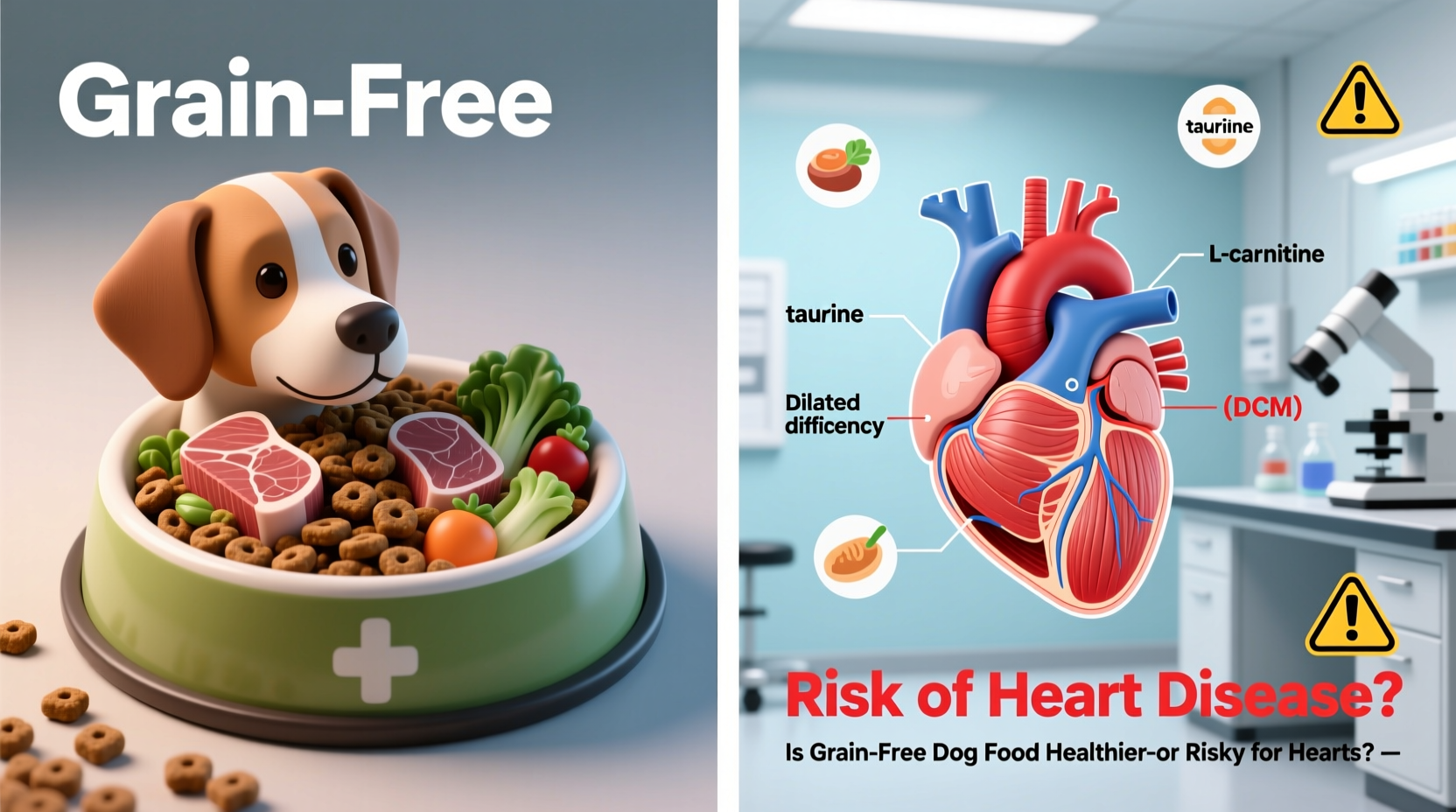
Grain free dog food excludes common cereal grains such as wheat, corn, rice, barley, and oats. Instead, these diets typically use alternative carbohydrate sources like peas, lentils, chickpeas, potatoes, and sweet potatoes to provide energy and help bind kibble. While some dogs genuinely benefit from avoiding grains—particularly those with diagnosed grain allergies—most dogs do not require a grain free diet.
It’s important to clarify that “grain free” does not mean “carbohydrate free.” In fact, many grain free formulas contain higher levels of legumes and starches than traditional grain-inclusive foods. This substitution may seem harmless, but researchers are now investigating whether these plant-based ingredients could interfere with taurine metabolism, a key factor in heart health.
Tip: Just because a label says \"grain free\" doesn't mean it's better for your dog. Always check the full ingredient list and consult your veterinarian before switching diets.The FDA Investigation and the DCM Connection
In 2018, the U.S. Food and Drug Administration (FDA) began investigating a potential link between certain grain free diets and an uptick in cases of dilated cardiomyopathy (DCM) in dogs—notably in breeds not genetically predisposed to the disease. DCM is a condition where the heart becomes enlarged and weakened, reducing its ability to pump blood effectively. Left untreated, it can lead to congestive heart failure and death.
As of mid-2023, the FDA had received over 1,100 reports of DCM in dogs associated with grain free diets, with a significant number involving popular brands that heavily feature legumes and potatoes. The majority of affected dogs were eating boutique, grain free, or exotic ingredient (BEG) diets—those labeled as “natural,” “holistic,” or featuring novel proteins like kangaroo or bison.
“While genetics play a role in DCM, we’re seeing too many cases in breeds like golden retrievers and bulldogs that historically don’t develop this condition. Diet appears to be a contributing factor.” — Dr. Lisa Freeman, Board-Certified Veterinary Nutritionist, Tufts University
Why Legumes Might Be the Problem
The central concern lies in the high inclusion of legumes—such as peas, lentils, and beans—as primary ingredients in many grain free formulas. These ingredients are rich in protein and fiber but may also contain compounds that affect taurine bioavailability.
Taurine is an amino acid essential for normal heart function in dogs. Unlike cats, dogs can synthesize taurine from other amino acids (methionine and cysteine), so they are not considered taurine-dependent. However, research shows that some dogs on legume-heavy diets develop taurine deficiency, even when consuming adequate protein.
Possible mechanisms include:
- Fiber interference: High fiber content in legumes may reduce taurine absorption in the gut.
- Digestibility issues: Plant-based proteins may be less digestible, limiting precursor amino acid availability.
- Processing effects: High-heat processing of legumes might alter protein structure, affecting amino acid utilization.
- Anti-nutritional factors: Certain compounds in legumes may inhibit enzyme activity involved in taurine synthesis.
Studies conducted at UC Davis and Tufts University have found significantly lower blood taurine levels in dogs with diet-associated DCM compared to healthy controls. In some cases, supplementing taurine and switching to a balanced, grain-inclusive diet led to partial or complete recovery of heart function.
Who Is at Risk? Breeds and Individual Factors
While any dog can be affected, certain breeds appear more vulnerable to diet-related DCM:
| Breed | Natural DCM Risk | Observed in Grain Free DCM Cases | Notes |
|---|---|---|---|
| Golden Retriever | Low | High | One of the most commonly reported breeds in FDA cases |
| Labrador Retriever | Low | High | Often fed grain free due to skin allergies |
| Miniature Schnauzer | Moderate | High | May already have taurine metabolism quirks |
| Cocker Spaniel | High (genetic) | Reported | Risk may be compounded by poor diet |
| Great Dane | High (genetic) | Reported | Diet may accelerate existing predisposition |
Individual factors also matter. Dogs with pre-existing heart conditions, poor protein digestion, or those fed unbalanced homemade diets are at greater risk. Puppies and senior dogs may be especially sensitive to nutritional imbalances due to developing or declining metabolic efficiency.
Are All Grain Free Foods Dangerous?
No—not all grain free dog foods are inherently dangerous. Some high-quality brands formulate their recipes with careful attention to amino acid profiles, taurine levels, and digestibility. The issue arises when legumes and potatoes dominate the ingredient list, often listed before animal proteins.
Key red flags in grain free formulas:
- Peas, lentils, or potatoes as the first or second ingredient
- Lack of animal-based fats and proteins as primary components
- Marketing claims like “ancestral diet” without scientific backing
- Absence of AAFCO feeding trials or nutritional adequacy statements
Conversely, a grain free food that uses moderate legumes, includes quality meat meals, and has undergone feeding trials may be safe for dogs who genuinely need to avoid grains. The problem is not grain exclusion itself, but rather the replacement ingredients and how they’re formulated.
Tip: Look beyond the front label. Flip the bag and read the ingredient list. Animal proteins should come first, followed by vegetables and limited legumes.Step-by-Step Guide to Evaluating Your Dog’s Food
If you're concerned about your dog’s current diet, follow this timeline to assess and make informed changes:
- Week 1: Audit the current food
Check the ingredient list. Are legumes in the top three ingredients? Does it meet AAFCO standards for your dog’s life stage? - Week 2: Consult your veterinarian
Discuss your dog’s breed, health history, and diet. Request a taurine level test if there are cardiac concerns. - Week 3: Research alternatives
Look for brands that prioritize animal protein, limit legumes, and have feeding trial validation (look for “Animal Feeding Tests” on packaging). - Week 4: Transition slowly
Mix increasing amounts of new food with old over 7–10 days to avoid digestive upset. - Ongoing: Monitor health markers
Watch for signs of lethargy, coughing, or breathing difficulty. Schedule annual cardiac screenings for at-risk breeds.
Real Case Example: Max the Golden Retriever
Max, a 5-year-old male golden retriever, was brought to a veterinary cardiology clinic after his owner noticed he was tiring easily on walks and had developed a persistent cough. An echocardiogram revealed severe DCM with reduced ejection fraction—indicating poor heart pumping ability.
Max had been on a popular grain free diet for two years, primarily composed of lamb, peas, and potatoes. Blood tests showed critically low taurine levels. After diagnosis, Max was started on taurine supplements, heart medications, and transitioned to a balanced, grain-inclusive commercial diet.
Within six months, follow-up imaging showed improved heart function, and Max regained his energy. His case highlights that diet-associated DCM can be reversible if caught early and managed appropriately.
Checklist: Choosing a Safer Dog Food
Use this checklist when selecting a dog food to minimize heart health risks:
- ✅ Animal protein (chicken, beef, fish) is the first ingredient
- ✅ Legumes (peas, lentils, chickpeas) are not among the top three ingredients
- ✅ Formula meets AAFCO nutritional adequacy standards
- ✅ Brand conducts feeding trials (look for statement on packaging)
- ✅ No excessive use of exotic or boutique ingredients without clear justification
- ✅ Veterinarian-approved or recommended by board-certified veterinary nutritionists
- ✅ Transparent sourcing and recall history available online
Frequently Asked Questions
Can grain free dog food cause heart problems in all dogs?
No, not all dogs will develop heart issues from grain free diets. However, the risk increases significantly with prolonged consumption of legume-heavy formulas, especially in susceptible breeds. The issue is not universal but is serious enough to warrant caution.
Should I stop feeding grain free food immediately?
If your dog is healthy and thriving on a grain free diet with no cardiac symptoms, an abrupt switch isn’t necessary. However, consult your vet, consider a taurine test, and evaluate the ingredient list. If legumes dominate, transitioning to a safer option over time is advisable.
Are grain free diets necessary for dogs with allergies?
True grain allergies in dogs are rare. More often, dogs react to specific proteins like beef or chicken. If your dog has skin or digestive issues, work with your vet to identify the actual allergen through elimination diets rather than assuming grains are the culprit.
Conclusion: Balance Over Hype
The rise of grain free dog food reflects well-intentioned efforts by pet owners to feed their dogs “cleaner” or “more natural” diets. But the unintended consequence—increased risk of heart disease—demonstrates the danger of following trends without scientific scrutiny. Grains themselves are not the enemy; in fact, whole grains like brown rice and oats can provide valuable nutrients, including fiber, B vitamins, and antioxidants.
The real issue lies in formulation practices that prioritize marketing over nutritional science. When legumes and starches replace grains without proper balancing of amino acids and digestibility, the long-term health of dogs can suffer.
Veterinary experts agree: the best diet for most dogs is one that is nutritionally complete, balanced, and based on sound research—not fads. Whether or not it contains grains should be a secondary consideration to overall quality and safety.
🚀 Take action today: Review your dog’s food label, talk to your veterinarian about heart health, and make informed choices—not trendy ones. Share this information with fellow pet owners to help protect more dogs from preventable illness.








