
When it comes to working dogs in high-stakes environments, few breeds are as consistently relied upon as the German Shepherd. From patrolling city streets to serving in war zones, these dogs are a cornerstone of law enforcement and military operations worldwide. Their presence is not by accident—it’s the result of decades of selective breeding, natural aptitude, and unmatched versatility. The German Shepherd’s role in security forces isn’t just symbolic; it’s rooted in measurable traits that make them uniquely suited for duty under pressure.
Intelligence and Trainability
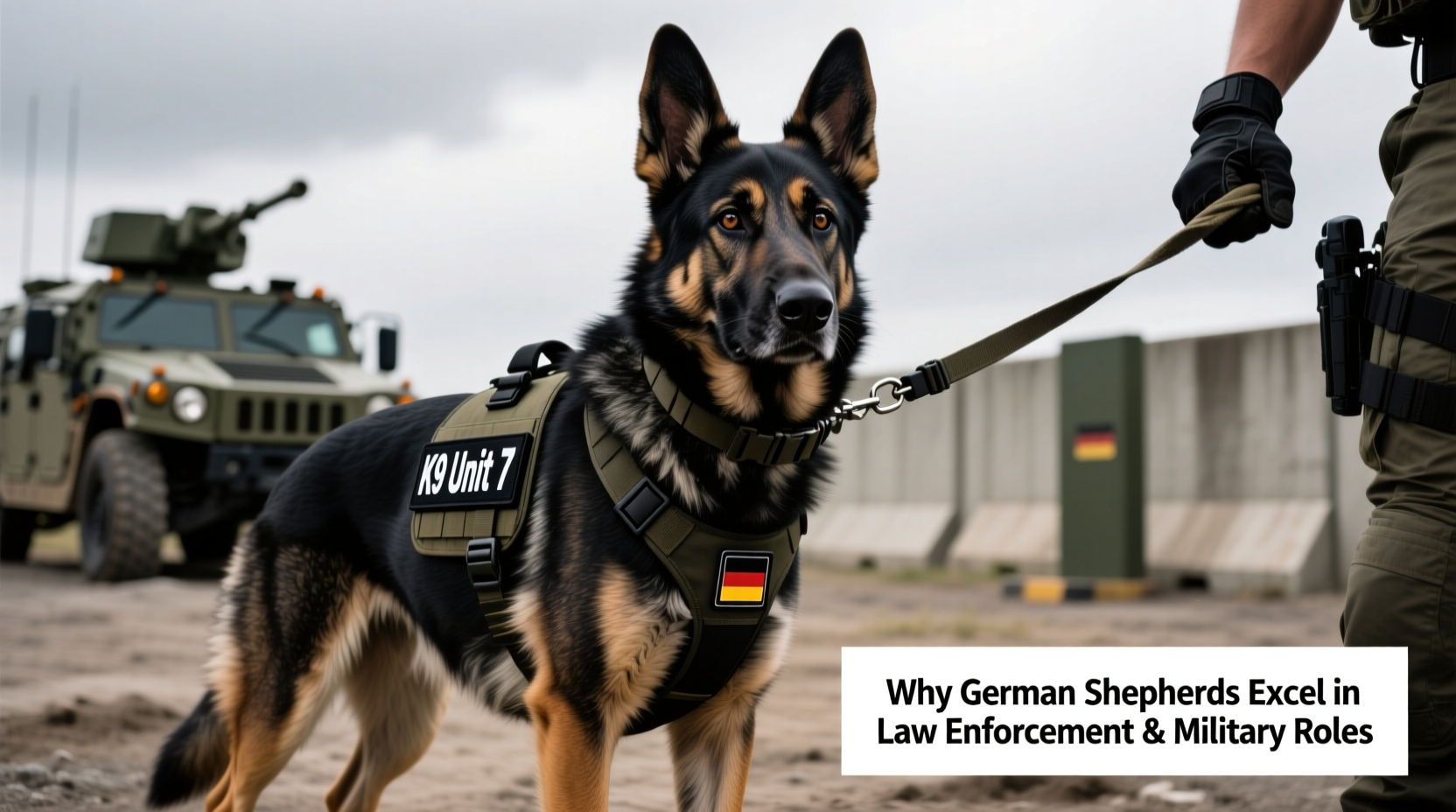
One of the most defining characteristics of the German Shepherd is its exceptional intelligence. Ranked third among all dog breeds in Dr. Stanley Coren’s *The Intelligence of Dogs*, German Shepherds possess the cognitive ability to understand new commands in fewer than five repetitions and obey a known command on the first try over 95% of the time. This mental agility makes them ideal candidates for complex tasks such as tracking suspects, detecting explosives, or navigating obstacle courses during raids.
Training a police or military dog involves hundreds of hours of repetition, discipline, and exposure to unpredictable stimuli. German Shepherds thrive in this environment because they are eager to learn and respond well to structured instruction. Their ability to retain information and adapt quickly allows handlers to deploy them in dynamic situations where split-second decisions matter.
Tip: Early socialization and consistent obedience training are critical to unlocking a German Shepherd’s full potential—especially if considering service roles.Loyalty and Protective Instincts
Beyond raw intelligence, German Shepherds are renowned for their unwavering loyalty. They form intense bonds with their handlers, often treating them as part of their pack. This deep connection fosters trust and cooperation, which are essential when lives are on the line. In high-risk scenarios—such as apprehending armed suspects or entering hostile buildings—the dog must rely entirely on its handler’s cues while remaining focused and courageous.
Their protective instincts are naturally strong but are carefully honed during training to ensure precision and control. Unlike aggression driven by fear or unpredictability, a trained German Shepherd’s response is calculated and task-oriented. This balance between vigilance and discipline is rare among breeds and is one reason they are preferred over more reactive or less obedient dogs.
“German Shepherds don’t just follow orders—they anticipate them. That level of partnership only develops through mutual trust and relentless training.” — Sgt. Marcus Ellington, K-9 Unit Commander, U.S. Army Military Police
Physical Capabilities and Endurance
German Shepherds are built for performance. With a muscular frame, powerful hindquarters, and a double coat that withstands extreme temperatures, they can operate effectively in diverse climates—from desert heat to freezing urban winters. Their average weight (50–90 lbs) provides enough mass to subdue suspects without sacrificing speed or agility.
These dogs can sprint up to 30 miles per hour, leap over six feet vertically, and maintain stamina during prolonged searches or pursuits. Whether scaling walls, crawling through tight spaces, or running alongside officers on foot patrols, their athleticism enables them to keep pace with human teams in physically demanding conditions.
| Physical Trait | Advantage in Service Roles |
|---|---|
| Strong bite force (~238 PSI) | Effective suspect apprehension |
| Aerobic endurance | Sustained tracking over long distances |
| Acute hearing and smell | Detection of hidden threats or individuals |
| Dense double coat | Operational readiness in cold or wet environments |
| Agility and coordination | Navigating rubble, stairs, vehicles, or confined areas |
Versatility Across Missions
Unlike some working breeds specialized for a single function, German Shepherds demonstrate remarkable versatility. A single dog may be trained for multiple disciplines, including:
- Patrol and suspect apprehension
- Narcotics and explosive detection
- Search and rescue (SAR)
- Urban warfare reconnaissance
- Crowd control and perimeter security
This adaptability reduces logistical burdens and increases operational efficiency. For example, a German Shepherd deployed in Afghanistan might begin its day checking vehicles for IEDs and end it tracking insurgents through mountainous terrain. In domestic settings, the same breed might assist in locating missing persons during natural disasters before returning to routine patrol duties.
Mini Case Study: Max, U.S. Border Patrol K-9
Max, a seven-year-old German Shepherd with the U.S. Border Patrol in Arizona, exemplifies multi-role capability. Trained in both narcotics detection and tracking, he has assisted in over 120 interdictions along the southern border. During one operation, Max detected concealed methamphetamine in a vehicle using passive alert techniques. Later that week, he tracked a group of individuals attempting to evade capture through rugged desert terrain, leading agents directly to their location despite extreme heat and limited scent trails.
His handler noted that Max’s focus never wavered, even when distracted by wildlife or sudden noises—testament to his rigorous training and innate composure. After five years of active service, Max was awarded the K-9 Valor Medal and retired with full honors.
Proper Training and Handler Bonding Timeline
Becoming a certified police or military German Shepherd is a months-long process involving strict milestones. Below is a typical timeline from selection to deployment:
- Selection (12–18 months): Puppies are evaluated for temperament, drive, and health. Only those showing high prey drive, confidence, and resilience move forward.
- Basic Obedience (Weeks 1–8): Focus on sit, stay, heel, recall, and leash discipline under distraction.
- Advanced Commands (Weeks 9–16): Introduce search patterns, bark alerts, bite work, and environmental desensitization (e.g., gunfire, crowds).
- Specialization (Months 5–7): Dogs are assigned to detection, patrol, or dual-purpose tracks and undergo scenario-based drills.
- Handler Pairing & Joint Training (Month 8): Dog and handler train together daily to build communication and trust.
- Certification & Deployment (Month 9+): Final evaluation by accredited agency; successful teams enter active service.
Frequently Asked Questions
Why are German Shepherds preferred over other breeds like Belgian Malinois?
While Belgian Malinois are increasingly used due to their higher energy and lighter build, German Shepherds remain favored for their balanced temperament, lower injury rate, and superior performance in detection roles. They also tend to have longer working lifespans, typically serving 8–10 years compared to 6–8 for Malinois.
Can any German Shepherd become a police or military dog?
No. Only about 10–15% of German Shepherds meet the stringent behavioral and physical standards required. Factors such as hip dysplasia, shyness, or lack of drive disqualify many otherwise healthy dogs. Most service dogs come from working-line bloodlines, not show lines.
What happens to German Shepherds after they retire from service?
Many are adopted by their handlers, forming lifelong companionships. Others go to approved foster homes through nonprofit programs. Retired K-9s often live another 5–7 years in comfort, having served with distinction.
Checklist: Traits of an Ideal Police/Military German Shepherd
- ✅ High prey and defense drive
- ✅ Confidence in unfamiliar environments
- ✅ Strong bond-forming ability with handlers
- ✅ Physical soundness (no joint issues)
- ✅ Quick learning and problem-solving skills
- ✅ Controlled aggression—responsive to “out” commands
- ✅ Tolerance for loud noises, crowds, and chaotic scenes
Conclusion
The German Shepherd’s dominance in police and military roles is no coincidence. It is the product of purposeful breeding, extraordinary intelligence, physical resilience, and an unparalleled willingness to serve. These dogs do more than perform tasks—they save lives, protect communities, and stand beside their human partners in the most dangerous moments. Their legacy is written in countless successful missions, quiet acts of courage, and the deep respect they earn across global security forces.
🚀 Honor their service by supporting K-9 units in your community—donate, volunteer, or simply spread awareness about the vital role these heroes play every day.








