Introducing a new water bowl to your dog might seem like a simple change, but for some pets, even minor shifts in their environment can trigger anxiety or avoidance. Dogs thrive on routine, and something as basic as the shape, material, or location of their water source can influence their willingness to drink. Dehydration is a serious concern, so ensuring a smooth transition is essential. The key lies in patience, observation, and a few strategic steps that respect your dog’s temperament while encouraging acceptance of the new bowl.
Understanding Your Dog’s Sensitivity to Change
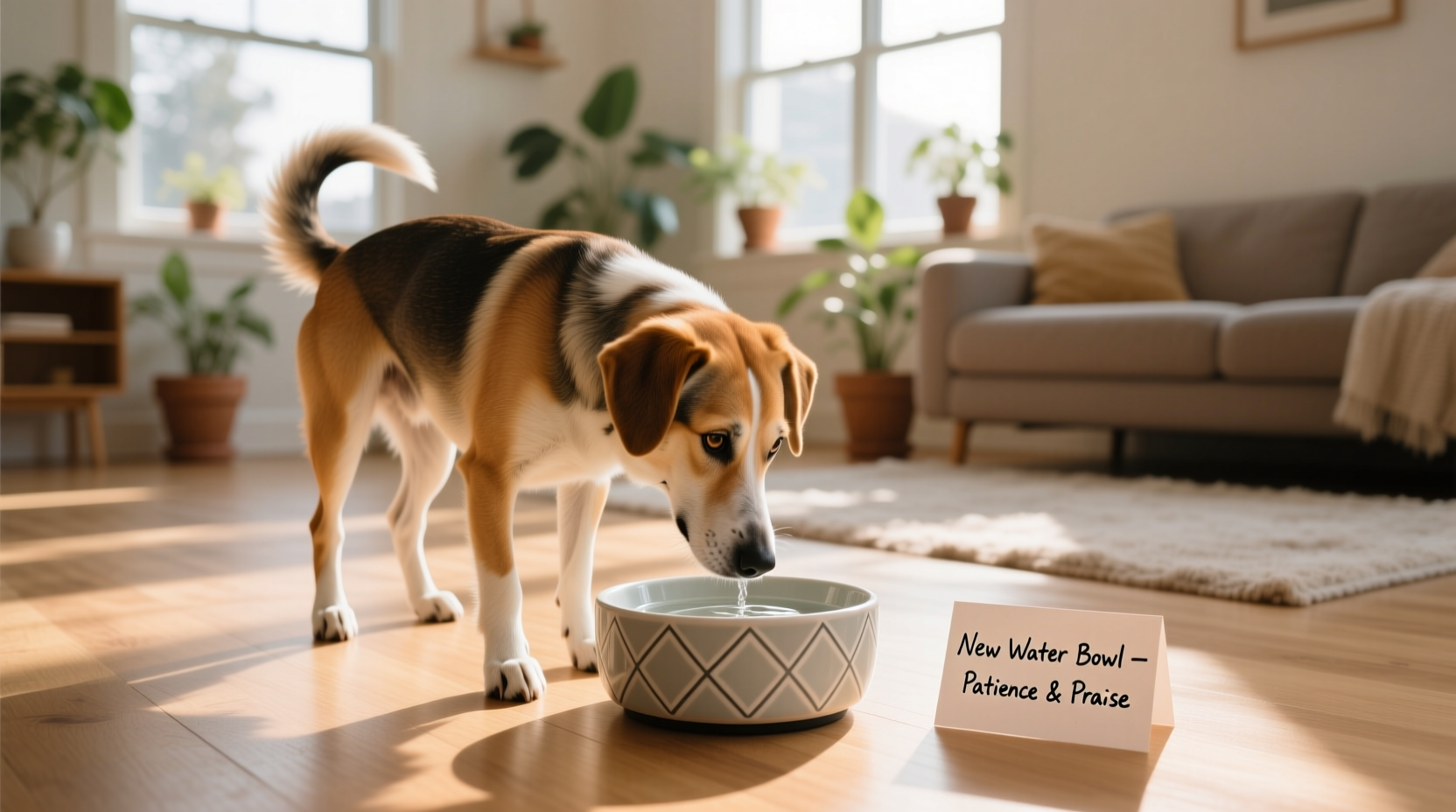
Dogs rely heavily on sensory cues—sight, smell, sound, and touch—to navigate their world. A new water bowl may differ in texture, noise when touched, reflectivity, or even scent due to manufacturing residues. Stainless steel bowls clink differently than ceramic ones; plastic can retain odors despite cleaning; elevated bowls alter posture. These subtle differences can make a dog hesitant, especially if they’ve had negative experiences with changes in the past.
Older dogs or those with anxiety may be particularly sensitive. Puppies, while often more adaptable, still benefit from a gradual approach. Rushing the process can lead to skipped hydration, which over time affects kidney function, energy levels, and overall health.
“Dogs form strong associations with their feeding and drinking routines. When we disrupt those without proper support, we risk not just refusal—but stress-related behaviors.” — Dr. Lena Patel, Veterinary Behavior Specialist
A Step-by-Step Guide to Introducing the New Bowl
The goal isn’t just to replace the old bowl, but to build positive associations with the new one. Follow this timeline over 5–7 days for best results:
- Day 1–2: Dual Placement – Place the new bowl beside the current one, filled with fresh water. Do not remove the old bowl. Let your dog investigate at will. This reduces pressure and allows curiosity to take the lead.
- Day 3–4: Encourage Interaction – Drop a treat into the new bowl (then remove it) or add an ice cube to spark interest. Speak calmly when your dog approaches it. Reward any sniffing or drinking attempts with praise.
- Day 5: Shift Water Source – Fill only the new bowl with water. Keep the old one nearby but empty. Monitor closely to ensure your dog drinks. If hesitation occurs, revert to dual filling for another day.
- Day 6–7: Retire the Old Bowl – Once consistent drinking from the new bowl is observed, remove the old one. Continue monitoring hydration levels by checking gum moisture and urine frequency.
Choosing the Right Bowl: Matching Material to Temperament
Not all bowls suit all dogs. The right choice can ease the transition significantly. Consider your dog’s size, breed, age, and behavior when selecting a replacement.
| Material | Best For | Potential Drawbacks |
|---|---|---|
| Stainless Steel | Dogs who chew or tip bowls; easy to clean | Noisy; reflective surface may scare timid dogs |
| Ceramic | Heavy chewers; aesthetically pleasing | Can break if dropped; heavier to move |
| Plastic | Budget-friendly; lightweight | Scratches easily, harbors bacteria; may cause chin acne |
| Silicone (collapsible) | Travel; small breeds | May tip easily; less durable long-term |
For dogs with long ears or deep muzzles (like Cocker Spaniels or Bulldogs), consider a slightly wider or shallower bowl to prevent discomfort. Elevated feeders can also help dogs with joint issues, but introduce height changes slowly.
Common Mistakes That Hinder Adjustment
Even with good intentions, certain actions can unintentionally prolong resistance. Avoid these pitfalls:
- Removing the old bowl too soon – This creates a sudden void, increasing stress.
- Using harsh cleaners on the new bowl – Residual scents from bleach or strong detergents can repel dogs. Wash with mild soap and rinse thoroughly.
- Placing the bowl in a high-traffic or noisy area – Dogs prefer quiet, safe spaces to eat and drink. A corner near a washing machine or front door may feel unsafe.
- Ignoring body language – If your dog sniffs and walks away, don’t force them. Watch for signs of stress: lip licking, turning head away, pawing at the bowl.
Real Example: Helping a Rescue Dog Accept a New Bowl
Max, a 4-year-old mixed breed rescued from a shelter, refused to drink from his new stainless steel bowl. His owner, Sarah, noticed he’d lap once then retreat. She tried leaving both bowls out, but Max only used the old chipped plastic one. After consulting her vet, she learned Max had been fed from metal bowls in the past—ones associated with loud noises and competition from other dogs.
She switched to a matte-finish ceramic bowl placed in a quiet hallway. She added a frozen beef broth cube to the water each morning. Within three days, Max began drinking independently. The combination of non-reflective material, calm environment, and scent enrichment made the difference.
Checklist: Ensuring a Smooth Transition
Use this checklist to track progress and avoid oversights:
- ☑ Choose a bowl appropriate for your dog’s size and needs
- ☑ Wash the new bowl with mild soap and rinse well before use
- ☑ Place the new bowl next to the old one for at least 48 hours
- ☑ Add treats or flavor enhancers to encourage interaction
- ☑ Monitor drinking behavior daily
- ☑ Gradually phase out the old bowl only after consistent use
- ☑ Keep water fresh and changed twice daily
Frequently Asked Questions
How long should I expect the adjustment period to last?
Most dogs adapt within 3–7 days using a gradual method. Some may take up to two weeks, especially if they’re anxious or have had negative past experiences. Patience is critical—never punish or force your dog to interact with the bowl.
My dog knocks over the new bowl. What can I do?
Tipping is common during transitions. Try a heavier bowl or one with a non-slip base. You can also place it in a shallow tray to catch spills. Avoid tethering or gluing the bowl, as this may increase fear.
Is it okay to warm the water slightly in winter?
Yes—some dogs prefer room-temperature or slightly warmed water in cold months. Avoid hot water. Test the temperature with your wrist; it should feel neutral, not warm. Never microwave water directly in plastic bowls.
Final Thoughts: Small Change, Big Impact
Hydration is foundational to your dog’s health, affecting everything from digestion to cognitive function. A seemingly minor update—a new water bowl—can ripple into broader well-being when handled with care. By respecting your dog’s pace, choosing the right materials, and creating positive associations, you turn a potential stressor into an opportunity for trust-building.
💬 Have a story about helping your pet adjust to a new item? Share your experience below—your insight could help another pet parent navigate the same challenge.








