For many dog owners, grooming is more than just maintenance—it’s a bonding ritual. But when mats and tangles form in your dog’s coat, what should be a peaceful moment can quickly turn into a stressful ordeal for both pet and owner. Pulling at knots, using harsh tools, or rushing through the process can lead to discomfort, fear, and even aggression in dogs. The good news is that with the right approach, detangling doesn’t have to be painful or intimidating. By combining patience, proper tools, and proven techniques, you can keep your dog’s coat healthy, shiny, and mat-free—without causing anxiety.
Understanding Why Tangles Form
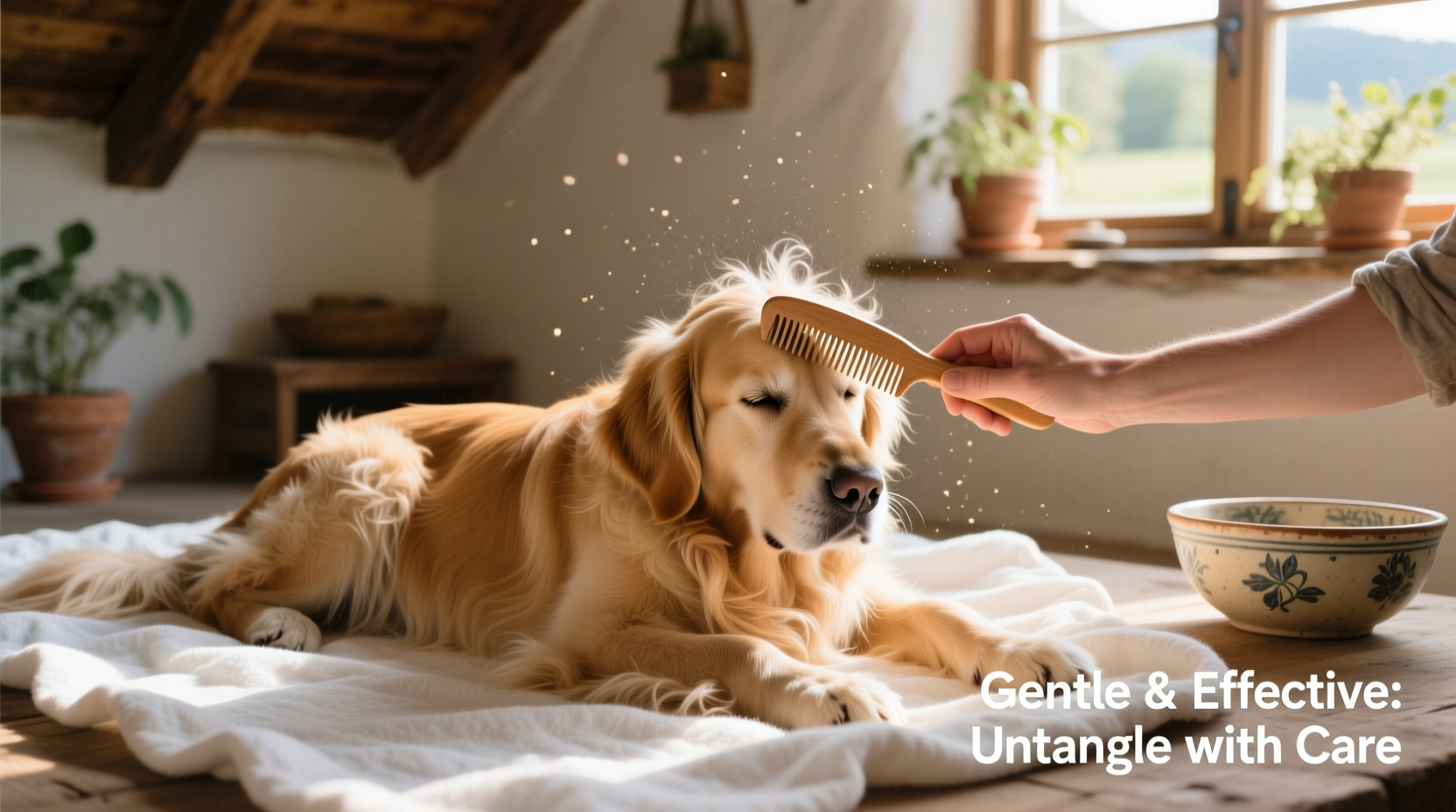
Dogs with long, curly, or double coats—such as Shih Tzus, Poodles, Golden Retrievers, and Huskies—are especially prone to tangles. These occur when loose hairs become trapped in the undercoat and outer layer, creating friction and forming tight knots. Areas like behind the ears, under the legs, around the collar, and along the belly are common hotspots. Moisture, dirt, and lack of regular brushing accelerate matting. Left untreated, severe mats can pull on the skin, restrict movement, and even lead to skin infections.
Prevention starts with understanding your dog’s coat type. Single-coated breeds may only need weekly brushing, while double-coated or high-maintenance breeds often require daily attention. Regular grooming not only prevents tangles but also strengthens trust between you and your dog.
Tip: Brush your dog before and after outdoor activities, especially if they’ve been rolling in grass or water.The Right Tools Make All the Difference
Using improper tools can worsen tangles or irritate your dog’s skin. Investing in quality grooming equipment tailored to your dog’s coat is essential. Here’s a breakdown of what works best:
| Tool | Best For | Avoid If |
|---|---|---|
| Slicker brush | Curly or dense coats (e.g., Poodles, Bichons) | Using excessive pressure; can scratch sensitive skin |
| Pin brush | Long, silky coats (e.g., Maltese, Afghan Hounds) | Dealing with tight mats; too soft for heavy tangles |
| Undercoat rake | Double-coated breeds (e.g., German Shepherds, Samoyeds) | Overuse during non-shedding seasons; can thin coat excessively |
| Detangling comb (wide-to-fine teeth) | All coat types, especially mild tangles | Starting from the tip instead of the root |
| Mat splitter or dematting tool | Severe mats close to the skin | Used by inexperienced handlers; risk of cutting skin |
Never use human combs or cheap plastic brushes—they’re ineffective and can break fragile dog hair. A stainless steel comb with rounded tips is ideal for delicate areas.
Step-by-Step Guide to Stress-Free Detangling
Gentle detangling is a methodical process. Rushing leads to pain and resistance. Follow this timeline for optimal results:
- Prepare the environment: Choose a quiet, well-lit space. Have treats, a non-slip mat, and all tools ready. Play calming music if your dog is anxious.
- Start with a dry coat: Never wet a tangled coat—wet hair tightens knots. Work only on dry fur unless using a leave-in conditioner specifically designed for detangling.
- Section the coat: Use clips to divide long-haired dogs into manageable sections. This prevents overwhelm and ensures thorough coverage.
- Begin at the ends: Hold the base of the tangle near the skin to avoid pulling. Gently work from the tip upward using small strokes with a comb or fingers.
- Apply a detangling spray: Use a natural, alcohol-free spray to lubricate stubborn areas. Ingredients like oatmeal, aloe, or coconut oil soothe the skin and loosen fibers.
- Work slowly: For tight mats, use a mat splitter to carefully slice through the center. Do not yank. If the mat is against the skin and won’t loosen, it’s safer to trim it out with blunt-tipped scissors—or consult a professional groomer.
- Finish with a full brush-through: Once tangles are gone, go over the entire coat with the appropriate brush to ensure smoothness.
- Reward generously: Offer praise and treats throughout. Positive reinforcement builds a positive association with grooming.
Real Example: Calming a Skittish Rescue Dog
Milo, a 3-year-old mixed-breed rescue, arrived at his new home with matted fur covering his hind legs and underbelly. His previous neglect made him fearful of touch. His owner, Sarah, began with just 3-minute daily sessions. She started by gently touching his back while offering chicken treats, building trust before introducing a soft-bristle brush. After two weeks, she progressed to a wide-tooth comb, working only on loose tangles at first. When she encountered a firm mat, she sprayed a coconut-oil-based detangler and used her fingers to gently tease it apart. Over six weeks, Milo went from cowering during grooming to sitting calmly, tail wagging, as Sarah brushed him. The key wasn’t speed—it was consistency, gentleness, and respect for his pace.
“Detangling isn’t about removing knots—it’s about preserving trust. A calm hand and patient rhythm do more than clean fur; they heal anxiety.” — Dr. Lena Reyes, Veterinary Behaviorist
Checklist: Preparing for a Successful Grooming Session
- ✔️ Choose a quiet time when your dog is relaxed (e.g., after a walk)
- ✔️ Gather tools: slicker brush, comb, detangler spray, treats, clips
- ✔️ Check for fleas, ticks, or skin irritation before starting
- ✔️ Begin with light petting to ease your dog into the session
- ✔️ Work in small sections, rewarding after each one
- ✔️ Stop if your dog shows signs of stress (whining, trembling, growling)
- ✔️ End on a positive note, even if the job isn’t complete
Frequently Asked Questions
Can I cut out mats with scissors?
You can, but with extreme caution. Only use blunt-tipped scissors and never point them toward the skin. Hold the mat away from the body and snip horizontally across the middle of the knot. If you're unsure, skip this step—cutting too deep can cause serious injury. For close-to-skin mats, seek a professional groomer.
How often should I detangle my dog’s coat?
Daily brushing is ideal for long- or curly-coated breeds. Short-haired dogs may only need grooming once a week. However, always check high-friction areas (armpits, neck, behind ears) every few days, even on low-maintenance breeds. Early detection prevents minor tangles from becoming unmanageable mats.
Are detangling sprays safe for puppies or sensitive skin?
Yes, but choose products labeled hypoallergenic and free from parabens, sulfates, and artificial fragrances. Test a small amount on the inner leg and wait 24 hours to check for reactions. Natural options like diluted coconut oil or a homemade mix of water and a teaspoon of olive oil can also work gently.
Final Thoughts: Turning Grooming Into Bonding
Untangling your dog’s hair shouldn’t be a battle. With the right tools, techniques, and mindset, it can become a moment of connection—one where your dog learns to trust your touch and feel cared for. Remember, force creates fear, but patience builds partnership. Whether you’re dealing with a few stray knots or preparing for a full grooming session, prioritize comfort over speed. Your dog’s coat will shine, yes—but more importantly, their confidence will grow.
💬 Have a grooming success story or a favorite detangling product? Share your experience in the comments and help fellow dog lovers keep their pets tangle-free and happy!








