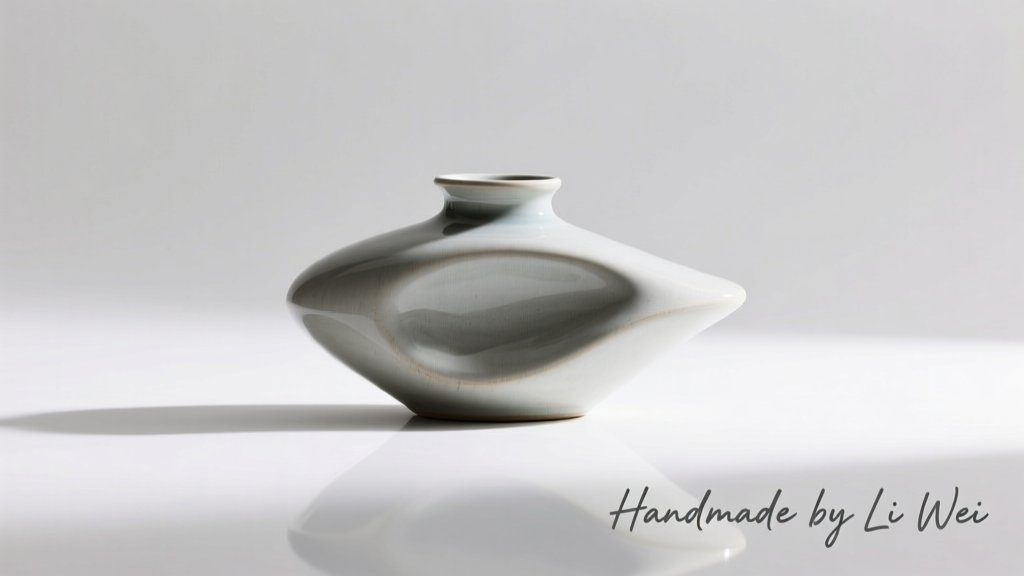
Types of Frosted Design Bowls
A frosted design bowl combines elegance and functionality, making it a popular choice for both home décor and practical use. The frosted finish is typically achieved through sandblasting or acid etching, which transforms clear glass into a smooth, matte surface that softens light and adds a touch of sophistication. These bowls are widely used for serving, storage, decoration, and even food preparation, blending aesthetic appeal with everyday utility.
Classical Frosted Bowls
Elegant and timeless, classical frosted bowls blend traditional craftsmanship with modern design sensibilities. Crafted from thin, high-quality glass, they offer a lightweight feel while maintaining durability. The frosted surface enhances their visual softness, highlighting the bowl’s contours and making it a refined centerpiece for any setting.
Advantages
- Timeless aesthetic suitable for any décor style
- Lightweight and easy to handle
- Versatile for daily use or special occasions
- Soft, diffused light effect enhances ambiance
Considerations
- May require gentle handling due to thin glass
- Fingerprint marks less visible but may collect dust
Best for: Dining tables, centerpieces, formal gatherings, minimalist interiors
Frosted Fruit Bowls
Specially designed to display and preserve fresh fruit, these bowls often feature perforated bases or slatted designs that promote air circulation. The frosted glass not only adds visual charm but also helps protect fruit from direct sunlight, slowing down ripening and reducing spoilage.
Advantages
- Promotes airflow to keep fruit fresher longer
- Stylish presentation for kitchens and dining areas
- UV-filtering effect of frosted glass protects produce
- Easy to clean and maintain
Considerations
- Not ideal for liquids or wet foods
- Perforations may trap small debris if not cleaned properly
Best for: Kitchen countertops, breakfast bars, fruit displays, healthy living spaces
Frosted Decorative Bowls
Designed primarily for visual impact, these bowls serve as artistic accents in living rooms, entryways, or shelves. Available in a wide range of shapes—round, oval, geometric, or freeform—they elevate interior aesthetics. While not always intended for heavy use, many can double as storage for keys, jewelry, or decorative fillers like sand, pebbles, or potpourri.
Advantages
- Enhances room décor with elegant texture
- Available in diverse styles and sizes
- Doubles as functional storage
- Matte finish resists smudges and glare
Considerations
- Primarily decorative; not suited for food or liquids
- May be fragile depending on thickness
Best for: Living rooms, entryway tables, gift displays, seasonal décor
Frosted Glass Mixing Bowls
Built for functionality in the kitchen, frosted mixing bowls are essential tools for food preparation. Often sold in nested sets, they provide multiple sizes for various cooking tasks. The frosted exterior isn’t just stylish—it improves grip, reducing the risk of slips when handling wet or greasy ingredients.
Advantages
- Non-slip textured surface for safer handling
- Durable tempered glass resists chipping
- Stackable design saves storage space
- Microwave and dishwasher safe (depending on brand)
Considerations
- Frosted surface may wear over time with abrasive cleaners
- Heavier than plastic alternatives
Best for: Home cooking, baking, meal prep, kitchen organization
| Type | Primary Use | Material Quality | Design Appeal | Ideal Location |
|---|---|---|---|---|
| Classical Frosted | Serving & Display | High (thin, refined glass) | Excellent | Dining room, living area |
| Frosted Fruit Bowl | Food Storage (fruit) | Medium-High (perforated design) | Very Good | Kitchen, breakfast nook |
| Frosted Decorative | Interior Décor | Variable (aesthetic focus) | Excellent | Entryway, shelves, mantel |
| Frosted Mixing Bowl | Cooking & Prep | High (tempered, durable) | Good | Kitchen, utility area |
Expert Tip: To preserve the frosted finish on glass bowls, avoid using abrasive sponges or harsh chemical cleaners. Instead, use a soft cloth with mild dish soap and dry thoroughly to maintain the matte texture and prevent water spots.
Fashion & Replacement of Frosted Design Bowls: A Complete Guide
Frosted design bowls have become a staple in modern home décor, blending aesthetic appeal with practical functionality. Their versatility makes them ideal for everyday use and special occasions alike. Whether used for serving food, decorative displays, or as part of a curated tablescape, frosted bowls offer a timeless elegance that complements a wide range of interior styles. This guide explores their design appeal and provides essential insights into when and how to replace them for lasting beauty and safety.
Design & Aesthetic Appeal of Frosted Bowls
The enduring popularity of frosted bowls stems from their ability to harmonize with diverse décor themes—from minimalist modern to rustic country. The soft, matte finish of the frosted surface diffuses light gently, creating a subtle glow that enhances the ambiance without overpowering other elements in a room.
Form & Shape
Classic frosted bowls often feature smooth, rounded contours that evoke a sense of calm and balance. These flowing lines are ideal for creating a serene atmosphere in living rooms or dining areas. In contrast, contemporary interpretations may include geometric cuts, angular edges, or asymmetrical silhouettes, appealing to those who favor bold, modern aesthetics.
Designers often use these variations to create visual interest—such as nesting sets with graduated sizes or bowls with textured outer surfaces that add depth while maintaining a sleek profile.
Color & Finish Options
While traditional frosted bowls come in clear or white tones for maximum versatility, today’s market offers a spectrum of tinted options. Soft pastels like frosted rose, sage green, and powder blue bring a delicate pop of color to neutral spaces, perfect for seasonal décor or themed events.
Bolder hues such as cobalt, emerald, or smoky gray cater to expressive interiors, adding drama and focal points to shelves or centerpieces. The translucent quality of the frosted finish allows light to pass through subtly, enhancing the perceived depth and richness of the color.
Material & Functionality
Many frosted bowls are crafted from tempered glass, combining elegance with durability. However, aluminum-based frosted bowls are also gaining traction due to their lightweight nature and resistance to breakage. These metal versions are especially useful for outdoor entertaining or households with children.
Aluminum frosted bowls are not only shatter-resistant but also easier to transport and store. Their non-corrosive properties make them suitable for both dry and moist environments, and they maintain their luster with minimal care.
Styling & Interior Integration
Frosted bowls seamlessly integrate into various design schemes. In modern kitchens, they complement stainless steel appliances and clean-lined cabinetry. In farmhouse-style homes, they pair beautifully with wooden tables and linen textiles, offering a refined contrast to natural materials.
They’re also popular in commercial settings—such as cafes and boutiques—where presentation matters. Used as fruit displays, candle holders, or planters, frosted bowls elevate the visual appeal of any space while serving a functional purpose.
When and How to Replace Frosted Bowls
Despite their durability, frosted bowls are subject to wear and environmental stress over time. Recognizing the signs of deterioration ensures continued safety and aesthetic quality in your home.
| Usage Frequency | Recommended Replacement Interval | Key Considerations |
|---|---|---|
| Daily Use | Every 2–3 years | High exposure to utensils, cleaning agents, and temperature changes accelerates wear. |
| Occasional Use (e.g., weekends) | Every 4–5 years | Less frequent handling extends lifespan; inspect annually for damage. |
| Special Occasions Only | 5+ years | Store in padded containers to prevent scratches and impacts. |
| Dishwasher or Microwave Use | Every 1.5–2 years | Thermal cycling and detergents degrade finish faster; consider dedicated non-heated alternatives. |
Choosing the Right Replacement Bowl
When it’s time to replace a frosted bowl, selecting the right material and construction is crucial for longevity and safety.
Tempered Glass
The top choice for durability and aesthetics. Tempered glass undergoes a controlled thermal or chemical treatment that increases its strength up to five times compared to regular glass. It’s more resistant to breakage and, if shattered, breaks into small, less hazardous pieces.
Ideal for serving hot dishes, oven use (if labeled oven-safe), and households seeking a premium look.
Plastic & Composite Materials
Lightweight and virtually unbreakable, plastic frosted bowls are excellent for outdoor use, picnics, or children’s settings. Advanced acrylics can mimic the look of glass while offering flexibility and impact resistance.
However, they may scratch more easily and are less heat-resistant, making them unsuitable for hot foods or microwaving unless specifically rated.
Wood & Natural Materials
Wooden bowls with frosted finishes (often achieved through lacquering or resin coatings) offer a warm, organic feel. They are long-lasting with proper care but require more maintenance—such as oiling—and are not suitable for liquids or high-moisture environments.
Best used for dry displays, bread serving, or decorative purposes rather than everyday dining.
Care Tips to Extend Lifespan
Use non-abrasive sponges and pH-neutral cleaners. Avoid stacking bowls without protective padding. Store in a dry place away from direct heat or sunlight. For glass bowls, avoid sudden temperature shifts by allowing them to reach room temperature before heating.
Important: Never use a frosted bowl with visible cracks, deep scratches, or cloudiness in high-heat appliances. Damaged glass can fail unexpectedly, posing a safety hazard. Always check manufacturer guidelines for care and usage limits. Investing in high-quality replacements ensures both visual appeal and long-term safety in your home.
Design and Appeal of Frosted Glass Bowls
The frosted glass bowl is a timeless and elegant choice for both home interiors and retail displays. Its distinctive appearance and functional versatility have made it a favorite among designers, decorators, and everyday users alike. The frosted finish not only enhances the tactile experience with a smooth, soft-to-the-touch surface but also diffuses light beautifully, creating a warm and inviting ambiance in any space.
Manufacturing Process and Materials
The signature frosted effect on glass bowls is typically achieved through a process called sandblasting, where fine particles are propelled at high speed against the glass surface, creating a uniformly matte finish. Alternatively, acid etching or chemical treatments can be used to produce a similar soft, translucent look.
- Sandblasting offers consistent texture and depth, ideal for premium decorative pieces
- Acid-etched finishes provide a more refined, uniform appearance with excellent light diffusion
- While glass remains the top choice for elegance and clarity, alternatives like frosted acrylic or powder-coated metal are used for lightweight or outdoor applications
- Tempered frosted glass enhances durability and safety, making it suitable for high-traffic areas
Did you know? Hand-finished frosted bowls often feature subtle variations that add to their artisanal charm and uniqueness.
Variety in Shape, Size, and Design
Frosted bowls are available in an extensive range of sizes and silhouettes, catering to both practical and aesthetic needs. From compact dishes to large serving centrepieces, their adaptability makes them a staple in modern households and commercial spaces.
- Small bowls (4–6 inches) are perfect for snacks, condiments, or jewelry storage
- Medium-sized bowls (7–9 inches) work well for salads, fruit displays, or candle arrangements
- Large bowls (10+ inches) serve as statement pieces for buffets, floral arrangements, or decorative centerpieces
- Unique shapes—such as geometric squares, starbursts, hexagons, or organic freeforms—add visual interest and modern flair
Design tip: Mixing different shapes and heights creates dynamic visual layers in tablescapes or shelf displays.
Functional Uses: Storage & Serving
Beyond their beauty, frosted glass bowls are highly functional. Their non-porous surface resists stains and odors, making them ideal for food preparation and storage. Their elegant appearance also transitions seamlessly from kitchen utility to dining table presentation.
- Ideal for serving salads, desserts, fruits, or appetizers at gatherings
- Perfect for organizing small household items like keys, coins, or makeup brushes
- Used in kitchens for prepping ingredients—mixing, marinating, or chilling
- Excellent for storing dry goods like nuts, candies, or tea when kept in airtight environments
Pro tip: Pair with a matching lid or tray to elevate both utility and presentation.
Decorative and Ambient Applications
One of the standout qualities of frosted glass is its ability to scatter and soften light. This makes frosted bowls particularly effective in enhancing mood and atmosphere when used with lighting elements.
- Place LED tea lights or small candles inside to create a glowing centerpiece
- Fill with decorative stones, sand, or faux flowers for minimalist table decor
- Use in retail settings to highlight products like jewelry, cosmetics, or gourmet treats
- Layer with fairy lights or water and floating petals for special events
Creative idea: Combine with colored liners or backdrops to change the bowl’s appearance seasonally.
Interior Styling Insight: Frosted glass bowls blend effortlessly with various design themes—from Scandinavian minimalism to rustic farmhouse and modern glam. Their neutral, soft-lit appearance complements both warm and cool color palettes, making them a versatile addition to any room. For maximum impact, group bowls in threes or layer them with varying contents to create visual rhythm and depth.
| Use Case | Recommended Size | Suggested Features | Best For |
|---|---|---|---|
| Food Serving | 8–12 inches | Wide rim, tempered glass | Dinner parties, buffets, brunches |
| Home Organization | 4–6 inches | Stackable, small footprint | Entryway keys, bathroom essentials |
| Decorative Display | 6–10 inches | Unique shape, thick glass | Shelves, coffee tables, mantels |
| Candle Holder | 5–8 inches | Deep cavity, stable base | Centerpieces, romantic lighting |
Additional Considerations
- Care & Maintenance: Hand washing is recommended to preserve the frosted finish; avoid abrasive cleaners that may scratch the surface
- Durability: High-quality frosted glass is resistant to chipping and thermal shock, especially when tempered
- Eco-Friendliness: Glass is recyclable and free from harmful chemicals, making it a sustainable choice
- Customization: Many brands offer personalized engraving or logo etching for gifts or branding purposes
- Versatility: Equally at home in kitchens, living rooms, bathrooms, or retail environments
In summary, the frosted glass bowl is far more than a simple container—it is a multifunctional design element that enhances both utility and aesthetics. Whether used for serving food, organizing daily essentials, or creating atmospheric decor, its soft luminosity and refined appearance make it a cherished item in homes and businesses alike. Its enduring popularity is a testament to its perfect balance of form, function, and timeless elegance.
How to Choose the Perfect Frosted Design Bowl
Selecting the ideal frosted design bowl involves more than just aesthetics—it’s about balancing functionality, durability, and style to match your needs. Whether you're using it for serving, storage, or decoration, key factors such as material, size, usage, and design style play a crucial role in making the right choice. This comprehensive guide will help you navigate the decision-making process and find a frosted bowl that enhances both your kitchen and dining experience.
Note: Frosted design bowls are not only functional but also serve as statement pieces. Consider both practical use and visual impact when selecting your ideal bowl.
1. Material: Durability Meets Aesthetic Appeal
The material of a frosted bowl significantly impacts its durability, weight, and overall appearance. Here's a breakdown of the most common materials used:
- Glass: The most popular choice for frosted bowls due to its clarity, strength, and ability to showcase intricate frosted patterns. Tempered glass is especially resistant to thermal shock and everyday wear, making it ideal for both cold and warm foods.
- Plastic (Acrylic or Polycarbonate): Lightweight and shatter-resistant, plastic frosted bowls are perfect for outdoor gatherings, children’s use, or casual settings. While less elegant than glass, modern designs now offer a premium look with frost-like finishes.
- Metal (Stainless Steel or Aluminum): Extremely durable and often used in commercial or modern minimalist settings. Metal bowls provide a sleek, reflective frosted texture but may not show fine detailing as clearly as glass. They are best suited for decorative or dry-food use, as moisture can affect certain finishes over time.
2. Usage: Match the Bowl to Its Purpose
Understanding how you plan to use the bowl is essential in narrowing down your options:
- Food Preparation & Mixing: Choose thick-walled, heavy-duty glass or stainless steel bowls that can withstand stirring, beating, and temperature changes. Look for non-porous materials that resist staining and odors.
- Storage: Opt for bowls with airtight lids or stackable designs. Glass is ideal here for visibility and preserving food freshness. Ensure the frosted finish doesn’t compromise the seal or usability.
- Serving & Entertaining: Prioritize visual appeal. Bowls with elegant frosted patterns, smooth rims, and balanced proportions enhance table settings. Crystal or high-clarity glass adds a touch of sophistication for formal occasions.
- Decorative Use: For centerpieces or display purposes, focus on unique shapes, artistic etching, and lighting effects. LED-lit bases can accentuate the frosted texture, creating a stunning visual centerpiece.
3. Size: Finding the Right Capacity
Selecting the appropriate size ensures both practicality and proportionality in your space:
- Small Bowls (3–8 oz): Ideal for individual servings, dips, condiments, or desserts like custards and mousse. Ramekins and mini frosted bowls work well here.
- Medium Bowls (16–32 oz): Perfect for side dishes, salads, fruit, or snacks like popcorn. These are versatile for daily use and entertaining.
- Large Bowls (64+ oz): Best for family-style meals, punch, or large salads. Ensure the bowl is sturdy enough to handle heavy ingredients without tipping.
Tip: Consider nesting sets or multi-size collections for maximum flexibility in the kitchen.
4. Style & Design: Complementing Your Decor
The style of your frosted bowl should harmonize with your kitchen or dining room theme:
- Modern & Minimalist: Sleek lines, geometric patterns, and subtle frosted textures work best. Clear glass with light etching or matte finishes fits contemporary spaces. Avoid overly ornate designs.
- Traditional & Rustic: Look for bowls with intricate patterns, floral motifs, or handcrafted details. Ceramic bowls with warm-toned glazes and soft frosted finishes add charm and coziness to classic interiors.
- Prints & Patterns: Small, understated prints enhance modern aesthetics, while bold, elaborate designs suit vintage or eclectic decor. Ensure the print aligns with the room’s color scheme and theme for a cohesive look.
| Factor | Best For | Recommended Materials | Style Tips |
|---|---|---|---|
| Everyday Use | Mixing, storage, snacks | Tempered glass, durable plastic | Simple shapes, easy to clean |
| Entertaining | Serving salads, desserts, dips | Crystal, high-clarity glass | Elegant etching, smooth finish |
| Decorative Display | Centerpieces, shelves | Glass, metal, ceramic | Intricate patterns, lighting effects |
| Outdoor/Casual Use | Picnics, kids’ meals | Shatter-resistant plastic | Bright colors, fun textures |
Expert Tip: When in doubt, choose a neutral-toned frosted glass bowl with a timeless design. It’s versatile enough to transition from kitchen utility to dining table elegance and complements a wide range of decor styles.
Final Considerations Before Purchase
- Check for dishwasher and microwave safety, especially if used for food prep or storage.
- Ensure the frosted finish is etched or sandblasted (not painted) for longevity and resistance to wear.
- Examine the rim and base for stability—wobbly bowls are impractical for serving.
- Read customer reviews for real-world insights on durability and appearance over time.
- Consider purchasing a set for uniformity in presentation and long-term value.
In conclusion, choosing the right frosted design bowl requires thoughtful consideration of material, size, intended use, and aesthetic compatibility. By aligning these factors with your lifestyle and decor, you can select a bowl that is not only functional but also a beautiful addition to your home. Whether it’s a simple glass bowl for daily use or an ornate ceramic centerpiece, the perfect frosted bowl enhances both utility and visual appeal.
Frequently Asked Questions About Frosted Design Bowls
Q1: What is the point of a frosted design bowl?Frosted design bowls serve both functional and aesthetic purposes, making them a popular choice in modern home decor and dining. The soft, matte finish of the frosted surface gives the bowl an elegant, subtle glow that enhances the ambiance of any room. Unlike glossy finishes, the frosted texture diffuses light gently, creating a calming visual effect that complements a variety of interior styles—from minimalist to rustic chic.
Beyond aesthetics, these bowls are highly practical. The frosted surface is excellent at concealing fingerprints, smudges, and minor scratches, which helps the bowl maintain a clean, polished appearance with less frequent cleaning. They are commonly used for:
- Serving food: Ideal for salads, fruits, desserts, or appetizers at gatherings.
- Home decoration: Can be used as centerpieces, filled with decorative stones, potpourri, or candles.
- Organization: Perfect for holding keys, jewelry, or bathroom essentials like cotton balls and soaps.
Their dual role as both decorative and utilitarian items makes frosted bowls a versatile addition to any household.
Q2: Are frosted bowls made for serving food safe in the oven?Most frosted bowls are not oven-safe, and using them in high-heat environments can lead to cracking, shattering, or permanent damage. While many frosted bowls are crafted from glass or ceramic—materials that can sometimes withstand heat—the frosting process often involves surface treatments or coatings that degrade under high temperatures.
Additionally, rapid temperature changes (thermal shock) can cause stress fractures in glass or ceramic, especially if the bowl is moved from a cold to a hot oven or vice versa. Even if the base material is heat-resistant, the aesthetic finish may bubble, discolor, or peel.
To ensure safety and longevity:
- Always check the manufacturer’s label for oven-safe certification.
- Avoid placing frosted bowls directly on stovetops, under broilers, or in toaster ovens unless explicitly rated for such use.
- When in doubt, transfer food to a known oven-safe dish before heating.
For serving hot dishes, consider using the frosted bowl only after the food has cooled slightly to preserve both the bowl and its appearance.
Q3: How should a frosted bowl be cleaned and taken care of?Proper care is essential to maintain the delicate frosted finish and extend the life of your bowl. Because the matte surface is more prone to scratching and chemical damage than glossy finishes, gentle cleaning methods are recommended.
Cleaning Tips:
- Wash by hand using a soft sponge or microfiber cloth with mild dish soap and warm water.
- Avoid abrasive scrubbers like steel wool or harsh scouring pads, which can scratch the surface and dull the frosted effect.
- Do not use strong cleaning agents, bleach, or acidic solutions (e.g., vinegar or citrus-based cleaners), as they may erode the finish over time.
- Dry thoroughly with a soft towel to prevent water spots, especially on glass surfaces.
Storage & Handling:
- Store in a safe place where it won’t be knocked over or come into contact with harder objects that could chip or scratch it.
- Avoid stacking other heavy items on top of the bowl.
- Keep away from extreme temperatures—don’t place in freezers for long periods or expose to direct sunlight, which can cause thermal stress or fading.
With proper maintenance, a frosted bowl can remain a beautiful and functional piece for years.
Q4: Can a frosted bowl be used for daily meals or special occasions?Yes, frosted bowls are incredibly versatile and well-suited for both everyday use and special events. Their timeless, understated elegance makes them appropriate in a wide range of settings.
Daily Use: Many frosted bowls are durable enough for regular meals. They work beautifully for breakfast cereals, yogurt, salads, or snacks. Their smudge-resistant surface makes them ideal for households with children or frequent use, as they don’t show every fingerprint or splash.
Special Occasions: For holidays, dinner parties, or celebrations, frosted bowls add a touch of sophistication. Their soft, diffused light reflection creates an inviting presentation for appetizers, desserts, or fruit platters. Pair them with ambient lighting or floral arrangements to enhance their decorative appeal.
Because they bridge the gap between practicality and style, frosted bowls are a smart investment for anyone looking to elevate their dining experience without sacrificing convenience.
Q5: Are frosted bowls available in many different colors and styles?Absolutely! Frosted bowls come in a diverse array of colors, shapes, sizes, and design variations to suit virtually any taste or interior theme. Whether you prefer classic neutrals or bold accents, there’s likely a frosted bowl that matches your vision.
Popular Options Include:
- Colors: Clear frosted, white, gray, black, blush pink, sage green, navy blue, and even metallic-frosted hybrids.
- Shapes: Round, square, oval, rectangular, and asymmetrical modern designs.
- Sizes: Small (4–6 inches) for dips or jewelry, medium (7–9 inches) for salads or sides, and large (10+ inches) for centerpieces or family-style serving.
- Textures: Some feature etched patterns, geometric cuts, or layered frosting for added visual interest.
This wide variety allows homeowners, event planners, and gift-givers to find the perfect match for their needs. Whether you're decorating a modern apartment, hosting a wedding, or simply upgrading your kitchenware, frosted bowls offer endless possibilities for personalization and style.









