
For decades, dry kibble has been the default choice for feeding dogs—convenient, shelf-stable, and affordable. But in recent years, fresh dog food has surged in popularity, promising better nutrition, improved digestion, and longer, healthier lives. The catch? It often costs two to three times more than traditional kibble. So, is the price difference truly justified when it comes to your dog’s long-term health and longevity?
The answer isn’t straightforward. While fresh diets offer undeniable nutritional advantages, their real-world impact depends on a dog’s age, breed, activity level, and existing health conditions. This article breaks down the science, compares key factors, and evaluates whether investing in fresh dog food translates into meaningful improvements in vitality and lifespan.
Nutritional Quality: What’s Really in Their Bowl?
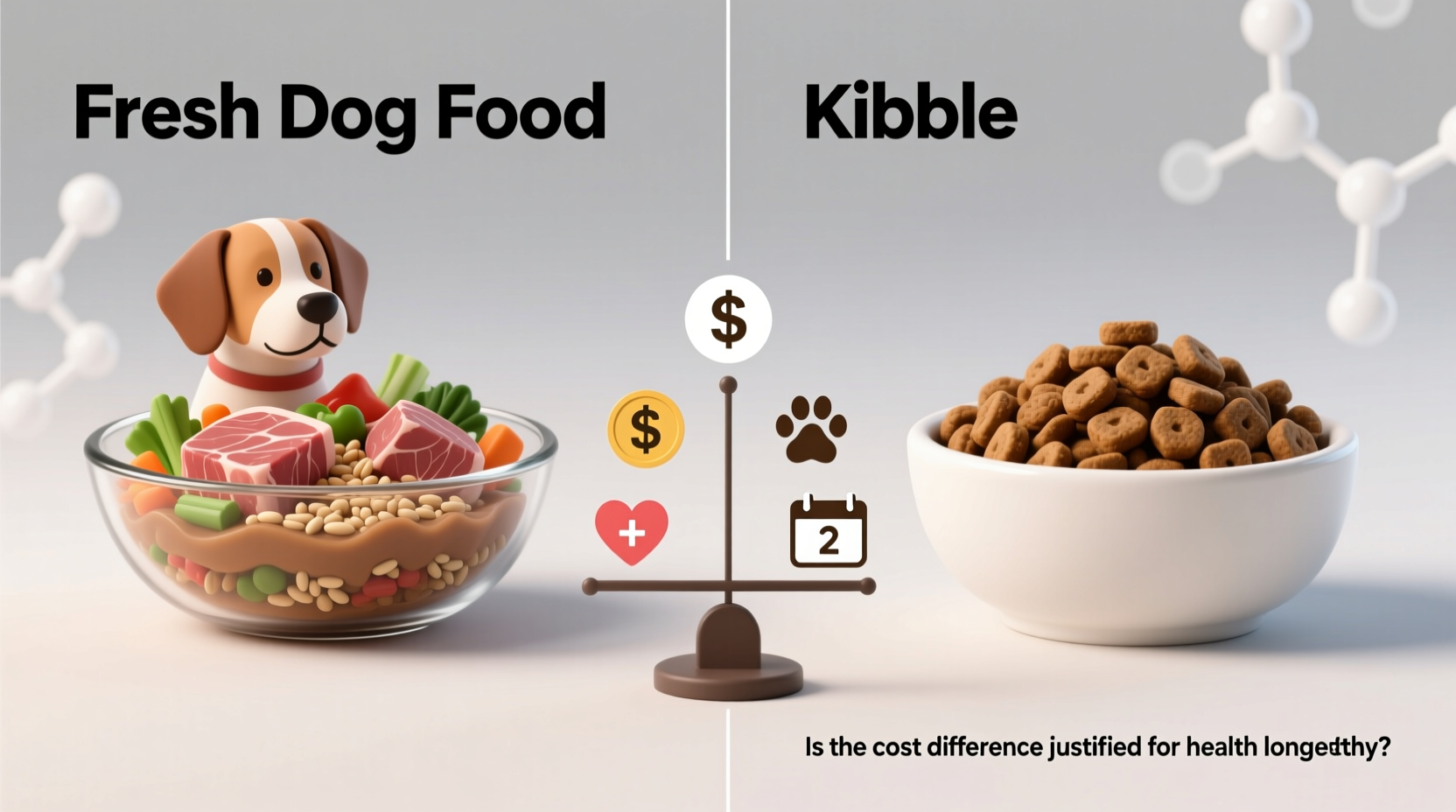
The foundation of any diet lies in its ingredients. Kibble is typically made from a mix of animal by-products, rendered fats, grains, and synthetic vitamins. To withstand high-heat processing and extended shelf life, many nutrients must be added back after cooking. In contrast, fresh dog food uses whole, human-grade meats, vegetables, and sometimes organ meats, with minimal processing and no artificial preservatives.
Fresh diets generally contain higher moisture content (70–80% vs. 10–12% in kibble), which supports kidney function and hydration—especially critical for older dogs or those prone to urinary issues. They also avoid high-glycemic fillers like corn and soy, which can contribute to inflammation and insulin resistance over time.
Tip: Check ingredient lists for named meat sources (e.g., “chicken” vs. “meat meal”) and avoid foods where the first five ingredients include grains or by-products.Key Nutrient Differences
| Nutrient/Feature | Fresh Dog Food | Kibble |
|---|---|---|
| Protein Source Quality | Whole meats, often human-grade | Meat meals, by-products, unspecified sources |
| Moisture Content | 70–80% | 10–12% |
| Polyunsaturated Fats (Omega-3s) | Higher, naturally occurring levels | Often oxidized due to processing; may require supplementation |
| Synthetic Additives | Rare or none | Common (vitamins, preservatives, colors) |
| Digestibility | Typically 85–90% | 60–75% |
According to Dr. Karen Becker, a proactive veterinarian and advocate for species-appropriate nutrition, “The closer a pet’s diet mimics what they would eat in the wild—whole, unprocessed foods—the better their cellular health, immune function, and metabolic efficiency.”
“The quality of calories matters as much as the quantity. A dog eating nutrient-dense, bioavailable food is less likely to suffer from chronic inflammation, which is a root cause of many degenerative diseases.” — Dr. Karen Becker, DVM
Health Outcomes: Real Benefits Beyond the Hype
While marketing claims abound, clinical evidence is emerging that supports the benefits of fresh diets. A 2022 study published in *PLOS ONE* analyzed data from over 2,000 dogs and found that those fed fresh, cooked diets had significantly lower rates of gastrointestinal disorders, skin allergies, and obesity compared to kibble-fed peers.
Another longitudinal observation from Banfield Pet Hospital noted that dogs on balanced fresh diets visited veterinarians 15–20% less frequently for chronic conditions like ear infections, dental disease, and arthritis flare-ups.
One of the most compelling arguments for fresh food lies in gut health. The microbiome plays a crucial role in immunity, mood regulation, and nutrient absorption. Fresh diets, rich in natural enzymes and fiber from whole vegetables, support a diverse and resilient gut flora. Kibble, especially when high in starches, can promote the growth of harmful bacteria and lead to chronic low-grade inflammation.
Mini Case Study: Max, the Senior Labrador
Max, a 9-year-old Labrador Retriever, had struggled with chronic ear infections, dull coat, and mild hip dysplasia for years. His owner, Sarah, fed him a premium kibble brand but noticed he was gaining weight despite reduced portions. After consulting a veterinary nutritionist, she transitioned Max to a vet-formulated fresh diet with lean turkey, sweet potato, kale, and fish oil.
Within eight weeks, Max lost excess weight, his coat became shiny, and his ear infections ceased. Most notably, his mobility improved—likely due to reduced systemic inflammation. His vet remarked that his blood work showed better liver enzyme profiles and lower CRP (C-reactive protein) levels, indicating decreased internal inflammation.
“I was skeptical at first,” Sarah said. “But seeing Max act like a 5-year-old again convinced me. Yes, it costs more, but I’m spending less on vet visits and medications now.”
Cost Analysis: Breaking Down the Numbers
A typical 50-pound dog eats about 2.5 cups of kibble per day. At an average cost of $2.50 per pound, that’s roughly $1.25/day or $456 annually. Premium kibble can push this to $800/year.
In contrast, a fresh food plan for the same dog might cost $5–$7 per day, totaling $1,800–$2,500 annually. That’s a significant increase—up to five times more than basic kibble.
But the true cost isn’t just in the bag. Consider:
- Veterinary bills: Chronic conditions linked to poor diet (allergies, diabetes, pancreatitis) can cost hundreds or thousands annually.
- Medications: Long-term use of antihistamines, joint supplements, or antibiotics adds up.
- Emergency care: Poor nutrition can accelerate organ decline, increasing risk of costly late-life interventions.
When viewed holistically, the upfront cost of fresh food may be offset by reduced medical expenses and improved quality of life. For many owners, it’s not just about adding years to life—but life to years.
Tip: Start with a partial switch—replace one meal a day with fresh food. This reduces cost while still delivering nutritional benefits.Practical Guide: How to Transition Safely and Affordably
Moving from kibble to fresh food requires planning. Sudden changes can upset digestion. Follow this step-by-step approach:
- Evaluate your dog’s current health. Consult your vet, especially if your dog has kidney, liver, or pancreatic issues.
- Choose a balanced option. Look for fresh brands that meet AAFCO standards or are formulated by veterinary nutritionists.
- Start slow. Mix 25% fresh food with 75% kibble for 3–4 days, then gradually increase the ratio over 10–14 days.
- Monitor closely. Watch for loose stools, gas, or appetite changes. Adjust portion sizes based on energy and body condition.
- Reassess monthly. Track weight, coat quality, breath odor, and energy levels. Blood work every 6–12 months can reveal internal improvements.
- Use fresh food for dinner, kibble for breakfast.
- Prepare homemade meals 2–3 times per week using vet-approved recipes.
- Buy in bulk or subscribe for discounts—many fresh food companies offer 10–15% savings with recurring orders.
- ✅ Does my dog have chronic skin, digestive, or allergy issues?
- ✅ Is my dog overweight or lethargic despite adequate exercise?
- ✅ Am I willing to store perishable food and follow thawing guidelines?
- ✅ Can I afford a moderate increase in food costs for potential long-term savings?
- ✅ Have I consulted my vet or a canine nutritionist?
- ✅ Am I prepared to monitor changes and adjust as needed?
If budget is a concern, consider hybrid models:
Checklist: Is Fresh Food Right for Your Dog?
Before making the switch, ask yourself these questions:
If most answers are yes, fresh food could be a worthwhile investment.
Frequently Asked Questions
Can fresh dog food extend my dog’s lifespan?
There is no definitive proof that fresh food directly increases lifespan, but strong evidence suggests it improves healthspan—the period of life spent in good health. By reducing chronic inflammation and supporting organ function, fresh diets may delay the onset of age-related diseases, indirectly contributing to a longer, more vibrant life.
Isn’t kibble nutritionally complete?
Yes, most commercial kibbles are labeled as “complete and balanced” according to AAFCO standards. However, completeness doesn’t guarantee optimal bioavailability. Synthetic vitamins and minerals are less efficiently absorbed than those from whole foods. Additionally, high-heat processing can degrade sensitive nutrients like certain B vitamins and essential fatty acids.
What about raw diets? Are they better than fresh cooked?
Raw diets can offer benefits but come with higher risks—bacterial contamination (e.g., Salmonella, Listeria) and nutritional imbalances if not properly formulated. Fresh cooked diets retain more nutrients than kibble and are safer for households with children or immunocompromised individuals. If considering raw, consult a veterinary nutritionist and source from reputable, tested suppliers.
Conclusion: Investing in Health, One Meal at a Time
The gap between fresh dog food and kibble goes beyond price tags—it reflects a fundamental shift in how we view pet nutrition. While kibble remains a viable option for many, fresh food offers a superior nutritional profile that aligns more closely with a dog’s biological needs.
The cost difference is real, but so are the potential returns: fewer vet visits, reduced reliance on medications, shinier coats, better breath, and sustained energy into senior years. For dogs with existing health concerns, the switch can be transformative. For healthy dogs, it may prevent problems before they start.
Ultimately, the decision isn’t just about dollars and cents—it’s about prioritizing long-term wellness over short-term convenience. You don’t need to go 100% fresh to make a difference. Even incremental changes can set your dog on a healthier path.
🚀 Ready to take the next step? Talk to your vet, research trusted fresh food brands, and consider a trial run. Your dog’s future self will thank you.








