
Dog owners today are bombarded with choices—especially when it comes to what to feed their pets. Once limited to dry kibble or canned wet food, the market now offers a growing number of fresh dog food delivery services. These subscription-based meals promise human-grade ingredients, tailored nutrition, and improved vitality. But is the health benefit real, or is it simply clever marketing capitalizing on pet parents’ desire to do more for their dogs?
The debate between fresh dog food delivery and traditional kibble isn’t just about price or convenience—it’s about long-term health outcomes, digestibility, ingredient quality, and whether the visible changes in coat, energy, and stool are backed by science or anecdote.
To answer this question honestly, we need to look beyond the glossy packaging and influencer endorsements. Let’s examine nutritional composition, veterinary research, real-world results, and practical trade-offs.
Nutritional Quality: What’s Actually in the Bowl?
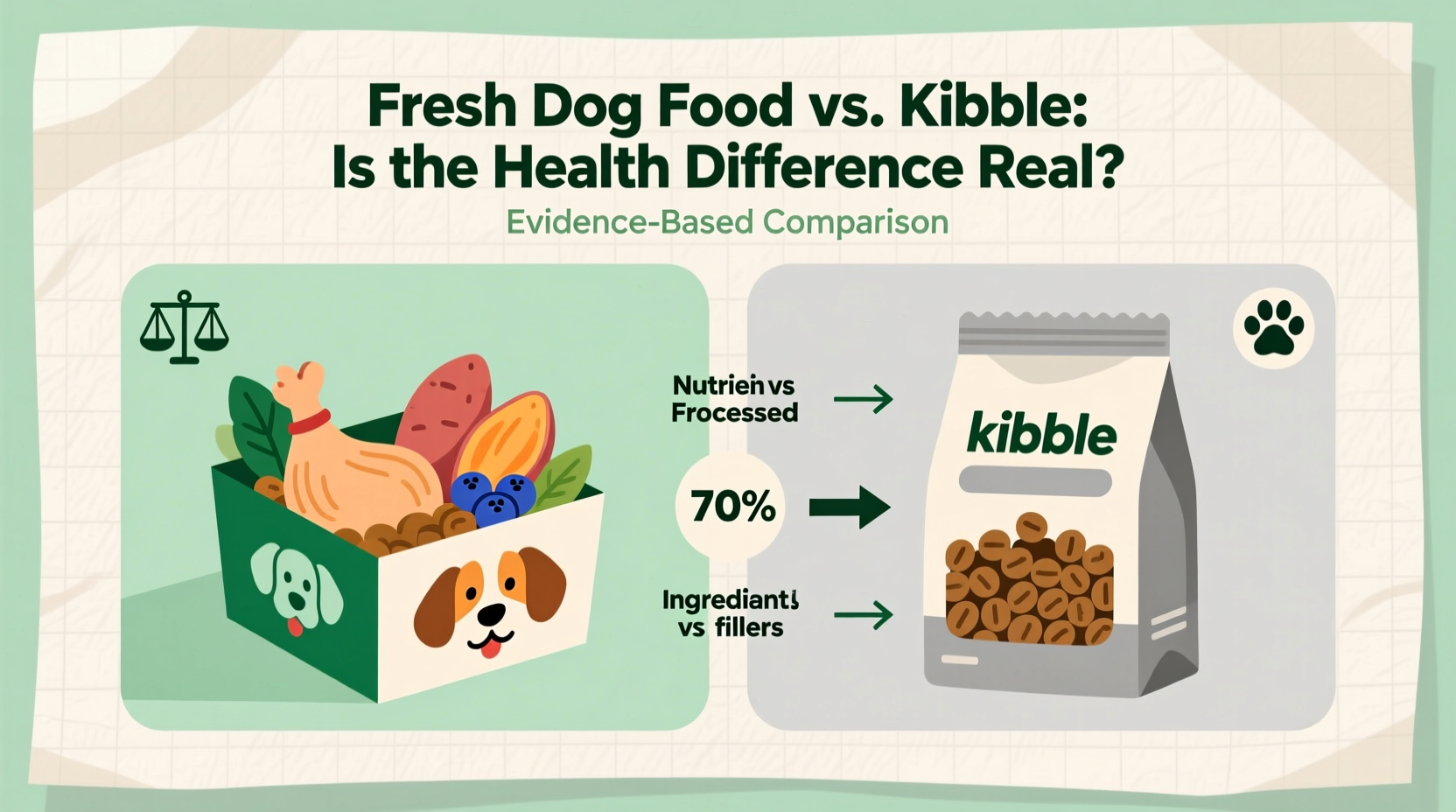
Kibble has been the staple of dog diets for decades. It's convenient, shelf-stable, and affordable. Most commercial kibble meets AAFCO (Association of American Feed Control Officials) standards, meaning it provides complete and balanced nutrition for dogs at various life stages. However, meeting minimum standards doesn’t equate to optimal nutrition.
Fresh dog food delivery services typically use whole-food ingredients—like chicken breast, sweet potatoes, carrots, and blueberries—cooked gently and delivered refrigerated. These meals avoid the high-heat extrusion process used in kibble production, which can degrade heat-sensitive nutrients like certain vitamins and amino acids.
One key difference lies in moisture content. Kibble is only about 10% water, while fresh food can be up to 70–80%. This means dogs eating fresh food naturally consume more hydration, which supports kidney function and urinary tract health—especially important for breeds prone to stones or older dogs.
Tip: If your dog drinks little water, switching to fresh food may help prevent dehydration-related issues.Another major factor is protein source and quality. While many kibbles list “chicken meal” as a primary ingredient, this is a rendered product that can include less desirable parts of the animal. Fresh food brands often specify exact cuts (e.g., deboned turkey thigh) and avoid by-products altogether.
Processing Methods Matter
The way food is processed affects nutrient bioavailability—the degree to which nutrients can be absorbed and used by the body. Kibble undergoes high-pressure, high-temperature extrusion, which extends shelf life but can reduce the effectiveness of certain nutrients. Synthetic vitamins and minerals are then added back post-processing.
In contrast, fresh dog foods are typically gently cooked at lower temperatures, preserving more natural enzymes and nutrients. Some even offer raw options, though these come with additional handling and safety considerations.
“While kibble can sustain a dog’s life, fresh food may support a higher quality of life—better digestion, shinier coats, and sustained energy.” — Dr. Lisa Andrews, DVM, Veterinary Nutritionist
Health Outcomes: What Do Owners and Studies Say?
Anecdotal evidence from pet owners who’ve switched to fresh food is overwhelmingly positive. Commonly reported changes include:
- Improved coat shine and reduced shedding
- Smaller, firmer stools with less odor
- Increased energy and alertness
- Better breath and reduced plaque buildup
- Fewer skin irritations and allergies
But anecdotes aren't data. So what does scientific research say?
A 2022 study published in *PLOS ONE* analyzed over 8,000 dogs fed either kibble or fresh commercial diets. The results showed that dogs on fresh food had significantly better body condition scores, fewer gastrointestinal issues, and lower rates of chronic conditions like pancreatitis and obesity. While the study didn’t prove causation, the correlation was strong enough to suggest that diet plays a measurable role in long-term health.
Veterinarians are also noticing trends. Dr. Rajiv Patel, a small-animal practitioner in Austin, Texas, reports that “dogs on fresh diets tend to have fewer vet visits for digestive upset and skin problems. I’m not saying kibble causes illness, but I do see a difference in resilience.”
Real Example: Max, the Itchy Labrador
Consider Max, a 5-year-old yellow Labrador from Portland, Oregon. For years, Max suffered from chronic ear infections and itchy skin, despite multiple allergy tests and prescription kibble. His owner, Sarah, tried rotating proteins and adding fish oil supplements, but results were inconsistent.
After switching to a fresh food delivery service featuring duck and squash (a novel protein), Max’s symptoms began improving within three weeks. By week six, his ears were clear, his coat was thicker, and his stools were half the size. His vet confirmed improved liver enzymes and reduced inflammatory markers.
Was it the fresh food—or just the new protein? Possibly both. But the change coincided with eliminating processed fillers, artificial preservatives, and high-glycemic grains common in kibble.
Cost and Practicality: Can You Afford Better Nutrition?
There’s no denying that fresh dog food is more expensive. On average, a 50-pound dog might cost $5–$8 per day on a fresh delivery plan, compared to $1–$2 for mid-range kibble. Over a year, that’s a difference of $1,500 or more.
For many families, this isn’t feasible. Yet some owners treat it like premium fuel—spending more upfront to potentially save on future vet bills. Preventative nutrition may reduce the risk of costly chronic diseases down the line.
Convenience is another factor. Fresh food requires fridge space, daily portioning, and consistent delivery schedules. Missed deliveries or travel can disrupt feeding routines. Kibble wins here: it’s portable, non-perishable, and easy to store.
Tip: Start with a partial switch—mix fresh food with kibble—to test tolerance and manage costs.Comparison Table: Fresh Delivery vs Kibble
| Factor | Fresh Dog Food Delivery | Kibble |
|---|---|---|
| Ingredient Quality | Whole foods, human-grade, minimal processing | Rendered meals, fillers, synthetic additives |
| Moisture Content | 70–80% | ~10% |
| Digestibility | Higher; smaller, less odorous stools | Lower; larger volume waste |
| Shelf Life | 3–5 days refrigerated; must be frozen if delayed | Months to years unopened |
| Cost (50-lb dog) | $180–$300/month | $30–$60/month |
| Variety & Customization | High; breed, age, and health-specific plans | Limited; broad formulations |
| Ease of Use | Requires planning; thawing; storage | Pour-and-go; travel-friendly |
Is the Hype Justified? Separating Marketing from Medicine
Not all fresh dog food is created equal. Just because a brand says “fresh” or “natural” doesn’t mean it’s nutritionally superior. Some companies use misleading labels or lack veterinary oversight in recipe development.
Look for brands that:
- Employ board-certified veterinary nutritionists
- Conduct AAFCO feeding trials (not just formulation)
- Provide transparent sourcing information
- Use minimal preservatives (no BHA/BHT)
On the flip side, not all kibble is junk. Premium kibbles exist—some made with high-quality proteins, probiotics, and omega fatty acids. Brands like Orijen, Acana, and Wellness Core offer grain-free, high-protein formulas that outperform budget supermarket kibble.
The truth is somewhere in the middle: fresh food has measurable advantages in digestibility and ingredient integrity, but kibble can still support a healthy dog—especially when chosen carefully.
“The best diet is one that’s balanced, sustainable, and suited to the individual dog—not just the trendiest option.” — Dr. Elena Torres, Board-Certified Veterinary Nutritionist
How to Make the Switch Safely: A Step-by-Step Guide
Transitioning your dog to fresh food shouldn’t happen overnight. Sudden dietary changes can cause diarrhea, vomiting, or appetite loss. Follow this timeline for a smooth transition:
- Day 1–2: Mix 25% fresh food with 75% current kibble.
- Day 3–4: Adjust to 50% fresh, 50% kibble.
- Day 5–6: Increase to 75% fresh, 25% kibble.
- Day 7: Full transition to 100% fresh food.
- Monitor closely: Watch for loose stools, gas, or refusal to eat. Slow down if needed.
- Week 2–4: Assess changes in energy, coat, and stool quality. Consult your vet if concerns arise.
If your dog has a sensitive stomach or medical condition, consult your veterinarian before switching. Some dogs with pancreatitis or kidney disease require specific formulations that not all fresh brands provide.
Checklist: Choosing a Fresh Dog Food Service
Before subscribing, ask yourself:
- ✅ Does the company employ veterinary nutritionists?
- ✅ Are recipes AAFCO-compliant via feeding trials?
- ✅ Can I customize for allergies or health conditions?
- ✅ Is the delivery schedule reliable in my area?
- ✅ Can I pause or cancel easily?
- ✅ Do they offer a money-back guarantee or trial period?
Frequently Asked Questions
Can fresh dog food extend my dog’s lifespan?
There’s no definitive proof that fresh food directly increases lifespan, but improved nutrition can reduce the risk of chronic diseases like obesity, diabetes, and kidney failure—conditions that may shorten a dog’s life. Better nutrition supports stronger immunity and organ function over time.
Is homemade food better than delivered fresh meals?
Homemade diets can be excellent—but only if properly balanced. Many DIY recipes found online lack essential nutrients like calcium, zinc, or taurine. Commercial fresh services are formulated to meet nutritional standards, making them safer for long-term feeding without supplementation.
Do vets recommend fresh food over kibble?
Opinions vary. While some veterinarians advocate for fresh diets due to observed health improvements, others remain cautious due to cost, variability among brands, and lack of long-term studies. More vets are open to the idea, especially for dogs with allergies, digestive issues, or low energy.
Conclusion: Real Benefits, But Not a Miracle Cure
The difference between fresh dog food delivery and kibble isn’t mere hype—but it’s also not a magic bullet. The health improvements many owners report are often real: better digestion, cleaner teeth, shinier coats, and more stable energy. These stem from higher-quality ingredients, greater moisture, and less processing.
Yet kibble remains a viable, science-backed option for millions of dogs. The key is choosing wisely—whether that means investing in fresh meals or selecting a high-end kibble with clean ingredients.
Ultimately, your dog’s ideal diet depends on their age, breed, activity level, health status, and your lifestyle. There’s no one-size-fits-all answer. But if you’re considering fresh food, know this: the benefits go beyond marketing. They show up in wagging tails, fewer vet trips, and a dog that simply seems more alive.
🚀 Ready to explore fresh options? Start with a sample pack from a reputable brand, monitor your dog’s response, and share your experience with other pet parents. Your dog’s next chapter of health could begin with one simple change.








