
For decades, dry kibble has dominated pet food aisles. It’s convenient, affordable, and widely trusted. But in recent years, a new contender has emerged: fresh dog food delivered straight to your door. Proponents claim it leads to shinier coats, better digestion, and more energy. But are these benefits truly visible — or just marketing hype?
This article examines the tangible differences between fresh dog food delivery services and traditional kibble. We’ll look at ingredient quality, digestibility, long-term health outcomes, and real owner experiences. The goal isn’t to declare a winner but to help you understand what changes you might actually see — and whether they matter for your dog’s well-being.
Understanding the Core Differences
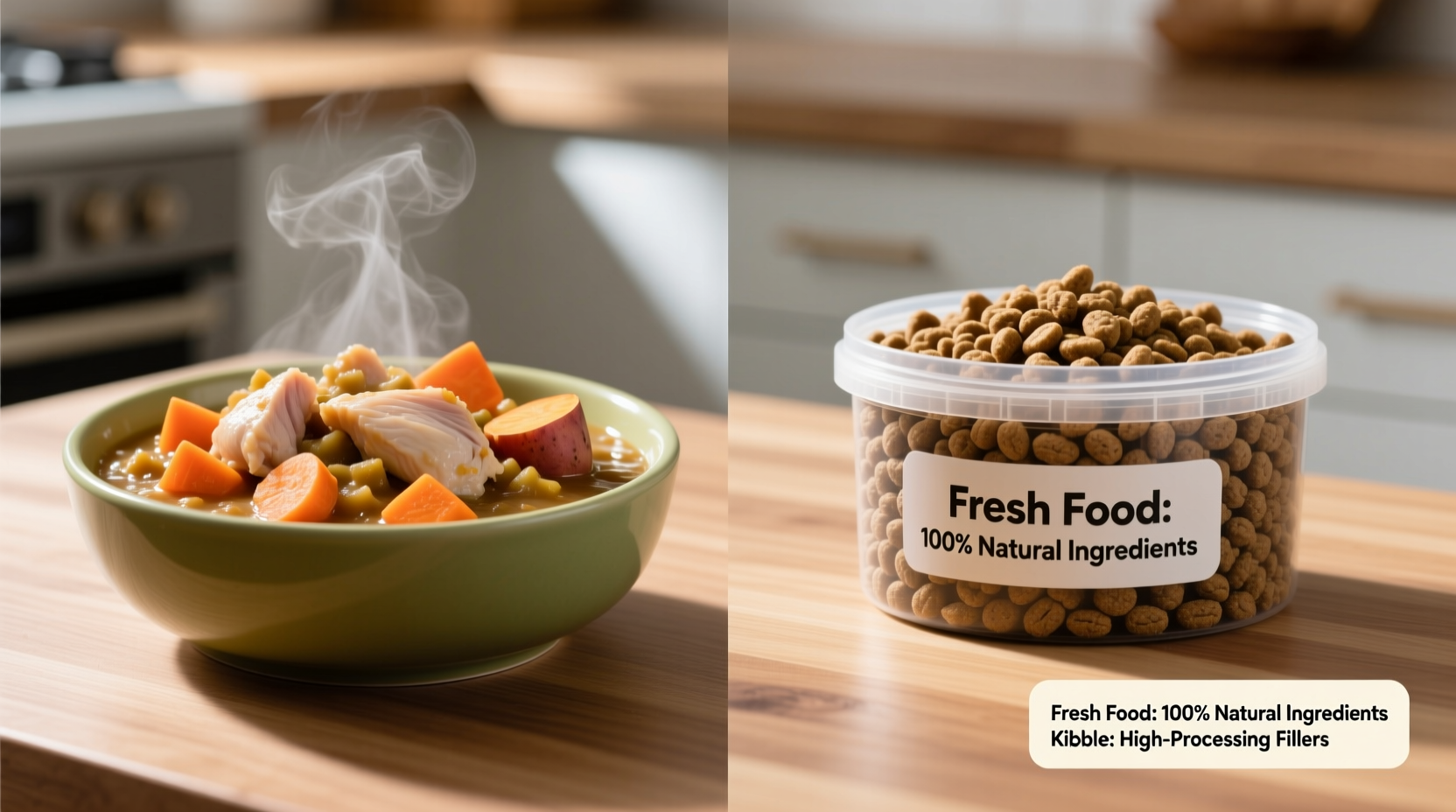
The fundamental distinction between fresh dog food and kibble lies in processing, ingredients, and shelf life.
Kibble is typically made through extrusion — a high-heat process that shapes ground meat, grains, and fillers into bite-sized pellets. This method extends shelf life but can degrade nutrients and alter protein structure. Most kibble contains preservatives like mixed tocopherols or, in lower-quality brands, BHA/BHT.
Fresh dog food, by contrast, uses human-grade ingredients, minimal processing, and refrigeration. Meals are often cooked gently (steamed or baked), then vacuum-sealed and shipped frozen or chilled. Because there’s no need for artificial preservatives, ingredient lists tend to be shorter and more transparent.
But does this translate to visible improvements in your dog’s health?
Tip: When comparing foods, check if animal proteins appear first on the ingredient list — this indicates higher meat content.Visible Health Benefits: What Owners Report
Anecdotal evidence from pet owners using fresh food delivery services frequently highlights several noticeable changes within weeks of switching:
- Improved coat condition: Dull, flaky fur becomes softer and shinier.
- Better breath and cleaner teeth: Some owners report reduced plaque buildup.
- Smaller, firmer stools: A sign of improved nutrient absorption.
- Increased energy levels: Especially in senior dogs who seem more playful.
- Reduced itching and skin irritation: Often linked to food sensitivities.
These observations align with clinical understanding of nutrition. High-quality proteins and essential fatty acids — abundant in fresh diets — support skin and coat health. Fewer fillers mean less undigested material passing through the gut, resulting in smaller waste volume.
“Many of my patients on fresh diets show measurable improvements in body condition and gastrointestinal health within 6–8 weeks.” — Dr. Lena Torres, DVM, Veterinary Nutritionist
Comparative Analysis: Fresh Food vs Kibble
| Factor | Fresh Dog Food Delivery | Traditional Kibble |
|---|---|---|
| Protein Source | Named meats (e.g., chicken breast, beef liver) | Meat meals, by-products, or generic “animal meal” |
| Processing Heat | Low to moderate (steaming/baking) | High (extrusion at 300°F+) |
| Preservatives | Natural (vitamin E, rosemary extract) or none | Synthetic (BHA, BHT) or natural blends |
| Digestibility | Typically 85–92% | 70–80% (varies by brand) |
| Stool Volume | Up to 50% reduction reported | Larger, looser stools common |
| Allergen Risk | Lower due to limited ingredients and no fillers | Higher with corn, soy, wheat, and dyes |
The table underscores why some health benefits are not only possible but likely when switching from low-to-mid-tier kibble to a balanced fresh diet. However, premium kibbles exist — those with high meat content, probiotics, and no artificial additives — which narrow the gap significantly.
A Real-World Example: Max, a 7-Year-Old Labrador
Max had been eating a popular grain-free kibble since puppyhood. By age six, he developed chronic ear infections, seasonal itching, and low energy. His veterinarian ruled out environmental allergies but suggested a dietary trial.
His owner switched to a fresh food delivery service featuring turkey, sweet potato, kale, and quinoa. Within three weeks:
- Ear discharge decreased significantly.
- Scratching reduced by over 70%, confirmed via activity tracker.
- Stool volume dropped noticeably; neighbors commented on easier cleanup during walks.
- Max began waking up earlier and showing interest in fetch again.
After three months, his blood work showed improved liver enzymes and lower inflammatory markers. While not all changes could be solely attributed to diet, the timing and consistency pointed to fresh food as a key factor.
This case isn’t unique. Thousands of similar stories populate forums like Reddit’s r/dogfood and Facebook groups dedicated to canine nutrition. The pattern suggests that for dogs with subclinical sensitivities or digestive inefficiencies, fresh food can produce meaningful, visible shifts.
What Science Says About Nutrient Absorption
One of the most compelling arguments for fresh food lies in bioavailability — how much nutrition your dog actually absorbs.
A 2020 study published in *Animals* compared the digestibility of fresh-cooked diets versus extruded kibble in adult dogs. Results showed that fresh diets had an average digestibility rate of 91.3%, compared to 76.8% for kibble. That difference means nearly 15% more usable protein and fat from the same caloric intake.
Higher digestibility translates directly into observable outcomes:
- Less strain on the pancreas and intestines.
- Fewer undigested particles feeding harmful gut bacteria.
- More consistent energy release throughout the day.
Moreover, fresh foods retain more moisture — typically 70–75%, compared to 10% in kibble. This helps maintain hydration, especially in dogs that don’t drink enough water. Chronic mild dehydration is linked to urinary crystals and kidney stress over time.
Tip: If your dog drinks little water, consider moist food options to support urinary tract health.Step-by-Step Guide to Transitioning Safely
Switching diets too quickly can cause vomiting or diarrhea. Follow this timeline to minimize digestive upset:
- Days 1–2: Mix 25% fresh food with 75% current kibble.
- Days 3–4: Increase to 50% fresh, 50% kibble.
- Days 5–6: Use 75% fresh, 25% kibble.
- Day 7 onward: Feed 100% fresh food.
- Week 2–4: Monitor stool quality, energy, and appetite daily.
- Month 2: Assess coat shine, breath odor, and any reduction in itching.
- Month 3: Schedule a wellness check with bloodwork if possible.
If loose stools occur, slow the transition. For dogs with sensitive stomachs, extend each phase by 2–3 days.
Cost, Convenience, and Practical Trade-offs
Fresh food isn’t without drawbacks. Consider these factors before making the switch:
- Price: Delivery services cost $5–$12 per day for an average dog, versus $1–$3 for mid-range kibble.
- Storage: Requires freezer space and refrigerator access. Meals thaw within 24 hours of delivery.
- Lifestyle fit: Not ideal for frequent travelers unless you pause deliveries or have backup plans.
- Variety control: Rotating proteins may complicate allergy management in sensitive dogs.
Some owners opt for a hybrid approach — mixing half fresh food with high-quality kibble. This balances cost and nutrition while still improving digestibility and ingredient quality.
“We’re seeing a shift toward ‘real food’ models in veterinary medicine. Even incremental improvements in diet can delay chronic disease onset.” — Dr. Rajiv Mehta, Board-Certified Veterinary Internal Medicine Specialist
FAQ: Common Questions Answered
Can fresh food help with weight management?
Yes. Due to higher digestibility and satiety from quality protein, many dogs feel fuller on fewer calories. Owners often report gradual lean mass gain and fat loss without portion restriction.
Are fresh diets safe for puppies or senior dogs?
Reputable services formulate recipes for life stages. Always verify AAFCO compliance for growth or maintenance. Puppies benefit from highly available nutrients, while seniors may experience improved joint mobility and cognitive function.
Do I need to add supplements if I feed fresh food?
Not usually. Reputable delivery companies balance calcium, phosphorus, vitamins, and trace minerals. However, consult your vet if combining homemade and commercial foods.
Checklist: Is Fresh Food Right for Your Dog?
Use this checklist to evaluate suitability:
- ✅ Has your dog experienced recurring ear infections or skin issues?
- ✅ Does your dog produce large or foul-smelling stools?
- ✅ Are you willing to invest more time and money for potential health gains?
- ✅ Do you have freezer and fridge space for weekly shipments?
- ✅ Has your vet approved a dietary change based on your dog’s medical history?
- ✅ Are you able to monitor for adverse reactions during transition?
If you answered yes to most, a trial of fresh food may be worthwhile.
Conclusion: Seeing Is Believing — But Context Matters
The health benefits of fresh dog food delivery aren't mythical. They are visible — in gleaming coats, compact stools, and renewed vitality. For many dogs, especially those with subtle digestive inefficiencies or food sensitivities, the upgrade from standard kibble delivers measurable improvements.
Yet visibility doesn’t always equal necessity. Healthy dogs thriving on premium kibble may not benefit dramatically from a switch. The decision should be guided by individual needs, lifestyle, and budget — not trends.
Start with a 4–6 week trial. Track changes objectively: take weekly photos, note stool size, log energy levels. Compare vet lab results over time. Let evidence, not emotion, guide your choice.
🚀 Ready to explore fresh food? Choose a reputable brand with veterinary input, transition slowly, and observe closely. Share your journey with other pet parents — your experience could help someone else make a confident decision.








