Choosing the right dog collar isn't just about matching your pet’s personality or your own aesthetic preferences. The material plays a critical role in your dog’s comfort, safety, and long-term well-being. While floral collars offer charm and seasonal flair, leather collars have long been praised for their durability and strength. But when it comes down to it—does the material really make a difference? The answer is yes, and understanding why can help you make a smarter, more responsible choice for your furry companion.
Durability and Longevity: How Materials Hold Up Over Time
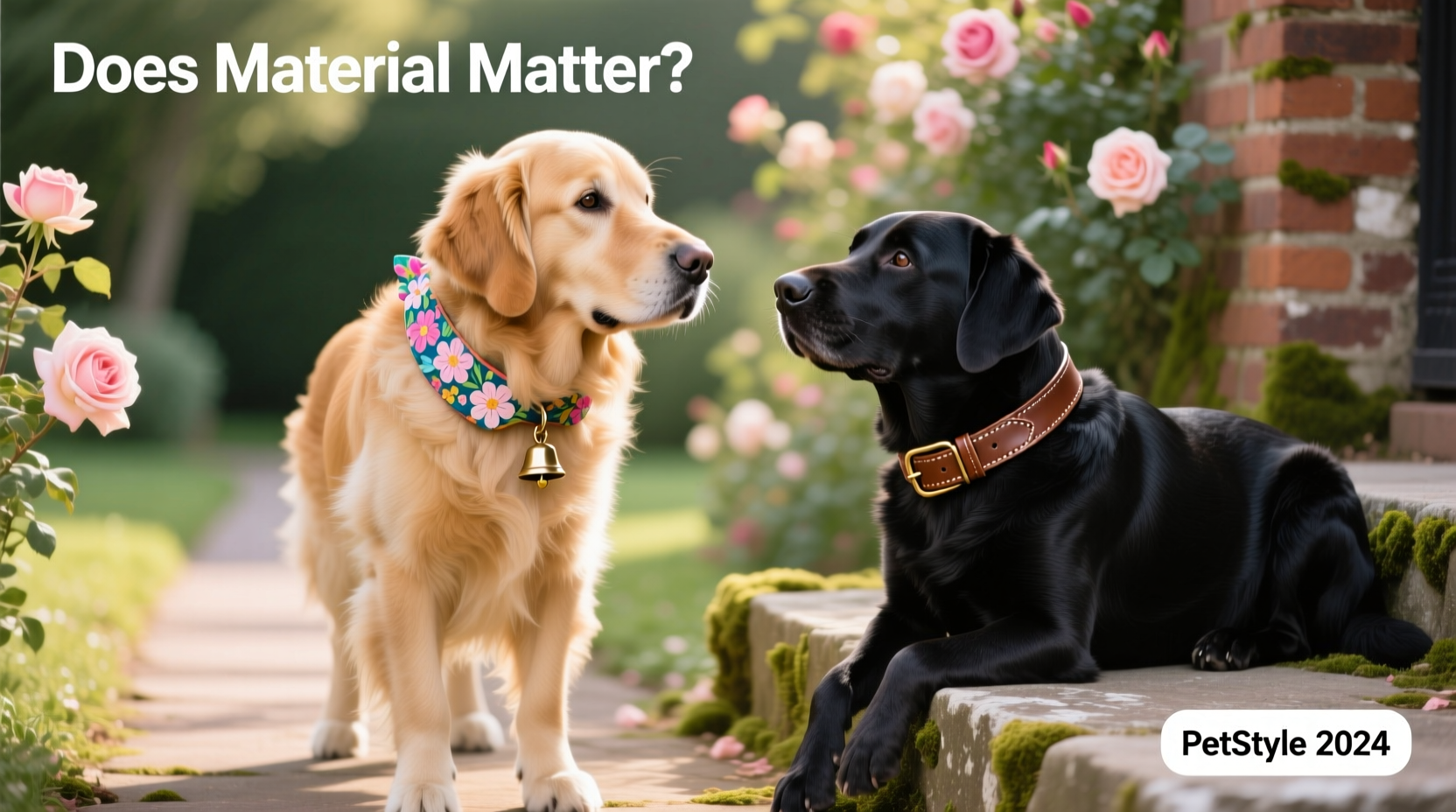
Leather has earned its reputation as one of the most durable materials for dog collars. High-quality full-grain leather resists fraying, stretching, and breaking, even with daily use. When properly maintained, a leather collar can last for years, aging gracefully with a natural patina that many owners appreciate.
In contrast, floral collars are typically made from nylon or polyester webbing with printed or woven fabric overlays. While these materials are lightweight and comfortable, they are more prone to fading, fraying, and weakening over time—especially when exposed to moisture, sunlight, or rough play. A floral collar may look vibrant on day one but could begin to deteriorate within months if used frequently outdoors.
Tip: Rotate between collars to extend the life of each one, especially if using delicate fabrics like those found in floral designs.Comfort and Fit: Prioritizing Your Dog’s Skin and Movement
Comfort is not just about softness—it's about breathability, weight, and how the collar interacts with your dog’s skin. Leather conforms to the shape of your dog’s neck over time, reducing pressure points and minimizing chafing. It also allows airflow, which helps prevent irritation in warmer climates.
Floral-patterned collars often use synthetic fabrics that may trap heat and moisture against the skin. Dogs with sensitive skin or allergies may react poorly to dyes or chemical coatings used in decorative prints. Additionally, some budget floral collars feature stiff backing or rough stitching that can rub during activity.
That said, modern fabric collars have improved significantly. Many now include padded linings, quick-dry materials, and hypoallergenic coatings. For short walks or fashion-focused outings, a high-quality floral collar can be perfectly comfortable—just ensure it fits snugly without pinching.
Safety Considerations by Material Type
Safety should always outweigh style. Leather collars provide excellent tensile strength, making them ideal for larger or strong-pulling breeds. They’re less likely to snap under sudden tension, such as when a dog lunges at a squirrel or gets caught on a fence.
Floral collars, while stylish, are generally not recommended for dogs who pull heavily or require secure control. Most are designed more for light use and visual appeal than structural integrity. If your dog is an escape artist or tends to wriggle free, avoid collars with flimsy buckles or thin straps commonly found in decorative lines.
“While aesthetics matter to owners, what matters more to the dog is a collar that stays intact and doesn’t cause discomfort. For active dogs, function must come first.” — Dr. Lena Patel, Veterinary Behaviorist
Material Comparison Table: Floral vs Leather at a Glance
| Feature | Floral Collar (Fabric) | Leather Collar |
|---|---|---|
| Durability | Moderate – prone to fading and fraying | High – resistant to wear and tear |
| Water Resistance | Low – absorbs moisture unless treated | Moderate – repels water but needs conditioning |
| Comfort | Good – lightweight and soft | Excellent – molds to neck, breathable |
| Maintenance | Easy – wipe clean or hand wash | Regular – requires oiling and drying |
| Best For | Fashion, photo sessions, light walking | Daily use, training, strong breeds |
Real-Life Scenario: Choosing the Right Collar for Bella the Beagle
Bella, a three-year-old beagle, loves exploring trails and chasing scents. Her owner initially chose a bright floral collar because it matched her spring wardrobe and looked adorable in photos. However, after just six weeks of regular hikes, the collar began to fray at the buckle, and the print started peeling after exposure to dew and mud.
Concerned about safety, Bella’s owner switched to a vegetable-tanned leather collar with a reinforced clasp. Though less colorful, it held up through rain, thorns, and constant tugging. After several months, the leather softened and fit Bella’s neck like a glove. The owner now uses the floral collar only for indoor events and pictures—reserving the leather one for real-world adventures.
How to Choose Based on Lifestyle and Breed
The best collar depends on your dog’s daily routine, size, and temperament. Here’s a practical checklist to guide your decision:
- Does your dog pull on the leash? → Opt for leather or biothane for better control.
- Do you live in a rainy or humid climate? → Avoid untreated fabric; consider water-resistant leather or synthetic alternatives.
- Is your dog small or toy-sized? → Lightweight floral collars may be suitable, provided they have secure hardware.
- Do you prioritize fashion? → Use floral collars as accessories, not primary walking gear.
- Does your dog have sensitive skin? → Test both materials; some dogs react to leather dyes or fabric coatings.
Frequently Asked Questions
Can I use a floral collar every day?
It depends on the construction. Most floral collars are made for occasional or light use. If you plan to use it daily, look for models with reinforced stitching, heavy-duty buckles, and waterproof backing. Otherwise, reserve it for special occasions.
Are leather collars safe for puppies?
Yes, but only if properly fitted. Puppies grow quickly, so a leather collar may need frequent resizing. Ensure there’s room for two fingers beneath the collar and inspect regularly for signs of tightness or rubbing.
How do I care for a leather collar?
Wipe it down monthly with a damp cloth, condition every 2–3 months with leather oil, and never leave it soaking wet. Air dry away from direct heat. Avoid submerging in water.
Final Recommendation: Match Material to Function
The material of your dog’s collar absolutely matters—not because one is universally better, but because each serves different purposes. Leather excels in durability, safety, and long-term performance, making it ideal for everyday use, training, and active dogs. Floral collars shine in personal expression and seasonal charm but should be viewed more as accessories than functional gear.
The smart approach? Own both. Use a sturdy leather collar for walks, hikes, and training sessions where reliability is key. Keep a floral collar handy for birthdays, holidays, or social outings where style takes center stage. This way, you balance safety with self-expression—without compromising your dog’s comfort or security.
💬 What’s your go-to collar material and why? Share your experience in the comments and help other pet parents make informed choices!








