
A flat spot on the back of the head, medically referred to as positional plagiocephaly when asymmetrical or brachycephaly when uniformly flattened, is more common than many realize—especially in infants. While often benign, it can raise concerns for parents and, in some cases, affect self-esteem or comfort in older children and adults. Understanding the root causes, effective treatments, and practical prevention strategies empowers caregivers and individuals to take proactive steps.
Understanding the Causes of a Flat Back of Head
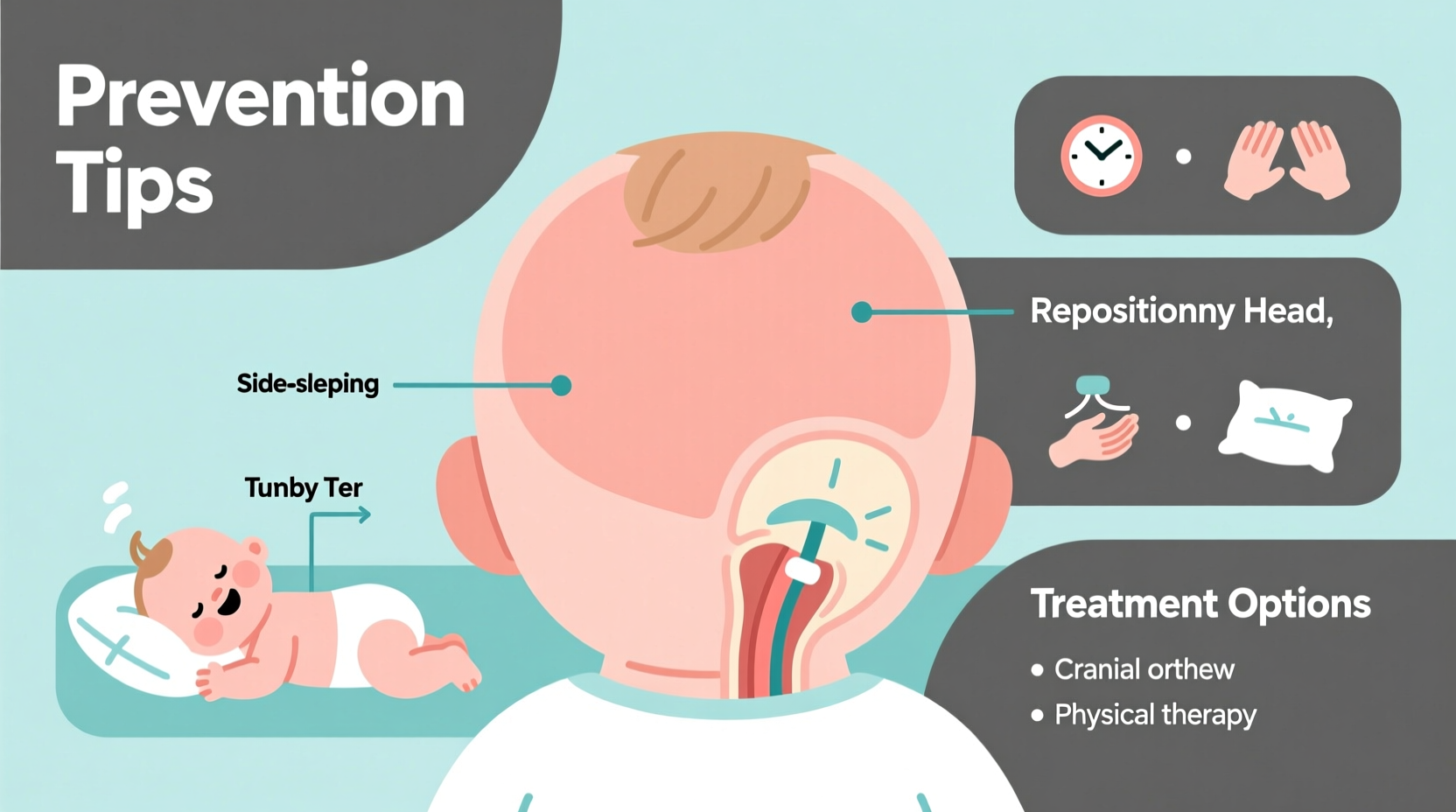
The development of a flat area on the back of the skull typically stems from prolonged pressure on one part of the head. In infants, this occurs during the early months when the skull bones are soft and malleable. However, adults may also develop flatness due to habitual sleeping positions, medical conditions, or trauma.
In babies, primary contributing factors include:
- Limited mobility: Newborns spend much of their time lying on their backs, especially during sleep, which increases pressure on the occipital region.
- Premature birth: Preterm infants often have softer skulls and may spend extended periods in neonatal intensive care units (NICUs) in fixed positions.
- Torticollis: A condition where neck muscles are tight or shortened, causing the baby to favor one side, leading to uneven head shaping.
- Multiple births: Twins or triplets may have restricted space in the womb, increasing the chance of cranial molding before birth.
In adults, a flat back of the head may result from long-term habits such as consistently sleeping in the same position, poor posture while sitting or working, or neurological conditions affecting muscle tone and movement.
Tip: Rotate your baby’s head gently each time they lie down to prevent consistent pressure on one spot.Treatment Options for Infants and Children
Early intervention is key to correcting a flat head. Most cases improve significantly with non-invasive methods, especially when addressed before six months of age.
Repositioning Techniques
Changing the baby’s head position during sleep and waking hours encourages natural reshaping. Pediatricians recommend alternating the direction the baby faces in the crib daily so that they turn their head toward different sides to follow light or movement.
Tummy Time
Supervised tummy time strengthens neck and shoulder muscles and reduces pressure on the back of the head. The American Academy of Pediatrics recommends at least 30 minutes total per day, broken into shorter sessions.
Physical Therapy
If torticollis is present, physical therapy can be highly effective. A pediatric physical therapist guides parents through gentle stretching exercises to loosen tight neck muscles and improve range of motion.
Helmets and Cranial Orthoses
In moderate to severe cases, doctors may prescribe a custom-fitted helmet between 4 and 12 months of age. These devices apply gentle pressure to promote symmetrical skull growth. Treatment typically lasts 3–6 months.
“Cranial remolding helmets are most effective when initiated early, ideally between 5 and 7 months, when skull growth is most rapid.” — Dr. Laura Mitchell, Pediatric Neurologist
Prevention Strategies for Parents and Caregivers
Preventing flat head syndrome begins at birth. Simple changes in daily routines can make a significant difference.
Alternating Head Position
During sleep, alternate the side of the head facing the mattress. Place toys or mobiles on different sides of the crib to encourage turning in both directions.
Limiting Time in Car Seats and Bouncers
While convenient, prolonged use of car seats, swings, and bouncers outside of travel puts constant pressure on the same part of the skull. Limit use to necessary situations.
Holding Baby Upright
Carrying your baby in arms, slings, or carriers reduces time spent lying down and supports motor development.
Varying Feeding Positions
Switch arms when bottle-feeding or nursing to encourage the baby to turn their head in both directions.
| Do’s | Don’ts |
|---|---|
| Practice daily tummy time | Leave baby in reclined seats for hours |
| Alternate head position during sleep | Ignore persistent head tilting |
| Engage in interactive floor play | Rely solely on containers for baby’s positioning |
| Seek evaluation if flattening worsens | Delay treatment if torticollis is suspected |
Adults and Long-Term Management
While less common, adults may notice a flatter back of the head due to years of specific habits. This is generally not harmful but can be cosmetically concerning or linked to postural strain.
Contributing factors in adults include:
- Chronic supine sleeping (on the back)
- Prolonged desk work with head tilted backward
- Nerve or muscle disorders affecting head control
- Previous untreated infantile plagiocephaly
For adults seeking improvement, options are limited since skull bones are fully fused. However, lifestyle adjustments can help manage appearance and discomfort:
- Change sleep posture: Use contoured pillows or shift to side sleeping to reduce pressure.
- Improve ergonomics: Adjust computer screens to eye level and maintain neutral neck alignment.
- Neck and upper back exercises: Strengthen supporting muscles to improve posture and reduce strain.
- Consult specialists: In rare cases, plastic surgeons may discuss reconstructive options, though these are typically reserved for functional or severe aesthetic concerns.
Real-Life Example: Overcoming Plagiocephaly at Six Months
Sophia, a first-time mother, noticed her four-month-old son Liam had a flattened right occipital area and preferred looking to the left. Her pediatrician diagnosed mild right torticollis and positional plagiocephaly. She began daily tummy time, alternating his crib orientation, and performing prescribed neck stretches.
At five months, a physical therapist confirmed improved neck mobility. By seven months, the flat spot was visibly improving. No helmet was needed. Sophia credits consistency and early action: “I didn’t realize how much small changes could make a big difference.”
Frequently Asked Questions
Can a flat head correct itself without treatment?
Yes, especially in mild cases. As babies gain strength and spend more time upright or on their stomachs, natural reshaping often occurs. Most flattening improves significantly by 12 to 18 months of age.
Is a flat head dangerous for brain development?
No. Positional plagiocephaly does not affect brain growth or cognitive function. It is primarily a cosmetic concern. However, any suspicion of craniosynostosis—a condition where skull sutures close prematurely—requires immediate medical evaluation, as it can impact brain development.
When should I see a specialist?
Consult a pediatrician or pediatric neurologist if the flat spot worsens after five months, if the baby has difficulty turning their head, or if facial asymmetry becomes noticeable. Early referral ensures timely intervention.
Action Plan Checklist
Use this checklist to monitor and address flat head concerns:
- ✅ Start tummy time within the first month (3–5 short sessions daily)
- ✅ Alternate baby’s head position during sleep each night
- ✅ Limit time in car seats, swings, and strollers when not traveling
- ✅ Observe for signs of torticollis (head tilt, limited neck motion)
- ✅ Schedule regular well-baby checkups to track head shape
- ✅ Consult a physical therapist if neck tightness is suspected
- ✅ Discuss helmet therapy with a specialist if flattening persists beyond 5–6 months
Conclusion: Take Proactive Steps Today
A flat back of the head is a manageable condition when addressed early. For infants, simple repositioning and increased tummy time can lead to dramatic improvements. Adults can benefit from ergonomic adjustments and posture awareness. Awareness, consistency, and timely professional guidance are the cornerstones of effective prevention and treatment.
💬 Have experience with managing a flat head in your child or yourself? Share your story or tips in the comments to help others navigate this common challenge.








