Aquariums are meant to be serene, visually pleasing spaces that bring a slice of underwater life into homes and offices. But nothing disrupts that peace faster than a sudden green or murky explosion of algae. Algae blooms can turn crystal clear water into a soupy mess within days, making fish hard to see and raising concerns about water quality. While some algae are normal and even beneficial, uncontrolled growth signals imbalance. The good news: with the right understanding and immediate action, you can reverse an algae bloom and restore pristine clarity—often within a week.
Understanding Algae Blooms: What’s Really Happening?
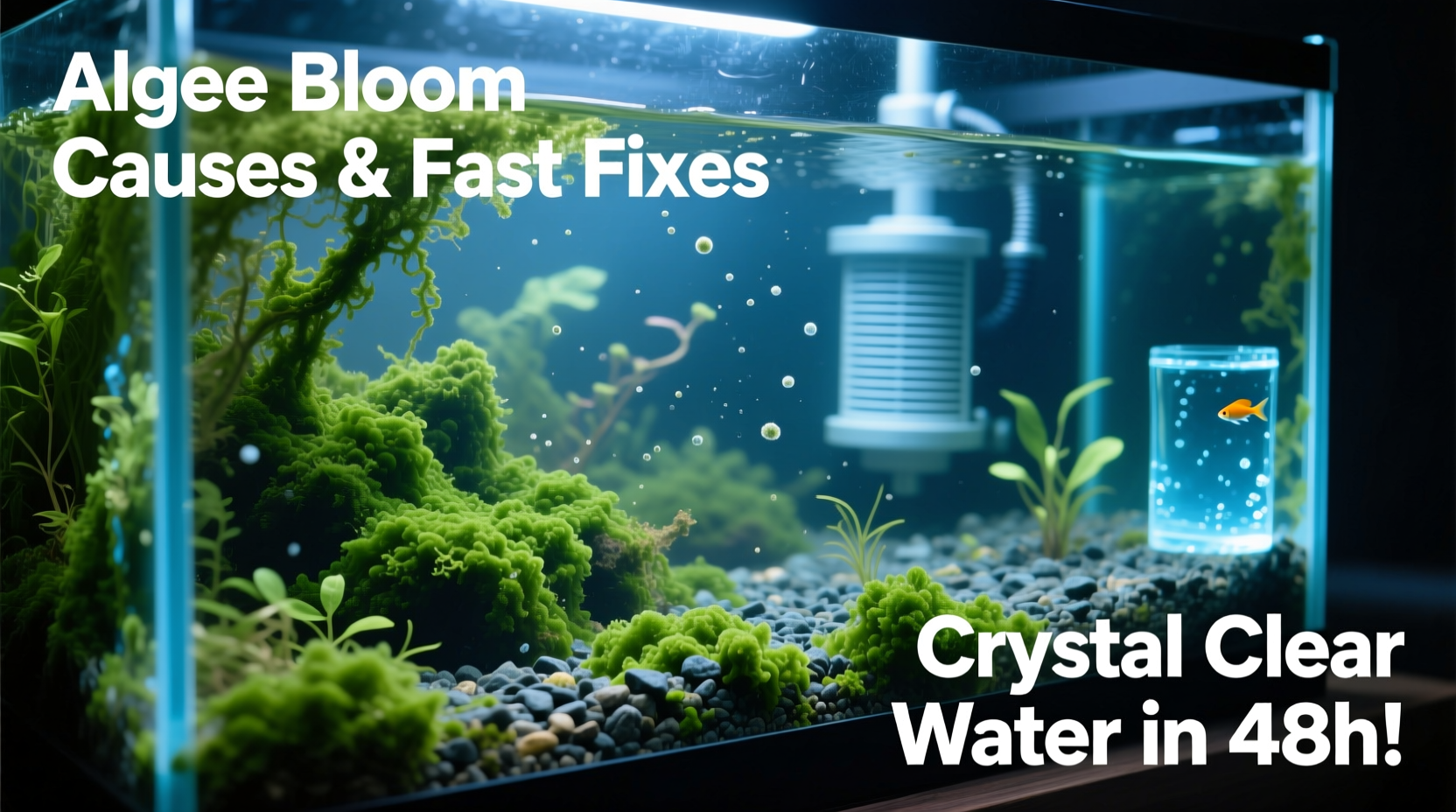
An algae bloom is not just a cosmetic issue—it's a symptom of underlying imbalances in your aquarium ecosystem. Algae are simple photosynthetic organisms that thrive under specific conditions: light, nutrients (especially nitrates and phosphates), and carbon dioxide. When any of these elements become excessive, algae multiply rapidly, often outcompeting other aquatic life.
The most common types of problematic algae include:
- Green Water Algae: A free-floating planktonic bloom that turns water pea-soup green.
- Green Spot Algae: Appears as hard-to-remove spots on glass and slow-growing plants.
- Green Hair Algae: Long, stringy strands that wrap around decorations and plants.
- Blue-Green Algae (Cyanobacteria): Actually bacteria, not true algae; forms slimy mats and emits a foul odor.
Each type responds differently to treatment, but they all share common root causes. Addressing those causes is key to long-term clarity.
Tip: If your tank water turns green overnight, it's likely a planktonic green algae bloom—common in new tanks during the cycling phase.Main Causes of Algae Blooms in Fish Tanks
Algae don’t appear randomly. They’re opportunistic and exploit weaknesses in aquarium management. Here are the five primary triggers:
- Excessive Light Exposure: Leaving aquarium lights on for more than 8–10 hours daily, or placing the tank in direct sunlight, fuels rapid algae growth.
- Nutrient Overload: High levels of nitrates and phosphates from overfeeding, decaying plant matter, or inadequate filtration provide algae with fertilizer.
- Poor Water Flow: Stagnant areas allow algae spores to settle and grow unchecked, especially in corners or behind equipment.
- Infrequent Maintenance: Skipping water changes or filter cleanings lets organic waste accumulate, feeding algae directly.
- New Tank Syndrome: In newly set-up aquariums, bacterial colonies haven't stabilized, leading to nutrient spikes and temporary algae outbreaks.
These factors rarely act alone. For example, a new tank with extended lighting and overfed fish creates a perfect storm for explosive algae growth.
“Algae is nature’s way of cleaning up excess nutrients. When it dominates, it means the system is out of balance.” — Dr. Alan Perez, Aquatic Ecosystem Biologist
Fast Fixes to Clear Your Water Within Days
When faced with a full-blown bloom, quick intervention is essential. These steps can clear green water in 3–7 days and significantly reduce visible algae on surfaces.
Step-by-Step Immediate Response Plan
- Reduce Light Duration: Cut lighting to 6 hours per day for at least one week. Use a timer to maintain consistency.
- Perform a 50% Water Change: Remove half the tank water and replace it with dechlorinated, temperature-matched water. This dilutes excess nutrients instantly.
- Clean Substrate and Surfaces: Vacuum the gravel or sand thoroughly to remove detritus. Scrape glass with an algae magnet or pad.
- Check and Clean Filter Media: Rinse mechanical media (sponges, floss) in old tank water—never tap water—to preserve beneficial bacteria.
- Remove Excess Organic Matter: Take out dead leaves, uneaten food, and rotting decor.
- Add a Temporary Algae Competitor: Introduce fast-growing live plants like hornwort or duckweed to absorb nitrates and shade the substrate.
For green water blooms specifically, consider using a UV sterilizer. These devices pass water through a UV-C light chamber, killing free-floating algae cells. Many users report visibly clearer water within 48 hours of continuous use.
| Problem | Immediate Fix | Long-Term Prevention |
|---|---|---|
| Green water (planktonic algae) | UV sterilizer + 50% water change | Limit light, add plants, avoid overstocking |
| Green hair algae | Manual removal + reduce feeding | Introduce algae eaters (e.g., Siamese algae eater) |
| Blue-green algae (cyanobacteria) | Scrape off + treat with erythromycin (if severe) | Improve circulation, reduce organics |
| Green spot algae | Scrub glass with razor blade | Reduce phosphate levels, increase water changes |
Prevention Strategies for Long-Term Clarity
Clear water isn’t about constant crisis management—it’s about consistent maintenance. Once the bloom is under control, shift focus to prevention.
Optimize Lighting Schedule
Most freshwater tanks only need 6–8 hours of light daily. Use a programmable timer to eliminate guesswork. Avoid placing the tank near windows where sunlight can trigger algae growth.
Feed Responsibly
Overfeeding is one of the top contributors to nutrient buildup. Feed fish only what they can consume in 2 minutes, once or twice a day. Remove any uneaten food after 15 minutes.
Use Live Plants Strategically
Healthy live plants compete with algae for nutrients and light. Fast-growing species like java moss, water wisteria, and floating plants (e.g., frogbit) are excellent natural algae suppressors.
Maintain a Consistent Water Change Routine
Weekly 20–30% water changes prevent nitrate accumulation. Always test water parameters monthly using a liquid test kit to catch issues early.
Tip: Test your tap water for phosphates before doing water changes—some municipal supplies contain high levels that feed algae.Introduce Natural Algae Controllers
Adding algae-eating species can help maintain balance. Effective options include:
- Otocinclus catfish: Gentle grazers ideal for small tanks.
- Amano shrimp: Excellent for consuming various algae types.
- Nerite snails: Leave plants alone but scour glass and rocks constantly.
- Sailfin pleco: Best for larger tanks due to size.
Never rely solely on cleaners—ensure environmental conditions discourage algae in the first place.
Real-World Example: Recovering a 30-Gallon Community Tank
Mark, an intermediate aquarist, noticed his 30-gallon community tank turning cloudy green two weeks after setup. His neon tetras and guppies were active, but visibility dropped drastically. He was using a standard LED light for 12 hours a day and feeding flakes twice daily.
After researching, he took the following actions:
- Limited lighting to 6 hours using a plug-in timer.
- Performed a 50% water change with pre-conditioned water.
- Vacuumed the substrate and cleaned the filter sponge in tank water.
- Added a bunch of hornwort and three nerite snails.
- Reduced feeding to once daily, removing leftovers promptly.
Within five days, the water began clearing. By day seven, it was crystal clear. Mark continued weekly 25% water changes and has maintained clarity for over three months. His experience highlights how combining fast fixes with sustainable habits leads to lasting results.
Essential Checklist for Algae Bloom Recovery
Use this checklist when dealing with an active algae outbreak:
- ☐ Reduce light duration to 6 hours per day
- ☐ Perform a 50% water change immediately
- ☐ Vacuum substrate to remove debris
- ☐ Clean filter media (rinse in tank water only)
- ☐ Remove any decaying plant matter or uneaten food
- ☐ Test water for nitrates and phosphates
- ☐ Add fast-growing live plants to absorb excess nutrients
- ☐ Consider a UV sterilizer for green water blooms
- ☐ Introduce algae-eating species once tank stabilizes
- ☐ Resume 25–30% weekly water changes for maintenance
Frequently Asked Questions
Can I use bleach to clean algae off decorations?
No. Bleach residues are toxic to fish and beneficial bacteria. Instead, soak non-living decor in a 1:20 bleach-to-water solution, then rinse thoroughly and air-dry for 24 hours before returning to the tank. Never use bleach on filters, substrates, or biological materials.
Will blacking out the tank kill algae?
Yes, but cautiously. The blackout method involves covering the tank completely (no light) for 3–4 days. While effective against certain algae types like green hair and thread algae, it stresses fish and plants. Only use this method if other approaches fail, and ensure adequate oxygenation (run air stones).
How often should I test my aquarium water?
Test weekly during initial tank cycling and monthly once stable. More frequent testing (every 2–3 days) is advised during or after an algae bloom to monitor nitrate and phosphate trends.
Conclusion: Achieve and Maintain Crystal Clear Water
Algae blooms are a common challenge, but they don’t have to be a recurring nightmare. Understanding the root causes—excess light, nutrients, poor maintenance—and acting swiftly with targeted fixes can restore clarity fast. More importantly, building consistent habits like proper feeding, routine water changes, and smart lighting ensures your aquarium stays balanced and beautiful.
Crystal clear water isn’t just about looks—it reflects a healthy, thriving ecosystem where fish, plants, and beneficial microbes coexist in harmony. Don’t wait for the next bloom to take action. Implement these strategies now and enjoy a cleaner, calmer aquarium every single day.
💬 Have you overcome a stubborn algae bloom? Share your story or tips in the comments—your experience could help another aquarist regain their clear water!








