Texas offers a thriving ecosystem for aquatic enthusiasts, whether you're drawn to the serene beauty of a freshwater tank or the vibrant colors of a saltwater reef. From world-class public aquariums that inspire awe to specialized local fish stores that support hands-on hobbyists, the Lone Star State provides ample opportunities to explore, learn, and grow in the aquatic hobby. Choosing the right aquarium—whether as a visitor, buyer, or aspiring aquarist—depends on your interests, experience level, and long-term goals. This guide explores top destinations, practical considerations, and expert-backed strategies to help you find the best fit.
Top Public Aquariums for Inspiration and Education
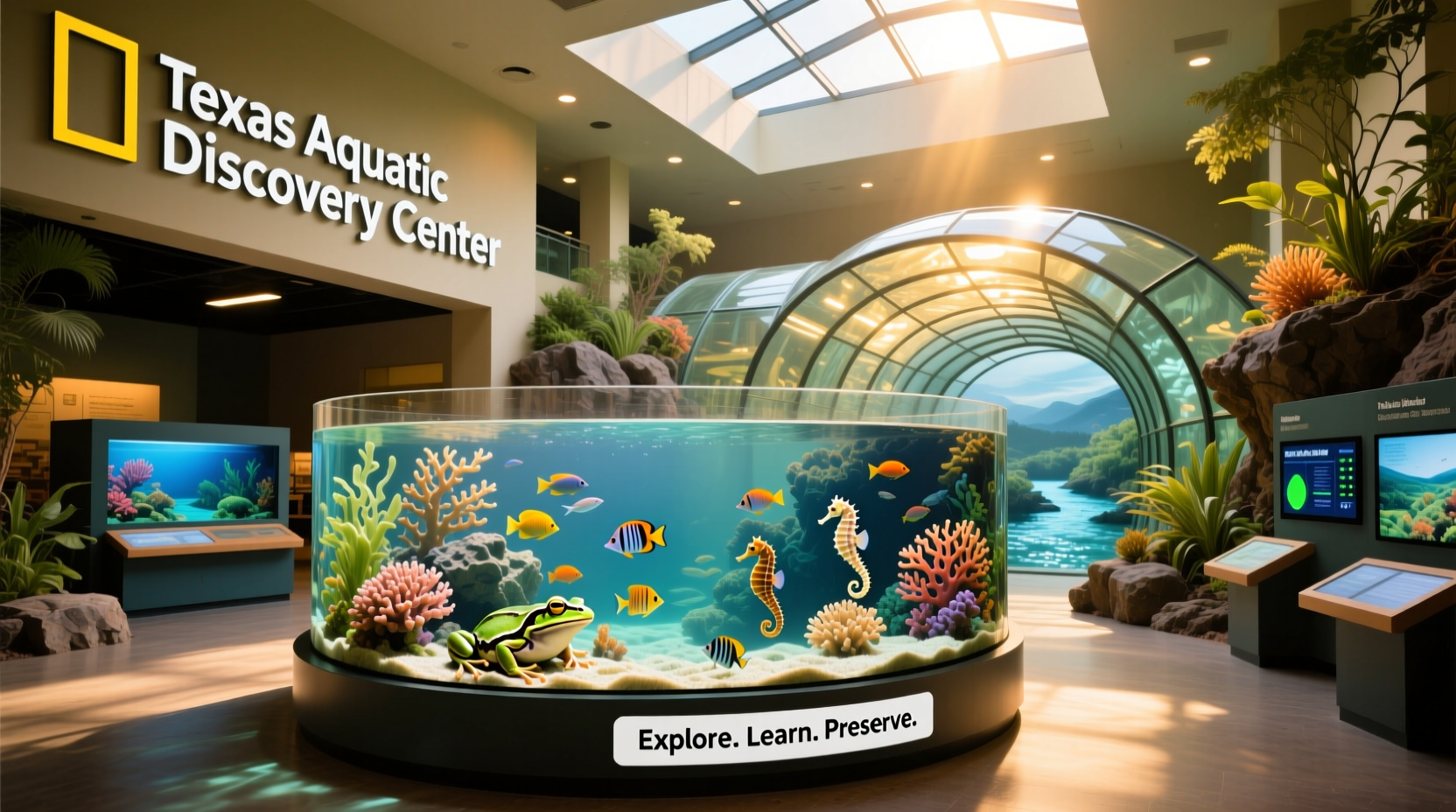
Public aquariums serve as both entertainment hubs and educational resources. They offer immersive experiences that can spark passion or refine existing knowledge. In Texas, several standout facilities provide exceptional exhibits and programs tailored to all ages and interest levels.
- Shedd Aquarium at Moody Gardens (Galveston): Though not native to Texas, this satellite of Chicago’s famed Shedd Aquarium delivers high-caliber marine life displays. Its Caribbean-themed pyramid features sharks, sea turtles, and a 300,000-gallon central tank viewable via underwater tunnel.
- Aquarium at The Dallas World Aquarium: A hybrid facility combining exotic fish with birds, reptiles, and mammals. Its flooded Amazon rainforest exhibit is particularly impressive, showcasing arapaima, electric eels, and schooling piranhas in dynamic environments.
- Sea Center Texas (Lake Jackson): Operated by Texas Parks & Wildlife, this free-admission center focuses on Gulf Coast species. It excels in conservation education and includes touch tanks, spawning exhibits, and hatchery operations.
“Visiting large-scale aquariums helps hobbyists understand natural behaviors, water parameters, and habitat complexity—knowledge directly transferable to home systems.” — Dr. Luis Mendez, Marine Biologist and Aquatic Systems ConsultantTip: Attend behind-the-scenes tours or keeper talks at public aquariums to gain insight into filtration, feeding schedules, and disease prevention protocols.
Choosing the Right Local Fish Store (LFS)
While public aquariums inspire, local fish stores are where most hobbyists build their setups. A reliable LFS provides healthy livestock, technical advice, and ongoing support. When evaluating stores across Texas cities like Austin, Houston, San Antonio, and Fort Worth, consider these factors:
| Critera | What to Look For | Red Flags |
|---|---|---|
| Water Quality | Clear tanks, functioning filters, no algae overgrowth | Cloudy water, dead specimens, excessive foam |
| Staff Knowledge | Can explain nitrogen cycle, compatibility, diet needs | Generic answers, inability to name species |
| Fish Health | Active swimming, intact fins, clear eyes | Lethargy, white spots, clamped fins |
| Inventory Diversity | Balanced mix of common and rare species, live plants, invert options | Overstocked cichlids only, no invertebrates or corals |
Stores like Texas Cichlid Warehouse in Houston and Blue Line Aquatics in Austin have earned reputations for clean facilities, ethical sourcing, and knowledgeable staff who cater to beginners and advanced keepers alike.
Step-by-Step Guide to Evaluating an Aquarium Source
Whether visiting a public display or shopping at a retail store, follow this sequence to assess quality and suitability:
- Observe Overall Cleanliness: Check floors, glass clarity, equipment condition, and odor. A strong ammonia smell indicates poor maintenance.
- Inspect Tank Parameters: Ask if pH, temperature, salinity, and nitrate levels are logged. Reputable facilities track these daily.
- Watch Fish Behavior: Healthy fish swim actively, interact appropriately, and show no signs of stress or aggression.
- Ask About Sourcing: Ethical vendors disclose origins—wild-caught vs. captive-bred—and avoid endangered or illegally harvested species.
- Test Customer Service: Pose a technical question (e.g., “How would you acclimate a mandarin goby?”). Responses reveal expertise depth.
- Review Return Policies: Good stores offer short-term health guarantees on fish and corals.
Real Example: Building a Community Tank in Austin
Sarah, a teacher in East Austin, wanted to set up a 55-gallon community tank for her classroom. She visited three local stores before choosing Austin Tropicals. There, she observed well-maintained tanks with detailed species cards, spoke with a biologist-trained employee, and received a free water testing schedule. Based on his recommendations, she selected hardy species like Corydoras, tetras, and dwarf gouramis compatible with beginner care. Two years later, her students monitor water changes and breeding behavior, turning the tank into a living science lab.
This outcome stemmed not just from buying fish—but from partnering with a resource-rich aquarium source committed to long-term success.
Specialty Options Across Texas
Depending on your niche interest, certain locations stand out:
- Brackish & Estuarine Enthusiasts: Visit Sea Center Texas to study mangrove ecosystems and species like scats and monos.
- Reef Keepers: Saltwater-only shops such as Ocean Prime Aquatics in Plano offer fragged corals, dosing supplies, and calcium reactors.
- Breeding Hobbyists: Connect with groups through stores like Texas Livebearers in San Antonio, which specializes in guppies, mollies, and killifish propagation.
- Planted Tank Advocates: Stores including Aqua Botanic in Houston carry CO₂ systems, substrate blends, and tissue culture plants rarely found elsewhere.
Checklist: Key Questions Before Buying from Any Aquarium Vendor
Use this checklist during your visit to ensure informed decisions:
- ✅ Are the fish eating during my visit? (Sign of low stress)
- ✅ Can I see water parameter logs for the last week?
- ✅ Do they quarantine new arrivals? For how long?
- ✅ Is there a return or exchange policy for sick animals?
- ✅ Do they offer setup services or stocking plans?
- ✅ Are husbandry sheets available for species I’m considering?
- ✅ Do they recommend specific test kits or brands?
Frequently Asked Questions
Can I tour a public aquarium multiple times with one admission?
No, standard tickets are single-day passes. However, annual memberships at places like Moody Gardens or the Dallas facility allow unlimited visits, discounts, and early access to events—ideal for serious hobbyists.
Are online fish stores better than local ones in Texas?
Online retailers offer wider selection but come with shipping risks and no immediate support. For beginners or those needing urgent advice, a trusted local store remains superior. Advanced keepers often use both: local for basics, online for rare specimens.
How do I know if a fish is wild-caught or captive-bred?
Reputable sellers label origin clearly. Captive-bred fish tend to adapt better to home tanks, resist disease more effectively, and support sustainable practices. Always ask when unsure.
Final Thoughts and Next Steps
Finding the best aquarium in Texas isn’t about a single destination—it’s about aligning your goals with the right resources. Whether you're captivated by the majesty of a shark glide or focused on cultivating a thriving nano tank, the state’s diverse aquatic network supports every stage of the journey. Prioritize education, sustainability, and community engagement as you explore.
🚀 Ready to dive deeper? Visit a recommended aquarium this weekend, speak with a specialist, and take one concrete step toward your next aquatic project. Share your experience online to inspire others in the Texas hobbyist community!








