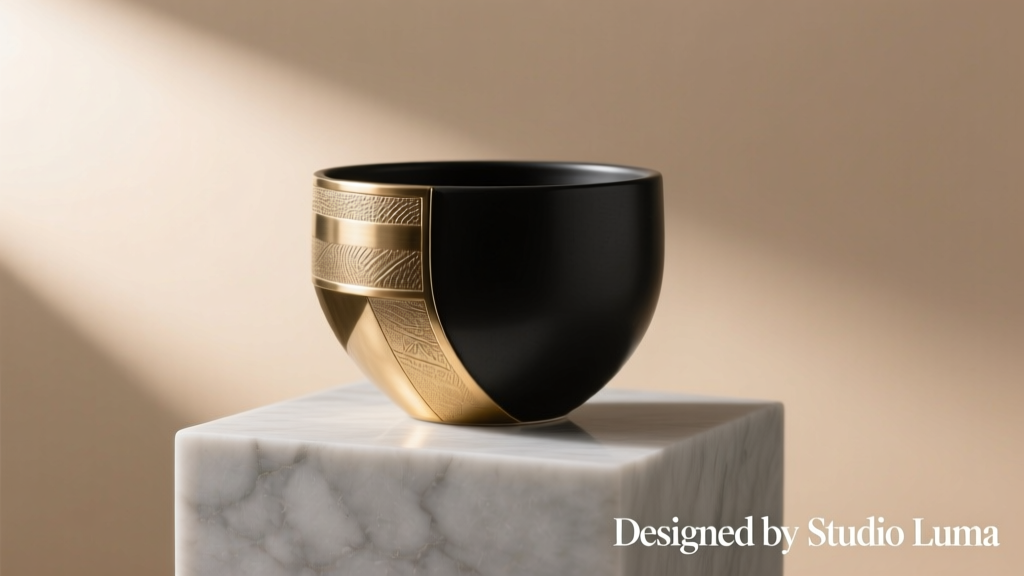
Types of Extra Large Noodle Bowls
Extra large noodle bowls are more than just serving dishes—they are cultural artifacts, functional tools, and aesthetic elements that enhance the dining experience. Each type is uniquely designed to accommodate specific noodle dishes, balancing depth, width, heat retention, and presentation. Understanding the differences between these bowls helps home cooks, chefs, and collectors choose the ideal vessel for both everyday meals and special occasions.
Udon Bowl
Designed for thick, chewy Japanese udon noodles, this bowl features a deep, wide profile to hold generous portions of noodles and rich broth without spillage.
Advantages
- Ample depth for soup-heavy dishes
- Excellent heat retention (especially ceramic)
- Versatile for soups, stews, and rice bowls
- Traditional Japanese craftsmanship and aesthetic
Limitations
- Can be heavy when full
- Limited availability in Western stores
- More fragile if made from ceramic or lacquered wood
Best for: Udon, soba, donburi, and other Japanese noodle or rice-based dishes
Ramen Bowl
Authentic ramen bowls are shallow yet wide, allowing easy noodle access while keeping toppings like soft-boiled eggs and chashu pork neatly arranged.
Advantages
- Optimized shape for slurping noodles
- Wide rim displays toppings beautifully
- Often handcrafted with artistic glazes
- Great for restaurant-style presentation at home
Limitations
- Shallower depth may not suit very brothy dishes
- Premium porcelain versions can be expensive
- Not ideal for mixing or tossing ingredients
Best for: Ramen, miso soup, and dishes where presentation matters
Pho Bowl
The Vietnamese pho bowl is deep and spacious, engineered to hold large volumes of aromatic broth, rice noodles, herbs, and protein.
Advantages
- Deep design prevents spills with liquid-heavy dishes
- Classic minimalist look complements modern tableware
- Doubles as a serving or mixing bowl in Western kitchens
- Ideal for family-style meals or large portions
Limitations
- Narrower rim may make eating less ergonomic
- Less decorative than ramen or udon bowls
- May feel too deep for non-soup dishes
Best for: Pho, noodle soups, salads, and cold pasta dishes
Jjambong Bowl
Used for Korean spicy seafood noodle soup, jjambong bowls are deep, sturdy, and built for heat retention—perfect for fiery, broth-rich meals.
Advantages
- Exceptional heat retention (especially stoneware or stainless steel)
- Durable construction withstands frequent use
- Large capacity suits hearty stews and chili
- Suitable for both home and commercial kitchens
Limitations
- Heavier than ceramic alternatives
- Stainless steel versions may lack visual appeal
- Fewer decorative options compared to Japanese bowls
Best for: Jjambong, kimchi stew, spicy soups, and robust one-pot meals
| Bowl Type | Depth | Material | Heat Retention | Best For |
|---|---|---|---|---|
| Udon Bowl | Deep | Ceramic, Lacquered Wood, Melamine | High | Thick noodle soups, Japanese cuisine |
| Ramen Bowl | Shallow to Medium | Porcelain, Stoneware | Medium-High | Broth-based ramen, visual presentation |
| Pho Bowl | Very Deep | Ceramic, Porcelain | High | Pho, rice noodle soups, multipurpose use |
| Jjambong Bowl | Deep, Robust | Stoneware, Stainless Steel | Very High | Spicy seafood soup, stews, chili |
Expert Tip: When selecting an extra large noodle bowl, consider not just capacity but also ergonomics—broad rims make slurping easier, while deeper bowls are better for minimizing splashes with hot broth. For everyday use, melamine or high-fired stoneware offers a balance of durability and aesthetics.
Design of Extra-Large Noodle Bowls: Functionality, Culture, and Innovation
The design of an extra-large noodle bowl is a thoughtful fusion of form and function, deeply rooted in cultural traditions and modern usability needs. Beyond serving as a vessel for food, these bowls play a pivotal role in enhancing the dining experience by balancing aesthetic appeal with practical performance. From material selection to ergonomic features, every aspect influences durability, heat retention, and user comfort—making them essential tools in both home kitchens and commercial eateries.
Key Design Elements of Extra-Large Noodle Bowls
Material Selection and Performance
The choice of material significantly impacts the functionality, safety, and longevity of extra-large noodle bowls. Traditional materials such as porcelain and ceramic are favored for their elegant finish, substantial weight, and excellent heat retention. These materials are typically microwave- and dishwasher-safe, making them ideal for households and restaurants aiming to maintain a refined presentation without sacrificing convenience.
However, their main drawback lies in fragility—ceramic and porcelain bowls can chip or crack if dropped. To address this, modern alternatives like melamine and bamboo fiber composites have gained popularity. These materials offer superior durability and lightweight handling, perfect for high-traffic environments such as food courts, cafeterias, or family homes with young children. Advanced manufacturing techniques now allow these resilient materials to mimic the smooth texture and visual elegance of ceramic, combining beauty with practicality.
Size, Shape, and Culinary Purpose
The geometry of an oversized noodle bowl is not arbitrary—it directly corresponds to the type of dish it’s designed to serve. Wide and shallow bowls, commonly used for Japanese ramen or udon, provide easy access to long noodles and allow diners to enjoy both broth and ingredients with minimal effort. Their open design also enhances aroma dispersion, enriching the sensory experience.
In contrast, deep, tapered bowls—such as those used for Vietnamese pho—maximize liquid capacity while minimizing heat loss. The narrow rim traps steam, helping to keep the soup hot longer, which is essential for slow-simmered broths. An extra-large size also accommodates generous portions of meat, herbs, and vegetables, aligning with cultural preferences for abundance and hospitality. Psychologically, larger bowls can increase satisfaction by creating a sense of indulgence and value.
Cultural Motifs and Artistic Expression
Cultural identity is intricately woven into the design of noodle bowls across Asia. In Japan, minimalist aesthetics dominate, with bowls often featuring subtle brushwork, natural glazes, or wabi-sabi imperfections that reflect Zen philosophy and appreciation for simplicity. These designs emphasize harmony between food and container, enhancing the overall dining ritual.
Vietnamese and Chinese bowls, on the other hand, may showcase vibrant hand-painted motifs—such as dragons, phoenixes, floral patterns, or scenic landscapes—that symbolize prosperity, luck, or regional heritage. These artistic elements elevate the bowl beyond utility, transforming it into a collectible item or heirloom passed through generations. Even in mass-produced versions, cultural motifs help preserve tradition and connect diners to their roots.
Ergonomics and User-Centered Features
Given the size and weight of extra-large noodle bowls—especially when filled with hot soup—ergonomic design is crucial for comfort and safety. Many bowls incorporate subtle curves or flared rims for easier gripping, while others include built-in handles. For example, Korean jjambong (spicy seafood noodle) bowls often feature dual side handles, allowing users to hold the bowl securely even when it’s too hot to touch directly.
Additionally, the rim design can influence spoon placement and ease of slurping, while the base may be slightly widened to prevent tipping. Some premium bowls even integrate non-slip silicone bases or insulating layers to reduce heat transfer to tables or hands. These thoughtful details demonstrate how user experience drives innovation in tableware design.
| Design Feature | Functional Benefit | Best Use Case |
|---|---|---|
| Porcelain/Ceramic | Excellent heat retention, elegant appearance | Home dining, fine casual restaurants |
| Melamine/Bamboo Fiber | Durable, lightweight, shatter-resistant | Food trucks, kids’ meals, outdoor events |
| Deep, Tapered Shape | Retains heat, holds more broth | Pho, tonkotsu ramen, soups |
| Wide, Shallow Profile | Easy noodle access, better aroma release | Udon, soba, dry ramen dishes |
| Integrated Handles | Improved grip, safer handling when hot | Jjambong, bibimmen, large portion meals |
Design Trends and Practical Considerations
Important: When selecting or designing an extra-large noodle bowl, consider the primary use case—whether it's for home use, restaurant service, or takeaway. Avoid using melamine in microwave ovens due to potential chemical leaching. Always check manufacturer guidelines for temperature limits and cleaning methods to ensure longevity and safety. Thoughtful design not only improves the eating experience but also reflects cultural respect and culinary craftsmanship.
Scenarios for Using Extra Large Noodle Bowls
Extra large noodle bowls are more than just oversized dishware—they are versatile, functional, and stylish solutions for a wide range of dining environments. From family meals to large-scale events, their generous capacity and durable design make them ideal for serving hearty portions and encouraging communal eating. Below are key scenarios where these bowls shine, highlighting their practicality and aesthetic appeal.
Casual Family Dining
Extra large noodle bowls are perfect for family-style meals where sharing and second helpings are part of the tradition. Their spacious interior comfortably holds full portions of pasta, ramen, or rice-based dishes, reducing the need for multiple trips to the kitchen.
- Ideal for households with children or big appetites who enjoy generous servings
- Promotes a relaxed, communal dining atmosphere where food is passed around the table
- Made from durable materials like ceramic or stoneware, they withstand frequent use and washing
Pro tip: Use colorful or patterned bowls to add warmth and personality to everyday meals.
Buffet-Style Breakfast or Brunch
At brunch buffets, large noodle bowls double as serving pieces for oatmeal, fruit salads, yogurt parfaits, or cold noodle dishes. Their deep, wide shape keeps contents neatly contained and visually appealing.
- Reduces guest traffic at serving stations by allowing larger portion access
- Works well for both hot and cold dishes thanks to heat-retaining ceramic construction
- Easy to label or pair with serving utensils for self-service setups
Great for: Brunch spreads, holiday mornings, or weekend gatherings with extended family.
Office Lunches
In professional environments, extra large ceramic noodle bowls elevate the lunch experience. Their elegant design transforms a simple meal into something more satisfying and intentional.
- Allows employees to bring full, balanced meals—noodles, proteins, and vegetables—in one container
- Microwave-safe and dishwasher-friendly options enhance convenience
- The refined look of ceramic bowls subtly improves mealtime morale compared to disposable containers
Bonus benefit: Encourages mindful eating by providing a single, portion-appropriate vessel.
Restaurant Service
Restaurants—especially those serving Asian cuisine—rely on large bowl dishes to present ramen, udon, pho, and other soup-based meals with flair. The bowl’s size complements the dish’s composition, offering space for broth, noodles, and toppings.
- Enhances visual presentation with a restaurant-quality look and feel
- Heat retention properties keep soups warm longer at the table
- Standardized sizing simplifies portion control and plating efficiency
Design insight: Many chefs prefer bowls with subtle textures or matte finishes for an artisanal touch.
Catering and Large Events
For weddings, parties, or corporate events, extra large bowls are indispensable for serving side dishes or main courses in a crowd-friendly way. They support self-service stations and reduce the need for constant refills.
- Perfect for serving cold pasta salads, mac and cheese, stir-fries, or hearty stews
- Stackable designs save space during transport and storage
- Available in elegant finishes suitable for both casual and formal events
Event planner tip: Pair with ladles or tongs and place on tiered stands for an attractive buffet display.
Meal Prep & Batch Cooking
Though not originally listed, this is a growing use case: extra large bowls are excellent for preparing and storing weekly meals. Their size accommodates bulk ingredients and makes mixing or tossing noodles effortless.
- Use for tossing cold noodle salads or assembling grain bowls before refrigeration
- Doubles as a serving dish straight from the fridge, minimizing dish clutter
- Thick ceramic walls help regulate temperature during mixing and storage
Smart hack: Label bowls with meal dates for easy organization in the fridge.
Professional Recommendation: When selecting extra large noodle bowls, prioritize materials that balance durability and thermal performance—such as high-fired ceramic or tempered stoneware. For commercial use, consider sets with chip-resistant glazes and ergonomic handles. In home settings, opt for dishwasher-safe options that combine functionality with aesthetic appeal to suit various cuisines and occasions.
| Use Case | Ideal Bowl Size | Recommended Material | Key Benefit |
|---|---|---|---|
| Family Dining | 32–40 oz | Stoneware or Ceramic | Durable, portion-friendly, great for sharing |
| Buffet Serving | 64+ oz (serving bowl) | Glazed Ceramic or Porcelain | High capacity, attractive presentation |
| Office Lunch | 24–32 oz | Microwave-safe Ceramic | Professional look, reusable, eco-friendly |
| Restaurant Service | 32–48 oz | Heavy-duty Ceramic | Heat retention, premium presentation |
| Event Catering | 80+ oz (serving) | Stackable Ceramic or Melamine | Bulk serving, space-efficient storage |
Additional Considerations
- Capacity Range: Extra large noodle bowls typically range from 32 to 60 ounces for individual use, with serving bowls exceeding 80 ounces.
- Eco-Friendliness: Reusable ceramic bowls reduce single-use waste, making them a sustainable choice for homes and businesses.
- Aesthetic Flexibility: Available in minimalist, rustic, or decorative styles to match any table setting or brand identity.
- Heat Retention: Thick-walled ceramic bowls keep hot dishes warm longer, enhancing the dining experience.
- Comfortable Handling: Many feature rolled rims and balanced weight distribution for easy carrying, even when full.
Specification & Maintenance of Extra-Large Noodle Bowls
Extra-large noodle bowls are essential kitchenware for serving hearty meals such as ramen, pho, soups, and salads. Designed for both home and commercial use, these bowls combine functionality with aesthetic appeal. Understanding their specifications and proper maintenance ensures longevity, safety, and optimal performance. This guide provides a detailed breakdown of key features, material considerations, and best practices for care and storage.
Note on Warm Bowls: "Warm bowls" often refer to heat-retaining serving dishes designed to keep food at an ideal temperature. Extra-large noodle bowls made from stoneware or porcelain are particularly effective at maintaining warmth, enhancing the dining experience for hot noodle dishes.
Key Specifications of Extra-Large Noodle Bowls
- Size and Capacity
Extra-large noodle bowls typically range from 10 to 16 inches in diameter with a depth of 2 to 6 inches, offering a generous capacity of approximately 1.5 to 3 quarts. This makes them ideal for family-style servings, restaurant portions, or meal prep containers. Their wide opening allows easy access for eating and presentation of layered dishes like ramen with toppings.
- Heat Resistance by Material
Heat tolerance varies significantly based on construction material:
- Ceramic & Porcelain: Can withstand temperatures up to 450°F, making them safe for oven use and ideal for serving piping-hot soups and stews.
- Stoneware: Offers excellent heat retention and moderate thermal shock resistance; best preheated before adding boiling liquids.
- Melamine: Resistant up to about 250°F, suitable for warm (not boiling) foods. Not recommended for direct oven or broiler use.
- Tempered Glass: Highly durable and oven-safe up to 400°F, though less common in ultra-large sizes.
- Dishwasher and Microwave Safety
Convenience is a major factor in modern kitchenware selection:
- Most ceramic, porcelain, and tempered glass bowls are microwave-safe and dishwasher-safe, allowing for reheating and easy cleanup.
- Melamine bowls are generally dishwasher-safe but not microwave-safe due to potential chemical leaching under high heat.
- Always check manufacturer labels—some hand-glazed ceramics may contain metallic finishes that are unsuitable for microwaves.
- Durability and Use Environment
Different materials suit different settings:
- Melamine: Extremely durable, shatterproof, and lightweight—perfect for outdoor dining, buffets, cafeterias, and children’s meals.
- Ceramic/Porcelain: Elegant and restaurant-grade but more fragile. Best for indoor, controlled environments where breakage risk is low.
- Stoneware: Denser than standard ceramic, offering better chip resistance while still requiring careful handling.
Maintenance Tips for Longevity and Performance
- Cleaning Best Practices
Maintaining hygiene and appearance depends on material-specific care:
- Ceramic, Porcelain, and Stoneware: Dishwasher-safe for daily use, but hand washing with mild detergent helps preserve glaze integrity and prevents crazing (fine surface cracks).
- Melamine: Highly stain- and scratch-resistant. Avoid abrasive scrubbers; use warm soapy water or dishwasher on gentle cycle.
- Stubborn Stains: Soak in warm water with baking soda or vinegar solution. Avoid bleach, which can degrade melamine over time.
- Storage Solutions
Due to their size, proper storage prevents damage and saves space:
- Stackable designs (common in ceramic and melamine) allow vertical storage, but use felt pads or silicone liners between bowls to prevent scratching.
- Store in dry cabinets away from moisture to prevent mold or odors, especially in humid climates.
- For long-term storage, wrap delicate porcelain bowls in soft cloth or bubble wrap.
- Temperature Regulation and Use
Maximize thermal performance based on material:
- Stoneware and Thick Ceramic: Excellent at retaining heat. Pre-warm in the oven (at low temperature) before serving hot dishes to keep food warm longer.
- Melamine: Poor heat conductor—ideal for cold or room-temperature foods like noodle salads, fruit bowls, or desserts.
- Avoid Thermal Shock: Never transfer a cold bowl directly into a hot oven or pour boiling liquid into a refrigerated ceramic bowl.
- Preventing Damage and Cracking
Protect your investment with these precautions:
- Always place hot bowls on heat-resistant trivets or wooden boards, not cold countertops.
- Use corner protectors or padded shelves when storing to minimize chipping.
- Avoid dropping or knocking bowls against hard surfaces—especially critical for porcelain and glazed ceramics.
- Inspect regularly for hairline cracks or glaze damage, which can harbor bacteria and weaken structural integrity.
| Material | Max Temp | Dishwasher Safe | Microwave Safe | Best For | Caution |
|---|---|---|---|---|---|
| Ceramic | 450°F | Yes (check glaze) | Yes (non-metallic) | Hot soups, stews, oven-to-table serving | Avoid thermal shock; hand wash preferred |
| Pottery/Stoneware | 400–450°F | Yes | Yes | Heat retention, rustic presentation | May absorb moisture; seal if unglazed |
| Porcelain | 450°F | Yes | Yes | Elegant dining, restaurants | Fragile; prone to chipping |
| Melamine | 250°F | Yes | No | Outdoor use, kids, buffets | Not for microwave or oven use |
| Tempered Glass | 400°F | Yes | Yes | Modern look, versatile use | Rare in extra-large sizes; handle with care |
Pro Tip: To extend the life of your extra-large noodle bowls, rotate their use to prevent uneven wear. For commercial kitchens, consider color-coded melamine sets to differentiate between food types and reduce cross-contamination risks.
Final Recommendations
- Choose the material based on your primary use—melamine for durability, ceramic for elegance, and stoneware for heat retention.
- Always follow manufacturer care instructions, especially regarding oven, microwave, and dishwasher use.
- Invest in protective accessories like bowl stands, silicone sleeves, or stackable organizers.
- Replace bowls showing deep cracks, significant chipping, or glaze deterioration to maintain food safety.
- For eco-conscious users, opt for lead-free, BPA-free, and sustainably produced options.
By understanding the specifications and committing to proper maintenance, your extra-large noodle bowls can remain functional, safe, and visually appealing for years—whether used in a bustling kitchen or enjoyed during a cozy family dinner.
Frequently Asked Questions About Extra Large Noodle Bowls
Q1: What is an extra large noodle bowl used for?An extra large noodle bowl is specifically designed to accommodate generous portions of hearty meals, making it perfect for serving a wide variety of dishes beyond just noodles. These bowls are ideal for:
- Noodle dishes: Ramen, pho, udon, lo mein, and pasta with sauce or broth.
- Soups and stews: Hearty chowders, miso soup, chili, or lentil stew with ample space for toppings.
- Grain bowls: Buddha bowls, poke, or grain salads with proteins, vegetables, and dressings.
- Snacks and sides: Popcorn, chips, or fresh fruit salads for sharing or solo indulgence.
Their deep, wide design not only holds more food but also enhances presentation, making them a favorite for both casual dining and entertaining guests.
Q2: What materials are extra large noodle bowls made from?Extra large noodle bowls are crafted from a range of materials, each offering unique benefits in terms of aesthetics, durability, and functionality. Common materials include:
| Material | Features | Best For |
|---|---|---|
| Ceramic | Classic look, heat-retentive, often hand-painted or glazed. May be prone to chipping if dropped. | Daily use, serving hot noodle dishes, oven-to-table presentation. |
| Porcelain | Smooth, non-porous, and more durable than standard ceramic. Resists stains and odors. | Elegant dining, restaurants, or formal settings. |
| Melamine | Lightweight, shatter-resistant, and ideal for outdoor or casual use. Not typically microwave-safe. | Picnics, camping, children's meals, or commercial kitchens. |
| Bamboo Fiber | Eco-friendly, biodegradable, and naturally antimicrobial. Often blended with food-safe resins for strength. | Sustainable households, eco-conscious consumers, and lightweight portability. |
Choosing the right material depends on your lifestyle, intended use, and aesthetic preferences—whether you prioritize durability, style, or environmental impact.
Q3: How do I properly clean and maintain my extra large noodle bowls?Proper cleaning and care can significantly extend the life and appearance of your extra large noodle bowls. Follow these best practices based on material type:
- Dishwasher Safety: Most melamine and many ceramic or porcelain bowls are labeled dishwasher-safe. Place them on the top rack to avoid high heat and potential warping or cracking.
- Hand Washing: Recommended for delicate porcelain, hand-glazed ceramics, or bamboo fiber bowls. Use a soft sponge, mild detergent, and warm water to prevent scratching or residue buildup.
- Stain Prevention: Avoid soaking bowls with strong pigments (like turmeric or tomato sauce) for long periods. Rinse promptly after use.
- Drying: Air dry completely before stacking to prevent moisture retention and odors, especially in bamboo or melamine varieties.
- Storage: Store with protective padding (like felt liners) between bowls to avoid scratches or chips.
Always refer to the manufacturer’s care instructions for specific guidance, as finishes and blends may have unique requirements.
Q4: Are extra large noodle bowls microwave-safe?Not all extra large noodle bowls are microwave-safe—this depends entirely on the material and construction:
- Ceramic and Porcelain: Generally microwave-safe unless they have metallic trims, painted designs, or cracks. Always check for a microwave-safe label.
- Melamine: Typically not microwave-safe, as high heat can cause warping, chemical leaching, or release of harmful fumes.
- Bamboo Fiber: Most are not suitable for microwaving due to the binding resins used; always verify with the manufacturer.
- Testing at Home: If unsure, perform a simple test: Place the empty bowl in the microwave next to a glass of water. Heat on high for 30 seconds. If the bowl is warm but the water is hotter, it’s likely safe. If the bowl is hotter than the water, it’s absorbing too much energy and should not be microwaved.
When in doubt, transfer food to a verified microwave-safe container to avoid damage or health risks.
Q5: What size can I expect from an extra large noodle bowl?Extra large noodle bowls are designed to serve generous portions, typically larger than standard dinner plates or soup bowls. Here’s what you can generally expect:
| Dimension | Typical Range | Capacity |
|---|---|---|
| Diameter | 10 to 16 inches (25 to 40 cm) | Holds 2–4 servings depending on density |
| Depth | 2 to 6 inches (5 to 15 cm) | Prevents spills with soups and broths |
| Capacity | 1.5 to 3 quarts (1.4 to 2.8 liters) | Suitable for family-style meals or meal prepping |
These dimensions make extra large noodle bowls excellent for sharing, serving at gatherings, or enjoying a full meal in one dish. Always check product details before purchasing, as “extra large” can vary by brand and region.









