Every dog owner knows the frustration of replacing a worn-out harness or frayed leash after just a few months. A poorly constructed dog walking setup doesn’t just cost money—it can compromise your pet’s safety and comfort. With so many options on the market, choosing a durable, well-designed harness and leash set requires more than just aesthetics. It demands attention to materials, fit, function, and real-world performance. This guide delivers expert-backed insights to help you invest wisely in gear that stands up to daily walks, outdoor adventures, and even the most enthusiastic pullers.
Why Durability Matters in Dog Harnesses and Leashes
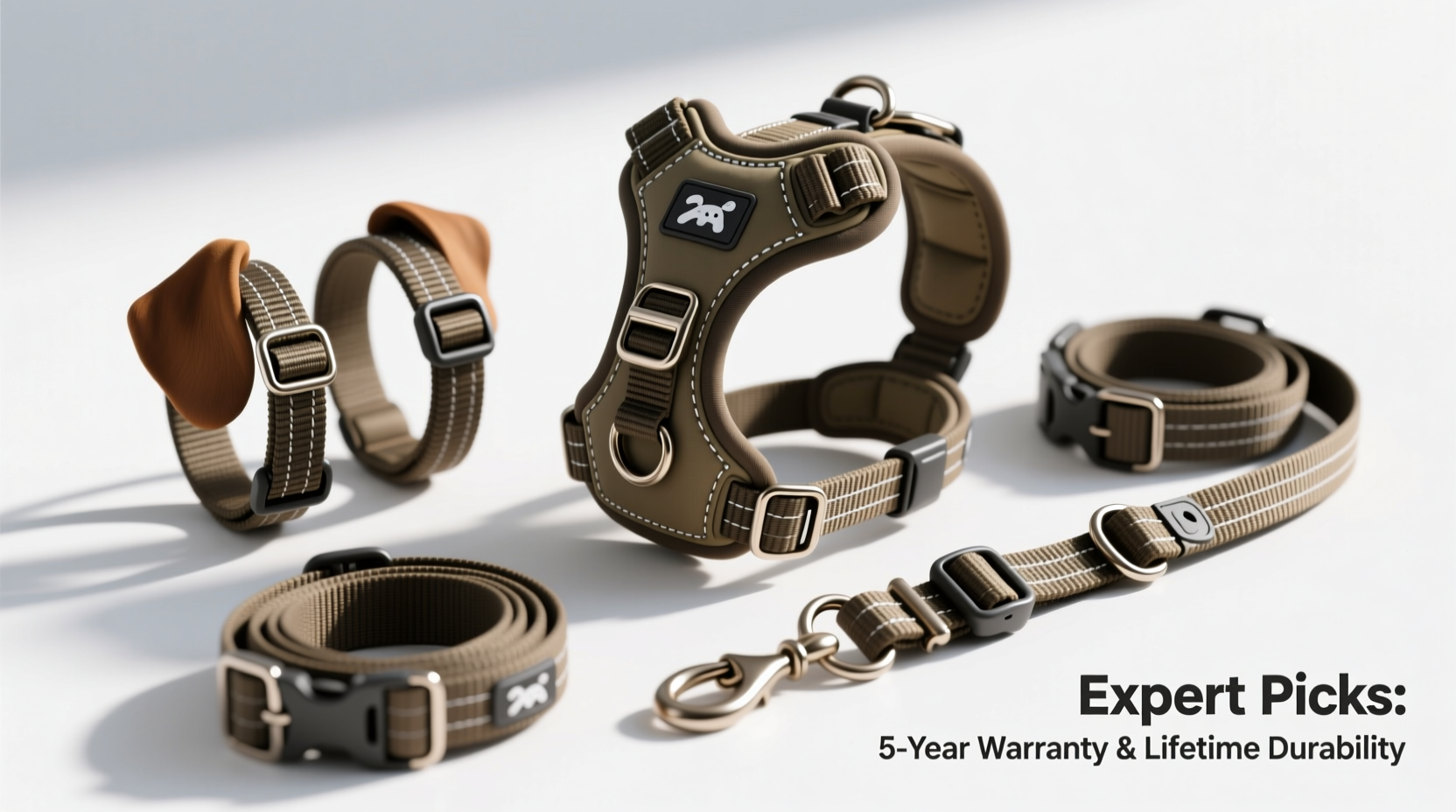
A dog harness and leash are not accessories—they’re essential tools for control, safety, and comfort. Unlike collars, which concentrate pressure on the neck, a well-fitted harness distributes force across the chest and shoulders, reducing strain during pulls and sudden movements. But if the materials degrade quickly or stitching fails under tension, even the best design becomes ineffective—or dangerous.
Durability directly impacts safety. Frayed webbing, broken buckles, or stretched padding can lead to escape risks, injury, or compromised handling during high-stress situations like traffic encounters or off-leash recalls. Long-term durability also translates to cost efficiency. A $60 set that lasts three years outperforms three $30 sets replaced annually.
Tip: Always test hardware under tension before purchase—tug firmly on D-rings and clips to assess sturdiness.Key Materials That Define Longevity
The foundation of any durable dog gear is its construction materials. Not all nylon is equal; nor is every plastic buckle created for heavy-duty use. Understanding what goes into your harness and leash helps you avoid flimsy imitations.
- Nylon Webbing (Mil-Spec Preferred): High-density, military-grade nylon resists abrasion, UV exposure, and moisture. Look for 1-inch wide straps with tensile strength ratings above 1,000 lbs.
- Polyester Blends: Often used in padded areas, these resist fading and mildew better than cotton but should be reinforced at stress points.
- Hardware: Zinc-alloy or aluminum D-rings and side-release buckles withstand corrosion and lateral stress. Avoid hollow or stamped metal pieces.
- Stitching: Double or triple-stitched seams, especially around load-bearing zones, prevent unraveling. Bar-tacking at anchor points adds critical reinforcement.
“Durability starts at the stitch level. If the thread isn’t bonded and the seams aren’t bar-tacked, no amount of strong fabric will save the product.” — Dr. Lena Torres, Veterinary Biomechanics Researcher, UC Davis
Fit and Function: How Design Impacts Lifespan
A perfectly built harness fails if it doesn’t fit correctly. Ill-fitting gear shifts during movement, causing friction, chafing, and uneven wear. Over time, this leads to premature breakdown of stitching and padding.
There are three primary harness styles, each with trade-offs in durability and application:
| Harness Type | Best For | Durability Notes |
|---|---|---|
| Back-Clip (Top-Attachment) | Calm walkers, small breeds | Less strain on front panels; simpler construction = fewer failure points |
| Front-Clip (No-Pull) | Strong pullers, training | Higher stress on chest strap; requires reinforced stitching and rigid guides |
| Step-In / Vest Style | Sensitive dogs, even weight distribution | Bulkier; vulnerable at leg-loop seams if not double-stitched |
Vest-style harnesses often offer superior comfort and load distribution but demand higher craftsmanship to maintain integrity at connection points. Front-clip models, while effective for training, place constant torque on the shoulder strap—only high-quality versions handle this over time.
Real Example: The Case of Max, the Labrador Puller
Max, a 78-pound Labrador Retriever, strained against his standard back-clip harness daily. Within four months, the stitching near the D-ring split, and the nylon began fraying at the shoulder. His owner switched to a front-clip harness made with 1.5-inch mil-spec nylon, aircraft-grade aluminum hardware, and triple-stitched junctions. After 18 months of rigorous use—including hikes, muddy trails, and regular pulling—the set shows minimal wear. The key difference? Material density and structural reinforcement tailored to high-tension use.
Step-by-Step Guide to Choosing Your Set
Selecting a long-lasting harness and leash isn’t guesswork. Follow this vetted process to make a confident decision:
- Measure Your Dog Accurately: Use a soft tape measure around the deepest part of the chest (behind front legs) and neck. Compare to brand-specific charts—never assume sizing is universal.
- Assess Activity Level: Couch companions need less reinforcement than hiking partners. Match build quality to usage intensity.
- Inspect Hardware In-Hand: If buying in-store, press down on buckles and twist D-rings. They should move smoothly but feel solid, not loose or brittle.
- Check Weight Ratings: Ensure the combined harness and leash support at least 1.5x your dog’s body weight. Larger breeds need industrial-grade components.
- Evaluate Cleaning Ease: Machine-washable liners and quick-dry fabrics extend life by preventing odor buildup and bacterial degradation.
- Read Real User Reviews: Focus on feedback mentioning long-term use (“still going strong after two years”) rather than first impressions.
Essential Checklist Before Purchase
Before clicking “buy,” verify these durability indicators:
- ✅ Heavy-duty, UV-resistant webbing (not thin or glossy)
- ✅ Solid metal D-rings (no plastic inserts)
- ✅ Reinforced stitching at all load points (look for X or box patterns)
- ✅ Secure, rust-proof clasps (tested for >1,000 lb break strength)
- ✅ Adjustable points on multiple straps (ensures proper fit as dogs change shape)
- ✅ Leash with padded handle and reflective threading for visibility and grip
- ✅ Manufacturer warranty (ideally 1 year or longer)
Frequently Asked Questions
Can a harness be too durable for a small dog?
Not inherently, but excessive bulk or weight can hinder mobility. Choose lightweight yet strong materials—like ripstop nylon—for toy breeds. Focus on proportional hardware and flexibility without sacrificing integrity.
How do I know when it’s time to replace my set?
Retire gear at the first signs of compromised structure: frayed webbing, cracked stitching, wobbly D-rings, or stiff, degraded padding. Even minor damage can escalate under tension. Regular monthly inspections prevent accidents.
Are expensive brands always more durable?
Not necessarily. Some premium brands prioritize fashion over function. Always inspect materials and construction, regardless of price. Mid-tier brands like Ruffwear, Kurgo, and OneTigris consistently deliver proven durability through transparent engineering.
Final Thoughts: Invest in Safety, Not Just Style
A durable dog harness and leash set is an investment in your pet’s well-being and your peace of mind. Beyond lasting longer, high-quality gear enhances control, reduces injury risk, and supports healthier walking posture. By focusing on material strength, structural integrity, and proper fit, you avoid the cycle of frequent replacements and potential hazards.
🚀 Take action today: Reassess your current gear using the checklist above. If it doesn’t meet durability standards, upgrade to a set engineered for endurance. Your dog—and your wallet—will thank you for years to come.








