Grooming a severely matted dog can feel overwhelming, especially when you want to avoid causing pain or anxiety. Mats—dense tangles of hair, skin cells, and debris—can form quickly, particularly in long-haired or double-coated breeds. Left untreated, they pull on the skin, trap moisture, and lead to infections. While professional help is ideal for extreme cases, many pet owners need practical, at-home solutions. With patience, the right tools, and a calm approach, you can safely manage mild to moderate matting while minimizing stress for both you and your dog.
Understanding the Risks of Matted Coats
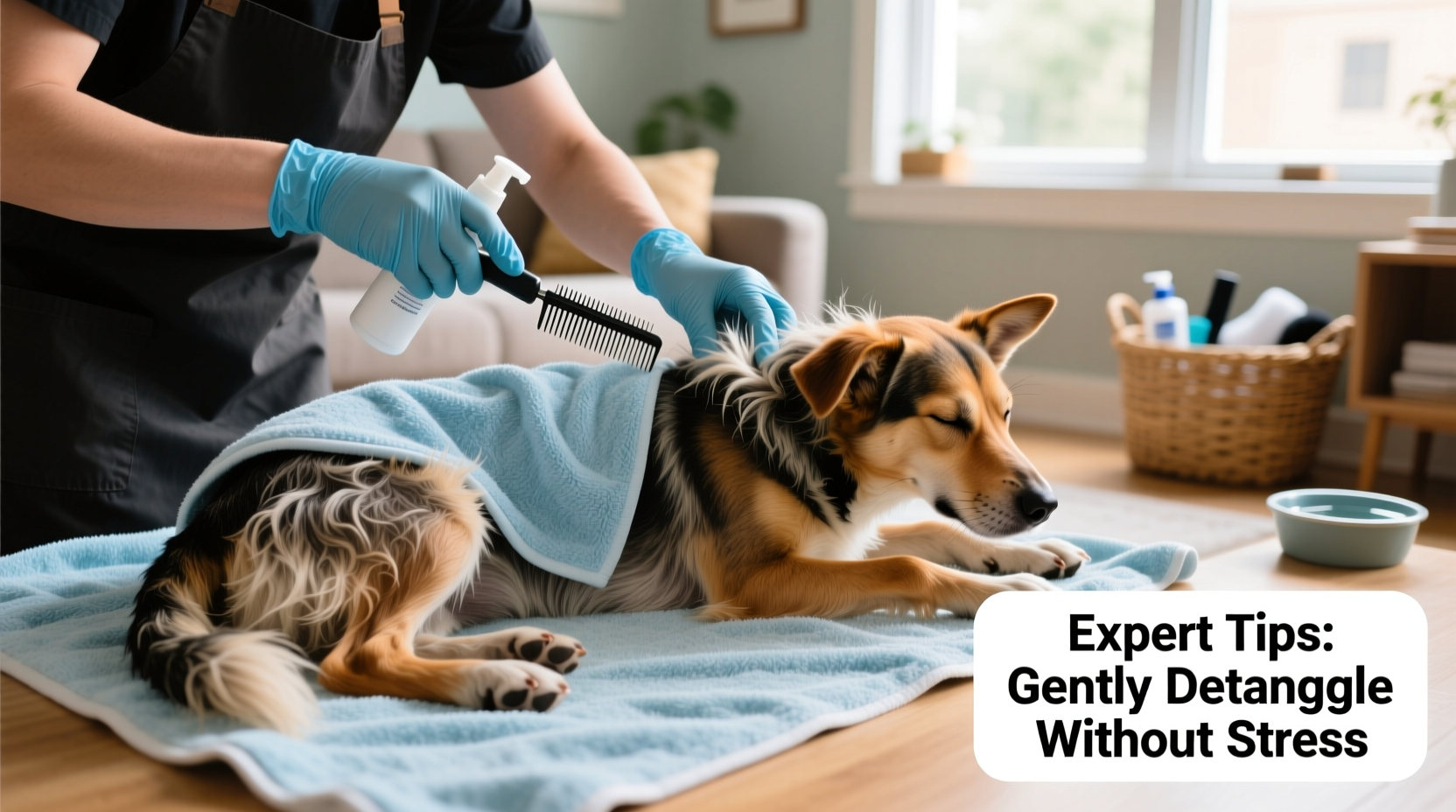
Mats are more than just unsightly; they pose real health risks. When hair clumps tightly against the skin, it creates a warm, moist environment perfect for bacteria and fungi. This can result in hot spots, skin infections, and even sores. Severe matting restricts movement, especially around joints and underarms, and can cause chronic discomfort. In extreme cases, dogs may develop behavioral changes due to constant irritation.
Attempting to cut out mats with scissors is dangerous—hidden skin folds can be easily nicked. Similarly, pulling or yanking at tangles increases fear and distrust. The goal isn’t just aesthetics; it’s comfort, hygiene, and preserving your dog’s well-being.
“Mats aren’t just cosmetic issues—they’re welfare concerns. A single large mat can harbor parasites and lead to serious dermatological conditions.” — Dr. Lena Patel, Veterinary Dermatologist
Essential Tools and Preparation
Before starting, gather the right equipment. Using improper tools worsens the situation and increases stress. Here’s what you’ll need:
- Slicker brush – For gentle detangling of loose mats
- Detangling comb – Narrow teeth help separate tight knots
- Mat splitter or dematter tool – Safely cuts through thick mats without touching skin
- Blunt-tipped scissors – Only for trimming edges after using a splitter
- Detangling spray or conditioner – Lubricates hair and reduces friction
- Non-slip mat – Keeps your dog stable during grooming
- Treats and praise – Reinforce calm behavior throughout
Step-by-Step Guide to Safe Mat Removal
Follow this methodical process to minimize discomfort and ensure thorough results:
- Assess the severity: Examine each mat. If it’s pressing into the skin or covering inflamed areas, skip removal and consult a vet or groomer.
- Calm your dog first: Spend 5–10 minutes petting and speaking softly. Offer treats to create a positive association.
- Section the coat: Use clips to isolate matted areas from clean fur. Work in small sections—no more than 2–3 inches at a time.
- Apply detangler: Spray liberally onto the outer layer of the mat. Wait 2–3 minutes to allow penetration.
- Loosen from the outside: Begin brushing from the tip of the mat inward. Never start at the base near the skin.
- Use a mat splitter if needed: Slide the blade horizontally into the mat, cutting it into smaller pieces. Keep the skin taut to prevent pinching.
- Comb thoroughly: After splitting, use a wide-tooth comb to gently work through remaining tangles. <8> Inspect the skin: Once the mat is gone, check for redness, sores, or signs of infection. Clean with a pet-safe wipe if necessary.
- Repeat and reward: Take breaks every 10–15 minutes. Praise and treat your dog frequently.
For large or full-body matting, consider doing one area per day. Rushing leads to mistakes and trauma. Focus on high-friction zones first: behind ears, under legs, around the collar, and tail base.
Do’s and Don’ts of At-Home Mat Management
| Do’s | Don’ts |
|---|---|
| Work slowly and patiently | Rush the process or force separation |
| Use detangling sprays with natural oils | Use human conditioners or oils (may irritate skin) |
| Keep skin taut when cutting | Hold scissors vertically near the body |
| Stop if your dog shows pain | Continue if your dog is trembling or growling |
| Brush in the direction of hair growth | Yank or pull aggressively on tangles |
A Real Example: Grooming Bella, a Shih Tzu with Severe Undercoat Matting
Bella, a 6-year-old Shih Tzu, hadn’t been brushed regularly for months. Her owner noticed she was scratching more and avoiding being touched along her belly. Upon inspection, dense mats covered her underside and inner thighs—some as thick as tennis balls.
Instead of shaving her immediately, the owner consulted a mobile groomer who recommended a gradual approach. Over four days, they worked on one section at a time using a mat splitter and coconut-oil-based detangler. Each session lasted no more than 15 minutes, followed by treats and cuddles. By day three, Bella began to relax during brushing. On day five, her coat was fully detangled and soft. The owner committed to daily 5-minute brushing sessions thereafter, preventing recurrence.
This case highlights that even severe matting can be managed humanely at home—with consistency and compassion.
When to Seek Professional Help
While many mats can be addressed at home, some situations require expert intervention:
- The dog is aggressive or terrified during handling
- Mats cover more than 50% of the body
- Skin is visibly damaged, bleeding, or infected
- You lack the proper tools or confidence
In these cases, sedation-free grooming clinics or veterinary dermatology services are safer options. Professionals use clippers with guarded blades and have training in low-stress handling. Remember: shaving is not failure. It’s often the most humane solution for neglected coats.
Prevention Checklist: Keep Mats from Coming Back
Once the coat is clean, maintain it with this simple routine:
- Brush your dog at least 3–4 times per week (daily for long-haired breeds)
- Use a slicker brush followed by a metal comb for full coverage
- Pay special attention to friction-prone areas after walks
- Trim excess hair between paw pads and around rear end monthly
- Give regular baths with a moisturizing shampoo every 4–6 weeks
- Check under collars, harnesses, and behind ears weekly
- Store brushes in a dry place and clean them monthly to prevent bacterial buildup
Frequently Asked Questions
Can I use olive oil to loosen my dog’s mats?
Small amounts of food-grade olive oil can help soften mats temporarily, but it may attract dirt and clog pores if overused. Veterinarian-approved detangling sprays are safer and more effective.
Is it better to shave or de-mat a heavily tangled dog?
If mats are close to the skin and widespread, shaving is usually kinder. De-matting such coats takes hours and causes unnecessary strain. A short haircut allows the skin to breathe and hair to regrow healthy.
My dog hates being brushed. How can I change that?
Start with very short sessions—just 30 seconds—and reward immediately. Use a softer brush, speak calmly, and stop before resistance begins. Gradually increase duration as your dog becomes comfortable.
Conclusion: Gentle Care Builds Trust and Health
Safely grooming a matted dog at home requires more than tools—it demands empathy, timing, and steady hands. Every stroke should prioritize your dog’s comfort over speed. With the right approach, you can transform a stressful chore into a nurturing ritual that strengthens your bond and protects your pet’s health.
💬 Have a grooming success story or tip? Share your experience in the comments and help fellow pet owners care for their furry companions with confidence and kindness.








