Choosing the right collar for your kitten isn’t just about style—it’s a critical decision that affects their daily comfort, mobility, and long-term safety. A poorly fitted collar can lead to chafing, restricted breathing, or even escape if it’s too loose. On the other hand, a well-chosen, properly sized collar ensures your kitten stays safe during supervised outdoor time, aids in identification, and supports training with harness integration. With so many materials, styles, and sizing options available, selecting the ideal fit requires more than guesswork. This guide walks you through expert-backed methods to measure, test, and select the perfect collar size for your growing kitten.
Why Collar Fit Matters More Than You Think
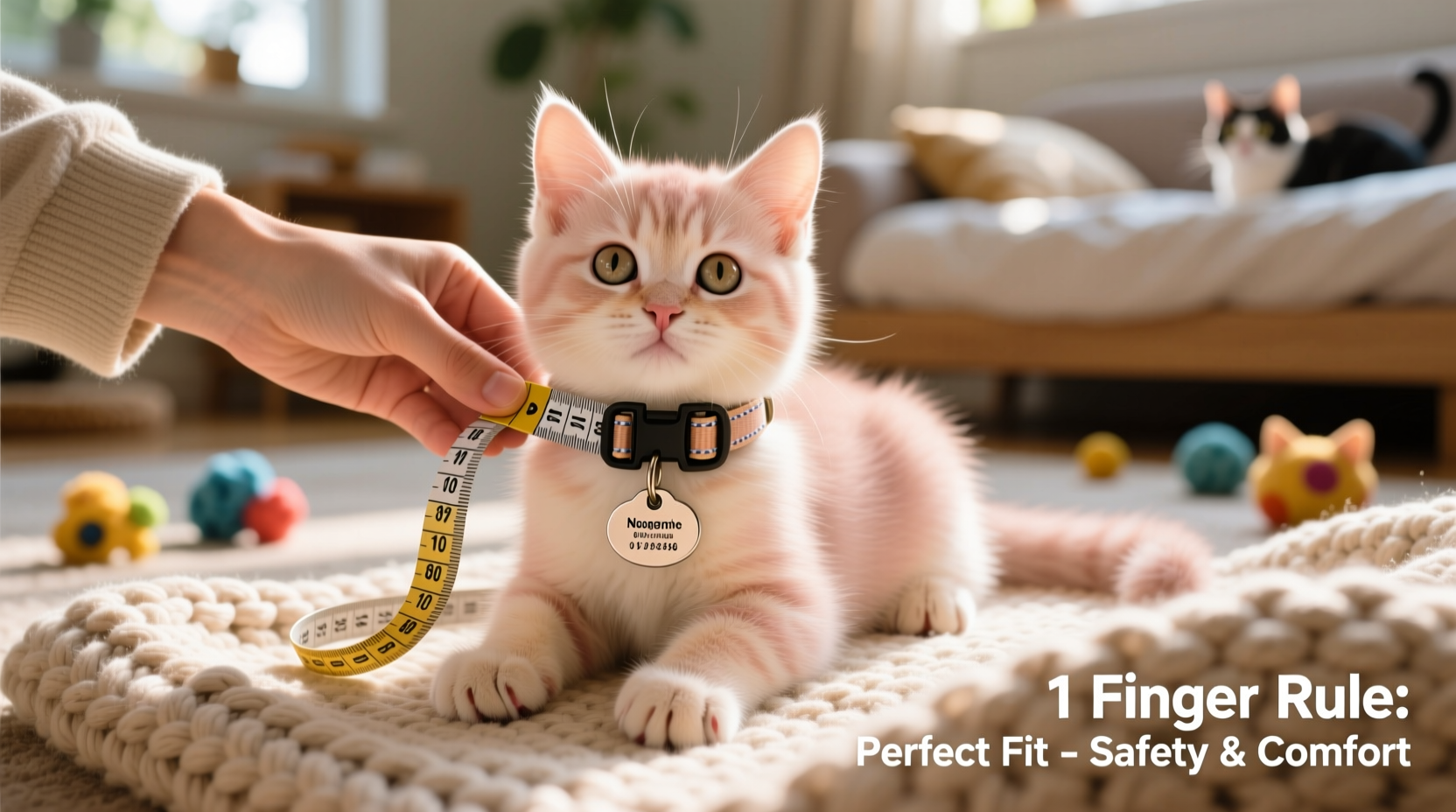
A kitten’s neck is delicate and still developing. Their skin is sensitive, and their trachea is small and easily compressed. An overly tight collar can restrict airflow, cause hair loss, or lead to skin infections from constant friction. Conversely, a loose collar risks snagging on furniture or branches, potentially leading to injury or strangulation. The American Veterinary Medical Association (AVMA) emphasizes that collars should never impede normal movement or behavior. The goal is a snug but comfortable fit—one that allows two fingers to slide beneath the collar at all times.
Additionally, kittens grow rapidly in their first six months. A collar that fits perfectly at eight weeks may become dangerously tight by twelve. Regular monitoring and adjustments are essential to keep pace with their development.
Tip: Never leave a kitten unattended in a collar, especially during playtime indoors where cords, blinds, or furniture can pose entanglement risks.How to Measure Your Kitten’s Neck Accurately
Accurate measurement is the foundation of proper collar sizing. Use a soft fabric tape measure—not a rigid ruler—for best results. Wrap it around the base of your kitten’s neck, just above the shoulders, where a collar naturally rests. Ensure the tape is snug but not pressing into the skin. If you don’t have a tape measure, use a piece of string, mark the overlap, then measure the length against a ruler.
Add one-half inch (about 1.3 cm) to the actual neck measurement to allow room for growth and comfort. For example, if your kitten’s neck measures 7 inches, look for a collar adjustable between 6.5 and 9 inches. This range provides flexibility as they grow.
“Precise measurement prevents both discomfort and safety hazards. Always re-measure every three to four weeks during peak growth phases.” — Dr. Lena Torres, Feline Veterinarian & Pet Safety Advocate
Step-by-Step Guide to Testing Collar Fit
Once you’ve selected a collar based on measurements, perform a real-world fit check using this five-step process:
- Slide it on gently: Approach your kitten calmly and place the collar over their head. Avoid forcing it—if it doesn’t go on smoothly, it’s likely too small.
- Check the two-finger rule: Insert your index and middle finger between the collar and your kitten’s neck. You should be able to slide them comfortably underneath without lifting the collar.
- Assess mobility: Observe your kitten moving, stretching, and grooming. The collar should not shift excessively or press into the skin.
- Listen for noise: Buckles or tags shouldn’t dangle loosely and slap against the neck, which can startle or irritate your kitten.
- Inspect after 15 minutes: Remove the collar and examine the neck area for redness, pressure marks, or signs of rubbing.
If any step raises concern, adjust or replace the collar immediately.
Material and Design Considerations for Growing Kittens
Beyond size, the collar’s construction plays a major role in safety and comfort. Kittens are curious and active, often squeezing into tight spaces or climbing shelves. A breakaway clasp is non-negotiable—it releases under sudden pressure, preventing choking if the collar snags.
Choose lightweight materials like nylon or soft polyester. Avoid thick leather or metal chains, which can be too heavy or inflexible for a small kitten. Reflective stitching enhances visibility during dawn or dusk supervision, while engraved ID tags help reunite lost pets quickly.
| Feature | Recommended | Avoid |
|---|---|---|
| Clasp Type | Breakaway snap | Traditional buckle or metal clasp |
| Material | Nylon, soft polyester | Leather, metal, rubber |
| Weight | Under 0.5 oz (14g) | Heavy tags or thick bands |
| Adjustability | Multiple sizing holes | Limited or no adjustment |
Real-Life Scenario: How One Owner Prevented a Close Call
Sophia adopted a 10-week-old tabby named Milo and proudly put on a decorative collar she bought online. Within hours, Milo became agitated, pawing at his neck. When Sophia checked, she noticed a red ring forming under the collar. She removed it immediately and measured his neck—only then realizing the collar had no adjustability and was nearly an inch too small.
After consulting her vet, Sophia switched to a breakaway nylon collar with a 6–8 inch range. She followed the two-finger rule and monitored Milo closely. Two months later, she upgraded again as he grew. “I assumed ‘small’ meant ‘for kittens,’” she said. “Now I know better—measure first, buy second.”
Checklist: Choosing the Right Collar for Your Kitten
- ✅ Measure your kitten’s neck with a soft tape
- ✅ Add ½ inch for growth and comfort
- ✅ Choose a breakaway safety clasp
- ✅ Select lightweight, hypoallergenic material
- ✅ Confirm adjustability across multiple sizes
- ✅ Test fit using the two-finger rule
- ✅ Monitor for irritation during first wear
- ✅ Replace every 2–3 months or as your kitten grows
Frequently Asked Questions
Should kittens wear collars all the time?
No. Indoor kittens should only wear collars during supervised periods. Remove them at night or when left alone to reduce entanglement risks. Outdoor or leash-trained kittens may wear them more consistently, but always inspect for wear and fit daily.
What if my kitten hates the collar?
Some kittens resist collars initially. Introduce it gradually—let them sniff it, then drape it loosely for short intervals. Pair each step with treats and praise. If avoidance persists beyond a few days, reassess the fit, weight, or material. Some kittens respond better to softer fabrics or collars with familiar scents (like a bit of blanket).
Can I use a puppy collar for my kitten?
Only if it meets feline-specific safety standards. Many puppy collars lack breakaway features or are too bulky. Always verify the product is designed for kittens under 10 pounds and has a safety release mechanism.
Final Thoughts: Prioritize Safety Without Sacrificing Comfort
Selecting the perfect collar size for your kitten blends precision, observation, and ongoing care. It’s not a one-time task but part of responsible pet parenting. By measuring accurately, choosing safe materials, and testing fit regularly, you protect your kitten from avoidable harm while giving them freedom to explore safely. Remember, a collar should never be tighter than necessary—and never tighter than love.
💬 Have a collar success story or tip? Share your experience in the comments to help fellow kitten owners make safer choices!








