In a world where personal accessories speak volumes about individuality, the humble keychain has evolved from a functional tool into a statement piece. Among the most charming and increasingly popular options is the fur rabbit keychain—a blend of softness, whimsy, and elegance. Whether clipped to a handbag, backpack, or set of keys, these plush companions add warmth and personality to everyday carry items. But not all rabbit keychains are created equal. From synthetic imitations to ethically sourced natural fur, and from minimalist silhouettes to elaborate designs, selecting the right one requires attention to material, craftsmanship, and aesthetic alignment. This guide cuts through the noise with expert-backed advice to help you find a fur rabbit keychain that reflects your taste and stands the test of time.
Understand the Types of Fur Used
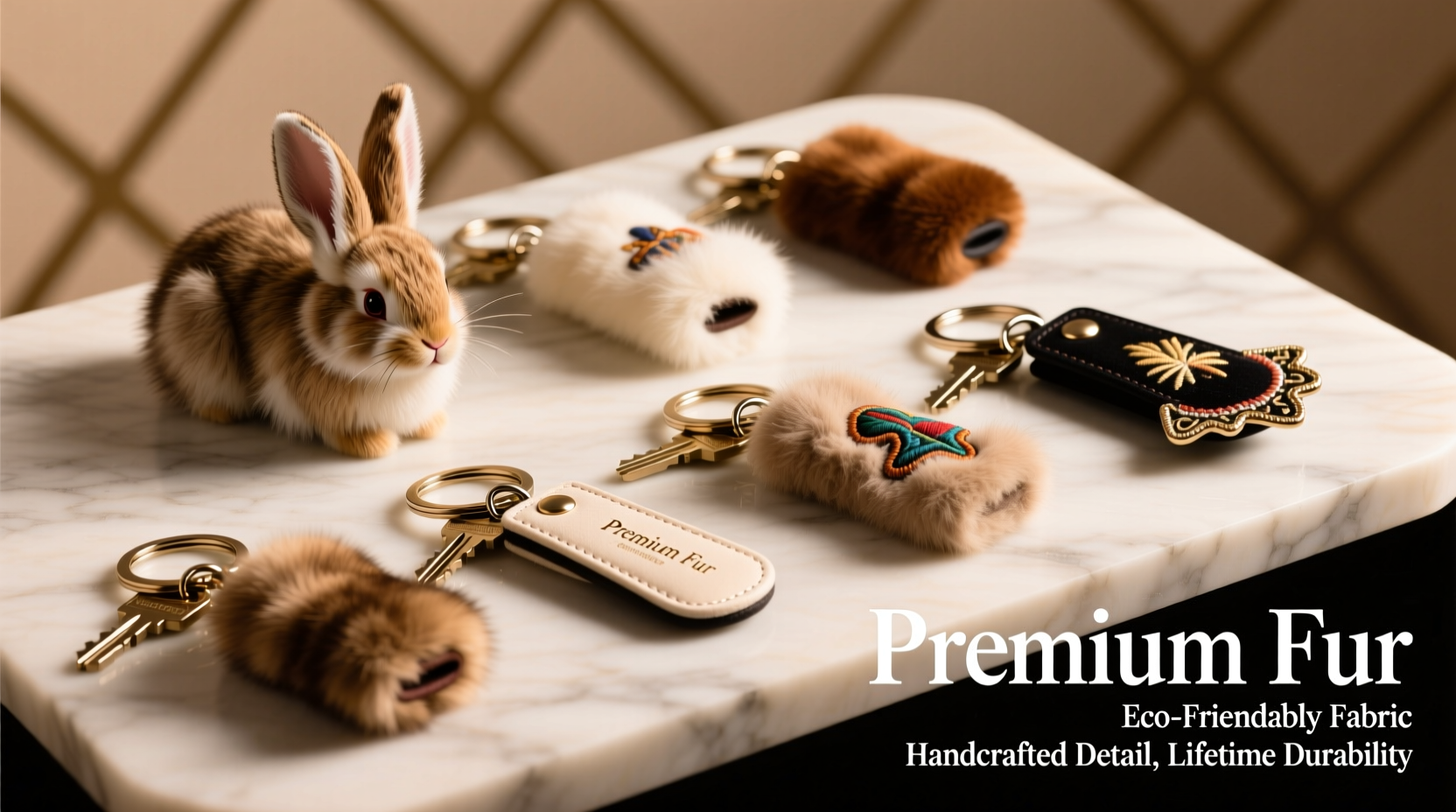
The first step in making an informed choice is understanding what kind of fur you're dealing with. The term \"fur\" can refer to several different materials, each with distinct characteristics in terms of texture, durability, and ethical implications.
- Natural Rabbit Fur: Sourced from rabbits raised for meat or other byproducts, this fur offers unmatched softness and a natural luster. It’s biodegradable but requires careful maintenance.
- Faux Fur (Synthetic): Made from acrylic, polyester, or modacrylic fibers, faux fur mimics the look of real fur without animal sourcing. High-quality versions can be indistinguishable at a glance.
- Recycled Fur: Less common but emerging in sustainable fashion, some brands use reclaimed fur from vintage garments to create eco-conscious accessories.
“Consumers today want beauty without compromise. That means luxurious textures paired with transparent sourcing.” — Lena Park, Sustainable Accessory Designer
Evaluate Craftsmanship and Construction Quality
A well-made fur rabbit keychain should feel substantial, not flimsy. Pay close attention to stitching, seam strength, and attachment hardware. Poor construction leads to shedding, loose limbs, or broken clips—especially when carried daily.
Look for double-stitched seams around joints and body panels. The metal ring or lobster clasp should be made of stainless steel or brass to resist corrosion and snapping under stress. A securely attached clip ensures your keychain stays with your bag, not on the sidewalk.
| Feature | High Quality Indicator | Poor Quality Red Flag |
|---|---|---|
| Fur Density | Thick, even pile with no visible backing | Bare patches, thinning areas, or shedding upon touch |
| Stitching | Tight, consistent thread; reinforced joints | Loose threads, uneven spacing, unraveling |
| Hardware | Weighty metal clasp, smooth action | Lightweight plastic-coated rings, sticky closure |
| Shape Retention | Holds form after gentle squeeze | Collapses easily, loses shape permanently |
Match the Design to Your Personal Style
Your keychain should complement your wardrobe and lifestyle, not clash with it. Consider how the rabbit’s color, size, and expression align with your aesthetic.
For minimalist enthusiasts, a small white faux fur rabbit with subtle black bead eyes adds a whisper of charm without overwhelming a sleek leather tote. Those drawn to bohemian or romantic styles might prefer larger pieces with pastel-dyed fur, embroidered details, or floral accents.
Urban professionals often favor monochrome tones—charcoal gray or ivory—with clean lines and compact proportions. Meanwhile, playful personalities may enjoy novelty versions with oversized ears, glitter trim, or seasonal outfits like tiny scarves or hats.
Tip: Choose neutral colors if you switch bags frequently; bold hues work best when coordinated with a signature piece.Real Example: How Sarah Found Her Perfect Match
Sarah, a graphic designer based in Portland, wanted a keychain that reflected her love for nature and modern simplicity. After trying two low-end versions that shed within weeks, she invested in a compact natural-fur rabbit with undyed beige coloring and a brushed finish. The muted tone paired perfectly with her olive-green backpack and cream coat. Three years later, it still hangs proudly from her tote, gently worn but intact—a testament to choosing quality over impulse.
Follow a Step-by-Step Selection Process
To simplify your search, follow this practical timeline when shopping:
- Define Your Priorities: Decide whether sustainability, luxury, affordability, or visual impact matters most.
- Set a Budget: Premium natural fur or artisanal faux fur typically ranges from $25–$60. Mass-market versions fall below $15 but vary in quality.
- Research Brands: Look for companies with clear sourcing policies, customer reviews, and return guarantees.
- Inspect Product Photos: Zoom in on images for detail clarity. Reputable sellers show macro shots of fur texture and stitching.
- Read Care Instructions: Ensure you’re willing and able to maintain the piece—some require dry cleaning or special brushes.
- Make the Purchase: Buy from secure platforms with verified seller ratings or directly from brand websites.
Care Tips to Preserve Longevity
Even the finest keychain will degrade without proper care. Fur, especially natural varieties, is sensitive to moisture, heat, and friction.
- Store in a breathable cotton pouch when not in use to prevent dust buildup.
- Use a soft-bristle brush weekly to detangle fur and restore fluffiness.
- Avoid exposure to rain, perfume sprays, or direct sunlight for prolonged periods.
- If soiled, spot-clean with a damp cloth and mild soap. Never machine wash.
“Gently brushing your fur accessory once a week does more for its lifespan than any chemical treatment.” — Marcus Lin, Textile Preservation Specialist
Checklist: Before You Buy Your Fur Rabbit Keychain
- ✅ I’ve confirmed whether the fur is real or synthetic
- ✅ I’ve checked customer photos for long-term wear evidence
- ✅ The hardware feels sturdy and operates smoothly
- ✅ The color complements my most-used bags or outerwear
- ✅ I understand the cleaning and storage requirements
- ✅ The brand provides transparency about sourcing
Frequently Asked Questions
Is it ethical to buy a keychain made from real rabbit fur?
It depends on sourcing. Some cultures utilize rabbit fur as a byproduct of the meat industry, minimizing waste. However, if animal welfare is a concern, high-quality faux fur offers a compassionate alternative. Always research the brand’s practices before purchasing.
How do I tell the difference between good and bad faux fur?
High-grade faux fur has a dense pile, minimal shine (unless intended), and resists matting. Run your fingers against the grain—if the backing remains hidden, it’s likely durable. Cheap versions expose the fabric base easily and flatten quickly.
Can I repair a damaged fur rabbit keychain?
Minor issues like loose threads can be stitched by hand with matching thread. For detached limbs or broken clips, contact the manufacturer—many artisans offer repair services. Severe shedding or water damage is usually irreversible.
Final Thoughts: Choose Meaningfully, Wear Joyfully
A fur rabbit keychain is more than a trinket—it’s a daily companion that brings tactile pleasure and expressive flair. By focusing on material integrity, thoughtful design, and responsible production, you can select a piece that resonates with both your values and your sense of style. Whether you lean toward the timeless softness of natural fur or the innovation of premium synthetics, let intentionality guide your choice. When you find “the one,” it won’t just hang from your bag—it’ll feel like a part of you.
💬 Found your perfect fur rabbit keychain? Share your story or styling tip in the comments—your insight could inspire someone else’s next favorite accessory.








