Every dog owner knows the heartbreak of coming home to a shredded plush toy—fluff everywhere, seams ripped open, and a proud pup sitting beside the wreckage. While plush toys are among the most beloved by dogs for their soft texture and cuddly appeal, they often don’t last long, especially with enthusiastic chewers. The good news? Not all plush toys are created equal. With the right knowledge, you can find plush toys that combine durability, safety, and fun—giving your dog the comfort they crave without sacrificing longevity.
The key lies in understanding what makes certain plush toys more resilient than others and how to match them to your dog’s play style. From reinforced stitching to high-tensile fabrics, several factors determine whether a plush toy will survive a week or provide months of enjoyment.
Understand Your Dog’s Play Style
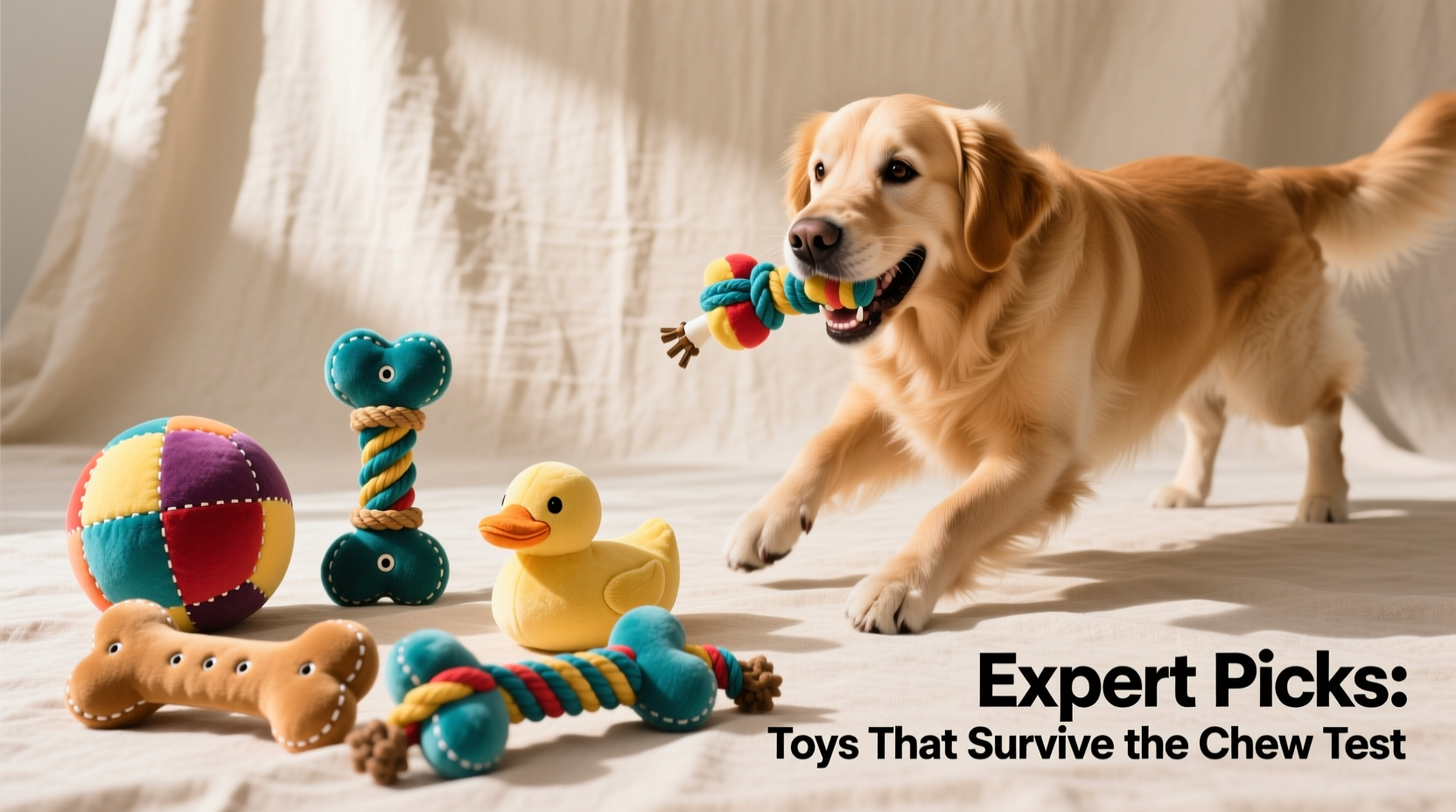
Before selecting any toy, it's essential to assess how your dog interacts with them. Dogs fall into three general play categories: gentle players, moderate chewers, and aggressive destroyers. Matching the toy to the behavior is critical for both safety and durability.
- Gentle players enjoy carrying, snuggling, or tossing toys but rarely bite down hard.
- Moderate chewers may tug, shake, and chew occasionally but usually don’t penetrate inner layers.
- Aggressive chewers attack toys with strong jaws, targeting seams and stuffing relentlessly.
Plush toys designed for light play won’t withstand heavy chewing. For power chewers, look for “tough plush” or “plush with rubber reinforcements”—hybrids that blend soft appeal with structural strength.
Tip: Observe your dog’s first few minutes with a new toy. If they go straight for the seam or stuffing, prioritize reinforced construction.Key Features of Long-Lasting Plush Toys
Durability isn’t accidental—it’s engineered. High-quality plush toys incorporate specific design elements that resist tearing and extend lifespan. Look for these features when shopping:
- Double or triple-stitched seams – These prevent rapid unraveling when your dog tugs or bites along edges.
- Built-in squeakers protected by separate chambers – Keeps the noise fun without making the squeaker an immediate target.
- High-density polyester fiberfill – Resists clumping and breakdown longer than standard stuffing.
- Reinforced fabric layers – Some brands use laminated mesh between fabric layers to stop teeth from penetrating.
- Rubber or nylon inserts – Found in hybrid toys, these add chew resistance while maintaining plush appeal.
Toys made with “Tuffut Technology” (like those from Zogoflex) or “Duratough” fabric blends offer enhanced resilience. These materials flex under pressure but resist puncturing—a crucial advantage for determined chewers.
Material Matters: What Fabrics Last?
Not all fabrics hold up equally. The outer shell of a plush toy plays a major role in its survival. Here’s a comparison of common materials used in durable plush toys:
| Material | Durability | Safety | Best For |
|---|---|---|---|
| Polar fleece | Moderate | High – non-toxic, soft | Gentle players, puppies |
| Nylon-blend fabric | High | High – resists fraying | Moderate chewers |
| Laminated mesh + polyester | Very High | High – no loose fibers | Aggressive chewers |
| Cotton-polyester blend | Low | Moderate – may shed lint | Decorative or supervised play only |
Avoid toys with glued seams or thin single-layer fabric—they fail quickly under stress. Instead, opt for bonded or heat-sealed layers that maintain integrity even after repeated chewing.
“Dogs don’t just chew out of boredom—they’re testing textures, solving problems, and satisfying natural instincts. A well-built plush toy can be both mentally stimulating and physically durable.” — Dr. Lena Reyes, Veterinary Behavior Specialist
Smart Buying Checklist: How to Choose Wisely
Before adding a plush toy to your cart, run through this practical checklist to ensure you’re investing in quality:
Checklist:- ✅ Seams are double-stitched or bar-tacked at stress points
- ✅ Fabric feels thick and resists fingernail snagging
- ✅ No small parts (eyes, noses) that can be chewed off
- ✅ Labeled as ‘heavy-duty’ or ‘for aggressive chewers’
- ✅ Machine washable for hygiene and long-term use
- ✅ Made by reputable brands with safety certifications (ASTM F963, CPSIA compliant)
Price can be an indicator—but not always. Some inexpensive toys use smart engineering to deliver value. However, extremely cheap plush toys often cut corners on stitching and material quality. Investing $12–$18 in a well-made toy can save money over time compared to replacing $5 toys every few days.
Real Example: Max the Border Collie’s Toy Transformation
Max, a 3-year-old Border Collie from Boulder, Colorado, had a reputation for demolishing plush toys within hours. His owner, Sarah, cycled through nearly a dozen different brands before consulting a canine enrichment trainer. The advice? Stop treating plush toys as disposable and start viewing them as tools for mental engagement.
She switched to a rugged plush-rubber hybrid: a dinosaur-shaped toy with a plush exterior, internal rubber skeleton, and hidden treat pockets. The rubber core prevented full destruction, while the soft outer layer satisfied Max’s desire to carry and mouth his toy. Six months later, the toy shows wear but remains intact—with only minor fluff loss and no safety hazards.
“It’s not about finding something indestructible,” Sarah says. “It’s about finding something that lasts long enough to be worth the cost and keeps him engaged safely.”
Step-by-Step Guide to Introducing Durable Plush Toys
Even the toughest toy can fail if introduced incorrectly. Follow this timeline to maximize acceptance and minimize destructive behavior:
- Day 1: Supervised introduction – Let your dog explore the toy under your watch. Redirect if they focus on seams or stuffing.
- Day 2–3: Positive reinforcement – Reward calm interaction (licking, carrying) with treats. Avoid encouraging hyperactive shaking.
- Day 4–7: Gradual independence – Allow short unsupervised sessions. Retrieve the toy after 10–15 minutes to prevent overstimulation.
- Week 2+: Rotate toys – Use a rotation system with 3–4 durable plush toys to maintain novelty and reduce obsessive chewing.
- Ongoing: Inspect weekly – Check for loose threads, exposed stuffing, or damaged squeakers. Retire the toy if integrity is compromised.
Rotation not only extends toy life but also prevents habituation—dogs are more excited by toys they haven’t seen in a few days.
Frequently Asked Questions
Can plush toys be safe for aggressive chewers?
Yes, but only if specifically designed for heavy chewing. Look for multi-layered fabrics, rubber cores, and reinforced stitching. Avoid traditional plush toys with loose seams or small attachments.
How do I clean durable plush toys?
Most high-quality plush toys are machine washable. Use cold water and mild detergent on a gentle cycle. Air dry completely to prevent mold and maintain fabric integrity. Avoid bleach or fabric softeners, which degrade fibers over time.
When should I throw out a plush toy?
Discard the toy if: stuffing is exposed, pieces can be swallowed, the squeaker is broken, or large holes appear. Even durable toys have a lifespan—typically 1 to 6 months depending on use.
Final Thoughts: Balance Durability with Joy
Choosing a long-lasting plush dog toy doesn’t mean sacrificing softness or fun. The best options merge resilience with emotional appeal, giving your dog a companion they can carry, cuddle, and play with—without turning into a hazard in minutes. By understanding your dog’s habits, reading labels carefully, and investing in smarter designs, you can reduce waste, save money, and keep your pet safer and happier.
💬 Have a favorite durable plush toy that survived your dog’s toughest chomps? Share your go-to brand or tip in the comments—your experience could help another pet parent avoid the fluff-filled aftermath of toy failure.








