
Cats are meticulous creatures by nature, and their bathroom habits reflect that precision. A poorly maintained litter box isn’t just unpleasant for humans—it can lead to stress, urinary issues, and unwanted elimination outside the box. Proper litter box care is not a luxury; it’s a fundamental part of responsible cat ownership. With the right routine, tools, and understanding of feline behavior, you can ensure your cat feels safe, comfortable, and confident using their designated space.
The Importance of Litter Box Hygiene
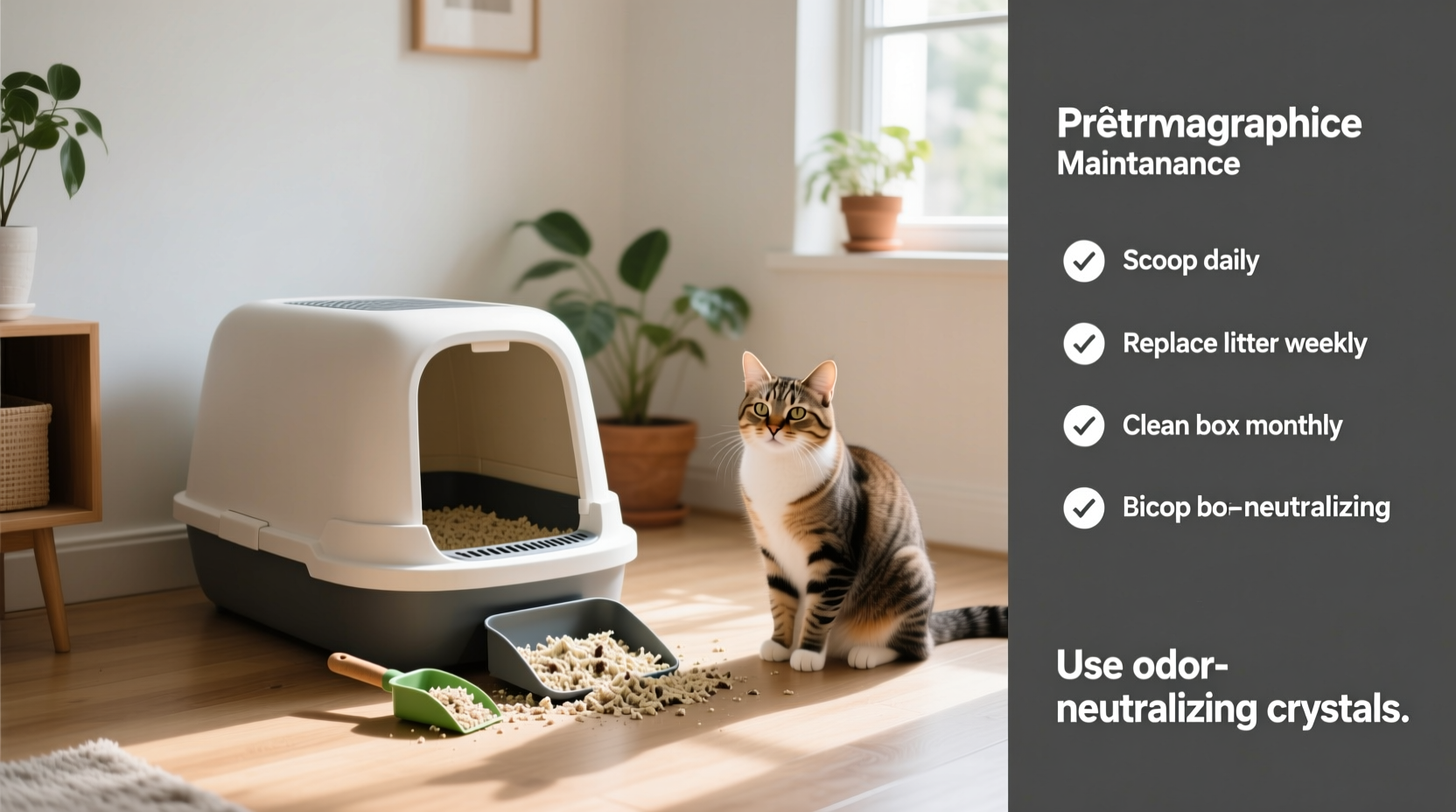
A clean litter box directly impacts your cat’s physical health and emotional well-being. Cats have a powerful sense of smell—far stronger than ours—and even minor odors can deter them from using the box. When forced to use a dirty or unappealing litter area, cats may develop inappropriate elimination habits, such as urinating on carpets or furniture. These behaviors are often misinterpreted as spite but are usually signs of discomfort or distress.
Beyond behavioral concerns, unclean litter boxes can harbor bacteria and parasites. Urine left to break down produces ammonia, which irritates the respiratory tract and can worsen conditions like asthma in both cats and humans. Solid waste also promotes mold and bacterial growth if not removed promptly. Regular maintenance prevents these risks and supports overall household hygiene.
Tip: Scoop the litter box at least once daily—preferably twice—to prevent odor buildup and maintain your cat’s trust in the space.Choosing the Right Litter and Box Setup
Not all litters are created equal, and your choice affects both cleanliness and your cat’s willingness to use the box. Clumping clay litter remains a popular option due to its effectiveness in trapping moisture and controlling odor. However, some cats react poorly to dust or strong scents. Silica gel crystals offer excellent odor absorption and last longer, while paper or wood-based litters are eco-friendly and low-dust alternatives.
When selecting a litter box, size matters. The general rule is that the box should be 1.5 times the length of your cat from nose to tail base. Many commercial boxes are too small, especially for larger breeds or senior cats with mobility issues. Consider a large storage bin with low sides for easier access. For multi-cat households, covered boxes can reduce visual stress, but they trap odors—so frequent scooping is even more critical.
“Cats prefer open, quiet spaces for elimination. A cramped or noisy litter box location can cause avoidance, regardless of how clean it is.” — Dr. Lena Torres, Feline Behavior Specialist
Step-by-Step Cleaning Routine
Maintaining a hygienic litter environment requires consistency. Follow this weekly schedule to keep things fresh and functional:
- Daily: Scoop solid waste and clumped urine at least once in the morning and once at night. Remove any debris like fur or stray food.
- Twice Weekly: Stir the litter thoroughly to expose deeper layers and check for hidden clumps.
- Weekly: Empty all used litter. Wash the box with warm water and mild, unscented soap. Avoid harsh chemicals like bleach unless absolutely necessary (and only after thorough rinsing).
- Monthly: Replace the entire litter system—this includes inspecting the box for cracks or lingering odors. If plastic appears cloudy or scratched, consider replacing the box entirely.
After washing, dry the box completely before refilling with fresh litter. Moisture trapped beneath new litter encourages bacterial growth. Refill to a depth of 2–3 inches—deep enough for digging comfort, shallow enough to prevent excessive tracking.
Litter Box Placement: Do’s and Don’ts
Location plays a crucial role in your cat’s litter box experience. Even a pristine box will be rejected if placed in a high-traffic or stressful area. Cats value privacy and security when eliminating. They need an escape route and clear visibility to feel safe.
| Do’s | Don’ts |
|---|---|
| Place boxes in quiet, low-traffic areas (e.g., spare bathroom, hallway corner) | Put boxes near loud appliances like washers or furnaces |
| Offer multiple locations in multi-level homes (one per floor) | Hide boxes in closets or tight spaces with only one entrance |
| Keep boxes away from food and water stations | Place boxes directly next to feeding areas |
| Ensure accessibility for older or arthritic cats | Use high-sided boxes without ramps or steps for seniors |
Real-Life Example: Solving a Litter Box Avoidance Issue
Sarah adopted a two-year-old domestic shorthair named Milo. Within weeks, she noticed he was urinating beside the box, not inside it. The litter was cleaned daily, and the box was in a quiet laundry room. After ruling out medical issues with her vet, Sarah observed Milo’s behavior closely. She realized the box had high sides, and Milo hesitated before stepping in—likely due to past discomfort or insecurity.
She replaced the box with a large, low-entry storage tote and switched to an unscented corn-based litter. She also added a second box on the main floor. Within three days, Milo began using both boxes consistently. The issue wasn’t laziness or defiance—it was about access and sensory comfort. This case underscores how subtle environmental factors can dramatically influence litter box success.
Frequently Asked Questions
How often should I completely change the litter?
Completely replace the litter and wash the box every 7–10 days for clumping litter. Non-clumping varieties may require more frequent changes—sometimes every 3–5 days depending on usage.
My cat scratches the wall after using the box. Is that normal?
Yes. While your cat may not be covering waste, the motion mimics natural burying behavior. It can also mark territory via scent glands in their paws. As long as they’re using the box, this is typically harmless.
Can I use liners? My cat keeps tearing them.
Liners can make cleanup easier, but many cats dislike the crinkly texture or way they shift underfoot. If your cat tears them regularly, discontinue use. The stress caused by an unstable surface outweighs the convenience.
Essential Maintenance Checklist
- ☑ Scoop waste at least twice daily
- ☑ Use unscented, low-dust litter appropriate for your cat’s preferences
- ☑ Place boxes in quiet, accessible locations away from food
- ☑ Provide n+1 litter boxes in multi-cat homes
- ☑ Clean the entire box weekly with mild soap and water
- ☑ Monitor for changes in usage—straining, crying, or avoiding the box may signal medical issues
- ☑ Replace old or cracked boxes annually or as needed
Final Thoughts: Building Trust Through Care
Your cat doesn’t just use the litter box—they evaluate it. Every scoop, every refill, every thoughtful placement decision communicates respect for their instincts and needs. A well-maintained litter system isn’t merely about odor control or convenience; it’s about fostering a relationship built on trust and understanding. When your cat feels secure in their bathroom space, they’re less stressed, healthier, and more likely to thrive in your home.
💬 What’s one change you’ve made that improved your cat’s litter box habits? Share your experience and help other cat owners create cleaner, happier homes.








