Selecting the right stuffed toy goes far beyond cuteness. For parents, caregivers, and gift-givers, choosing plush companions that are both exceptionally soft and rigorously safe is a top priority. A child’s first stuffed animal can become a lifelong comfort object—but only if it meets high standards of material quality, construction integrity, and age-appropriate design. With so many options on the market, from mass-produced imports to handcrafted heirlooms, knowing what to look for makes all the difference.
This guide breaks down the essential criteria for selecting plush toys that are gentle on delicate skin, free from hidden hazards, and built to last through years of love and play. Whether you're shopping for a newborn, a curious toddler, or a school-aged child with sensory sensitivities, these insights will help you make informed, confident choices.
Understanding Safety Standards by Age Group
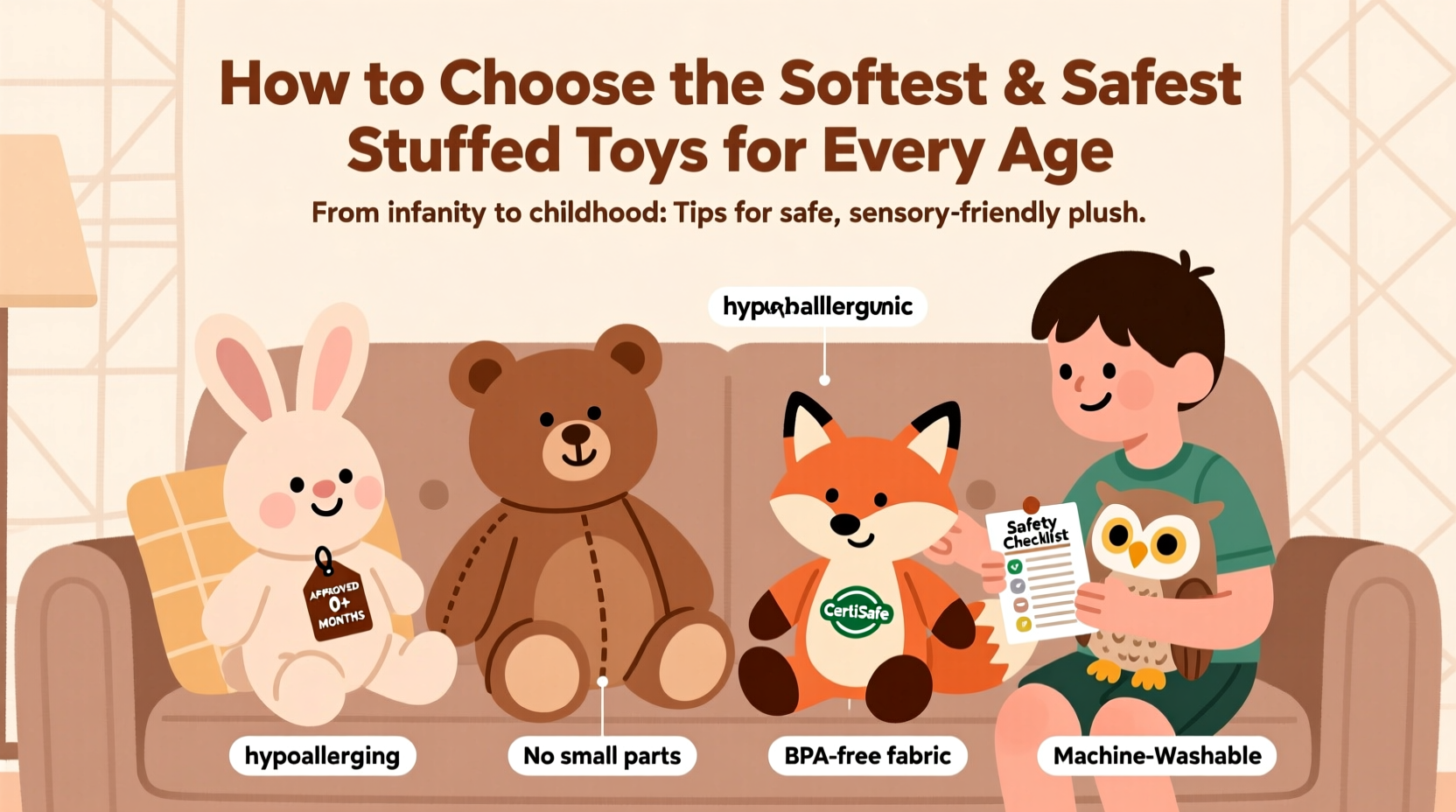
Children at different developmental stages face distinct risks when interacting with stuffed toys. What’s safe for a 5-year-old may pose a serious hazard to a 6-month-old. Regulatory bodies like the U.S. Consumer Product Safety Commission (CPSC) and ASTM International have established guidelines, but understanding how they apply in real-life scenarios is key.
| Age Group | Key Safety Concerns | Recommended Features |
|---|---|---|
| Newborn – 6 months | Choking hazards, toxic materials, suffocation risk | No small parts, machine-washable, short-pile fabric, sewn-in labels |
| 7–12 months | Mouthing behavior, loose stitching, detachable eyes/noses | Reinforced seams, hypoallergenic filling, no ribbons or strings |
| 1–3 years | Small parts, fire-resistant materials, durability | Phthalate-free, flame-retardant fabrics, sturdy construction |
| 4+ years | Skin sensitivities, emotional attachment, washability | Soft-touch fabrics, washable at high temps, eco-friendly dyes |
Material Matters: What Makes a Stuffed Toy Truly Soft?
Softness isn’t just about initial touch—it’s about consistency over time. Many plush toys start soft but stiffen after washing or develop pilling that irritates sensitive skin. The secret lies in fiber composition and fabric weave.
The most consistently soft materials include:
- Minky fabric: A polyester-based microfiber known for its velvety texture and resistance to pilling. Ideal for infants due to its smooth surface and easy care.
- Cotton fleece: Natural, breathable, and less likely to cause irritation. Best for children with allergies or eczema.
- Bamboo-derived rayon: Silky feel, naturally antibacterial, and more sustainable than synthetic alternatives.
- Organic cotton: Grown without pesticides, often used in premium baby toys. Softer when tightly woven and brushed.
Avoid toys made with rough weaves, scratchy seams, or blended synthetics that trap heat. Also be cautious of “ultra-soft” claims backed by cheap polyesters that degrade quickly.
“Parents often focus on appearance, but the fabric-to-skin interaction is what determines long-term comfort and safety.” — Dr. Lena Torres, Pediatric Dermatologist
Step-by-Step Guide to Evaluating a Stuffed Toy
Before purchasing, follow this practical evaluation process to ensure quality and safety:
- Inspect seams and stitching: Run your fingers along all edges. Loose threads or uneven stitches indicate poor craftsmanship and potential failure points.
- Test stuffing density: Squeeze the toy firmly. It should spring back without leaving permanent dents. Over-stuffed toys can strain seams; under-stuffed ones lose shape quickly.
- Check for small attachments: Eyes, noses, and bows should be embroidered (not plastic), especially for children under 3.
- Smell the fabric: A strong chemical odor may indicate formaldehyde or azo dyes. Safe toys should have little to no scent.
- Review care instructions: Machine-washable toys are easier to keep hygienic. Avoid dry-clean-only items for young children.
- Feel the texture: Rub the fabric against your inner wrist—the most sensitive area on adults—to simulate how it might feel on a child’s skin.
Real Example: Choosing a Toy for a Premature Baby
When Sarah adopted her daughter, Mia, at six weeks old, she wanted a special comfort toy for the NICU. Most store-bought plushes had ribbons, plastic eyes, or complex textures unsuitable for preemies. After consulting with the hospital’s developmental care team, she selected a certified preemie-safe bear made from organic cotton minky, with hand-embroidered features and a removable sound module that mimicked a heartbeat.
The toy met all safety requirements and was soft enough not to mark Mia’s fragile skin. Over the next year, it became a consistent sensory anchor during medical procedures and transitions. Today, at age three, Mia still carries the bear—now slightly faded but structurally intact—proving that thoughtful selection pays long-term emotional dividends.
Checklist: Must-Have Features in Every Age-Safe Plush Toy
Use this checklist before finalizing any purchase:
- ✅ No detachable or small parts (eyes, buttons, ribbons)
- ✅ Fully machine-washable (top rack dishwasher-safe bags recommended)
- ✅ Hypoallergenic, non-toxic filling (e.g., PET fibers, organic wool)
- ✅ Short-pile or tightly woven fabric to prevent snagging
- ✅ Compliance with ASTM F963 or EN71 safety standards
- ✅ Phthalate-free, lead-free, and BPA-free certification
- ✅ Reinforced seams and double-stitched stress points
- ✅ Odorless or naturally scented (e.g., lavender-infused cotton)
Frequently Asked Questions
Are handmade stuffed toys safer than store-bought ones?
Not necessarily. While handmade toys often use higher-quality materials, they may lack standardized safety testing. Always verify that handmade sellers provide documentation of non-toxic dyes, secure attachments, and washability. Reputable craft platforms like Etsy often list compliance details in product descriptions.
How often should I wash a child’s stuffed toy?
Wash plush toys every 2–4 weeks under normal use. More frequent cleaning is advised if the toy is mouthed regularly, used outdoors, or during illness. Use a gentle, fragrance-free detergent and air-dry to preserve fabric integrity.
Can soft toys trigger allergies?
Yes. Dust mites, synthetic dyes, and residual chemicals in low-quality fabrics can cause allergic reactions. Opt for toys labeled “hypoallergenic,” wash them before first use, and avoid those with strong perfumes or dyes. Cotton and bamboo-based fabrics are generally better tolerated.
Final Thoughts: Prioritizing Comfort Without Compromising Safety
The softest stuffed toy isn’t just one that feels good to touch—it’s one that supports healthy development, withstands daily wear, and brings lasting comfort. By focusing on material integrity, construction quality, and age-specific safety needs, you can choose plush companions that are as safe as they are snuggly.
Remember, a well-chosen stuffed animal does more than entertain. It becomes a silent guardian during bedtime fears, a confidant in moments of stress, and a tactile link to security and love. Investing time in selecting the right one is an act of care that echoes far beyond the nursery shelf.
💬 Have a favorite trusted brand or personal tip for finding safe, soft plush toys? Share your experience in the comments to help other parents make better choices.








